Karen R. Miller - Böcker
Visar alla böcker från författaren Karen R. Miller. Handla med fri frakt och snabb leverans.
3 produkter
3 produkter
347 kr
Skickas inom 7-10 vardagar
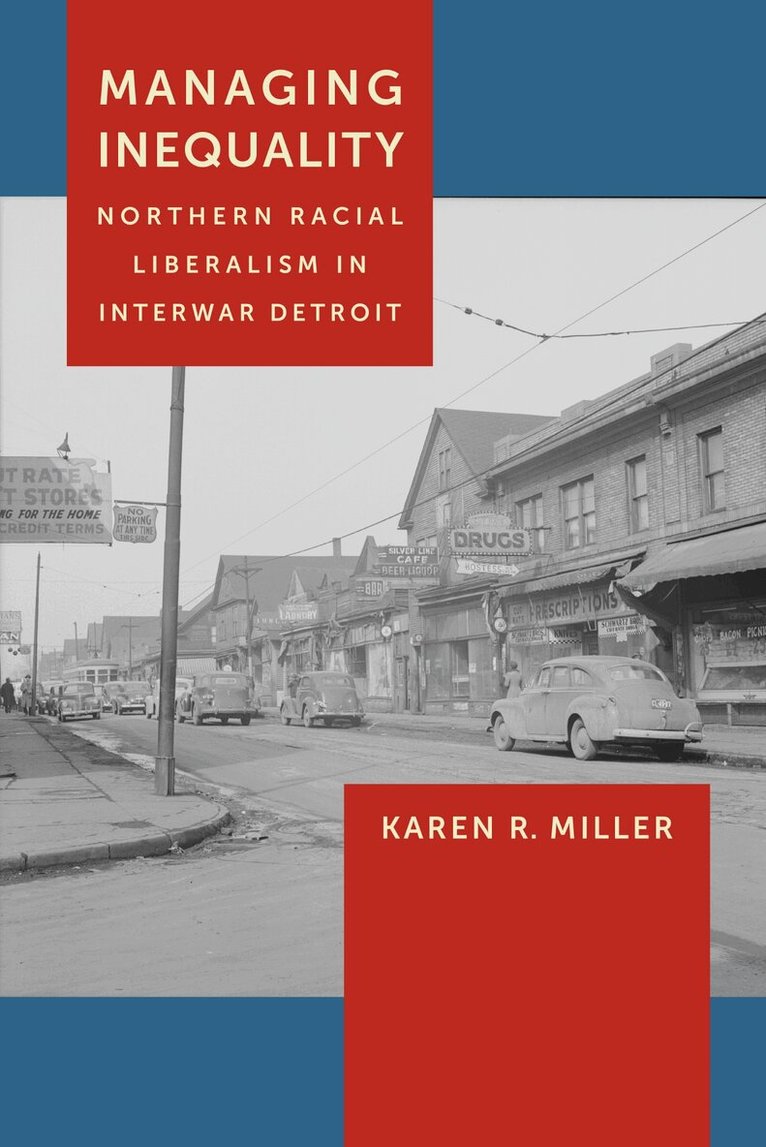
In Managing Inequality, Karen R. Miller examines the formulation, uses, and growing political importance of northern racial liberalism in Detroit between the two World Wars.In the wake of the Civil War, many white northern leaders supported race-neutral laws and anti-discrimination statutes. These positions helped amplify the distinctions they drew between their political economic system, which they saw as forward-thinking in its promotion of free market capitalism, and the now vanquished southern system, which had been built on slavery. But this interest in legal race neutrality should not be mistaken for an effort to integrate northern African Americans into the state or society on an equal footing with whites. During the Great Migration, which brought tens of thousands of African Americans into Northern cities after World War I, white northern leaders faced new challenges from both white and African American activists and were pushed to manage race relations in a more formalized and proactive manner. The result was northern racial liberalism: the idea that all Americans, regardless of race, should be politically equal, but that the state cannot and indeed should not enforce racial equality by interfering with existing social or economic relations. Miller argues that racial inequality was built into the liberal state at its inception, rather than produced by antagonists of liberalism. Managing Inequality shows that our current racial system—where race neutral language coincides with extreme racial inequalities that appear natural rather than political—has a history that is deeply embedded in contemporary governmental systems and political economies.
985 kr
Skickas inom 10-15 vardagar
In Managing Inequality, Karen R. Miller examines the formulation, uses, and growing political importance of northern racial liberalism in Detroit between the two World Wars.In the wake of the Civil War, many white northern leaders supported race-neutral laws and anti-discrimination statutes. These positions helped amplify the distinctions they drew between their political economic system, which they saw as forward-thinking in its promotion of free market capitalism, and the now vanquished southern system, which had been built on slavery. But this interest in legal race neutrality should not be mistaken for an effort to integrate northern African Americans into the state or society on an equal footing with whites. During the Great Migration, which brought tens of thousands of African Americans into Northern cities after World War I, white northern leaders faced new challenges from both white and African American activists and were pushed to manage race relations in a more formalized and proactive manner. The result was northern racial liberalism: the idea that all Americans, regardless of race, should be politically equal, but that the state cannot and indeed should not enforce racial equality by interfering with existing social or economic relations. Miller argues that racial inequality was built into the liberal state at its inception, rather than produced by antagonists of liberalism. Managing Inequality shows that our current racial system—where race neutral language coincides with extreme racial inequalities that appear natural rather than political—has a history that is deeply embedded in contemporary governmental systems and political economies.
605 kr
Skickas inom 7-10 vardagar
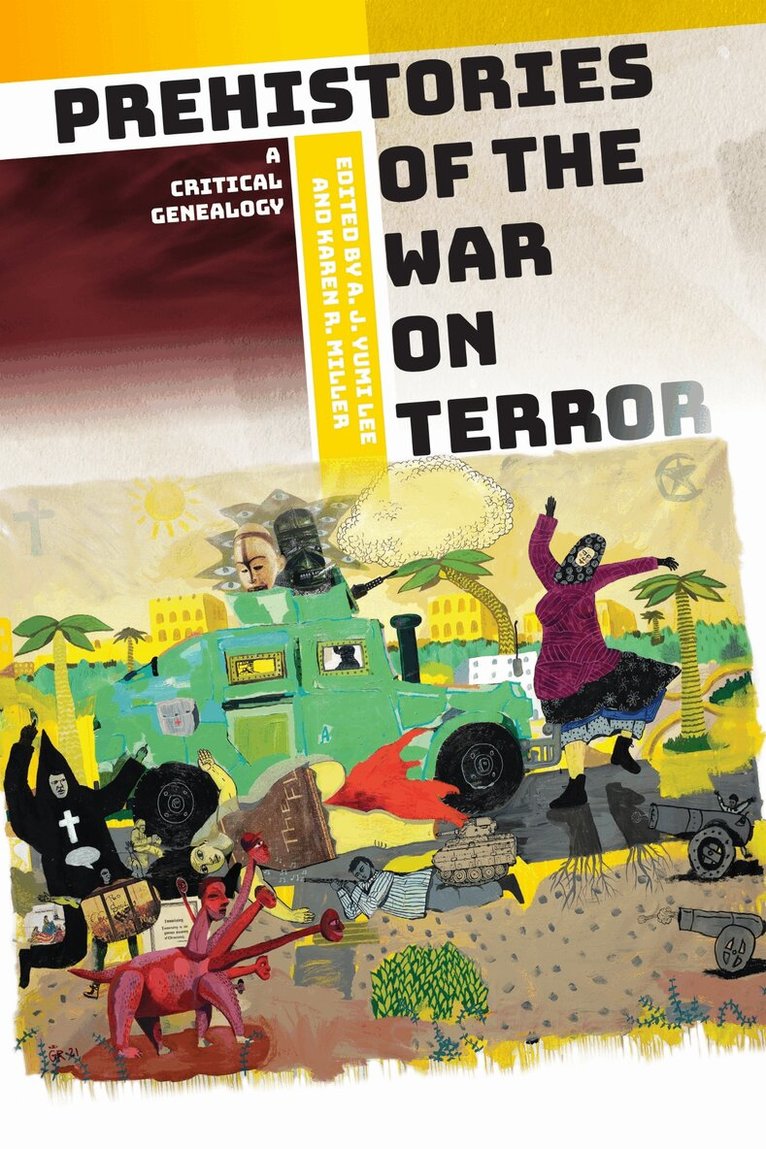
Reveals fundamental continuities between the contemporary War on Terror and earlier U.S. imperial conflictsPrehistories of the War on Terror examines the longstanding American project of classifying enemies who challenge U.S. power abroad as terrorists. To do so, the volume brings disparate episodes of U.S. military empire-building into dialogue across time and space. From settler colonial wars in the nineteenth-century American West to twentieth-century wars of conquest in Asia and the Pacific, the collection's essays argue that the United States has drawn both materially and ideologically on older systems of empire in the conflicts through which it has waged the present-day War on Terror.Attending to the local histories from which these conflicts emerged and examining the effects of U.S. intervention in these sites, contributors analyze the cultural frameworks for understanding and remembering past conflicts that confirm, challenge, or refigure the logics of the War on Terror. This volume reveals how contestations over sovereignty, extraction, and inequality must be suppressed and flattened in public discourse to maintain a coherent vision of a totalizing War on Terror. Together, the contributors illustrate that there was no single road that led to 9/11 or the War on Terror. Rather, they argue that we must follow multiple paths into the past to fully understand our present and to fight for a more just future.Contributors: Moustafa Bayoumi, Joo Ok Kim, Janne Lahti, A. J. Yumi Lee, Naveed Mansoori, Karen R. Miller, Kalyan Nadiminti, Tim Roberts, Colleen Woods.