Karen S. Rubinson – författare
Visar alla böcker från författaren Karen S. Rubinson. Handla med fri frakt och snabb leverans.
9 produkter
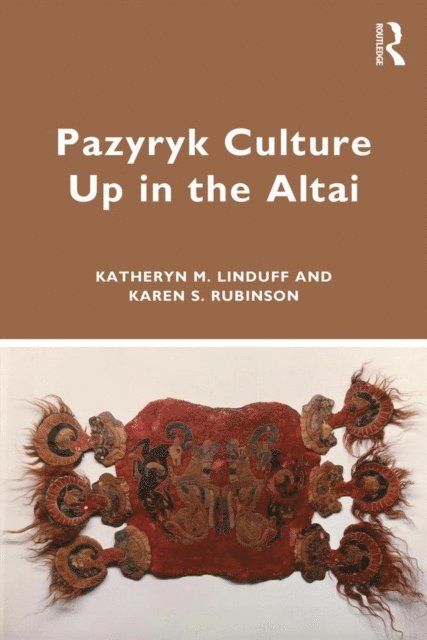
Pazyryk Culture Up in the Altai
Av Karen S. Rubinson, Katheryn M. Linduff
E-bok, 2021
767 kr
Lägg i varukorg
This book reconsiders the archaeology of the Pazyryk, the horse-riding people of the Altai Mountains who lived in the 4th–3rd centuries BCE, in light of recent scientific studies and excavations not only in Russia but also Kazakhstan, Mongolia and China, together with new theories of landscape. …
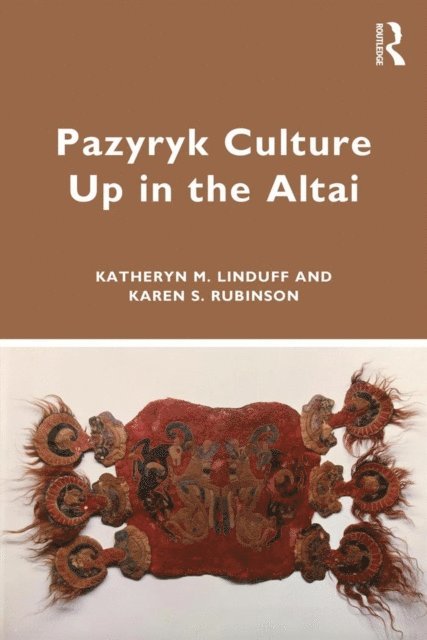
Pazyryk Culture Up in the Altai
Av Karen S. Rubinson, Katheryn M. Linduff
E-bok, 2021
750 kr
Lägg i varukorg
This book reconsiders the archaeology of the Pazyryk, the horse-riding people of the Altai Mountains who lived in the 4th–3rd centuries BCE, in light of recent scientific studies and excavations not only in Russia but also Kazakhstan, Mongolia and China, together with new theories of landscape. …
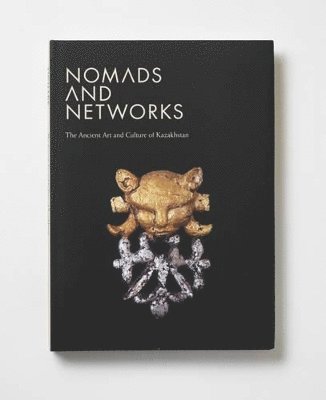
Nomads and Networks
The Ancient Art and Culture of Kazakhstan
Av Sören Stark, Karen S. Rubinson m. fl.
Inbunden, 2012
706 kr
Lägg i varukorg
The catalogue for the groundbreaking exhibition at New York University's Institute for the Study of the Ancient World, Nomads and Networks presents an unparalleled overview of the sophisticated culture of pastoral nomadic populations who lived on the territory of present-day Kazakhstan from roughly …
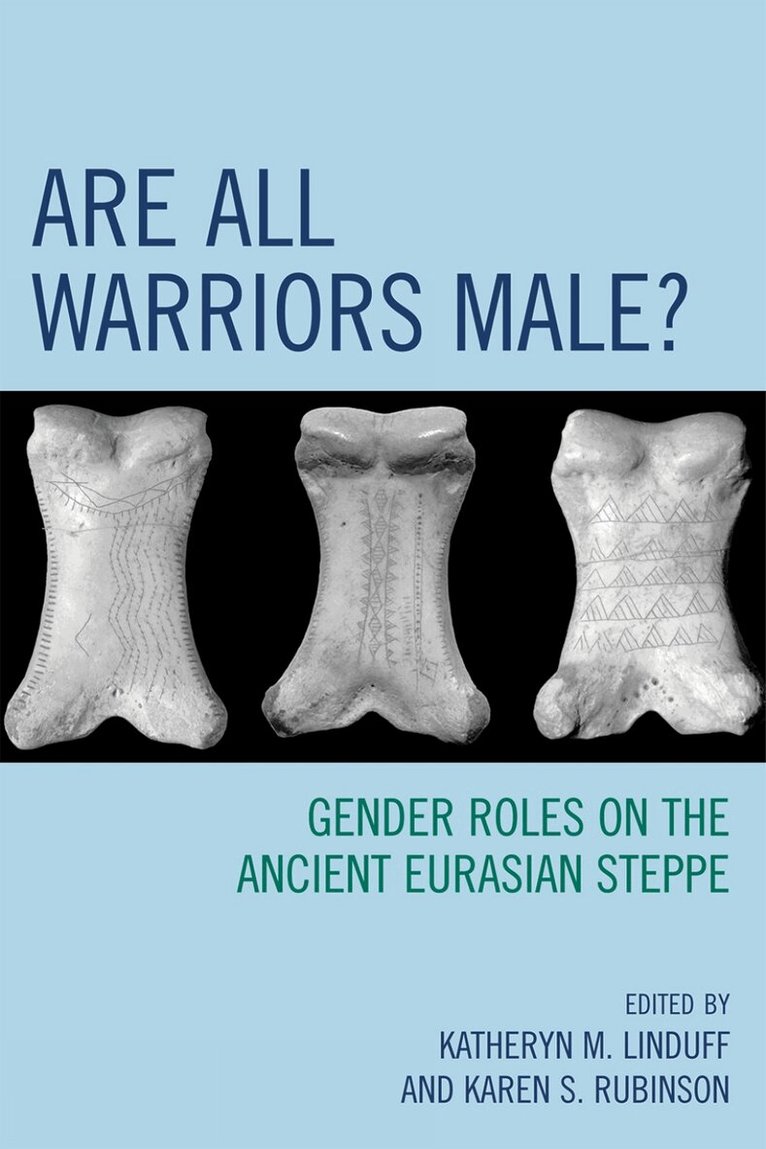
Are All Warriors Male?
Gender Roles on the Ancient Eurasian Steppe
Av Katheryn M. Linduff, Karen S. Rubinson
Häftad, 2008
784 kr
Lägg i varukorg
Are All Warriors Male? is a lively inquiry into questions of gender on the ancient Eurasian steppes. The book's contributors are archaeologists who work in eastern Europe, Central Asia, and eastern Asia, and this volume is the result of their field research in this vast. As little has been written …
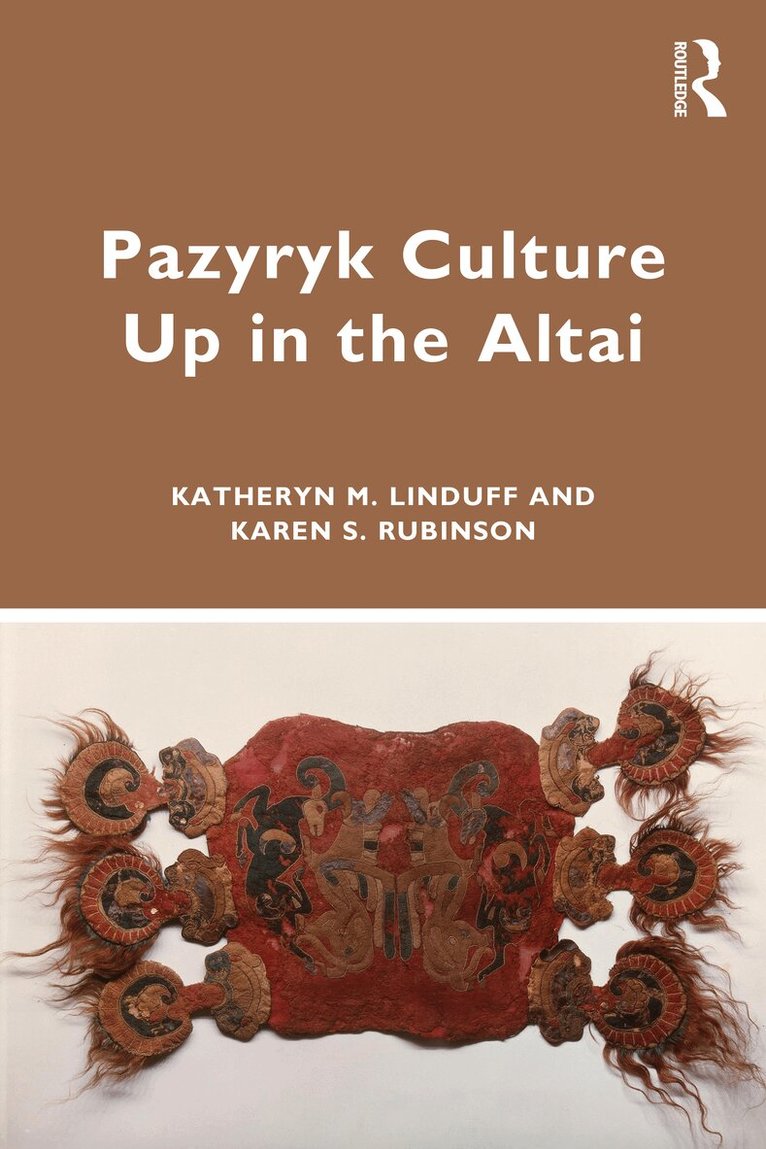
Pazyryk Culture Up in the Altai
Av Katheryn M. Linduff, Karen S. Rubinson
Inbunden, 2021
2586 kr
Lägg i varukorg
This book reconsiders the archaeology of the Pazyryk, the horse-riding people of the Altai Mountains who lived in the 4th–3rd centuries BCE, in light of recent scientific studies and excavations not only in Russia but also Kazakhstan, Mongolia and China, together with new theories of …
Pazyryk Culture Up in the Altai
Av Katheryn M. Linduff, Karen S. Rubinson
Häftad, 2021
652 kr
Lägg i varukorg
This book reconsiders the archaeology of the Pazyryk, the horse-riding people of the Altai Mountains who lived in the 4th–3rd centuries BCE, in light of recent scientific studies and excavations not only in Russia but also Kazakhstan, Mongolia and China, together with new theories of …
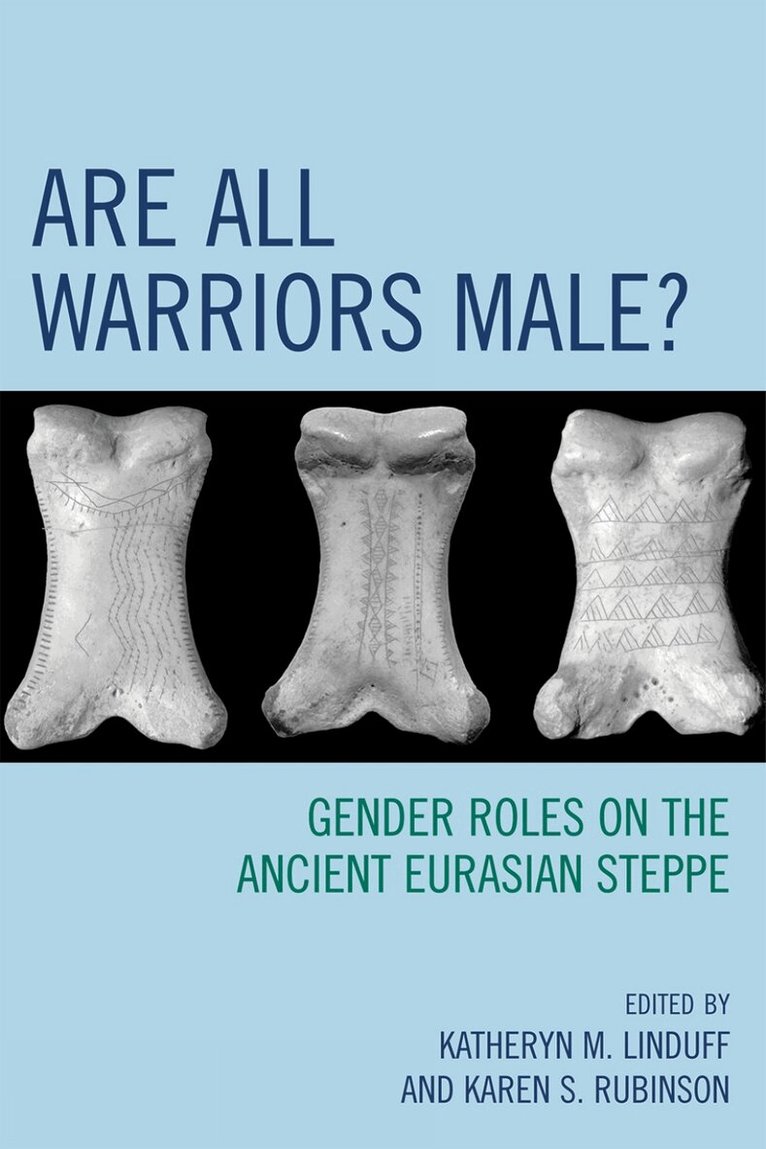
Are All Warriors Male?
Gender Roles on the Ancient Eurasian Steppe
Av Katheryn M. Linduff, Karen S. Rubinson
E-bok, 2008
883 kr
Lägg i varukorg
Are All Warriors Male? is a lively inquiry into questions of gender on the ancient Eurasian steppes. The book''s contributors are archaeologists who work in eastern Europe, Central Asia, and eastern Asia, and this volume is the result of their field research in this vast. As little has been written …
Are All Warriors Male?
Gender Roles on the Ancient Eurasian Steppe
Av Katheryn M. Linduff, Karen S. Rubinson
Inbunden, 2008
1097 kr
Tillfälligt slut
Are All Warriors Male? is a lively inquiry into questions of gender on the ancient Eurasian steppes. The book's contributors are archaeologists who work in eastern Europe, Central Asia, and eastern Asia, and this volume is the result of their field research in this vast. As little has been written …
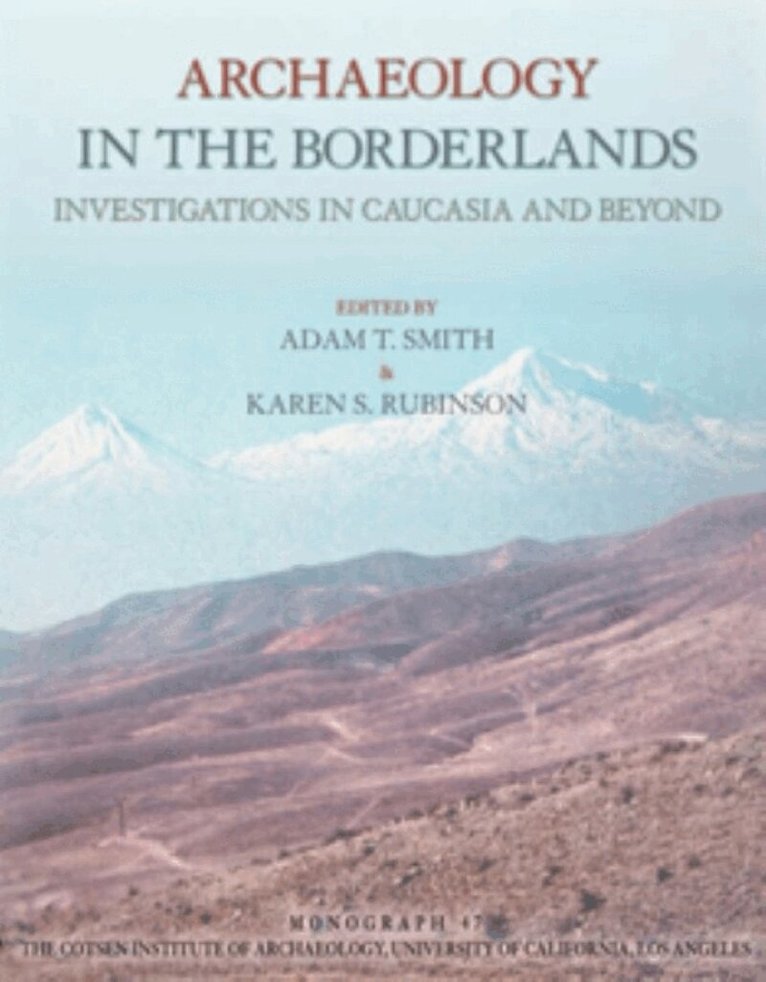
Archaeology in the Borderlands
Investigations in Caucasia and Beyond
Av Karen S. Rubinson, Adam T. Smith
Häftad, 2004
258 kr
Tillfälligt slut
Set on a broad isthmus between the Black and Caspian Seas, Caucasia has traditionally been portrayed as either a well-trod highway linking southwest Asia and the Eurasian Steppe or an isolated periphery of the political and cultural centers of the ancient world. Archaeology in the Borderlands: …