Karin Wulf – författare
Visar alla böcker från författaren Karin Wulf. Handla med fri frakt och snabb leverans.
5 produkter
5 produkter
317 kr
Skickas inom 5-8 vardagar
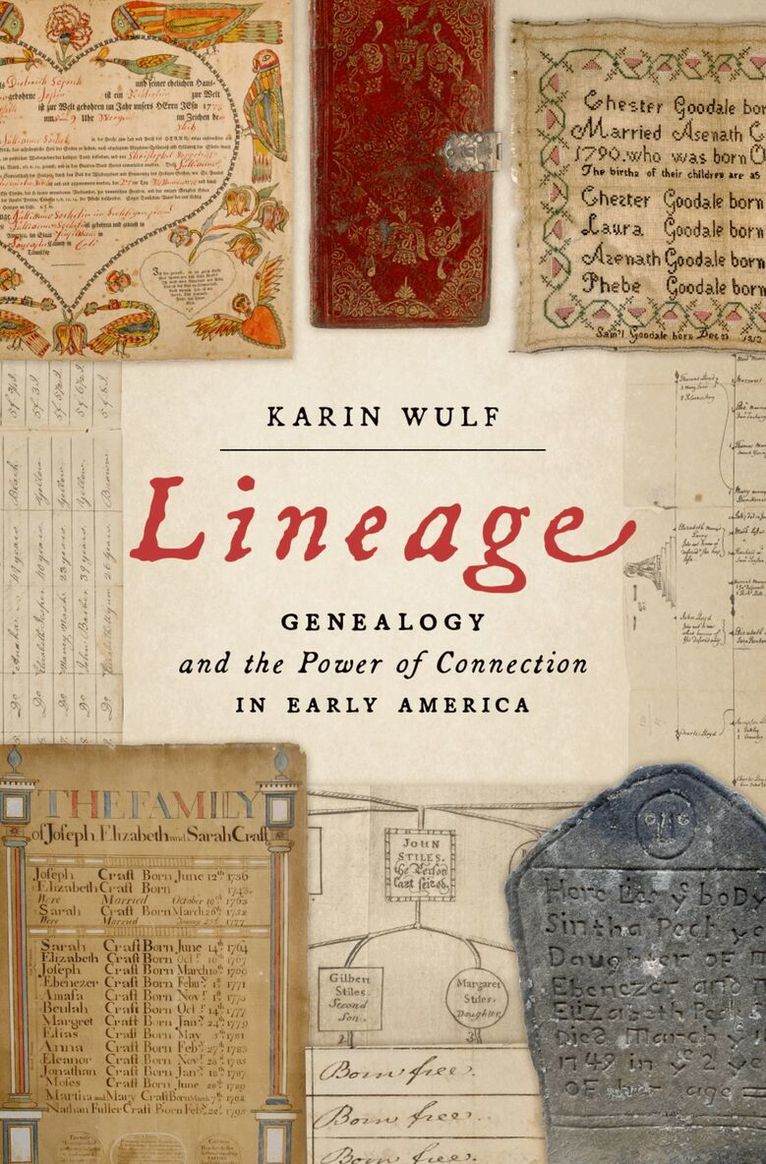
In eighteenth-century America, genealogy was more than a simple record of family ties--it was a powerful force that shaped society. Lineage delves into an era where individuals, families, and institutions meticulously documented their connections. Whether driven by personal passion or mandated by churches, local governments, and courts, these records appeared in diverse forms-from handwritten notes and account books to intricate silk threads and enduring stone carvings.Family connections wielded significant influence across governmental, legal, religious, cultural, and social spheres. In the American context, these ties also defined the boundaries of slavery and freedom, with a child's status often determined by their mother, despite the prevailing patriarchy. This book reveals the profound importance of genealogy that was chronicled by family records, cultural artifacts, and court documents. These materials, created by both enslaved individuals seeking freedom and founding fathers seeking status, demonstrate the culturally and historically specific nature of genealogical interest.Even as the American Revolution transformed society, the significance of genealogy endured. The legacy of lineage from the colonial period continued to shape the early United States, underscoring the enduring importance of family connections. Lineage offers a deep understanding of genealogy as a foundational element of American history, illuminating its vital role from the colonial era through the birth of the nation.
324 kr
Skickas inom 10-15 vardagar
Marital status was a fundamental legal and cultural feature of women's identity in the eighteenth century. Free women who were not married could own property and make wills, contracts, and court appearances, rights that the law of coverture prevented their married sisters from enjoying. Karin Wulf explores the significance of marital status in this account of unmarried women in Philadelphia, the largest city in the British colonies.In a major act of historical reconstruction, Wulf draws upon sources ranging from tax lists, censuses, poor relief records, and wills to almanacs, newspapers, correspondence, and poetry in order to recreate the daily experiences of women who were never-married, widowed, divorced, or separated. With its substantial population of unmarried women, eighteenth-century Philadelphia was much like other early modern cities, but it became a distinctive proving ground for cultural debate and social experimentation involving those women. Arguing that unmarried women shaped the city as much as it shaped them, Wulf examines popular literary representations of marriage, the economic hardships faced by women, and the decisive impact of a newly masculine public culture in the late colonial period.
280 kr
Skickas inom 5-8 vardagar
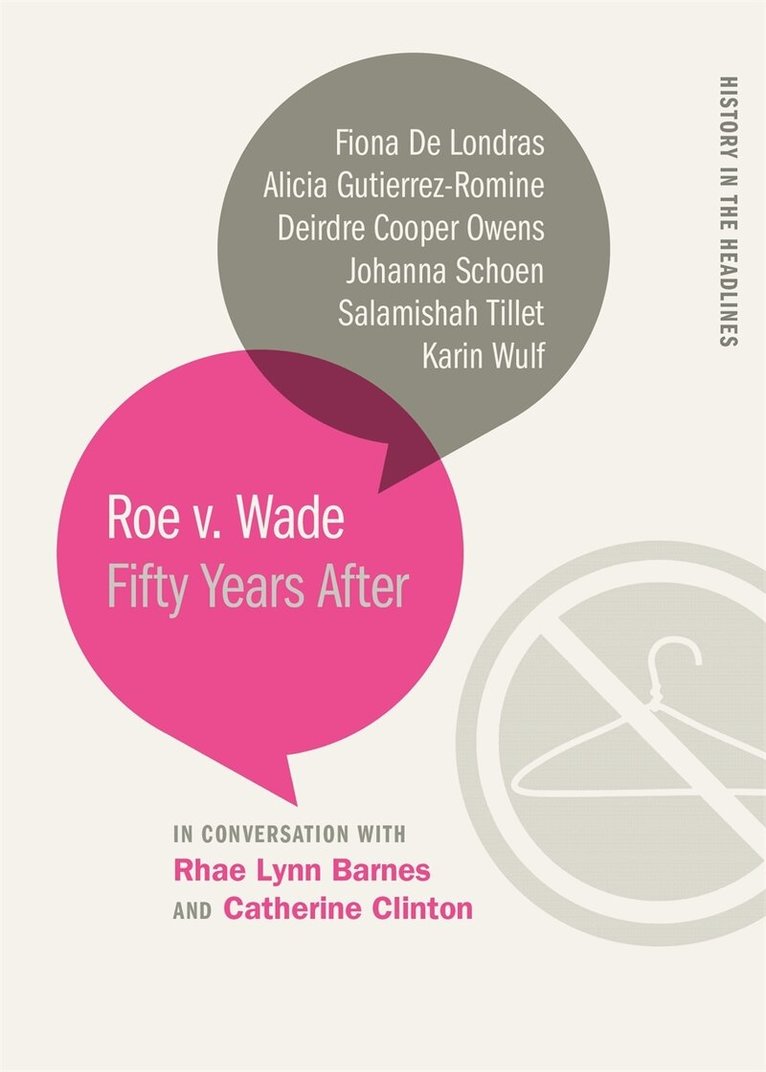
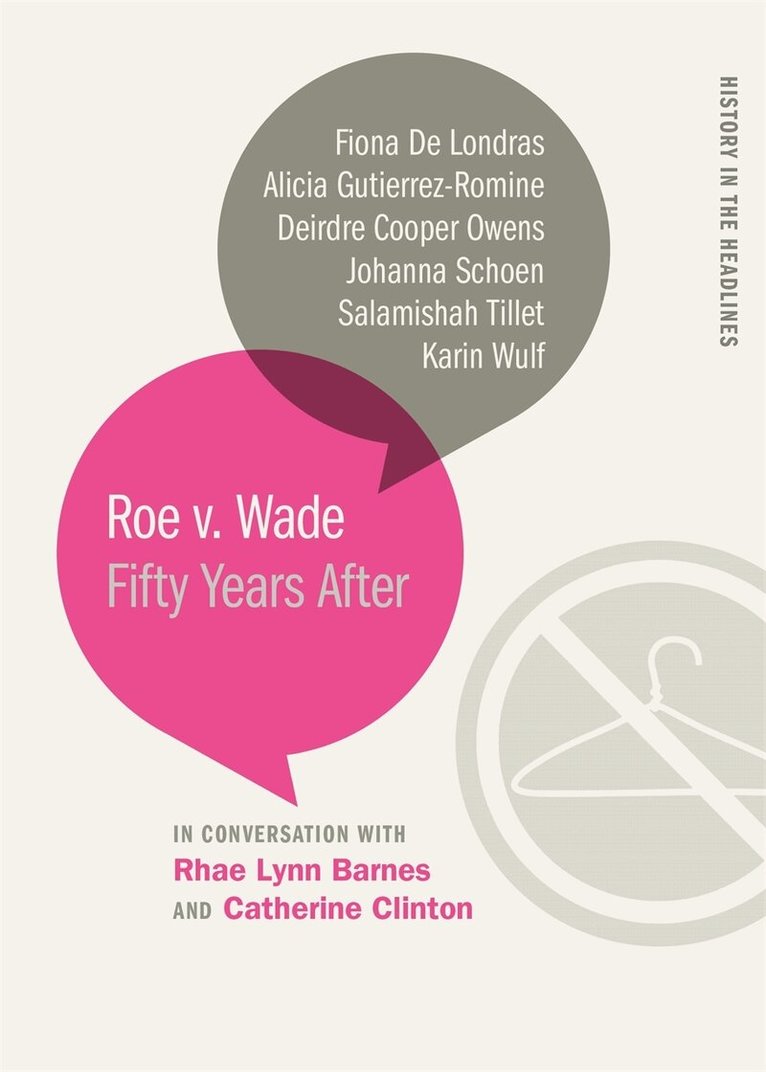
Just over fifty years ago on January 22, 1973, the United States Supreme Court decision on Roe v. Wade assured millions of women that abortion was a protected constitutional right due to a woman’s right to privacy. In the context of the burgeoning women’s rights movement, it seemed like an inalienable victory: women might become equal to men in their right to determine what would happen to their bodies. This was a hard-won fight that reached back to colonial America and slavery, but on June 24, 2022, the decision was shockingly reversed by the Supreme Court in Dobbs v. Jackson Women’s Health Organization. What happened? What transpired socially, politically, legally, in religious institutions and in popular culture in the half-century when “the right to choose” led to this stunning transformation in American society? Roe v. Wade: Fifty Years After, coedited by Rhae Lynn Barnes and Catherine Clinton for the History in the Headlines series, brings together a team of world-renowned scholars, prizewinning historians, and Pulitzer Prize-winning public intellectuals who specialize in reproductive history. They assembled at Harvard University in the weeks following the Dobbs decision to talk through the centuries-long history of abortion in what became the United States, how its representation changed in the law and popular culture, and how a wellspring of social movements on both the right and left led to a fifty-year showdown over some of the most outstanding human questions: What is life? When does it begin? Who has the right to end it? Who has the right to determine what happens to someone else’s body? How can the law define and restrict women’s reproductive health? And how have race, class, geography, sexuality, and other factors shaped who gets to be a part of answering these questions? The international impact of the struggles for reproductive freedom for women within the United States comes into sharp focus within this important volume, shedding light on past, present, and future dimensions of reproductive freedom for all Americans.
2 040 kr
Skickas inom 3-6 vardagar
Just over fifty years ago on January 22, 1973, the United States Supreme Court decision on Roe v. Wade assured millions of women that abortion was a protected constitutional right due to a woman’s right to privacy. In the context of the burgeoning women’s rights movement, it seemed like an inalienable victory: women might become equal to men in their right to determine what would happen to their bodies. This was a hard-won fight that reached back to colonial America and slavery, but on June 24, 2022, the decision was shockingly reversed by the Supreme Court in Dobbs v. Jackson Women’s Health Organization. What happened? What transpired socially, politically, legally, in religious institutions and in popular culture in the half-century when “the right to choose” led to this stunning transformation in American society? Roe v. Wade: Fifty Years After, coedited by Rhae Lynn Barnes and Catherine Clinton for the History in the Headlines series, brings together a team of world-renowned scholars, prizewinning historians, and Pulitzer Prize-winning public intellectuals who specialize in reproductive history. They assembled at Harvard University in the weeks following the Dobbs decision to talk through the centuries-long history of abortion in what became the United States, how its representation changed in the law and popular culture, and how a wellspring of social movements on both the right and left led to a fifty-year showdown over some of the most outstanding human questions: What is life? When does it begin? Who has the right to end it? Who has the right to determine what happens to someone else’s body? How can the law define and restrict women’s reproductive health? And how have race, class, geography, sexuality, and other factors shaped who gets to be a part of answering these questions? The international impact of the struggles for reproductive freedom for women within the United States comes into sharp focus within this important volume, shedding light on past, present, and future dimensions of reproductive freedom for all Americans.
246 kr
Skickas inom 7-10 vardagar
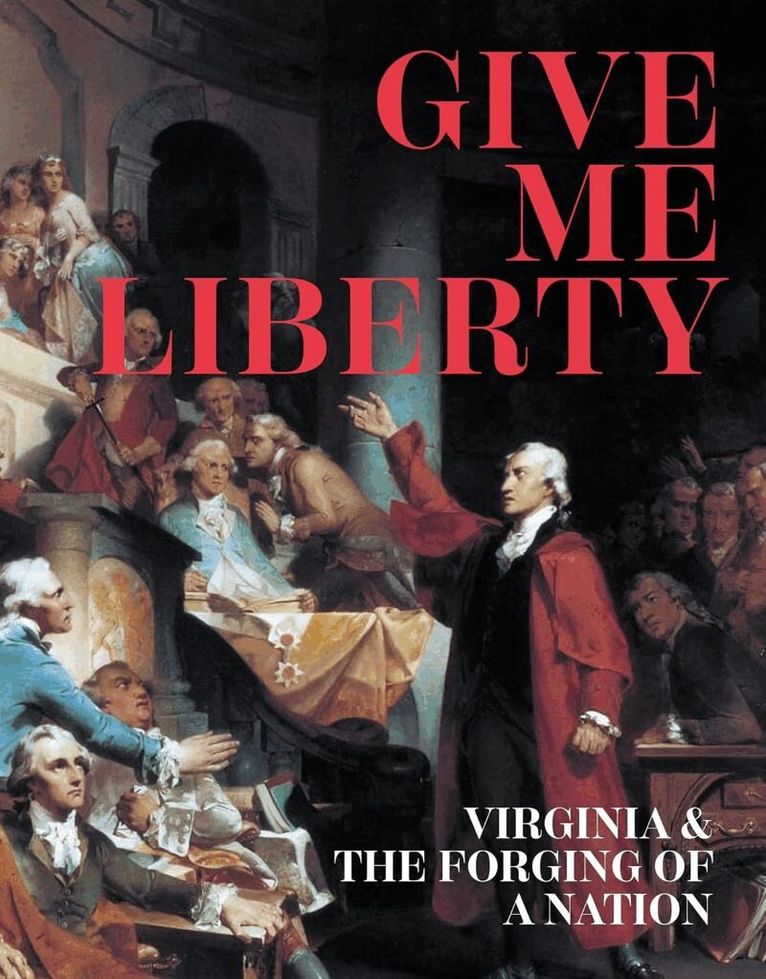
This highlyillustrated publication marks the origins of a revolutionary new nation,focusing on the years 1775 and 1776, the events that preceded and followed, andthe people who contributed to its formation. The book recognizes Virginians whohave become famous for their role in shaping the new nation, includingWashington, Jefferson, Madison, and spotlights the multitude of ordinary peoplewho were living and acting in those extraordinary times. Combining compellingmodes of presentation with historic artifacts, artwork, and documents, thevolume acknowledges the central notion that Virginia’s history is America’sstory: complex, diverse, and inspiring.