Katarzyna Chmielewska – författare
Visar alla böcker från författaren Katarzyna Chmielewska. Handla med fri frakt och snabb leverans.
5 produkter
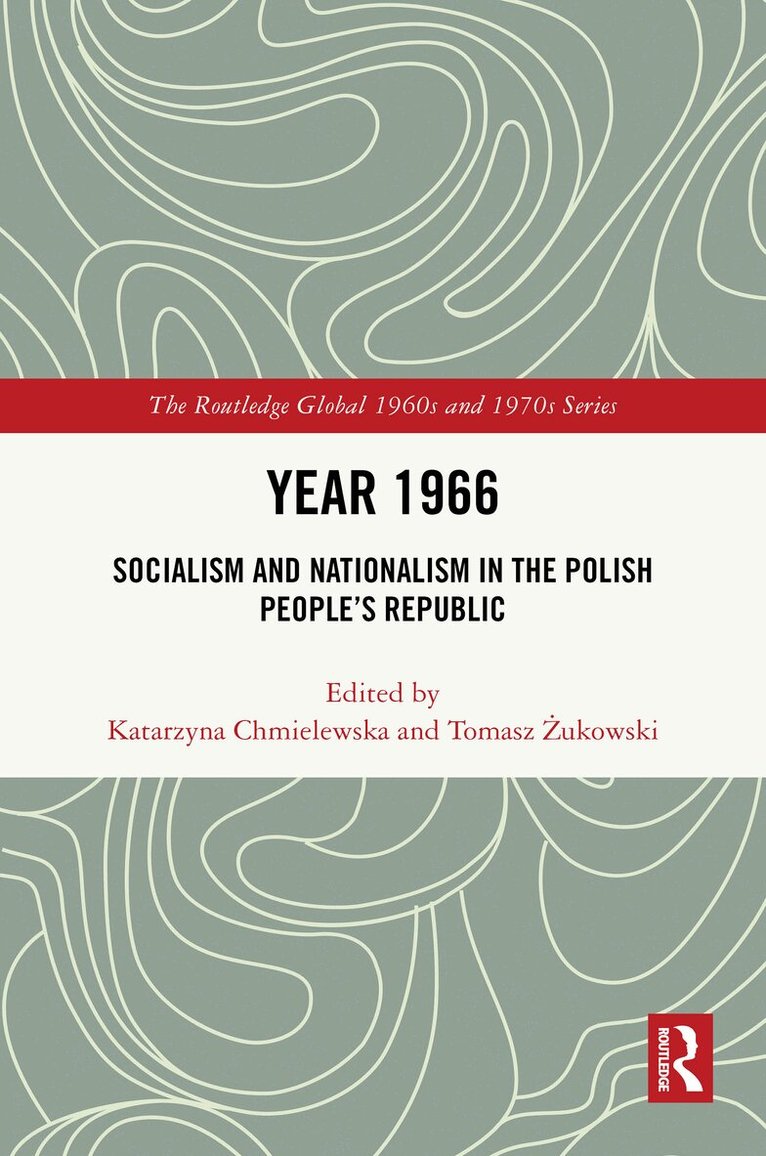
Year 1966
Socialism and Nationalism in the Polish People’s Republic
Av Katarzyna Chmielewska, Tomasz Żukowski
Inbunden, 2025
2510 kr
Lägg i varukorg
Year 1966 analyzes the breakthrough moment in the culture of the Polish People’s Republic when revolutionary social and cultural changes slowed down in the mid-1960s, leading to a turn toward the idea of a nation as a field of ideological dispute between different social actors.The book explores …
Year 1966
Socialism and Nationalism in the Polish People’s Republic
Av Katarzyna Chmielewska, Tomasz Żukowski
Häftad, 2026
705 kr
Lägg i varukorg
Year 1966 analyzes the breakthrough moment in the culture of the Polish People’s Republic when revolutionary social and cultural changes slowed down in the mid-1960s, leading to a turn toward the idea of a nation as a field of ideological dispute between different social actors.The book explores …
Year 1966
Socialism and Nationalism in the Polish People’s Republic
Av Tomasz Zukowski, Katarzyna Chmielewska
E-bok, 2025
831 kr
Lägg i varukorg
Year 1966 analyzes the breakthrough moment in the culture of the Polish People’s Republic when revolutionary social and cultural changes slowed down in the mid-1960s, leading to a turn toward the idea of a nation as a field of ideological dispute between different social actors. The book explores …
Year 1966
Socialism and Nationalism in the Polish People’s Republic
Av Tomasz Zukowski, Katarzyna Chmielewska
E-bok, 2025
813 kr
Lägg i varukorg
Year 1966 analyzes the breakthrough moment in the culture of the Polish People’s Republic when revolutionary social and cultural changes slowed down in the mid-1960s, leading to a turn toward the idea of a nation as a field of ideological dispute between different social actors. The book explores …
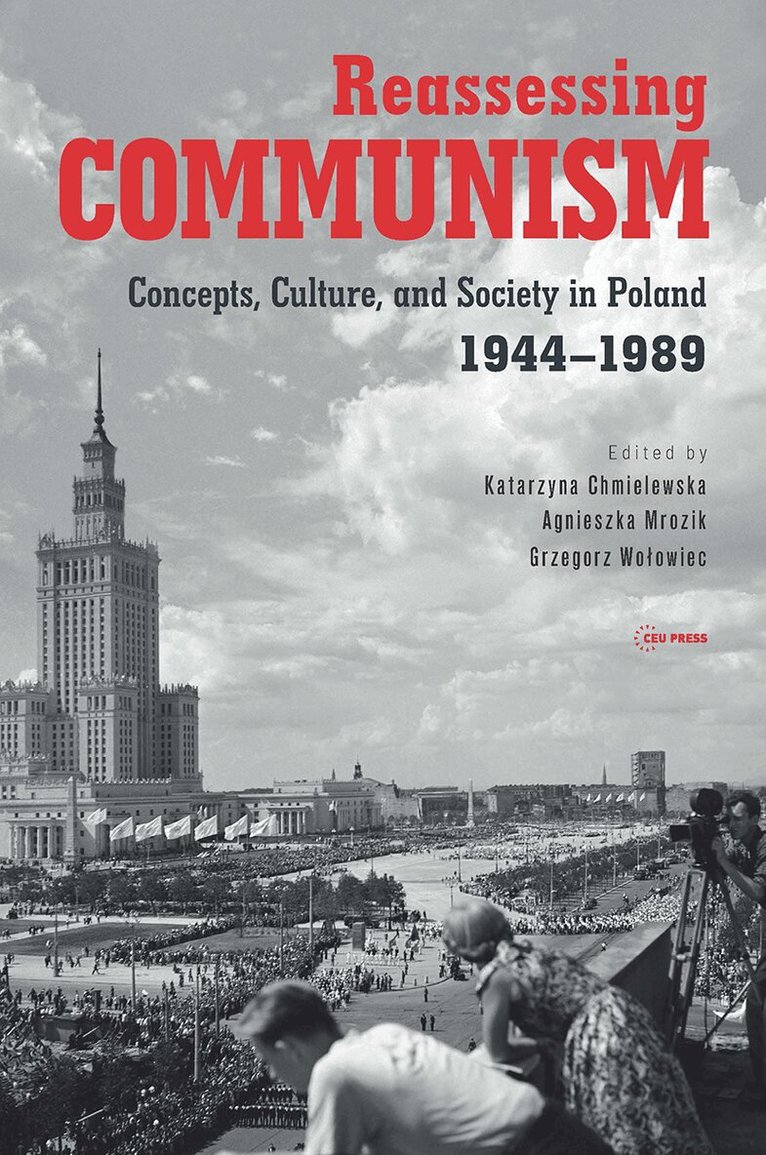
Reassessing Communism
Concepts, Culture, and Society in Poland 1944-1989
Av Katarzyna Chmielewska, Agnieszka Mrozik m. fl.
Inbunden, 2021
2073 kr
Lägg i varukorg
The thirteen authors of this collective work undertook to articulate matter-of-fact critiques of the dominant narrative about communism in Poland while offering new analyses of the concept, and also examining the manifestations of anticommunism. Approaching communist ideas and practices, programs …