Tomasz Żukowski – författare
Visar alla böcker från författaren Tomasz Żukowski. Handla med fri frakt och snabb leverans.
12 produkter
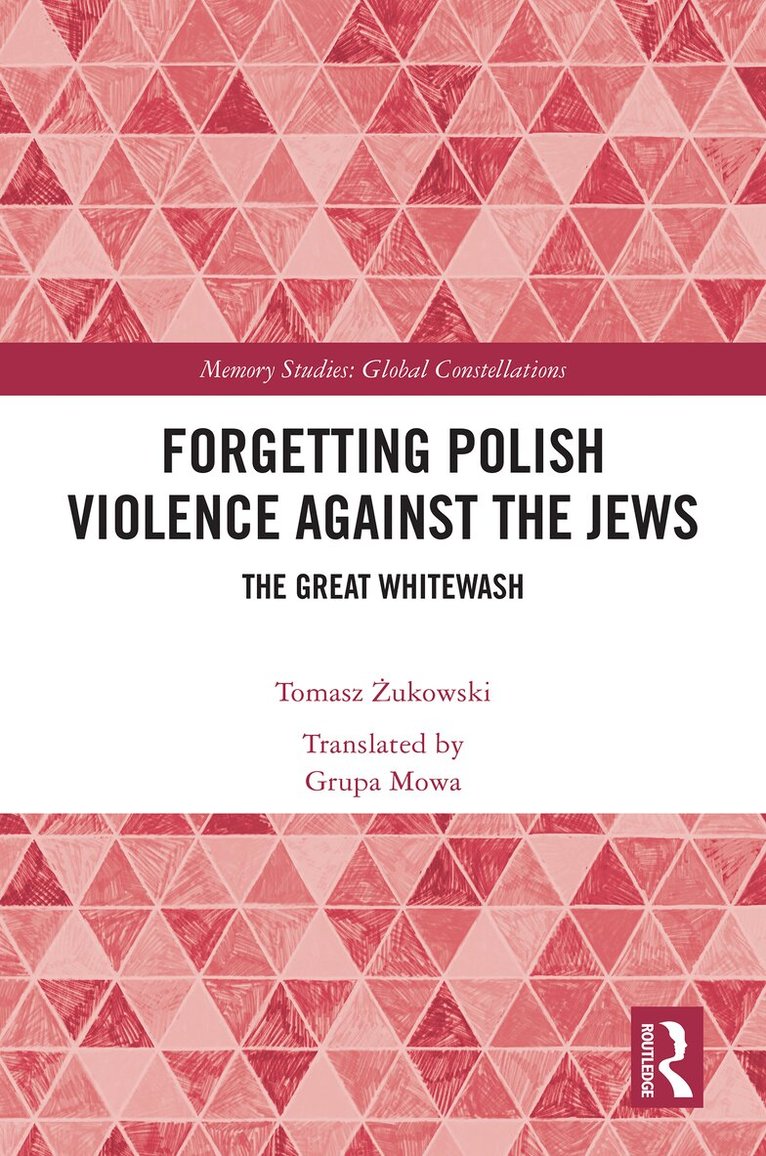
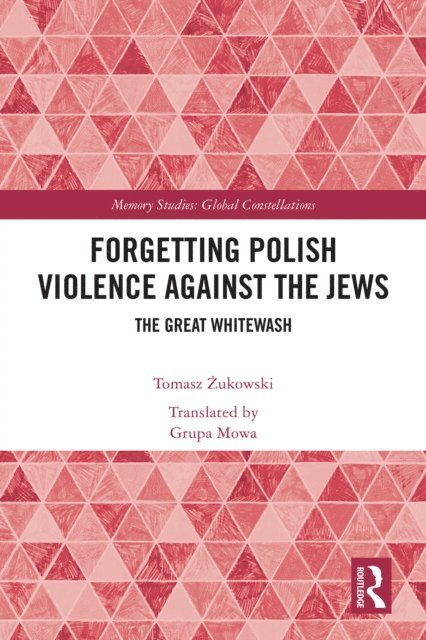
Forgetting Polish Violence Against the Jews
The Great Whitewash
Inbunden, 2024
2585 kr
Lägg i varukorg
During the Holocaust, Polish bystanders were witnesses not only to Nazi crimes but also to their own collective violence toward Jewish neighbors. This book shows how these memories continue to be distorted and silenced in the Polish culture.Considering the ways in which Polish culture displays …
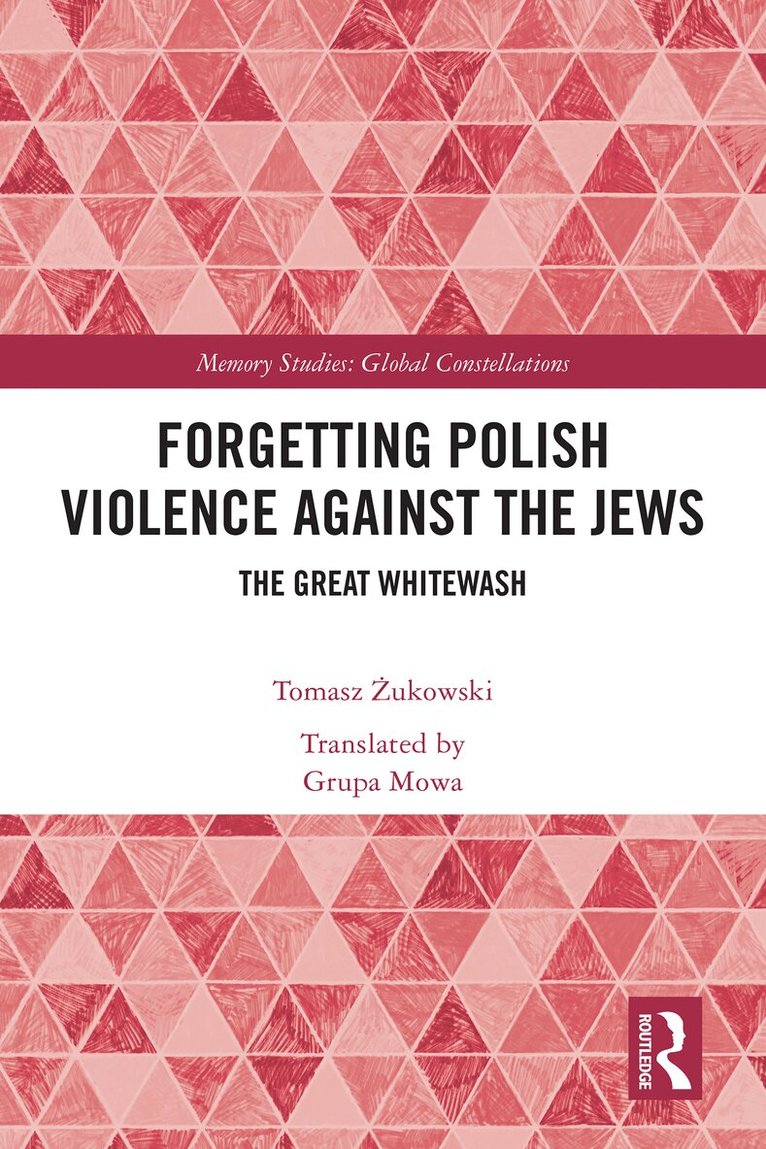
Forgetting Polish Violence Against the Jews
The Great Whitewash
Häftad, 2026
682 kr
Lägg i varukorg
During the Holocaust, Polish bystanders were witnesses not only to Nazi crimes but also to their own collective violence toward Jewish neighbors. This book shows how these memories continue to be distorted and silenced in the Polish culture.Considering the ways in which Polish culture displays …
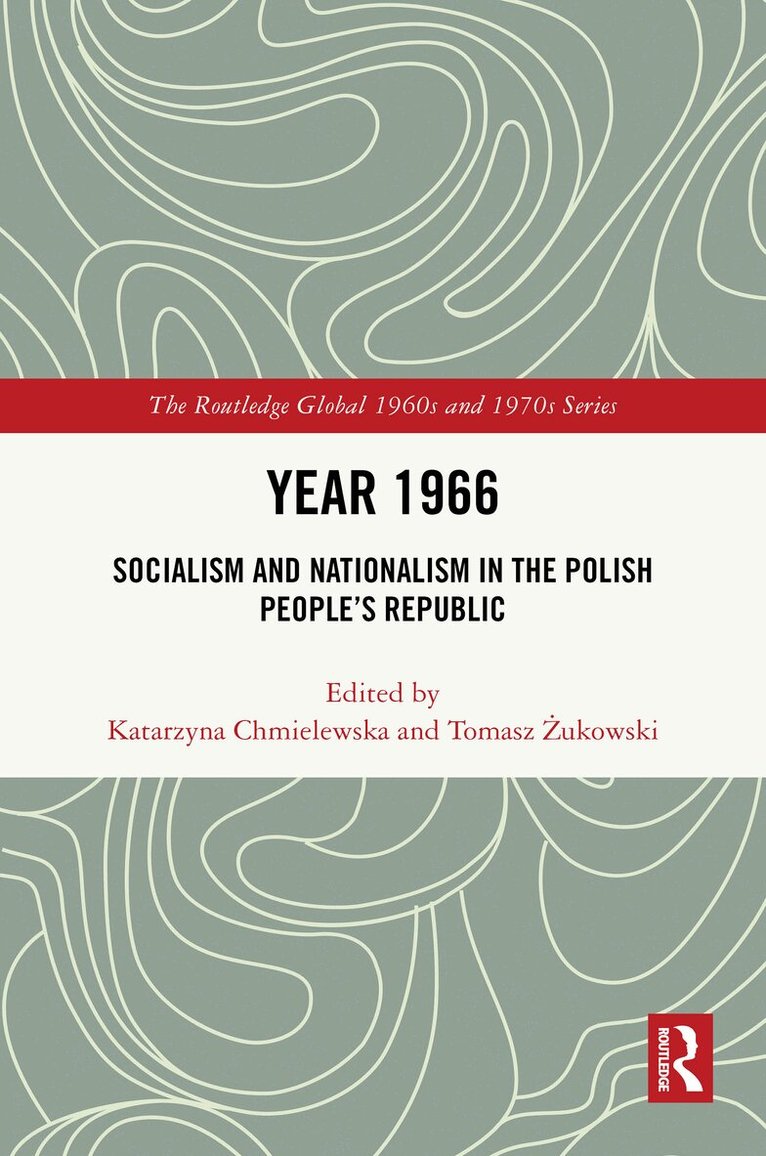
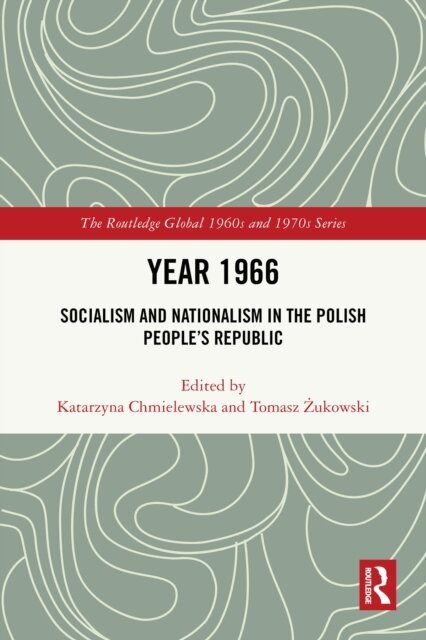
Year 1966
Socialism and Nationalism in the Polish People’s Republic
Av Katarzyna Chmielewska, Tomasz Żukowski
Inbunden, 2025
2510 kr
Lägg i varukorg
Year 1966 analyzes the breakthrough moment in the culture of the Polish People’s Republic when revolutionary social and cultural changes slowed down in the mid-1960s, leading to a turn toward the idea of a nation as a field of ideological dispute between different social actors.The book explores …
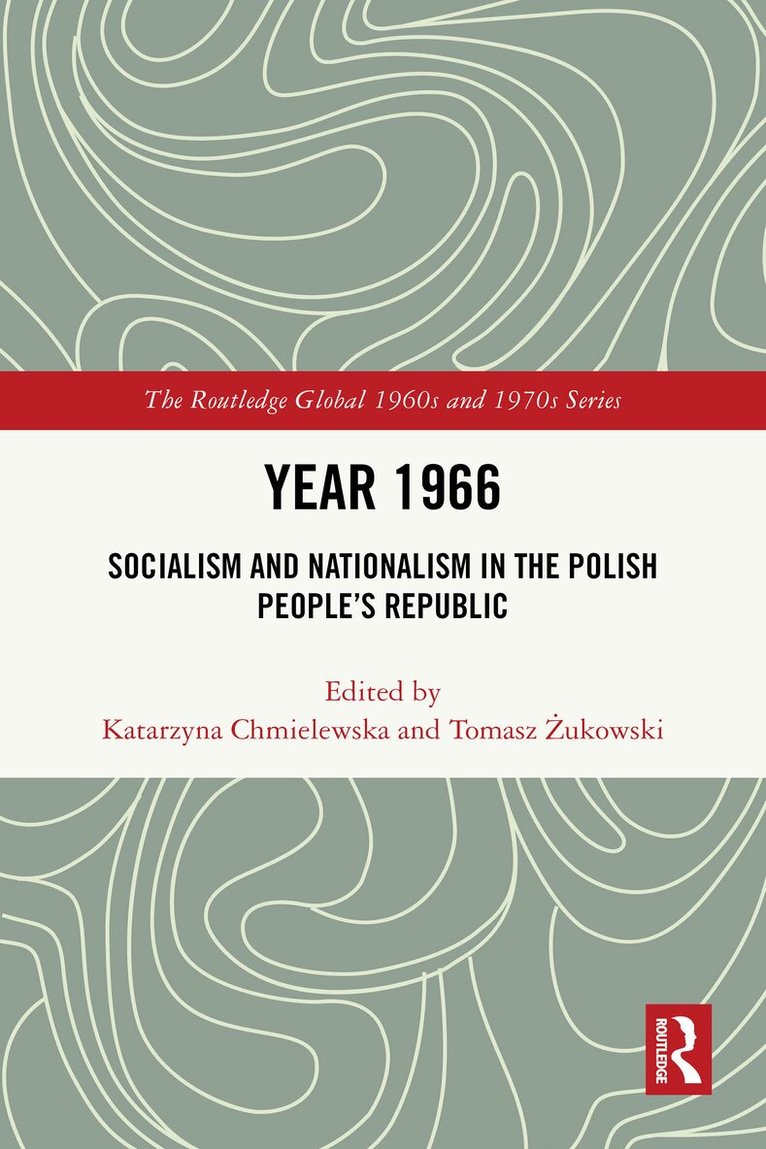
Year 1966
Socialism and Nationalism in the Polish People’s Republic
Av Katarzyna Chmielewska, Tomasz Żukowski
Häftad, 2026
706 kr
Lägg i varukorg
Year 1966 analyzes the breakthrough moment in the culture of the Polish People’s Republic when revolutionary social and cultural changes slowed down in the mid-1960s, leading to a turn toward the idea of a nation as a field of ideological dispute between different social actors.The book explores …
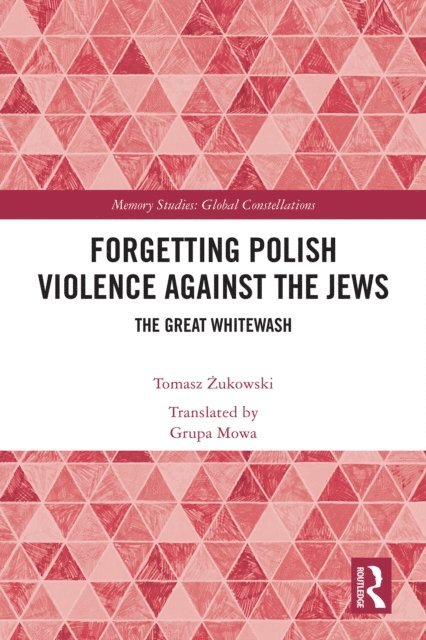
Forgetting Polish Violence Against the Jews
The Great Whitewash
E-bok, 2024
831 kr
Lägg i varukorg
During the Holocaust, Polish bystanders were witnesses not only to Nazi crimes but also to their own collective violence toward Jewish neighbors. This book shows how these memories continue to be distorted and silenced in the Polish culture. Considering the ways in which Polish culture displays …
Forgetting Polish Violence Against the Jews
The Great Whitewash
E-bok, 2024
805 kr
Lägg i varukorg
During the Holocaust, Polish bystanders were witnesses not only to Nazi crimes but also to their own collective violence toward Jewish neighbors. This book shows how these memories continue to be distorted and silenced in the Polish culture. Considering the ways in which Polish culture displays …
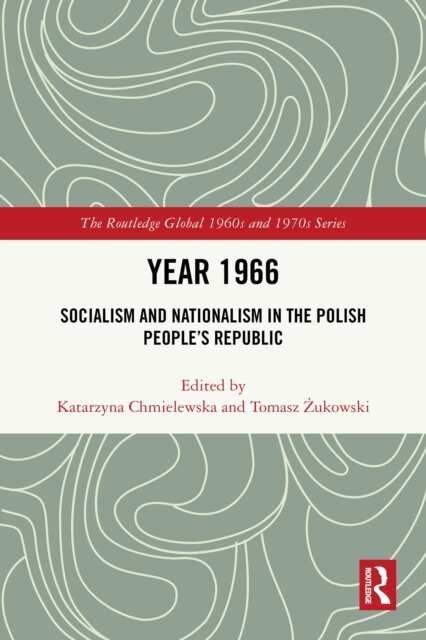
Year 1966
Socialism and Nationalism in the Polish People’s Republic
Av Tomasz Zukowski, Katarzyna Chmielewska
E-bok, 2025
831 kr
Lägg i varukorg
Year 1966 analyzes the breakthrough moment in the culture of the Polish People’s Republic when revolutionary social and cultural changes slowed down in the mid-1960s, leading to a turn toward the idea of a nation as a field of ideological dispute between different social actors. The book explores …
Year 1966
Socialism and Nationalism in the Polish People’s Republic
Av Tomasz Zukowski, Katarzyna Chmielewska
E-bok, 2025
813 kr
Lägg i varukorg
Year 1966 analyzes the breakthrough moment in the culture of the Polish People’s Republic when revolutionary social and cultural changes slowed down in the mid-1960s, leading to a turn toward the idea of a nation as a field of ideological dispute between different social actors. The book explores …
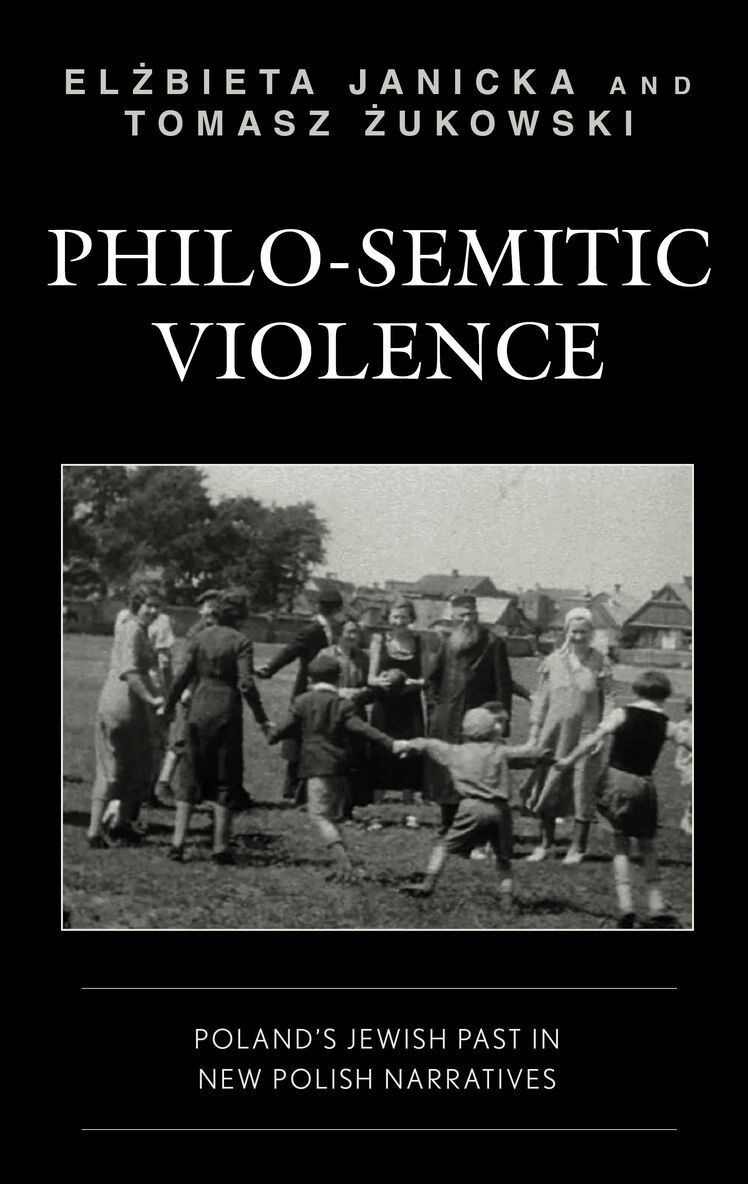
Philo-Semitic Violence
Poland's Jewish Past in New Polish Narratives
Av Elzbieta Janicka, Tomasz Zukowski
Inbunden, 2021
1551 kr
Lägg i varukorg
Philo-Semitic Violence: Poland’s Jewish Past in New Polish Narratives addresses the growing popularity of philo-Semitic violence in Poland between the 2000 revelation of Polish participation in the Holocaust and the 2015 authoritarian turn. Elzbieta Janicka and Tomasz Zukowski examine phenomena …
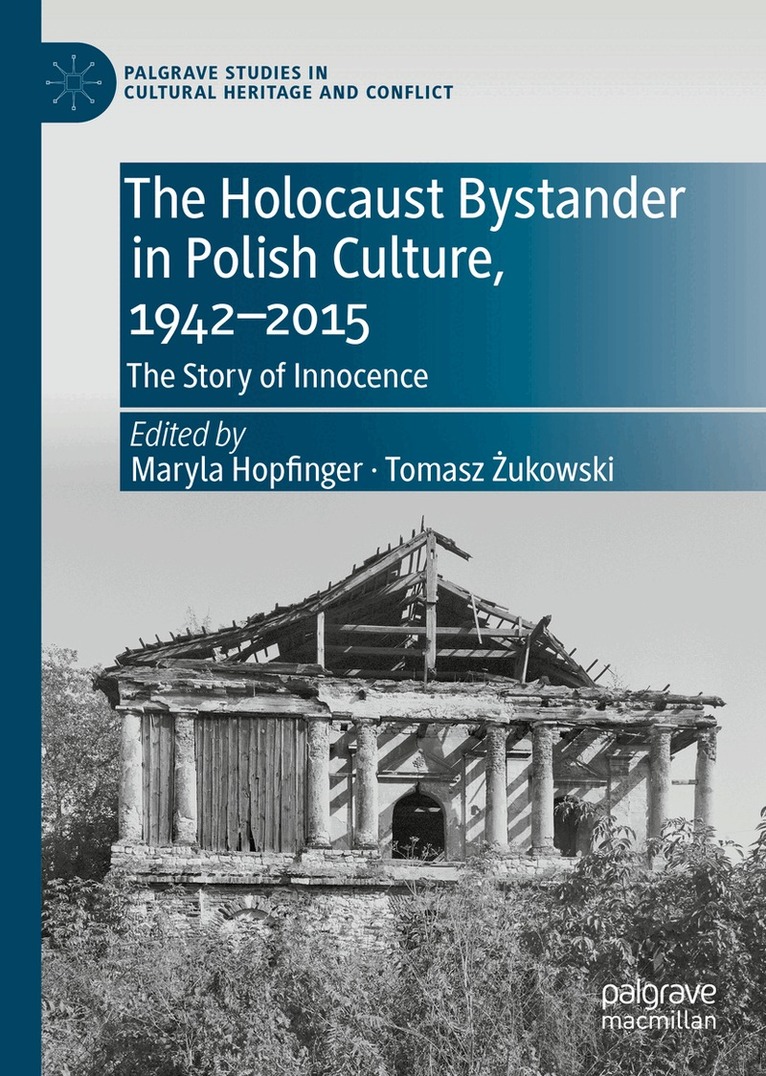
Holocaust Bystander in Polish Culture, 1942-2015
The Story of Innocence
Av Maryla Hopfinger, Tomasz Żukowski
Inbunden, 2021
1690 kr
Lägg i varukorg
This book concerns building an idealized image of the society in which the Holocaust occurred. It inspects the category of the bystander (in Polish culture closely related to the witness), since the war recognized as the axis of self-presentation and majority politics of memory. The category is of …
Holocaust Bystander in Polish Culture, 1942-2015
The Story of Innocence
Av Tomasz Zukowski, Maryla Hopfinger
E-bok, 2021
2174 kr
Lägg i varukorg
This book concerns building an idealized image of the society in which the Holocaust occurred. It inspects the category of the bystander (in Polish culture closely related to the witness), since the war recognized as the axis of self-presentation and majority politics of memory. The category is of …
Holocaust Bystander in Polish Culture, 1942-2015
The Story of Innocence
Av Maryla Hopfinger, Tomasz Żukowski
Häftad, 2022
1690 kr
Lägg i varukorg
This book concerns building an idealized image of the society in which the Holocaust occurred. It inspects the category of the bystander (in Polish culture closely related to the witness), since the war recognized as the axis of self-presentation and majority politics of memory. The category is of …