Kate Greasley – författare
Visar alla böcker från författaren Kate Greasley. Handla med fri frakt och snabb leverans.
15 produkter
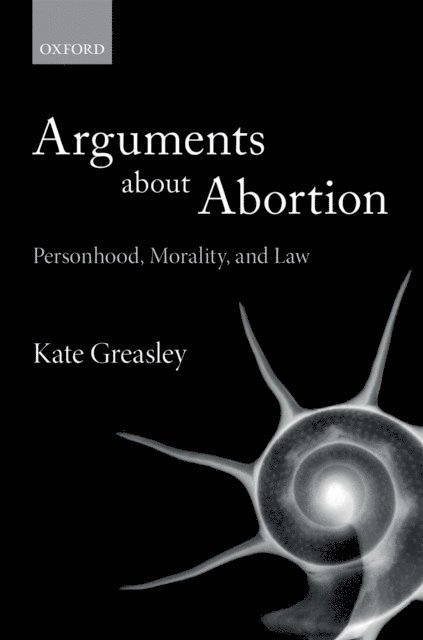
Arguments about Abortion
Personhood, Morality, and Law
E-bok, 2017
473 kr
Lägg i varukorg
Does the morality of abortion depend on the moral status of the human fetus? Must the law of abortion presume an answer to the question of when personhood begins? Can a law which permits late abortion but not infanticide be morally justified? These are just some of the questions this book sets out …
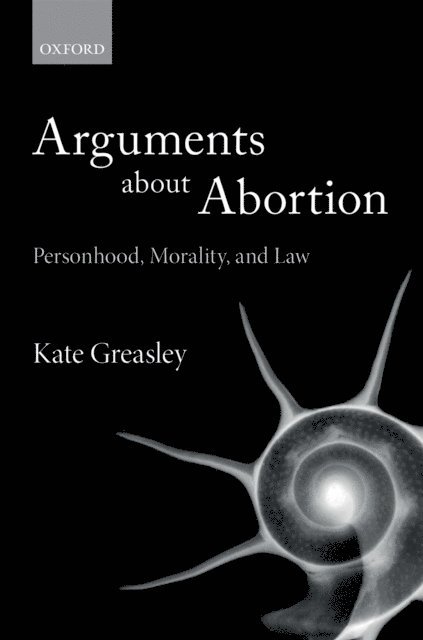
Arguments about Abortion
Personhood, Morality, and Law
E-bok, 2017
473 kr
Lägg i varukorg
Does the morality of abortion depend on the moral status of the human fetus? Must the law of abortion presume an answer to the question of when personhood begins? Can a law which permits late abortion but not infanticide be morally justified? These are just some of the questions this book sets out …
Arguments about Abortion
Personhood, Morality, and Law
Inbunden, 2017
1384 kr
Lägg i varukorg
Does the morality of abortion depend on the moral status of the human fetus? Must the law of abortion presume an answer to the question of when personhood begins? Can a law which permits late abortion but not infanticide be morally justified? These are just some of the questions this book sets out …
Arguments about Abortion
Personhood, Morality, and Law
Häftad, 2017
688 kr
Lägg i varukorg
Does the morality of abortion depend on the moral status of the human fetus? Must the law of abortion presume an answer to the question of when personhood begins? Can a law which permits late abortion but not infanticide be morally justified? These are just some of the questions this book sets out …
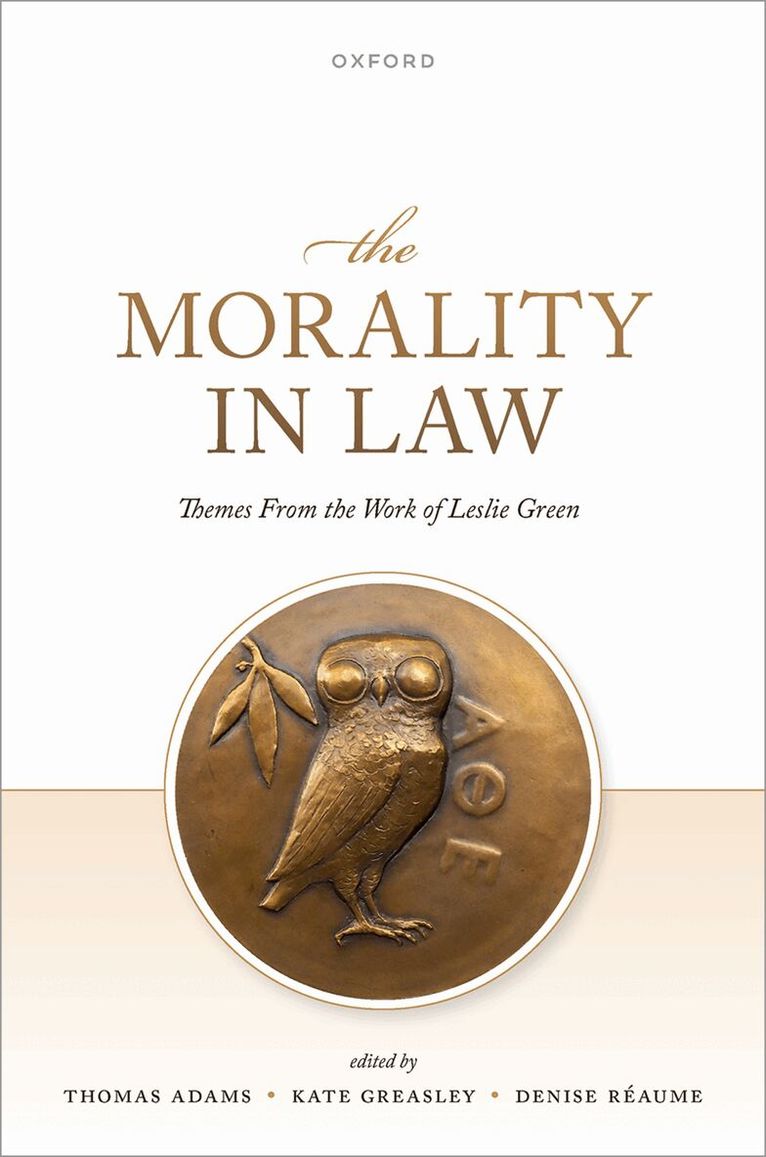
The Morality in Law
Themes from the Work of Leslie Green
Av Thomas Adams, Kate Greasley
Inbunden, 2025
1433 kr
Lägg i varukorg
Leslie Green is a leading figure in late-20th and early-21st century legal philosophy. He has made important contributions on topics as varied as legal positivism, political obligation, the limits of government, and the regulation of pornography. Green's work is marked by its striking originality …
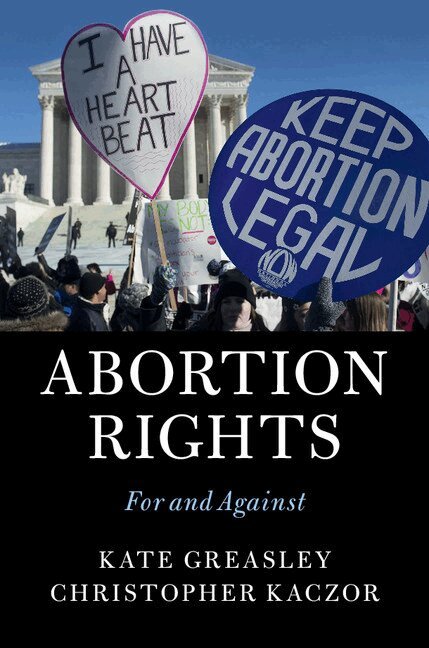
Abortion Rights
For and Against
Av Kate Greasley, Christopher Kaczor
Inbunden, 2017
1872 kr
Lägg i varukorg
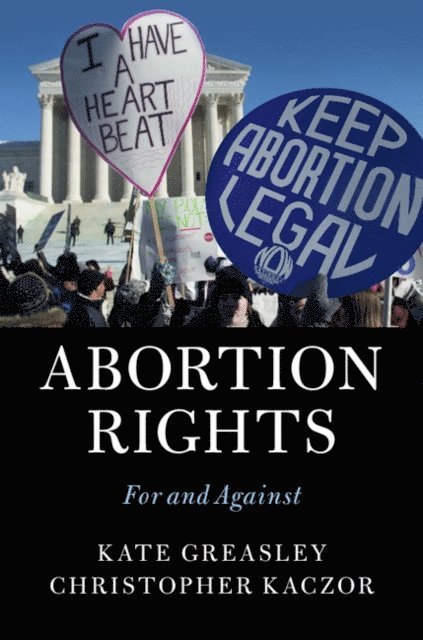
This book features opening arguments followed by two rounds of reply between two moral philosophers on opposing sides of the abortion debate. In the opening essays, Kate Greasley and Christopher Kaczor lay out what they take to be the best case for and against abortion rights. In the ensuing …
Abortion Rights
For and Against
Av Kate Greasley, Christopher Kaczor
Häftad, 2017
455 kr
Lägg i varukorg
This book features opening arguments followed by two rounds of reply between two moral philosophers on opposing sides of the abortion debate. In the opening essays, Kate Greasley and Christopher Kaczor lay out what they take to be the best case for and against abortion rights. In the ensuing …
Abortion Rights
For and Against
Av Christopher Kaczor, Kate Greasley
E-bok, 2017
440 kr
Lägg i varukorg
This book features opening arguments followed by two rounds of reply between two moral philosophers on opposing sides of the abortion debate. In the opening essays, Kate Greasley and Christopher Kaczor lay out what they take to be the best case for and against abortion rights. In the ensuing …
Abortion Rights
For and Against
Av Christopher Kaczor, Kate Greasley
E-bok, 2017
440 kr
Lägg i varukorg
This book features opening arguments followed by two rounds of reply between two moral philosophers on opposing sides of the abortion debate. In the opening essays, Kate Greasley and Christopher Kaczor lay out what they take to be the best case for and against abortion rights. In the ensuing …
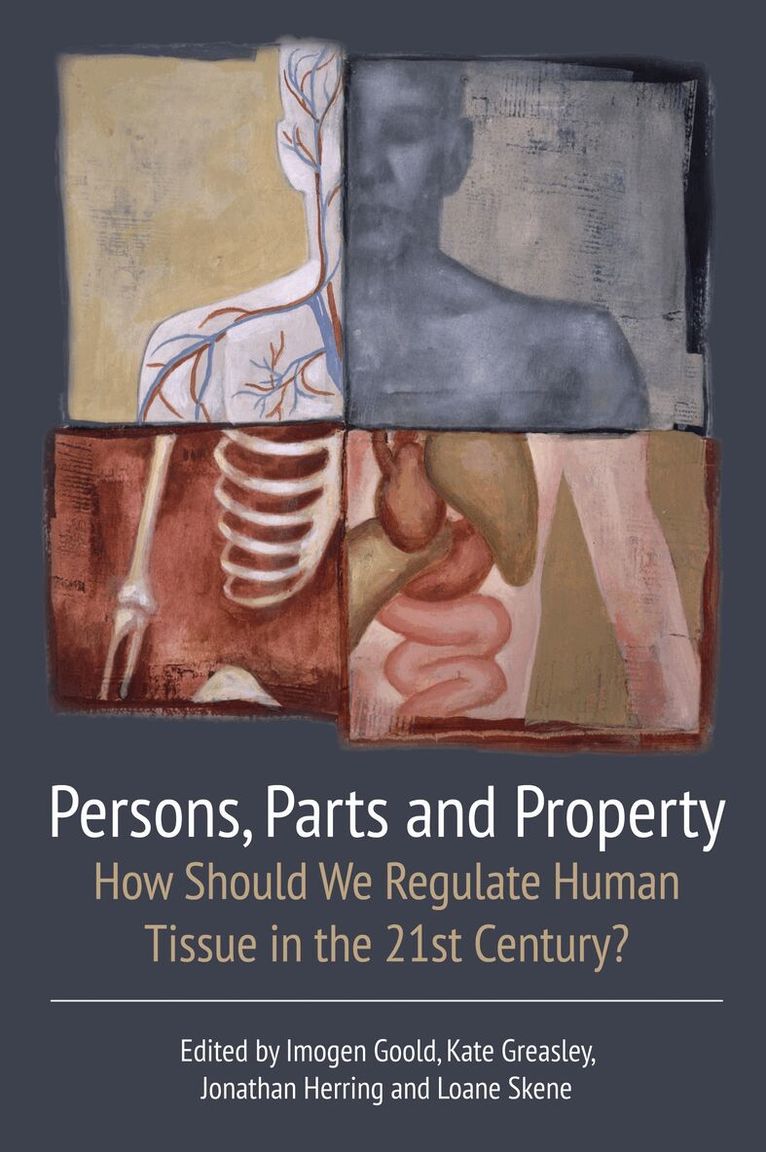
Persons, Parts and Property
How Should we Regulate Human Tissue in the 21st Century?
Av Imogen Goold, Kate Greasley m. fl.
Häftad, 2016
551 kr
Lägg i varukorg
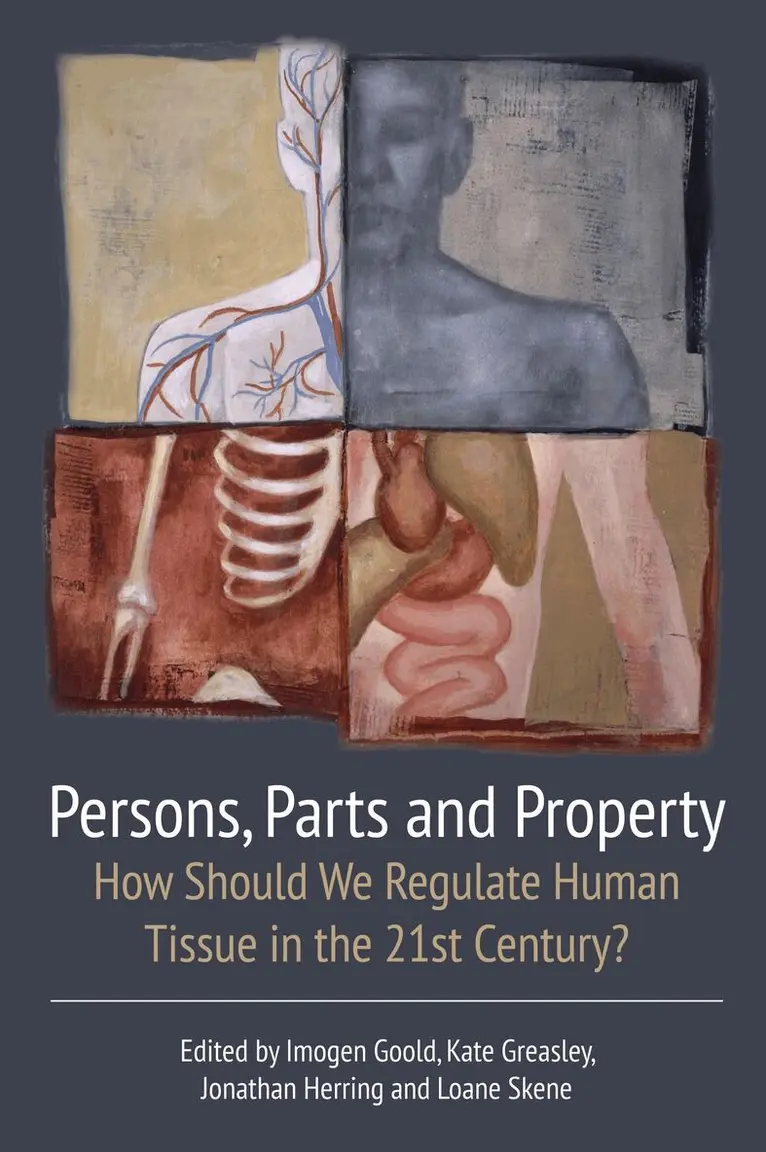
The debate over whether human bodies and their parts should be governed by the laws of property has accelerated with the pace of technological change. Having long held that a corpse could not be property, the common law first recognised that there could be a property interest in human tissue in …
Persons, Parts and Property
How Should We Regulate Human Tissue in the 21st Century?
Av Imogen Goold, Kate Greasley m. fl.
E-bok, 2014
602 kr
Lägg i varukorg
The debate over whether human bodies and their parts should be governed by the laws of property has accelerated with the pace of technological change. Having long held that a corpse could not be property, the common law first recognised that there could be a property interest in human tissue in …
Persons, Parts and Property
How Should We Regulate Human Tissue in the 21st Century?
Av Imogen Goold, Kate Greasley m. fl.
E-bok, 2014
602 kr
Lägg i varukorg
The debate over whether human bodies and their parts should be governed by the laws of property has accelerated with the pace of technological change. Having long held that a corpse could not be property, the common law first recognised that there could be a property interest in human tissue in …
Persons, Parts and Property
How Should we Regulate Human Tissue in the 21st Century?
Av Imogen Goold, Kate Greasley m. fl.
Inbunden, 2014
1302 kr
Lägg i varukorg
The debate over whether human bodies and their parts should be governed by the laws of property has accelerated with the pace of technological change. Having long held that a corpse could not be property, the common law first recognised that there could be a property interest in human tissue in …
Abortion Rights
For and Against
Av Christopher Kaczor, Kate Greasley
Ljudbok, 2023
894 kr
Lägg i varukorg
This audiobook features opening arguments followed by two rounds of reply between two moral philosophers on opposing sides of the abortion debate. In the opening essays, Kate Greasley and Christopher Kaczor lay out what they take to be the best case for and against abortion rights. In the ensuing …
Abortion Rights
For and Against
Av Christopher Kaczor, Kate Greasley
Ljudbok, 2023
298 kr
Lägg i varukorg
This audiobook features opening arguments followed by two rounds of reply between two moral philosophers on opposing sides of the abortion debate. In the opening essays, Kate Greasley and Christopher Kaczor lay out what they take to be the best case for and against abortion rights. In the ensuing …