Katherine D. Watson – författare
Visar alla böcker från författaren Katherine D. Watson. Handla med fri frakt och snabb leverans.
11 produkter
Forensic Medicine in Western Society
A History
Inbunden, 2010
2586 kr
Lägg i varukorg
The first book of its kind, Forensic Medicine in Western Society: A History draws on the most recent developments in the historiography, to provide an overview of the history of forensic medicine in the West from the medieval period to the present day. Taking an international, comparative …
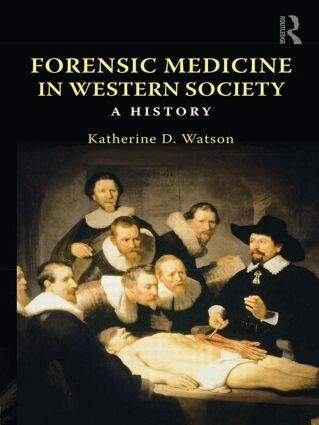
Forensic Medicine in Western Society
A History
Häftad, 2010
637 kr
Lägg i varukorg
The first book of its kind, Forensic Medicine in Western Society: A History draws on the most recent developments in the historiography, to provide an overview of the history of forensic medicine in the West from the medieval period to the present day. Taking an international, comparative …
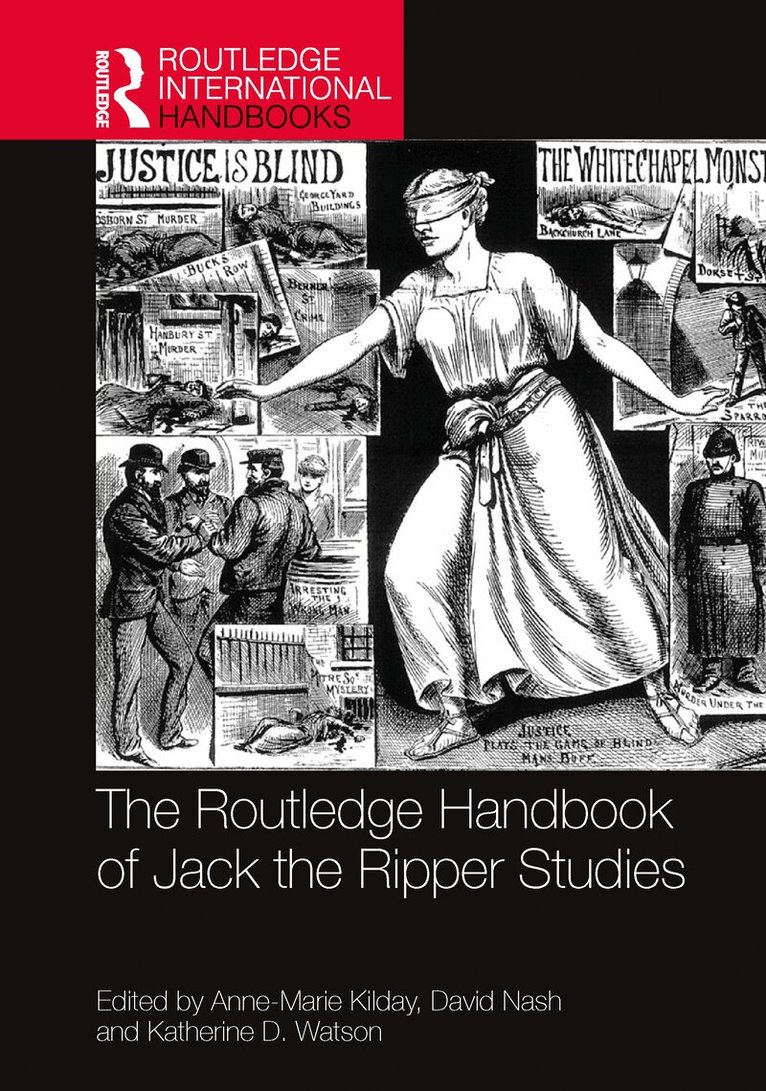
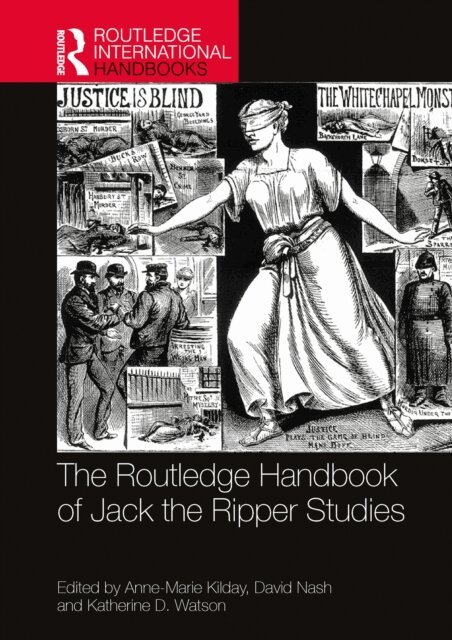
Routledge Handbook of Jack the Ripper Studies
Av Anne-Marie Kilday, David Nash m. fl.
Inbunden, 2025
3906 kr
Lägg i varukorg
In offering a holistic analysis of the vast array of evidence and literature pertaining to the Whitechapel Murders committed in London’s East End in the Autumn of 1888, this volume offers a multi-disciplinary and multi-dimensional consideration of the entirety of the most infamous of crimes and …
Routledge Handbook of Jack the Ripper Studies
Av Katherine D. Watson, David Nash m. fl.
E-bok, 2025
960 kr
Lägg i varukorg
In offering a holistic analysis of the vast array of evidence and literature pertaining to the Whitechapel Murders committed in London's East End in the Autumn of 1888, this volume offers a multi-disciplinary and multi-dimensional consideration of the entirety of the most infamous of crimes and …
Routledge Handbook of Jack the Ripper Studies
Av Katherine D. Watson, David Nash m. fl.
E-bok, 2025
960 kr
Lägg i varukorg
In offering a holistic analysis of the vast array of evidence and literature pertaining to the Whitechapel Murders committed in London's East End in the Autumn of 1888, this volume offers a multi-disciplinary and multi-dimensional consideration of the entirety of the most infamous of crimes and …
Forensic Medicine in Western Society
A History
E-bok, 2010
655 kr
Lägg i varukorg
The first book of its kind, Forensic Medicine in Western Society: A History draws on the most recent developments in the historiography, to provide an overview of the history of forensic medicine in the West from the medieval period to the present day. Taking an international, comparative …
Forensic Medicine in Western Society
A History
E-bok, 2010
669 kr
Lägg i varukorg
The first book of its kind, Forensic Medicine in Western Society: A History draws on the most recent developments in the historiography, to provide an overview of the history of forensic medicine in the West from the medieval period to the present day. Taking an international, comparative …
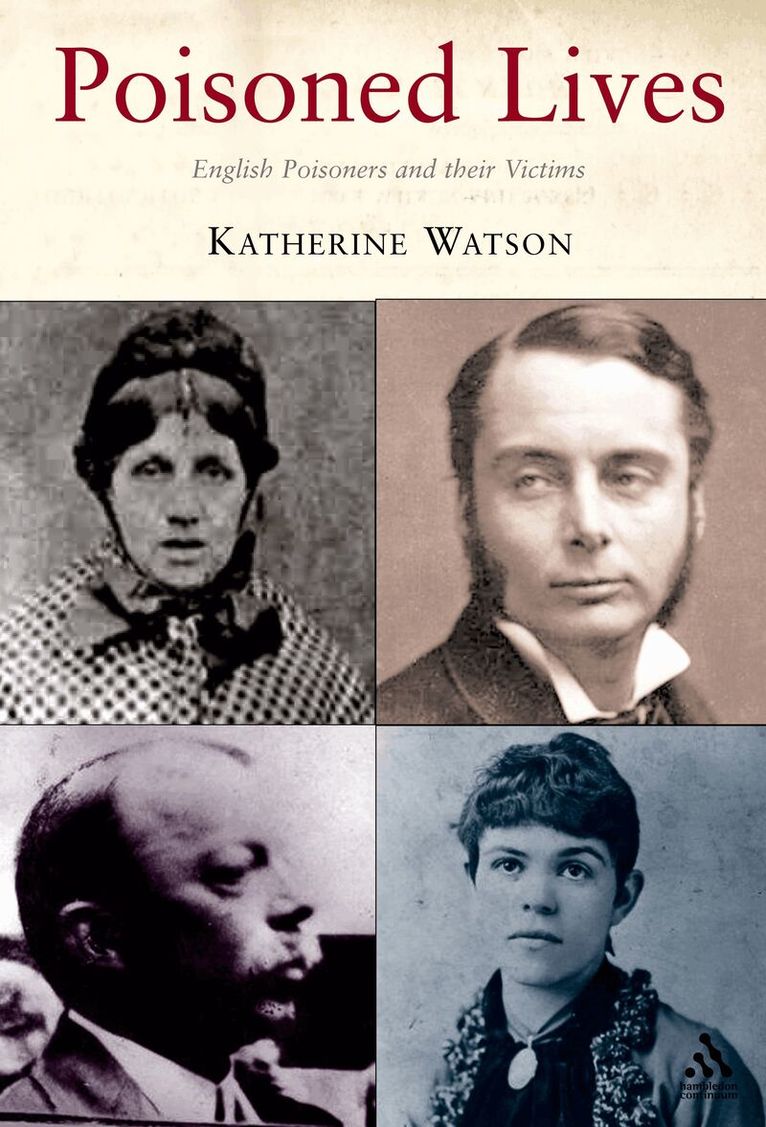
Poisoned Lives
English Poisoners and their Victims
Häftad, 2006
518 kr
Lägg i varukorg
From Mary Ann Cotton, the Victorian serial murderess, to Dr Crippen, poisoners have attracted a celebrity unmatched by violent killers. Secretly administered, often during a family meal, arsenic (the most commonly-used poison) led to a slow and agonising death, while strychnine (with its …
Acid Attacks in Britain, 1760–1975
Inbunden, 2023
571 kr
Lägg i varukorg
This Palgrave Pivot examines the history of the largely urban offence once known as vitriol throwing because the substance most commonly used was strong sulphuric acid, oil of vitriol. A relatively rare form of assault, it was motivated largely by revenge or jealousy and, because it was …
Acid Attacks in Britain, 1760-1975
E-bok, 2023
755 kr
Lägg i varukorg
This Palgrave Pivot examines the history of the largely urban offence once known as vitriol throwing because the substance most commonly used was strong sulphuric acid, oil of vitriol. A relatively rare form of assault, it was motivated largely by revenge or jealousy and, because it was …
Acid Attacks in Britain, 1760–1975
Häftad, 2024
571 kr
Lägg i varukorg
This Palgrave Pivot examines the history of the largely urban offence once known as vitriol throwing because the substance most commonly used was strong sulphuric acid, oil of vitriol. A relatively rare form of assault, it was motivated largely by revenge or jealousy and, because it was …