Katherine T. Brown – författare
Visar alla böcker från författaren Katherine T. Brown. Handla med fri frakt och snabb leverans.
10 produkter
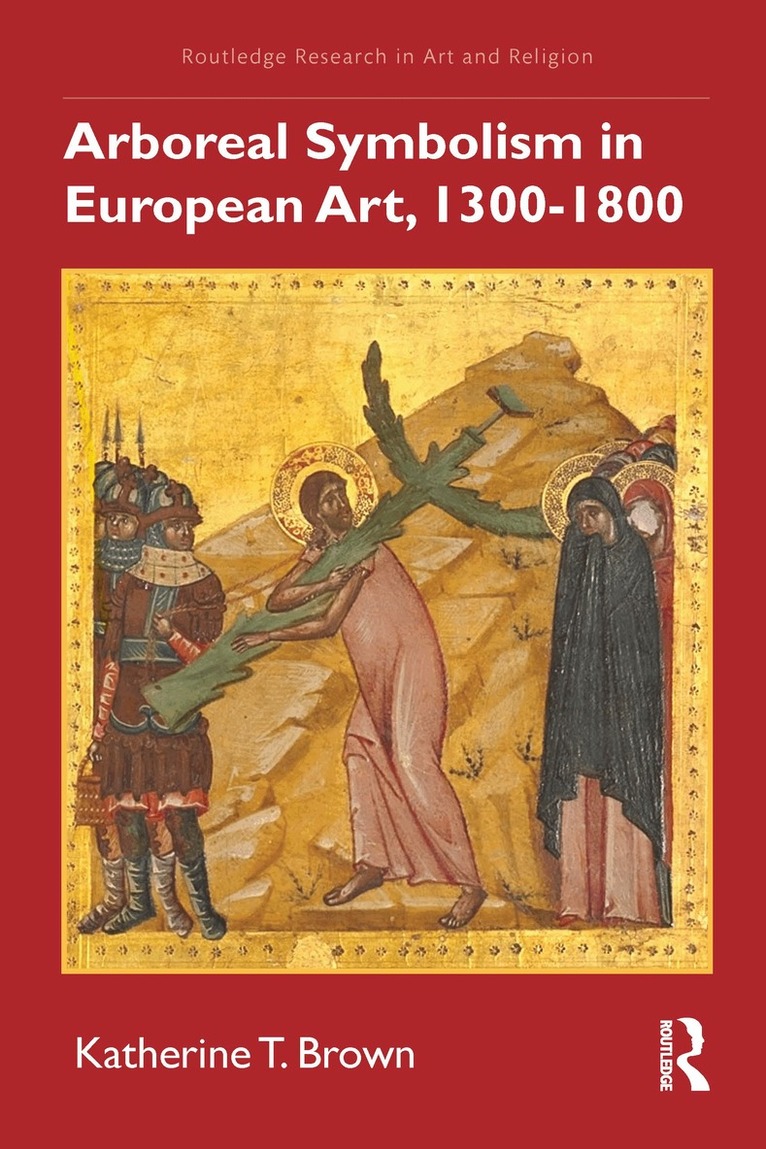
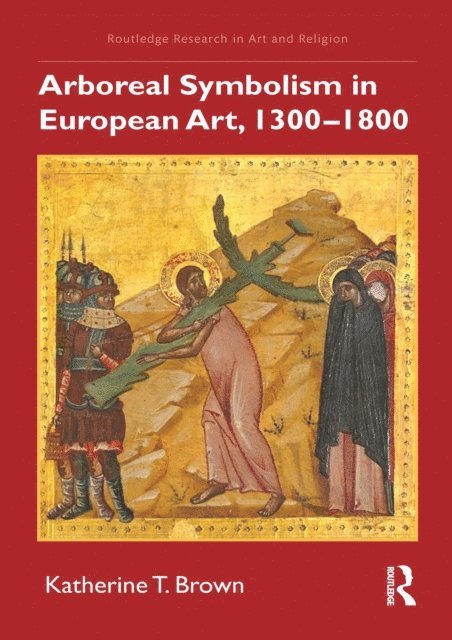
Arboreal Symbolism in European Art, 1300–1800
Häftad, 2026
729 kr
Lägg i varukorg
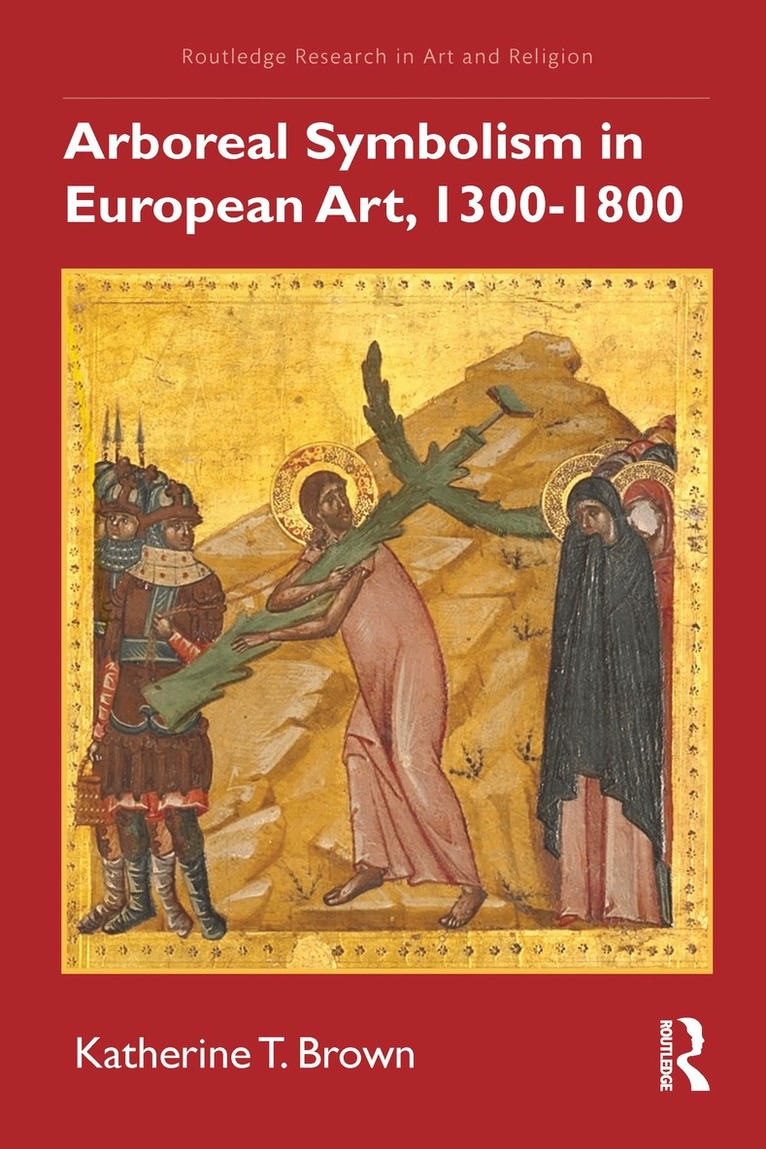
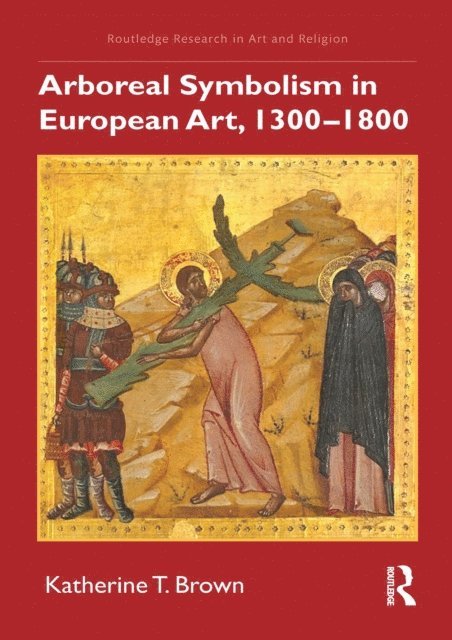
Arboreal Symbolism in European Art, 1300–1800 probes the significance of trees in religious iconography of Western art.Based in the disciplines of art history, botany, and theology, this study focuses on selected works of art in which tree forms embody and reflect Christian themes. Through this …
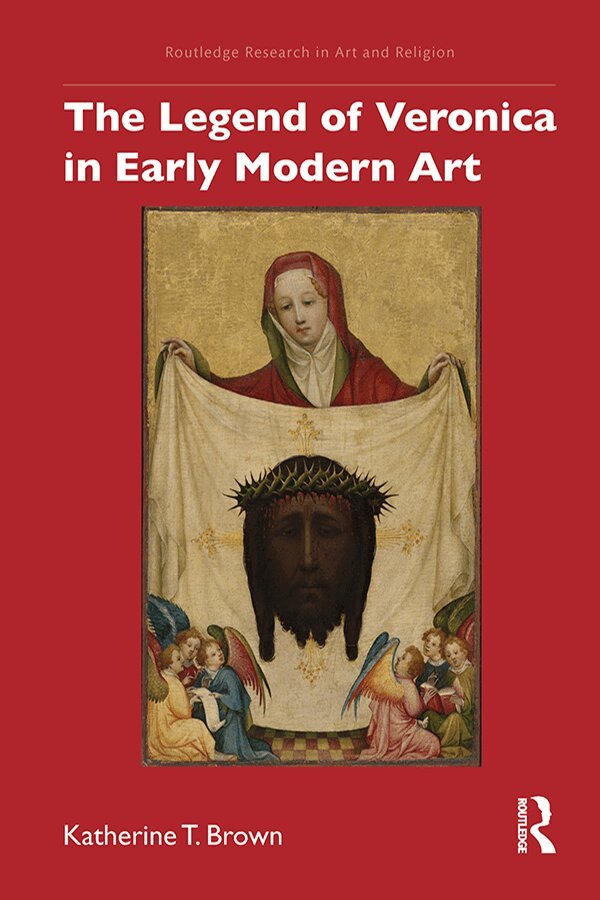
Legend of Veronica in Early Modern Art
Inbunden, 2020
2594 kr
Lägg i varukorg
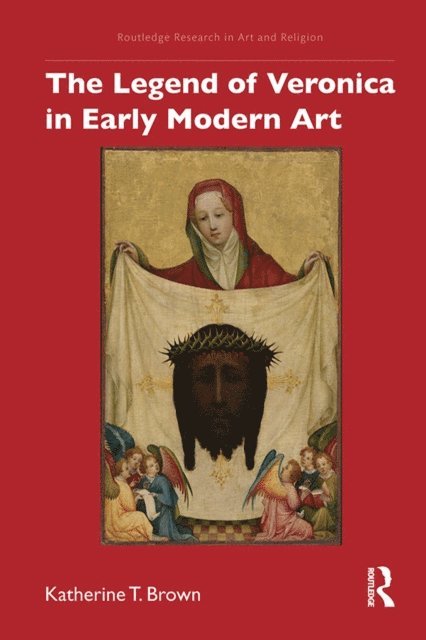
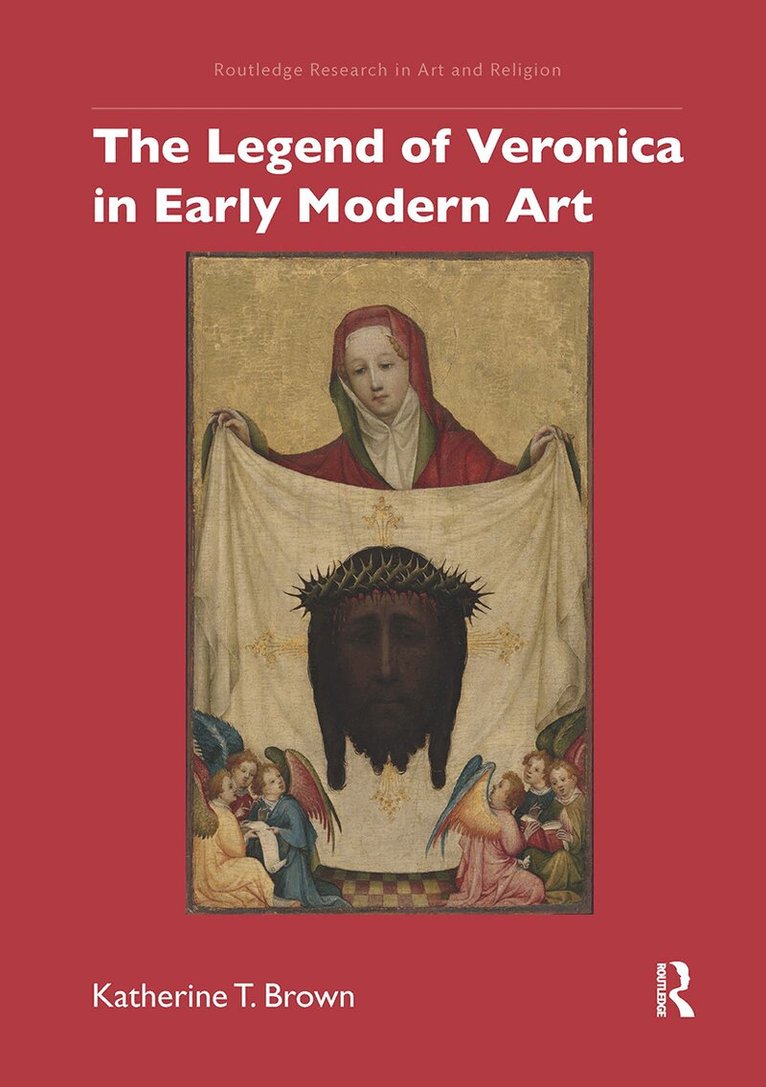
In The Legend of Veronica in Early Modern Art, Katherine T. Brown explores the lore of the apocryphal character of Veronica and the history of the “true image” relic as factors in the Franciscans’ placement of her character into the Via Crucis (Way of the Cross) as the Sixth Station, in both …
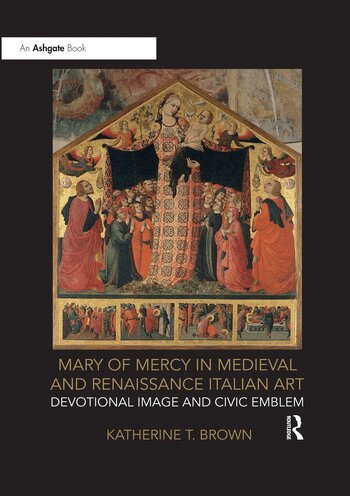
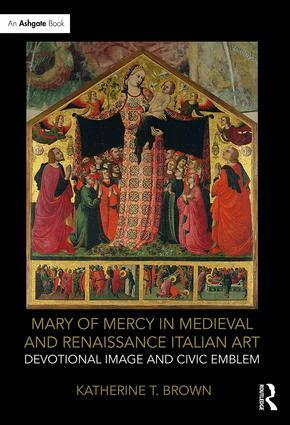
Mary of Mercy in Medieval and Renaissance Italian Art
Devotional image and civic emblem
Häftad, 2020
708 kr
Lägg i varukorg
Mater Misericordiae—Mother of Mercy—emerged as one of the most prolific subjects in central Italian art from the late thirteenth through the sixteenth centuries. With iconographic origins in Marian cult relics brought from Palestine to Constantinople in the fifth century, the amalgam of attributes …
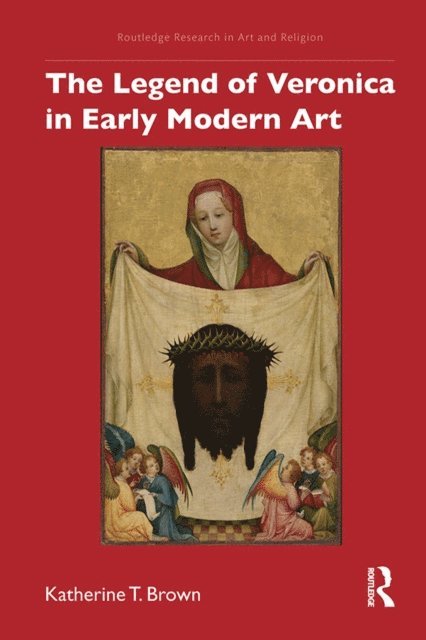
Legend of Veronica in Early Modern Art
E-bok, 2020
762 kr
Lägg i varukorg
In The Legend of Veronica in Early Modern Art , Katherine T. Brown explores the lore of the apocryphal character of Veronica and the history of the “true image” relic as factors in the Franciscans’ placement of her character into the Via Crucis (Way of the Cross) as the Sixth Station, in both …
Legend of Veronica in Early Modern Art
E-bok, 2020
762 kr
Lägg i varukorg
In The Legend of Veronica in Early Modern Art , Katherine T. Brown explores the lore of the apocryphal character of Veronica and the history of the “true image” relic as factors in the Franciscans’ placement of her character into the Via Crucis (Way of the Cross) as the Sixth Station, in both …
Arboreal Symbolism in European Art, 1300–1800
Inbunden, 2024
2594 kr
Lägg i varukorg
Arboreal Symbolism in European Art, 1300–1800 probes the significance of trees in religious iconography of Western art.Based in the disciplines of art history, botany, and theology, this study focuses on selected works of art in which tree forms embody and reflect Christian themes. Through this …
Legend of Veronica in Early Modern Art
Häftad, 2024
669 kr
Lägg i varukorg
In The Legend of Veronica in Early Modern Art, Katherine T. Brown explores the lore of the apocryphal character of Veronica and the history of the “true image” relic as factors in the Franciscans’ placement of her character into the Via Crucis (Way of the Cross) as the Sixth Station, in both …
Arboreal Symbolism in European Art, 1300-1800
E-bok, 2024
838 kr
Lägg i varukorg
Arboreal Symbolism in European Art, 1300–1800 probes the significance of trees in religious iconography of Western art. Based in the disciplines of art history, botany, and theology, this study focuses on selected works of art in which tree forms embody and reflect Christian themes. Through this …
Arboreal Symbolism in European Art, 1300-1800
E-bok, 2024
838 kr
Lägg i varukorg
Arboreal Symbolism in European Art, 1300–1800 probes the significance of trees in religious iconography of Western art. Based in the disciplines of art history, botany, and theology, this study focuses on selected works of art in which tree forms embody and reflect Christian themes. Through this …
Mary of Mercy in Medieval and Renaissance Italian Art
Devotional image and civic emblem
Inbunden, 2016
2752 kr
Lägg i varukorg
Mater Misericordiae—Mother of Mercy—emerged as one of the most prolific subjects in central Italian art from the late thirteenth through the sixteenth centuries. With iconographic origins in Marian cult relics brought from Palestine to Constantinople in the fifth century, the amalgam of attributes …