Katherine Zien – författare
Visar alla böcker från författaren Katherine Zien. Handla med fri frakt och snabb leverans.
4 produkter
4 produkter
2 430 kr
Skickas inom 10-15 vardagar
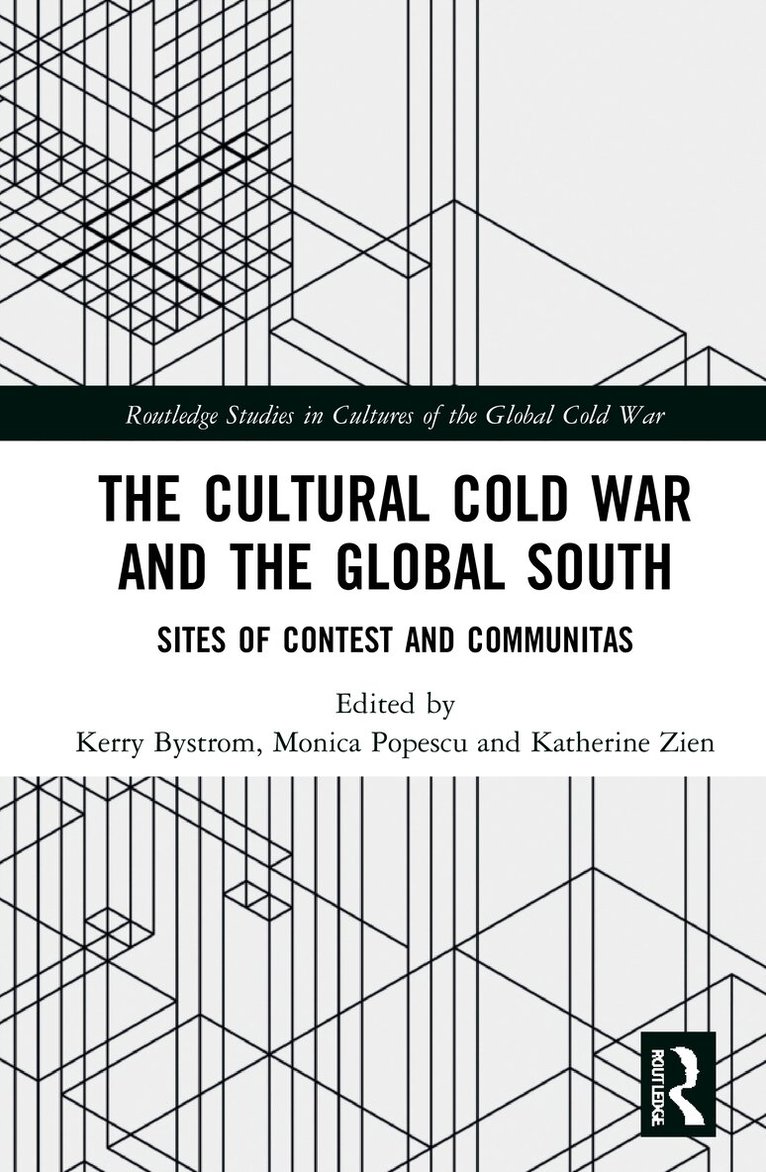
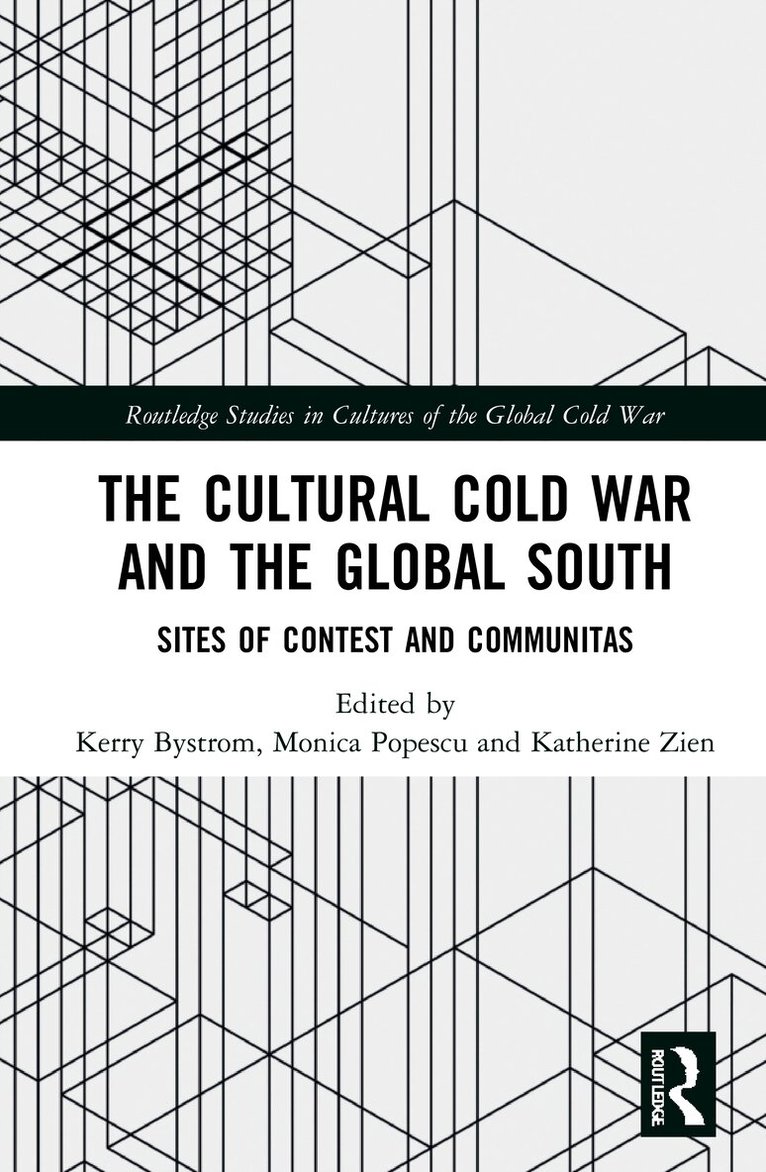
This volume investigates the cultural sites where the global Cold War played out. It brings to view unpredictable encounters that arose as writers, artists, filmmakers, and intellectuals from or aligned with the Third World navigated the ideological and material constraints set by superpowers and emerging regional powers. Often these encounters generated communitas and solidarity, while at times they fed old and new conflicts. Pushing forward recent scholarship that tracks the Cold War in the Global South and draws on postcolonial approaches, our contributors use archival, secondary, and ethnographic sources to trace the afterlives and memories of key figures and to explore meetings that performed cultural diplomacy. Our focus on sites of encounter or exchange underscores the situated, interpersonal, and embodied dimensions through which much of the cultural Cold War was experienced. While the global conflict divided citizens along ideological fault lines, it also linked people through circulating media—novels, film, posters, journals, and theatre—and multinational conferences that brought artists, intellectuals, and political activists together. Such contacts introduced new axes of solidarity and hierarchies of exclusion. Examining these connections and disjunctures, this new and necessary mapping of the cultural Cold War highlights under-addressed locations in Asia, Africa, and Latin America.
595 kr
Skickas inom 10-15 vardagar
This volume investigates the cultural sites where the global Cold War played out. It brings to view unpredictable encounters that arose as writers, artists, filmmakers, and intellectuals from or aligned with the Third World navigated the ideological and material constraints set by superpowers and emerging regional powers. Often these encounters generated communitas and solidarity, while at times they fed old and new conflicts. Pushing forward recent scholarship that tracks the Cold War in the Global South and draws on postcolonial approaches, our contributors use archival, secondary, and ethnographic sources to trace the afterlives and memories of key figures and to explore meetings that performed cultural diplomacy. Our focus on sites of encounter or exchange underscores the situated, interpersonal, and embodied dimensions through which much of the cultural Cold War was experienced. While the global conflict divided citizens along ideological fault lines, it also linked people through circulating media—novels, film, posters, journals, and theatre—and multinational conferences that brought artists, intellectuals, and political activists together. Such contacts introduced new axes of solidarity and hierarchies of exclusion. Examining these connections and disjunctures, this new and necessary mapping of the cultural Cold War highlights under-addressed locations in Asia, Africa, and Latin America.
Bodies on the Front Lines
Performance, Gender, and Sexuality in Latin America and the Caribbean
Häftad, Engelska, 2024
489 kr
Skickas inom 7-10 vardagar
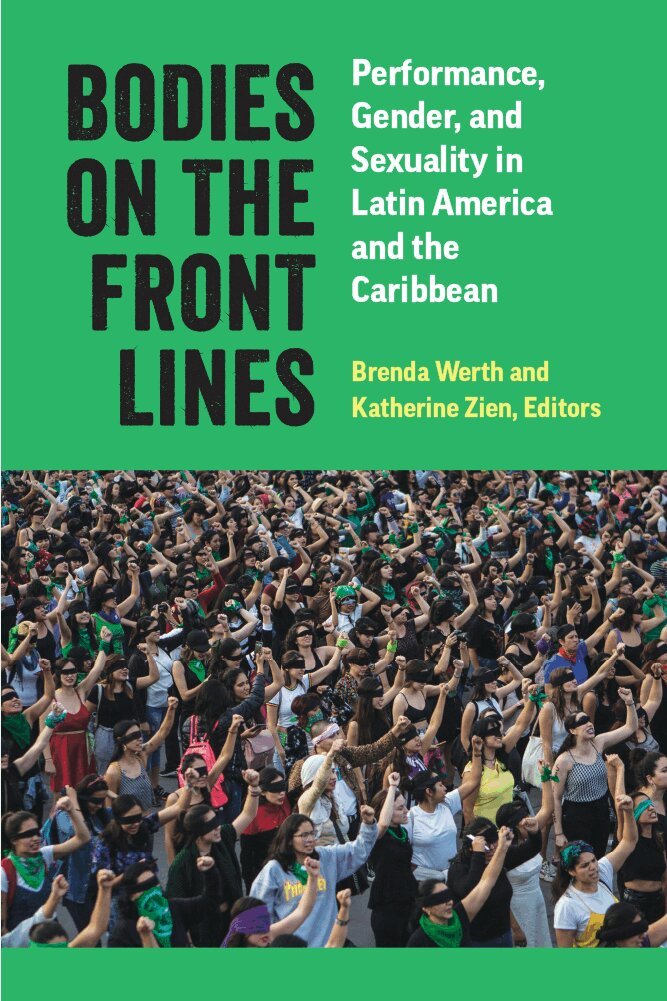
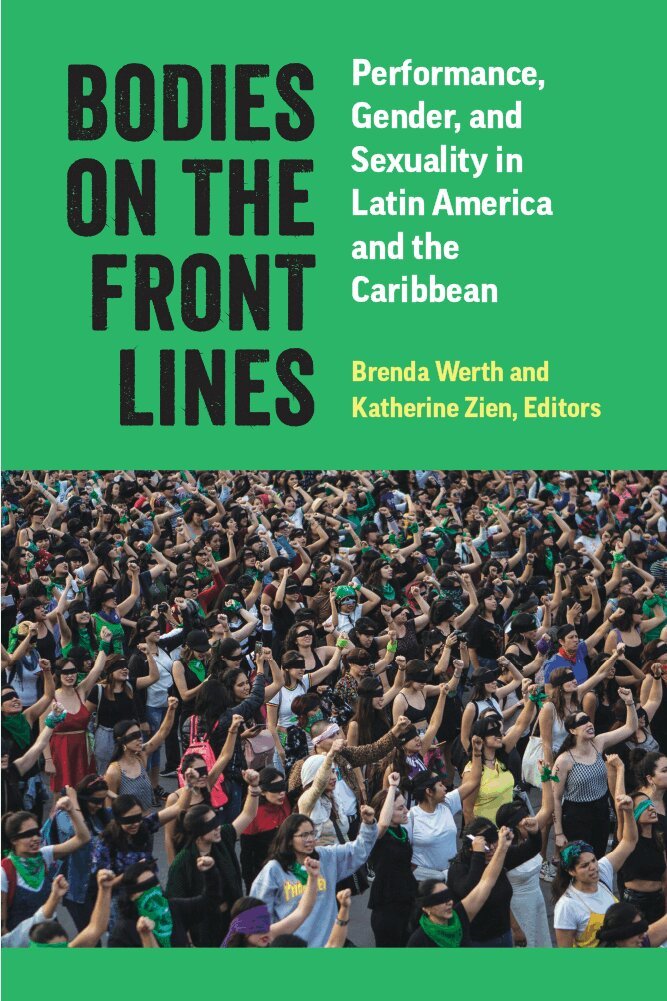
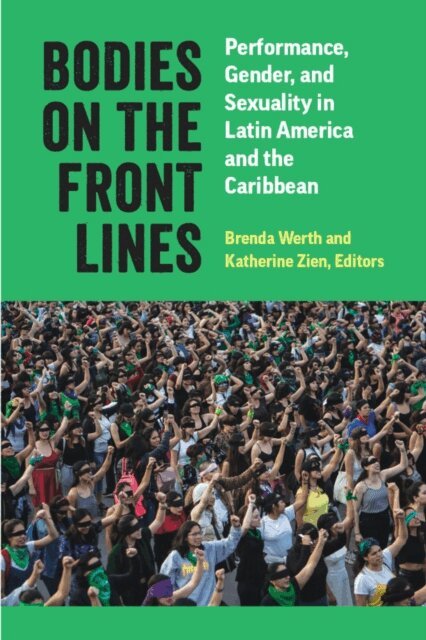
Revolutionary feminism, queer, and trans activist movements are traversing Latin America and the Caribbean. Bodies on the Front Lines situates recent performances and protests within legacies of homegrown gender and sexual rights activism from the South. Performances—enacted in public spaces and intimate venues, across national borders, and through circulating hashtags and digital media—play crucial roles in the elaboration, auto-theorization, translation, and reception of feminist, queer, and trans activism. Movements such as Argentina's NiUnaMenos (Not One Less) have brought masses of protesters and “artivists” on the streets of major cities in Latin America and beyond to denounce gender violence and demand gender, sexual, and reproductive rights. The volume’s contributors draw from rich legacies of theater, performance, and activism in the region, as well as decolonial and intersectional theorizing, to demonstrate the ways that performance practices enable activists to sustain their movements. The chapters engage diverse perspectives from Argentina, Brazil, Bolivia, Chile, Colombia, Cuba, the Dominican Republic, transnational Central America, Peru, Puerto Rico, and Mexico. Rather than taking an approach that simplifies complexities among states, Bodies on the Front Lines takes seriously the geopolitical stakes of examining Latin America and the Caribbean as a heterogeneous site of nations and networks. In chapters covering this wide geographical area, leading scholars in the fields of theater and performance studies showcase the aesthetic, social, and political work of performance in generating and fortifying gender and sexual activism in the Americas.
Bodies on the Front Lines
Performance, Gender, and Sexuality in Latin America and the Caribbean
Inbunden, Engelska, 2024
1 293 kr
Skickas inom 7-10 vardagar
Revolutionary feminism, queer, and trans activist movements are traversing Latin America and the Caribbean. Bodies on the Front Lines situates recent performances and protests within legacies of homegrown gender and sexual rights activism from the South. Performances—enacted in public spaces and intimate venues, across national borders, and through circulating hashtags and digital media—play crucial roles in the elaboration, auto-theorization, translation, and reception of feminist, queer, and trans activism. Movements such as Argentina's NiUnaMenos (Not One Less) have brought masses of protesters and “artivists” on the streets of major cities in Latin America and beyond to denounce gender violence and demand gender, sexual, and reproductive rights. The volume’s contributors draw from rich legacies of theater, performance, and activism in the region, as well as decolonial and intersectional theorizing, to demonstrate the ways that performance practices enable activists to sustain their movements. The chapters engage diverse perspectives from Argentina, Brazil, Bolivia, Chile, Colombia, Cuba, the Dominican Republic, transnational Central America, Peru, Puerto Rico, and Mexico. Rather than taking an approach that simplifies complexities among states, Bodies on the Front Lines takes seriously the geopolitical stakes of examining Latin America and the Caribbean as a heterogeneous site of nations and networks. In chapters covering this wide geographical area, leading scholars in the fields of theater and performance studies showcase the aesthetic, social, and political work of performance in generating and fortifying gender and sexual activism in the Americas.