Kathleen Auerhahn – författare
Visar alla böcker från författaren Kathleen Auerhahn. Handla med fri frakt och snabb leverans.
4 produkter
4 produkter
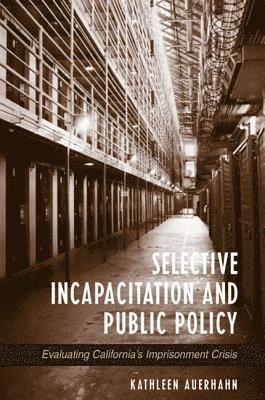
Selective Incapacitation and Public Policy
Evaluating California's Imprisonment Crisis
Inbunden, Engelska, 2003
1 057 kr
Tillfälligt slut
Using cutting-edge methodologies, this book evaluates California's measures to protect the public from dangerous criminals.From the 1970s to the new millennium, the prison population in the United States has quadrupled while an unprecedented amount of sentencing reform has taken place, largely intended to protect the public from dangerous criminals. This book details the California experience, including the history and politics of criminal sentencing policy reform, as well as the consequences of this activity to the criminal justice system. Using cutting-edge computer simulation modeling, Kathleen Auerhahn explores the impact that sentencing reforms dating back to the 1970s have had on the composition and structure of the criminal justice system, with specific focus on prison populations. She illustrates how dynamic systems simulation modeling is used to both examine "possible futures" under a variety of sentencing structures and sentencing policy alternatives, including narrowing "strike zones" and the early release of elderly offenders, in order to more effectively target the dangerous criminals these policies promise to remove from society via incarceration.
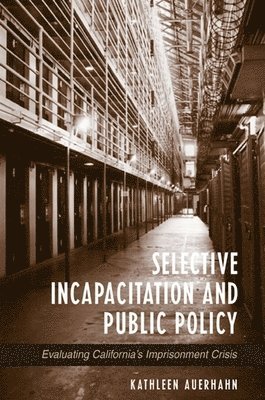
Selective Incapacitation and Public Policy
Evaluating California's Imprisonment Crisis
Häftad, Engelska, 2003
382 kr
Tillfälligt slut
Using cutting-edge methodologies, this book evaluates California's measures to protect the public from dangerous criminals.From the 1970s to the new millennium, the prison population in the United States has quadrupled while an unprecedented amount of sentencing reform has taken place, largely intended to protect the public from dangerous criminals. This book details the California experience, including the history and politics of criminal sentencing policy reform, as well as the consequences of this activity to the criminal justice system. Using cutting-edge computer simulation modeling, Kathleen Auerhahn explores the impact that sentencing reforms dating back to the 1970s have had on the composition and structure of the criminal justice system, with specific focus on prison populations. She illustrates how dynamic systems simulation modeling is used to both examine "possible futures" under a variety of sentencing structures and sentencing policy alternatives, including narrowing "strike zones" and the early release of elderly offenders, in order to more effectively target the dangerous criminals these policies promise to remove from society via incarceration.
323 kr
Skickas inom 7-10 vardagar
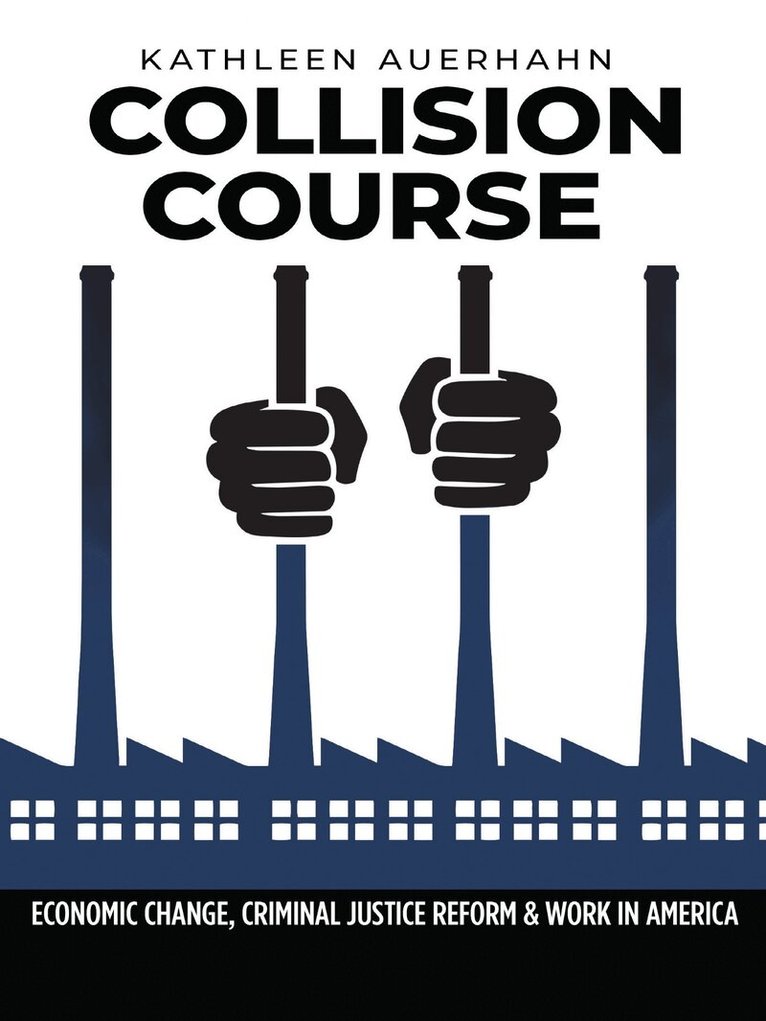
This book is about the convergence of trends in two American institutions – the economy and the criminal justice system. The American economy has radically transformed in the past half-century, led by advances in automation technology that have permanently altered labor market dynamics. Over the same period, the U.S. criminal justice system experienced an unprecedented expansion at great cost. These costs include not only the $80 billion annually in direct expenditures on criminal justice, but also the devastating impacts experienced by justice-involved individuals, families, and communities. Recently, a widespread consensus has emerged that the era of "mass incarceration" is at an end, reflected in a declining prison population. Criminal justice reforms such as diversion and problem-solving courts, a renewed focus on reentry, and drug policy reform have as their goal keeping more individuals with justice system involvement out of prisons, in the community and subsequently in the labor force, which lacks the capacity to accommodate these additional would-be workers. This poses significant problems for criminal justice practice, which relies heavily on employment as a signal of offenders' intentions to live a law-abiding lifestyle. The diminished capacity of the economy to utilize the labor of all who have historically been expected to work presents significant challenges for American society. Work, in the American ethos is the marker of success, masculinity and how one "contributes to society." What are the consequences of ignoring these converging structural trends? This book examines these potential consequences, the meaning of work in American society, and suggests alternative redistributive and policy solutions to avert the collision course of these economic and criminal justice policy trends.
Collision Course
Economic Change, Criminal Justice Reform, and Work in America
Inbunden, Engelska, 2022
1 589 kr
Skickas inom 7-10 vardagar
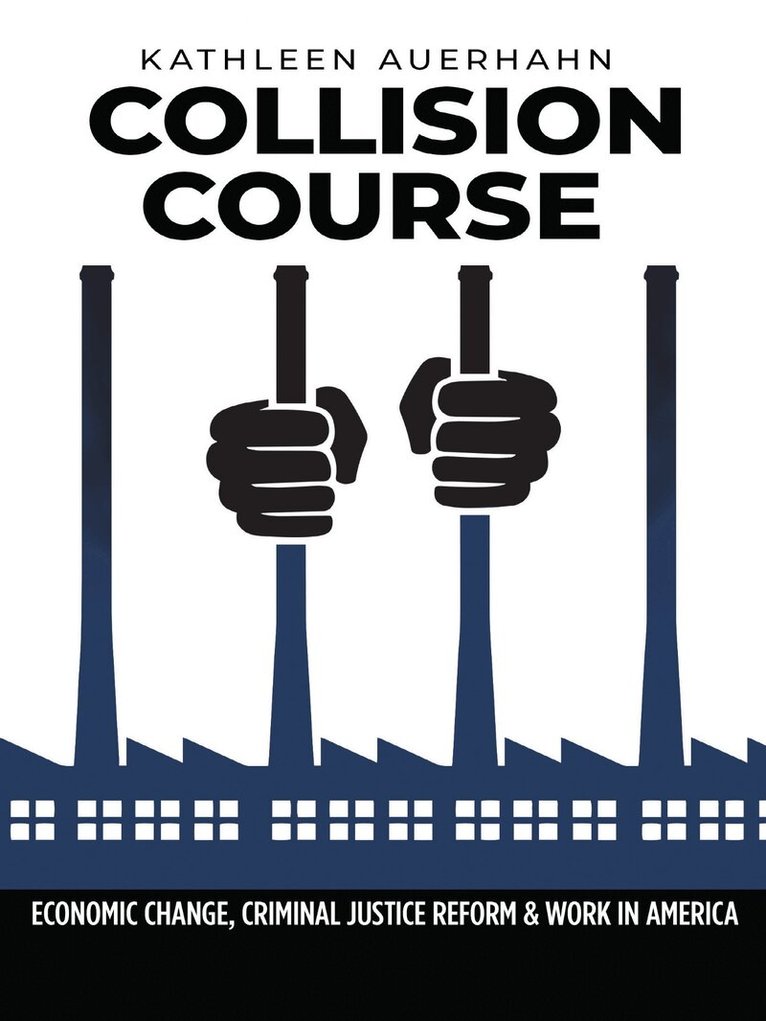
This book is about the convergence of trends in two American institutions – the economy and the criminal justice system. The American economy has radically transformed in the past half-century, led by advances in automation technology that have permanently altered labor market dynamics. Over the same period, the U.S. criminal justice system experienced an unprecedented expansion at great cost. These costs include not only the $80 billion annually in direct expenditures on criminal justice, but also the devastating impacts experienced by justice-involved individuals, families, and communities. Recently, a widespread consensus has emerged that the era of "mass incarceration" is at an end, reflected in a declining prison population. Criminal justice reforms such as diversion and problem-solving courts, a renewed focus on reentry, and drug policy reform have as their goal keeping more individuals with justice system involvement out of prisons, in the community and subsequently in the labor force, which lacks the capacity to accommodate these additional would-be workers. This poses significant problems for criminal justice practice, which relies heavily on employment as a signal of offenders' intentions to live a law-abiding lifestyle. The diminished capacity of the economy to utilize the labor of all who have historically been expected to work presents significant challenges for American society. Work, in the American ethos is the marker of success, masculinity and how one "contributes to society." What are the consequences of ignoring these converging structural trends? This book examines these potential consequences, the meaning of work in American society, and suggests alternative redistributive and policy solutions to avert the collision course of these economic and criminal justice policy trends.