Kathleen L. Sheppard – författare
Visar alla böcker från författaren Kathleen L. Sheppard. Handla med fri frakt och snabb leverans.
16 produkter
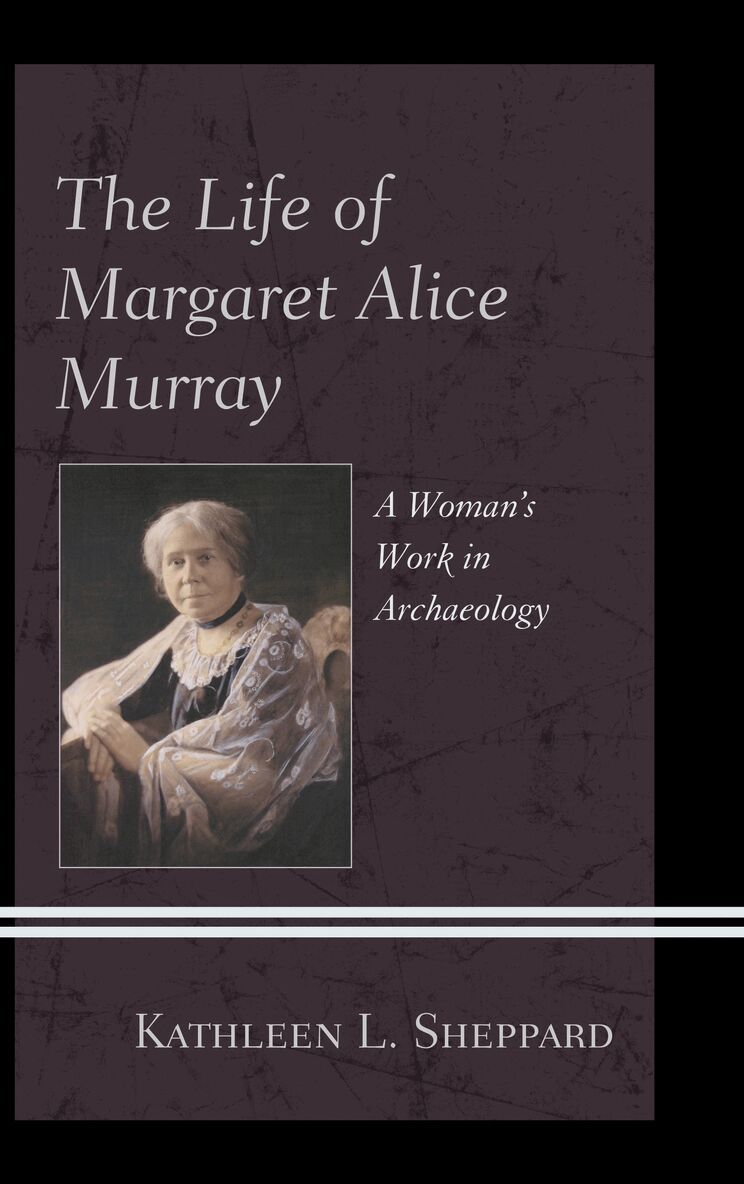
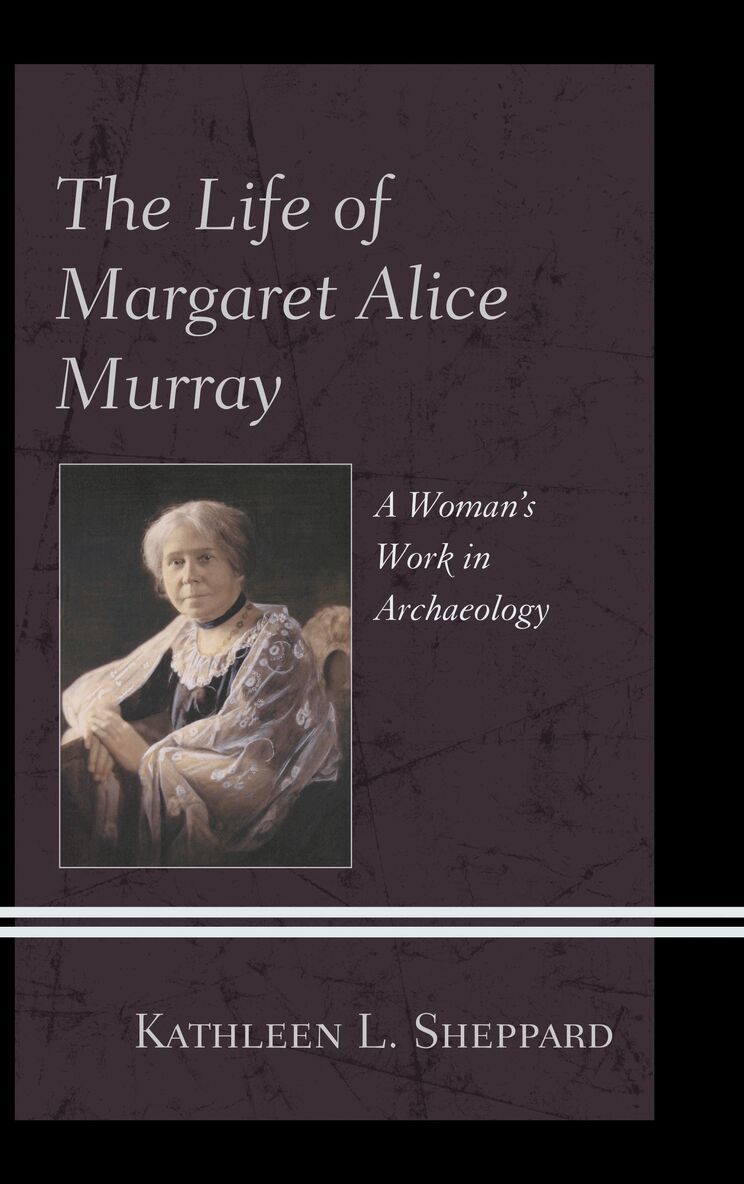
Life of Margaret Alice Murray
A Woman’s Work in Archaeology
Inbunden, 2013
1502 kr
Lägg i varukorg
The Life of Margaret Alice Murray: A Woman’s Work in Archaeology is the first book-length biography of Margaret Alice Murray (1863–1963), one of the first women to practice archeology. Despite Murray’s numerous professional successes, her career has received little attention because she has been …
British Egyptology in the Nineteenth Century
2026
8259 kr
Lägg i varukorg
Egyptology saw its birth as a science during the latter part of the nineteenth century, even though Westerners had been traveling there for millennia. These volumes will present several foundational texts of the discipline in this crucial century, showing throughout each volume the slow, and not …
British Egyptology in the Nineteenth Century
Volume I: Foundational Texts
E-bok, 2026
2373 kr
Lägg i varukorg
Throughout the professionalization of Egyptology in the nineteenth century, there were several debates that raged: the purpose of the pyramids, and who built them; the meaning of hieroglyphs; the styling of statues and artwork on tomb and temple walls; and the history of ancient Egypt, especially …
British Egyptology in the Nineteenth Century
Volume II: Travel Writing
E-bok, 2026
2425 kr
Lägg i varukorg
While there had technically been people studying the ancient Egyptian world since around 400 BCE, the first Western scholars arrived in Egypt the medieval period. It was in 1798 though that the French under Napoleon invaded Egypt not only with an army of soldiers but with an army of scholars, which …
British Egyptology in the Nineteenth Century
Volume I: Foundational Texts
E-bok, 2026
2373 kr
Lägg i varukorg
Throughout the professionalization of Egyptology in the nineteenth century, there were several debates that raged: the purpose of the pyramids, and who built them; the meaning of hieroglyphs; the styling of statues and artwork on tomb and temple walls; and the history of ancient Egypt, especially …
British Egyptology in the Nineteenth Century
Volume II: Travel Writing
E-bok, 2026
2425 kr
Lägg i varukorg
While there had technically been people studying the ancient Egyptian world since around 400 BCE, the first Western scholars arrived in Egypt the medieval period. It was in 1798 though that the French under Napoleon invaded Egypt not only with an army of soldiers but with an army of scholars, which …
British Egyptology in the Nineteenth Century
Volume III: Museums
E-bok, 2026
1911 kr
Lägg i varukorg
The earliest collections of Egyptian artifacts were those pieces taken by the Roman empire. There are more Egyptian obelisks in Rome today than there are left in Egypt. In the nineteenth century, British collections were built by the same people whose work comprises volume two. They began as …
British Egyptology in the Nineteenth Century
Volume IV: Mania
E-bok, 2026
2708 kr
Lägg i varukorg
As the general public in Britain read about Egypt's history, visited collections, and viewed the material remains of a past that had not yet been uncovered by Western scholars, the mysterious nature of Egypt's past became fertile ground for literary imaginations. Called Egyptomania by some …
British Egyptology in the Nineteenth Century
Volume III: Museums
E-bok, 2026
2373 kr
Lägg i varukorg
The earliest collections of Egyptian artifacts were those pieces taken by the Roman empire. There are more Egyptian obelisks in Rome today than there are left in Egypt. In the nineteenth century, British collections were built by the same people whose work comprises volume two. They began as …
British Egyptology in the Nineteenth Century
Volume IV: Mania
E-bok, 2026
2649 kr
Lägg i varukorg
As the general public in Britain read about Egypt's history, visited collections, and viewed the material remains of a past that had not yet been uncovered by Western scholars, the mysterious nature of Egypt's past became fertile ground for literary imaginations. Called Egyptomania by some …
British Egyptology in the Nineteenth Century
Volume I: Foundational Texts
Inbunden, 2026
2190 kr
Lägg i varukorg
Throughout the professionalization of Egyptology in the nineteenth century, there were several debates that raged: the purpose of the pyramids, and who built them; the meaning of hieroglyphs; the styling of statues and artwork on tomb and temple walls; and the history of ancient Egypt, especially …
British Egyptology in the Nineteenth Century
Volume II: Travel Writing
Inbunden, 2026
2190 kr
Lägg i varukorg
While there had technically been people studying the ancient Egyptian world since around 400 BCE, the first Western scholars arrived in Egypt the medieval period. It was in 1798 though that the French under Napoleon invaded Egypt not only with an army of soldiers but with an army of scholars, which …
British Egyptology in the Nineteenth Century
Volume III: Museums
Inbunden, 2026
2190 kr
Lägg i varukorg
The earliest collections of Egyptian artifacts were those pieces taken by the Roman empire. There are more Egyptian obelisks in Rome today than there are left in Egypt. In the nineteenth century, British collections were built by the same people whose work comprises volume two. They began as …
British Egyptology in the Nineteenth Century
Volume IV: Mania
Inbunden, 2026
2190 kr
Lägg i varukorg
As the general public in Britain read about Egypt’s history, visited collections, and viewed the material remains of a past that had not yet been uncovered by Western scholars, the mysterious nature of Egypt’s past became fertile ground for literary imaginations. Called Egyptomania by some …
Life of Margaret Alice Murray
A Woman’s Work in Archaeology
Häftad, 2017
5,0 utav 5 stjärnor. Totalt antal röster: (1)
830 kr
Lägg i varukorg
The Life of Margaret Alice Murray: A Woman’s Work in Archaeology is the first book-length biography of Margaret Alice Murray (1863–1963), one of the first women to practice archeology. Despite Murray’s numerous professional successes, her career has received little attention because she has been …
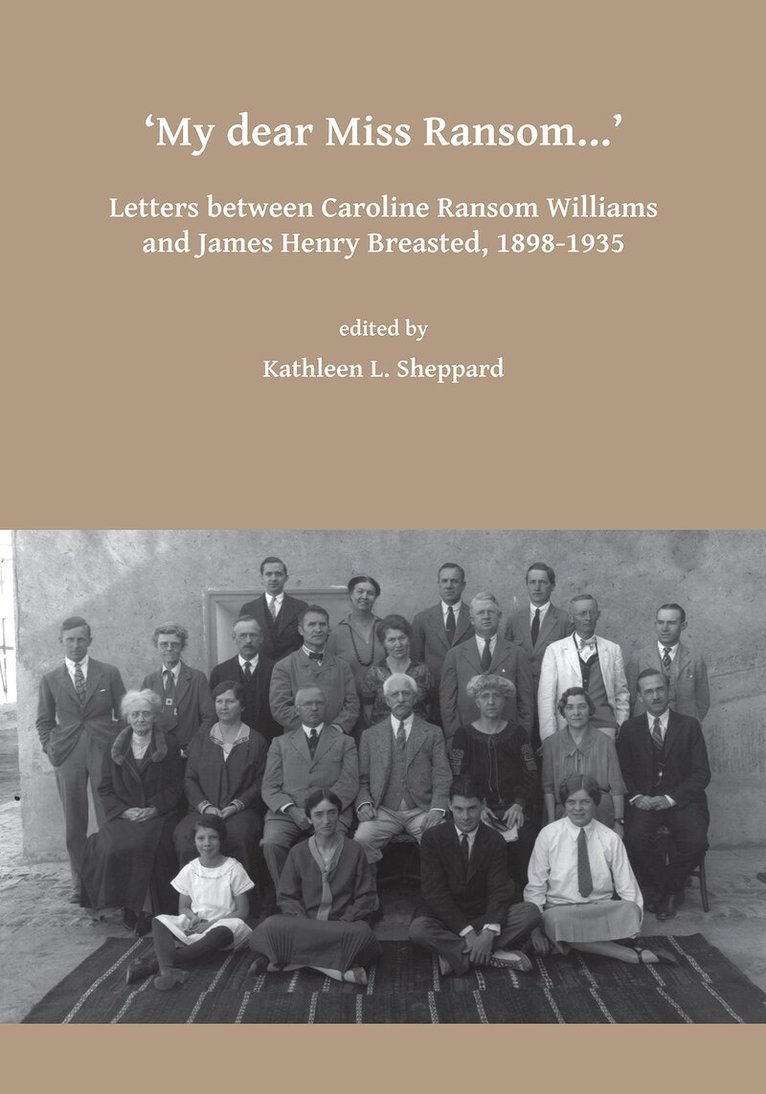
My dear Miss Ransom: Letters between Caroline Ransom Williams and James Henry Breasted, 1898-1935
Häftad, 2018
397 kr
Lägg i varukorg
Caroline Louise Ransom Williams (1872-1952) is remembered as the first American university-trained female Egyptologist, but she is not widely-known in the history of science. Her mentor was James Henry Breasted, well-known as the first American Egyptologist and founder of the Oriental Institute at …