- Nyhet
8 358 kr
Skickas inom 10-15 vardagar
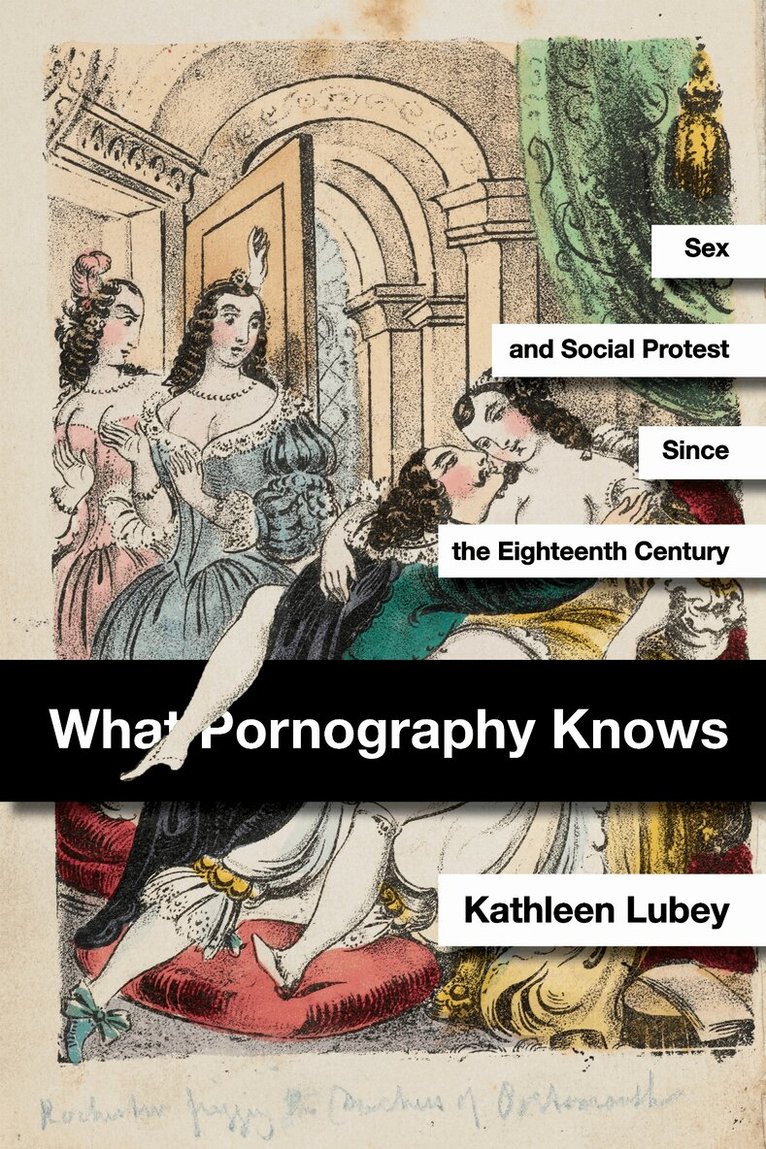
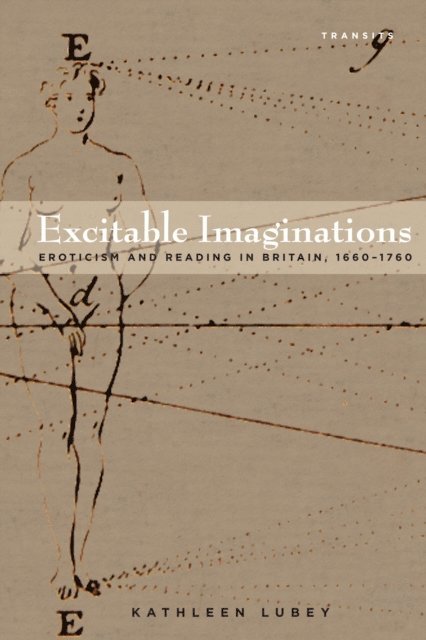
The four-volume set provides a compendium of rare primary sources focusing on pornography in nineteenth-century Britain for students and scholars alike. The collection contains police records, criminal trial accounts, social purity files and clippings, catalogues, advertisements, parliamentary debates, bibliographic information produced during the period, and hard to find original pornographic publications. These sources can be used individually and in combination to historicise the emergence of pornography and investigate the aspects of society that it illuminates. Despite its current cultural impact, pornography has a surprisingly short history. The Oxford English Dictionary notes usage of the term only as far back as 1824, but something can exist before a term arises to define it. Before pornography as a term emerged, the categories of obscenity and indecency were used to prosecute erotic materials that would be disruptive to the social order. Over the course of the nineteenth century, pornography emerged from a philosophic tradition that emphasized liberalism. Satirists, printers, writers, and publishers connected liberty in sexuality with liberty in politics. Alongside the radical milieu came the development of scientific pornography. Both science and pornography fed the need for information about sexuality but the margins between the two remained ambiguous and much contested in the nineteenth century. After the mid-century mark, the growth of consumer culture allowed for the deepening of an elite market for the rich and a separate market for the masses. While Britain’s global reach expanded outwards, mass pornography made for and about the poor materialized based upon industrialization and the development of urban working-class culture. Both the elite and mass markets built off and eroticized modernizing gender ideals and new sexual identities. Finally, new technologies like photography and stereolithography allowed for an eventual emphasis on the visual form. Visual pornography remained subsidiary to erotic texts in the nineteenth century, but the kernel of the triumph of the visual began in the period. With these changes, pornography emerged as both a word and a concept. Pornography proves key to understanding some of the main attractions of the modern world. The pornography of the period documents how people imagined sexuality in their changing society. It thus forms a record that can be used to investigate people’s fantasies about self and others, about emergent identities, about sexual desires, about the pleasures of wealth and power. It shows their assumptions about bodies, about social class, race, and gender. And it demonstrates the battles that took place over the articulation of those fantasies. These volumes provide primary sources that give scholars and students a starting point to explore these shifts and how the historic context shaped ideas of sexuality at every level.