Kathleen M. Ashley – författare
Visar alla böcker från författaren Kathleen M. Ashley. Handla med fri frakt och snabb leverans.
3 produkter
3 produkter
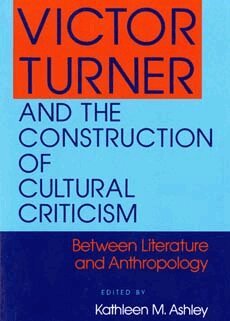
Victor Turner and the Construction of Cultural Criticism
Between Literature and Anthropology
Häftad, Engelska, 1990
285 kr
Skickas inom 10-15 vardagar
During the past twenty years of intellectual boundary-crossing and widespread borrowing between fields, Turner's notions of "liminality" and the "processual" have been adopted by many theorists of art and society. This is the first volume to place individual Turner concepts into the context of his entire career and to spell out their implications for literary studies.
417 kr
Skickas inom 7-10 vardagar
Exploring the connections between autobiography and postmodernism, this book addresses self-representation in a variety of literatures - Native American, British, Chicana, immigrant, and lesbian, among others - in genres as diverse as poetry, naming, confession, photography, and the manifesto. The essays examine how different writers respond to the culturally specific pressures of genre, how these constraints are negotiated, and what self-representation reveals about the politics of identity. In contrast to those critics of postmodernism who fear the dissolution of the active subject, the contributors here demonstrate that autobiography gives postmodernism a discourse through which to theorise human agency. The autobiographical subject that emerges is not the decentered human agent of so many versions of postmodernism, but the producer of texts that call attention to the contradictions in dominant modes of self-representation, and demonstrate the possibilities of writing from other locations.
217 kr
Skickas inom 5-8 vardagar
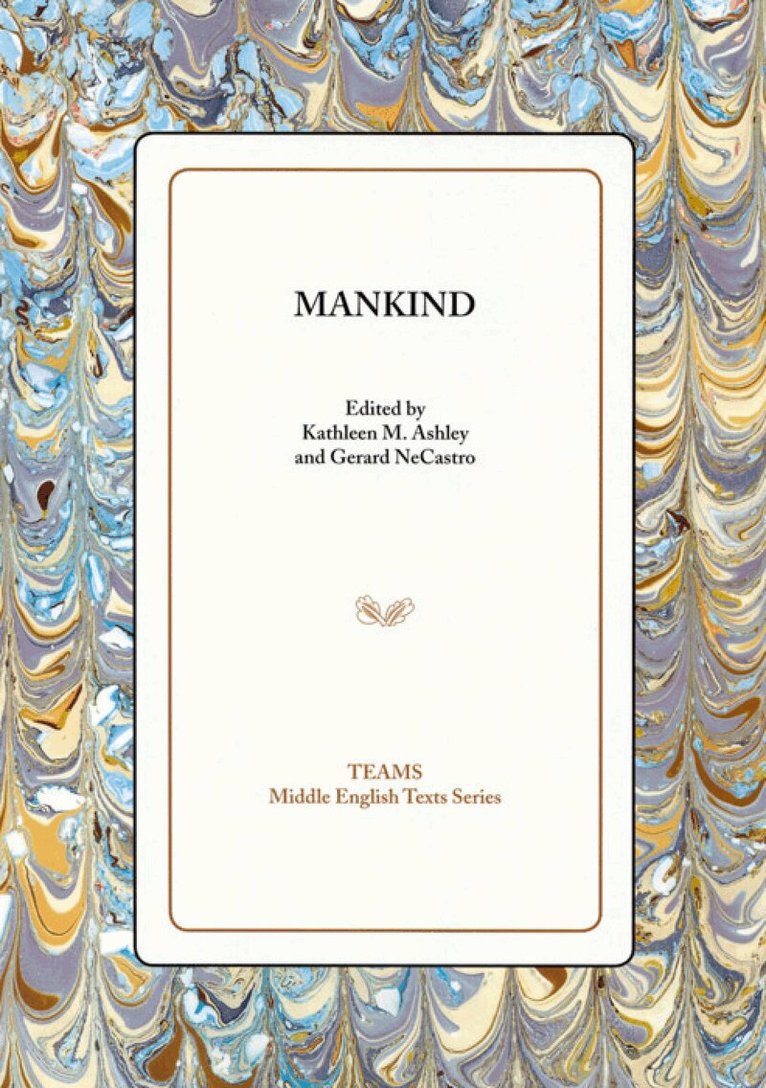
One of the most interactive and theatrically sophisticated early English plays, the fifteenth-century Middle English morality play Mankind balances and complicates a conventional allegory of vice and virtue with a thematic emphasis on language. Associated with Lent and the pre-Lenten season of Carnival, it dramatizes a verbal battle waged for Mankind’s soul: it pits the stately, Latinate preaching of Mercy, who embodies Lent’s emphasis on penitence, confession, and piety, against the rhetorical tricks of the demon Titivillus and jokes, derision, and vulgarity from the four vices of worldly temptation, representing carnival themes of revelry, trickery, and social upheaval. Each side addresses the audience throughout the play, implicating them in their machinations for or against Mankind. Engaging with the late-medieval religious conflict between English-language Lollardy and a Catholic orthodoxy built on Latinate authority, Mankind demands that its audience distinguishes between virtuous and vicious uses of language, whether in Latin or English.