Kathryn A. Morgan - Böcker
Visar alla böcker från författaren Kathryn A. Morgan. Handla med fri frakt och snabb leverans.
4 produkter
4 produkter
1 680 kr
Skickas inom 5-8 vardagar
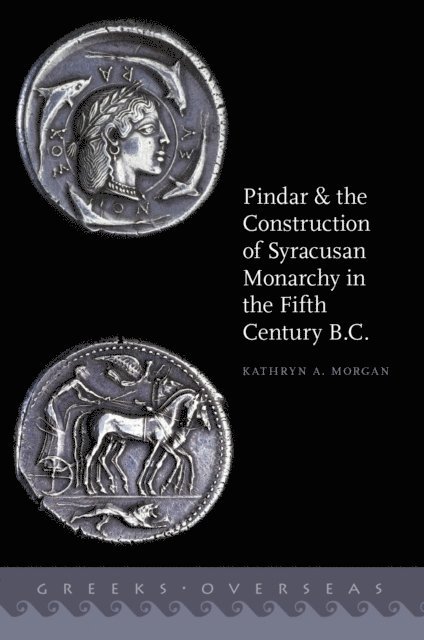
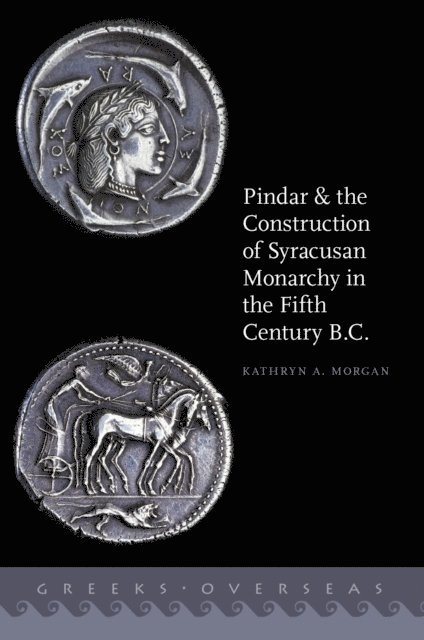
This groundbreaking book attempts a fully contextualized reading of the poetry written by Pindar for Hieron of Syracuse in the 470s BC. It argues that the victory odes and other occasional songs composed by Pindar for the Sicilian tyrant were part of an extensive cultural program that included athletic competition, coinage, architecture, sanctuary dedication, city foundation, and much more. In the tumultuous years following the Persian invasion of Greece in 480, elite Greek leaders and their cities struggled to capitalize on the Greek victory and to define themselves as free peoples who triumphed over the threat of Persian monarchy. Pindar's victory odes are an important contribution to Hieron's goal of panhellenic pre-eminence, redescribing contemporary tyranny as an instantiation of golden-age kingship and consonant with best Greek tradition. In a delicate process of cultural legitimation, the poet's praise deploys athletic victories as a signs of more general preeminence. Three initial chapters set the stage by presenting the history and culture of Syracuse under the Deinomenid tyrants, exploring issues of performance and patronage, and juxtaposing Hieron to rival Greek leaders on the mainland. Subsequent chapters examine in turn all Pindar's preserved poetry for Hieron and members of his court, and contextualizes this poetry by comparing it to the songs written for Hieron by Pindar's poetic contemporary, Bacchylides. These odes develop a specifically "tyrannical " mythology in which a hero from the past enjoys unusual closeness with the gods, only to bring ruin on him or herself by failing to manage this closeness appropriately. Such negative exemplars counterbalance Hieron's good fortune and present the dangers against which he must (and does) protect himself by regal virtue. The readings that emerge are marked by exceptional integration of literary interpretation with the political/historical context.
357 kr
Skickas
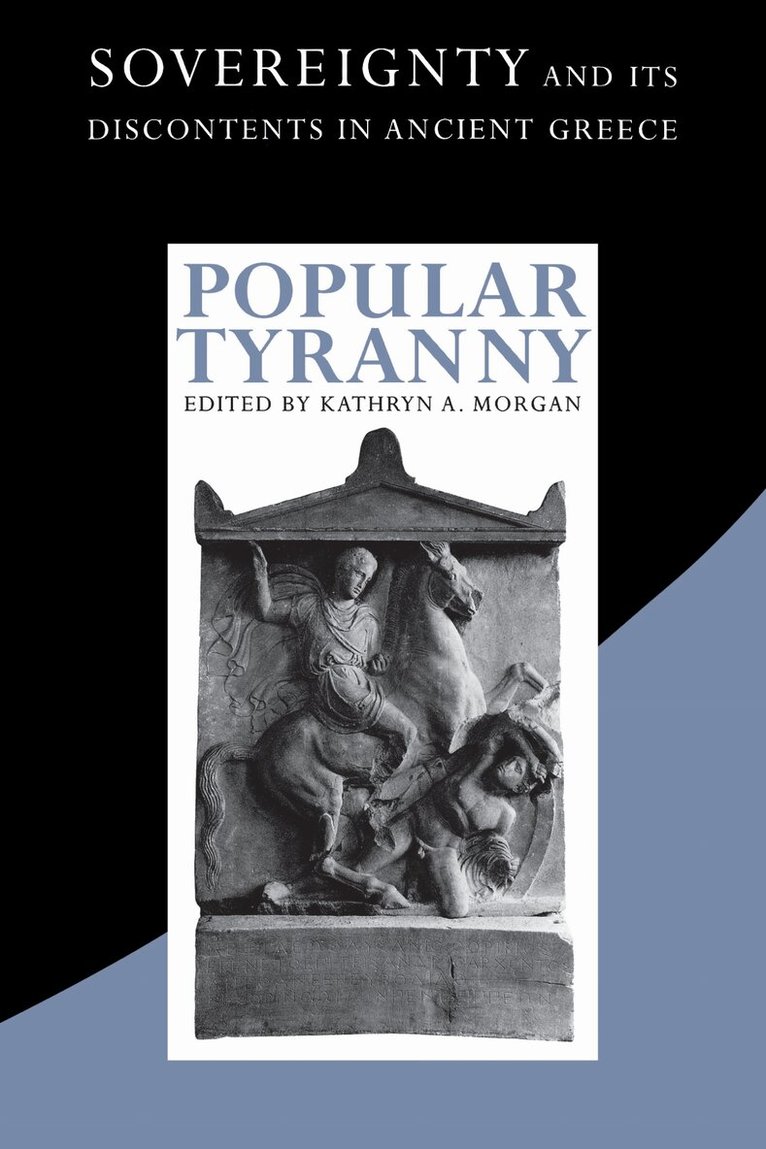
The nature of authority and rulership was a central concern in ancient Greece, where the figure of the king or tyrant and the sovereignty associated with him remained a powerful focus of political and philosophical debate even as Classical Athens developed the world's first democracy. This collection of essays examines the extraordinary role that the concept of tyranny played in the cultural and political imagination of Archaic and Classical Greece through the interdisciplinary perspectives provided by internationally known archaeologists, literary critics, and historians. The book ranges historically from the Bronze and early Iron Age to the political theorists and commentators of the middle of the fourth century B.C. and generically across tragedy, comedy, historiography, and philosophy. While offering individual and sometimes differing perspectives, the essays tackle several common themes: the construction of authority and of constitutional models, the importance of religion and ritual, the crucial role of wealth, and the autonomy of the individual. Moreover, the essays with an Athenian focus shed new light on the vexed question of whether it was possible for Athenians to think of themselves as tyrannical in any way. As a whole, the collection presents a nuanced survey of how competing ideologies and desires, operating through the complex associations of the image of tyranny, struggled for predominance in ancient cities and their citizens.
560 kr
Skickas inom 7-10 vardagar
This book explores the dynamic relationship between myth and philosophy in the Presocratics, the Sophists, and in Plato - a relationship which is found to be more extensive and programmatic than has been recognized. The story of philosophy's relationship with myth is that of its relationship with literary and social convention. The intellectuals studied here wanted to reformulate popular ideas about cultural authority and they achieved this goal by manipulating myth. Their self-conscious use of myth creates a self-reflective philosophic sensibility and draws attention to problems inherent in different modes of linguistic representation. Much of the reception of Greek philosophy stigmatizes myth as 'irrational'. Such an approach ignores the important role played by myth in Greek philosophy, not just as a foil but as a mode of philosophical thought. The case studies in this book reveal myth deployed as a result of methodological reflection, and as a manifestation of philosophical concerns.
1 245 kr
Skickas inom 7-10 vardagar
This book explores the dynamic relationship between myth and philosophy in the Presocratics, the Sophists, and in Plato - a relationship which is found to be more extensive and programmatic than has been recognized. The story of philosophy's relationship with myth is that of its relationship with literary and social convention. The intellectuals studied here wanted to reformulate popular ideas about cultural authority and they achieved this goal by manipulating myth. Their self-conscious use of myth creates a self-reflective philosophic sensibility and draws attention to problems inherent in different modes of linguistic representation. Much of the reception of Greek philosophy stigmatizes myth as 'irrational'. Such an approach ignores the important role played by myth in Greek philosophy, not just as a foil but as a mode of philosophical thought. The case studies in this book reveal myth deployed as a result of methodological reflection, and as a manifestation of philosophical concerns.