Kathryn Starkey – författare
Visar alla böcker från författaren Kathryn Starkey. Handla med fri frakt och snabb leverans.
10 produkter
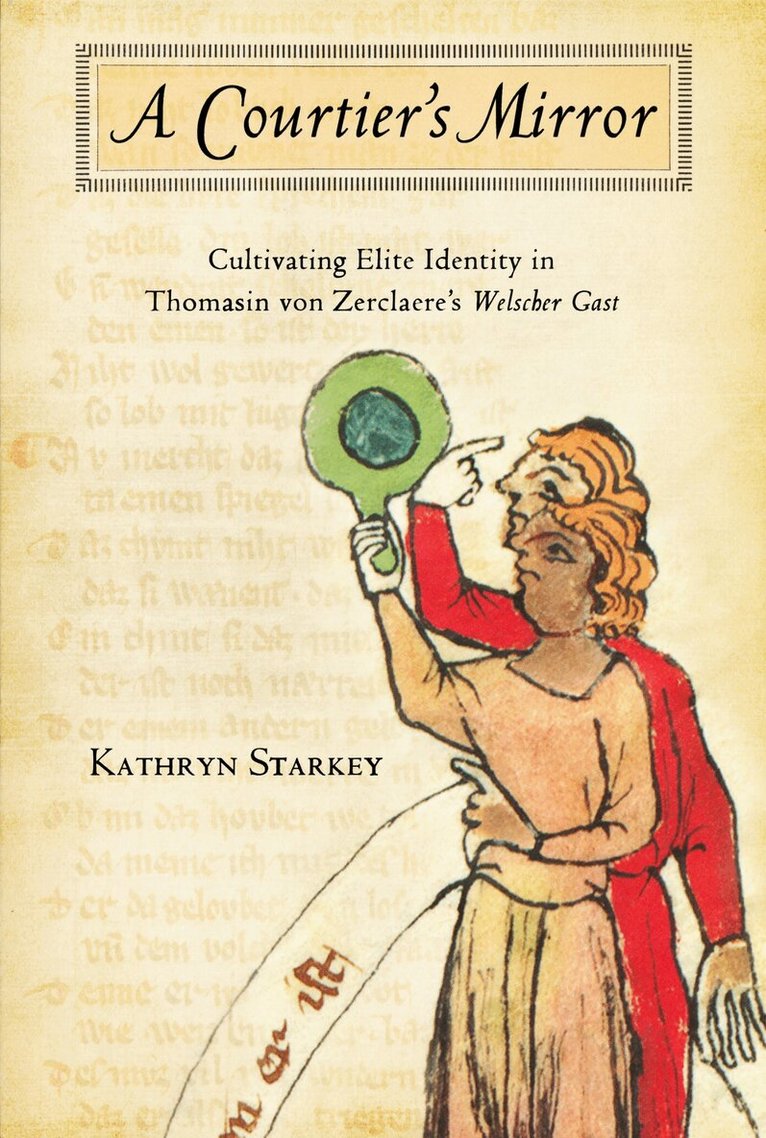
Courtier's Mirror
Cultivating Elite Identity in Thomasin Von Zerclaere's Welscher Gast
Häftad, 2013
782 kr
Lägg i varukorg
A Courtier's Mirror establishes the unique importance of Thomasin von Zerclaere's Welscher Gast as a document of social practices and concerns in medieval German-speaking court society. This epic-length illustrated didactic poem enjoyed immense popularity in the Middle Ages, resulting in …
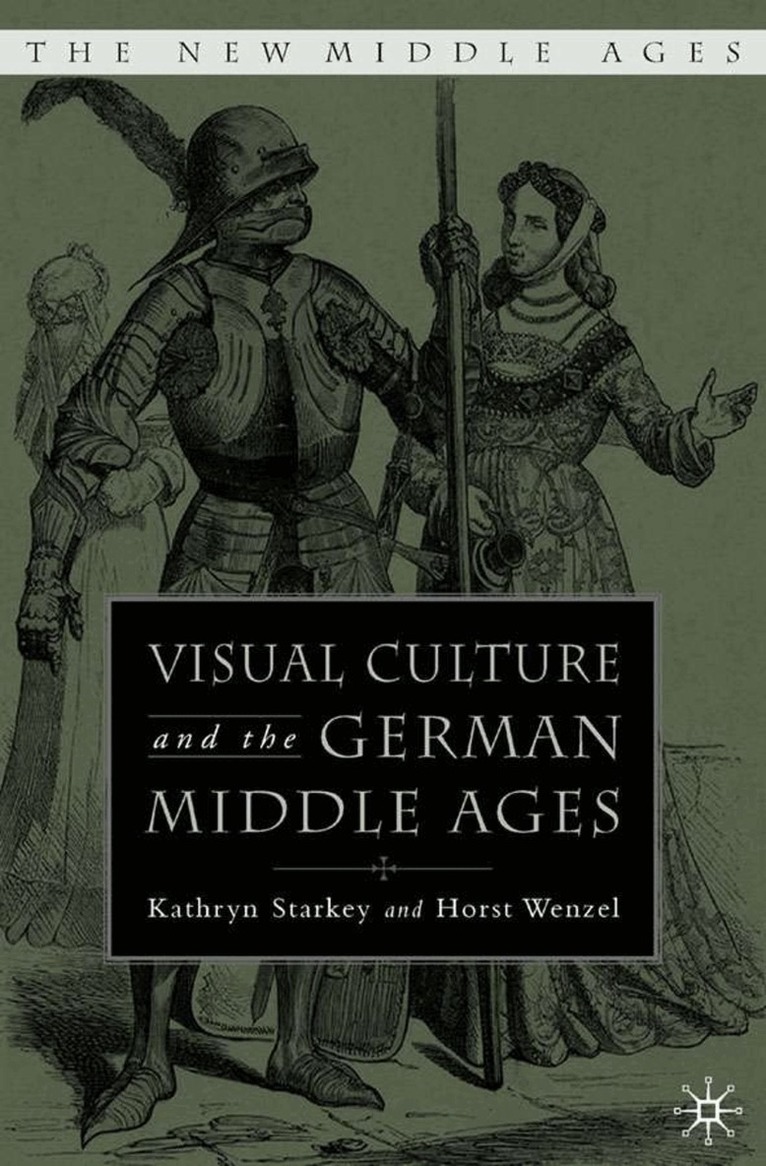
Visual Culture and the German Middle Ages
Av K. Starkey, Kathryn Starkey
Inbunden, 2005
482 kr
Lägg i varukorg
This multi-disciplinary collection of essays draws on various theoretical approaches to explore the highly visual nature of the Middle Ages and expose new facets of old texts and artefacts. The term 'visual culture' has been used in recent years to refer to modern media theory, film, modern art and …
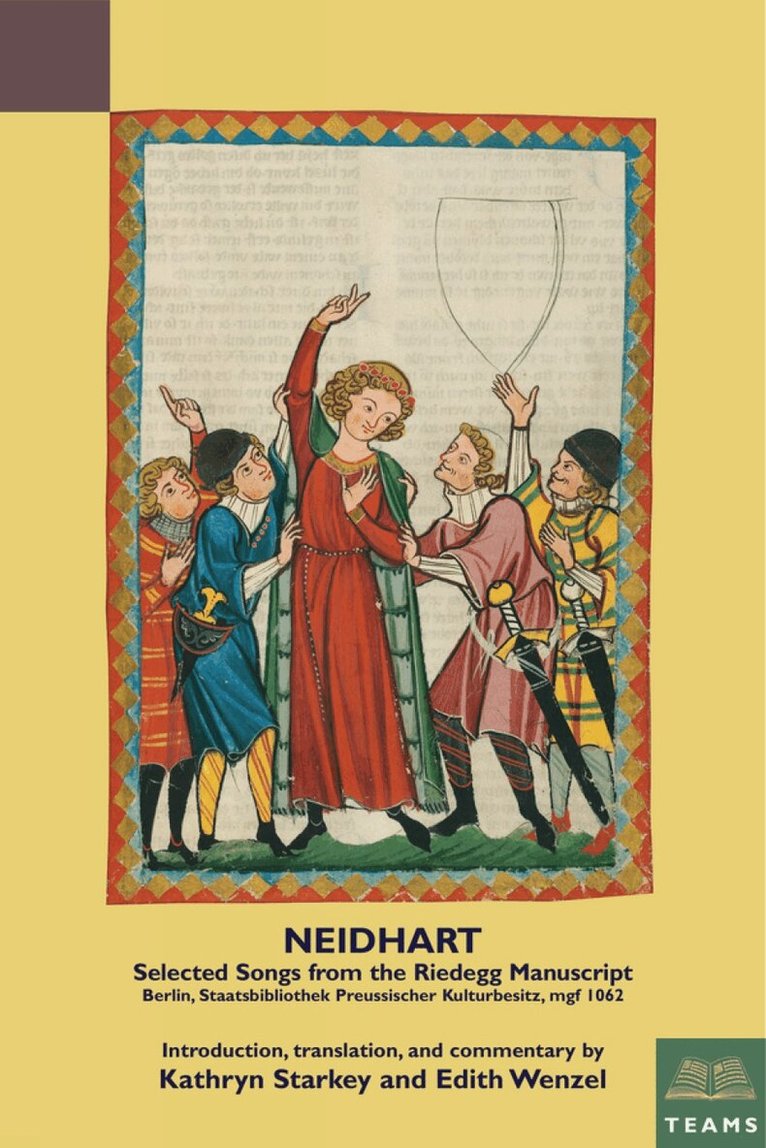
Neidhart: Selected Songs from the Riedegg Manuscript
Berlin, Staatsbibliothek Preussischer Kulturbesitz, mgf 1062
Av Medieval Institute Publications, Kathryn Starkey
Häftad, 2016
470 kr
Lägg i varukorg
The medieval German poet called Neidhart is one of the most important poets of his time. Set in the village among peasant maidens and their boorish male counterparts, Neidhart's satirical songs stand in marked contrast to courtly love song and enrich our understanding of medieval literary culture. …
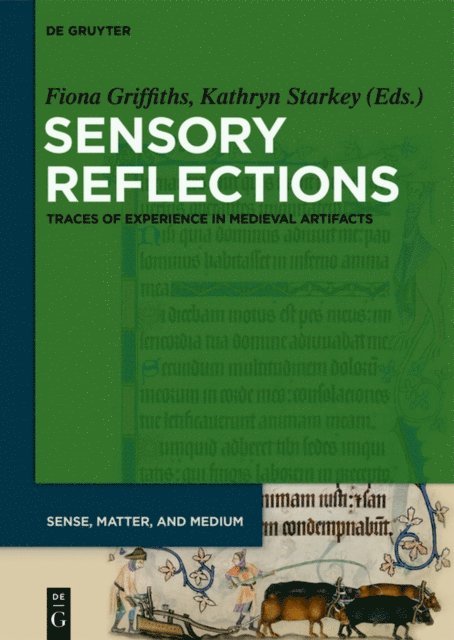
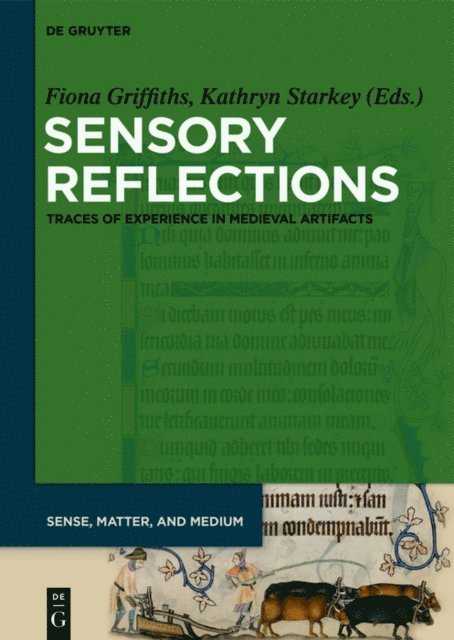
Sensory Reflections
Traces of Experience in Medieval Artifacts
Av Kathryn Starkey, Fiona Griffiths
E-bok, 2018
1528 kr
Lägg i varukorg
This volume draws on emerging scholarship at the intersection of two already vibrant fields: medieval material culture and medieval sensory experience. The rich potential of medieval matter (most obviously manuscripts and visual imagery, but also liturgical objects, coins, textiles, architecture, …
Sensory Reflections
Traces of Experience in Medieval Artifacts
Av Kathryn Starkey, Fiona Griffiths
E-bok, 2018
1562 kr
Lägg i varukorg
This volume draws on emerging scholarship at the intersection of two already vibrant fields: medieval material culture and medieval sensory experience. The rich potential of medieval matter (most obviously manuscripts and visual imagery, but also liturgical objects, coins, textiles, architecture, …
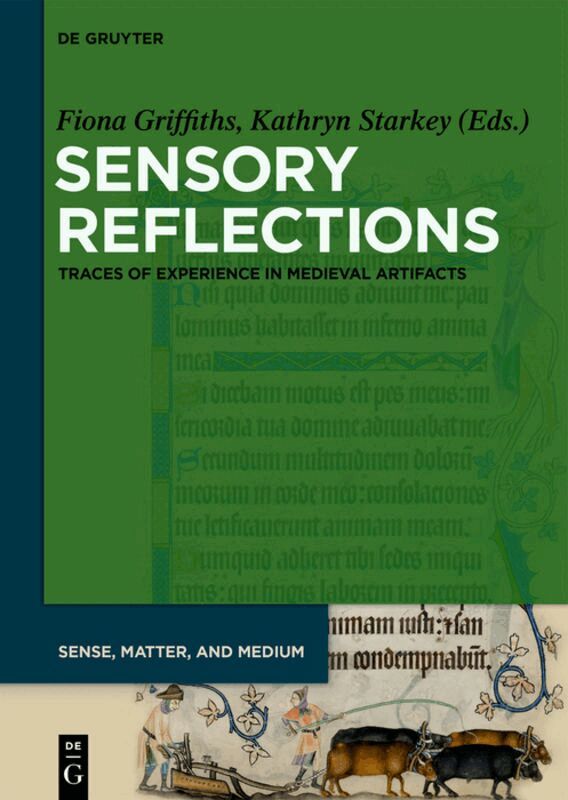
Sensory Reflections
Traces of Experience in Medieval Artifacts
Av Fiona Griffiths, Kathryn Starkey
Häftad, 2020
383 kr
Lägg i varukorg
This volume draws on emerging scholarship at the intersection of two already vibrant fields: medieval material culture and medieval sensory experience. The rich potential of medieval matter (most obviously manuscripts and visual imagery, but also liturgical objects, coins, textiles, architecture, …
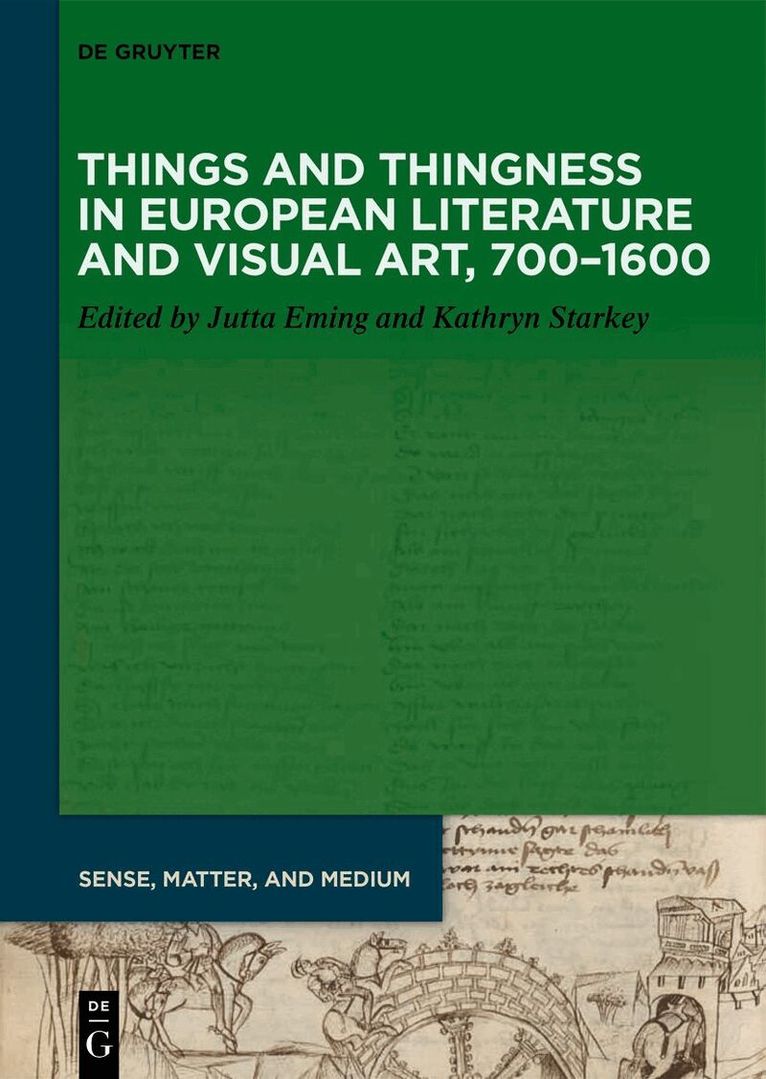
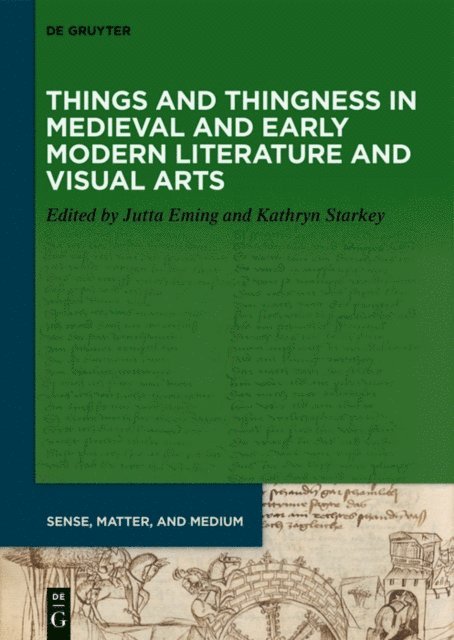
Things and Thingness in European Literature and Visual Art, 700–1600
Av Jutta Eming, Kathryn Starkey
Inbunden, 2021
1481 kr
Lägg i varukorg
The eleven chapters in this international volume draw on a variety of theoretical and methodological approaches to focus our attention on medieval and early modern things (ca. 700–1600). The range of things includes actual objects (the Altenburg Crucifixion, a copy of Hieronymus Brunschwig’s Liber …
Things and Thingness in European Literature and Visual Art, 700-1600
Av Kathryn Starkey, Jutta Eming
E-bok, 2021
1640 kr
Lägg i varukorg
The eleven chapters in this international volume draw on a variety of theoretical and methodological approaches to focus our attention on medieval and early modern things (ca. 700–1600). The range of things includes actual objects (the Altenburg Crucifixion, a copy of Hieronymus Brunschwig’s Liber …
Things and Thingness in European Literature and Visual Art, 700-1600
Av Kathryn Starkey, Jutta Eming
E-bok, 2021
1640 kr
Lägg i varukorg
The eleven chapters in this international volume draw on a variety of theoretical and methodological approaches to focus our attention on medieval and early modern things (ca. 700–1600). The range of things includes actual objects (the Altenburg Crucifixion, a copy of Hieronymus Brunschwig’s Liber …
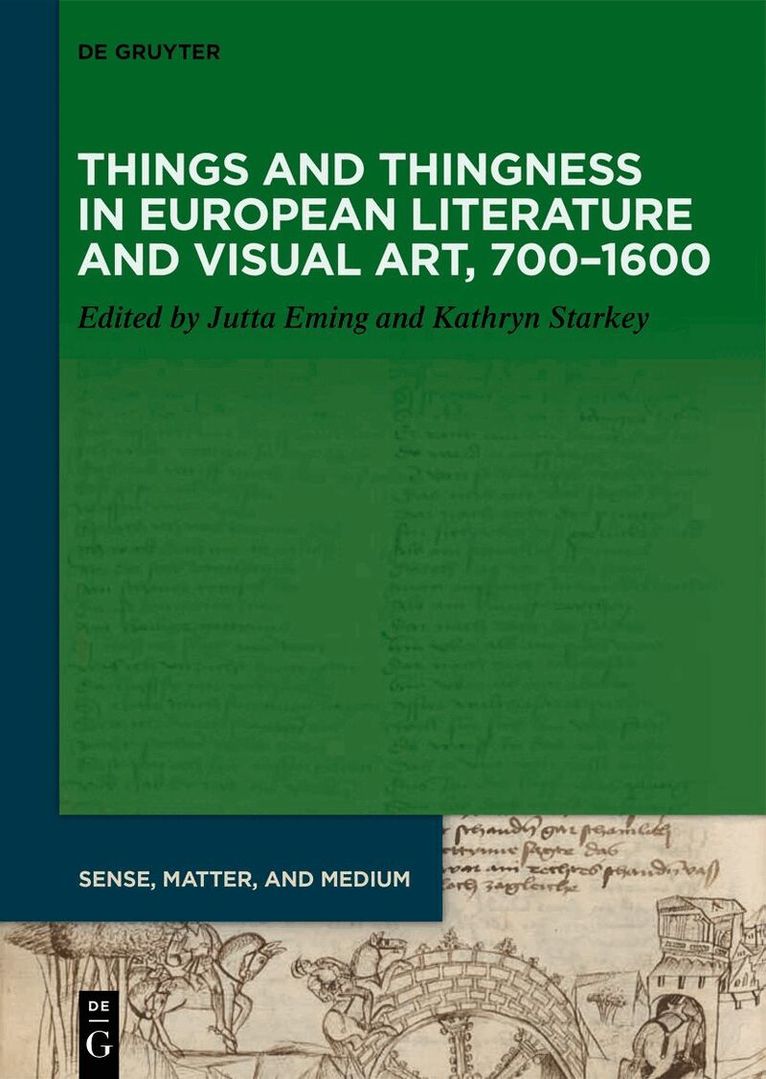
Things and Thingness in European Literature and Visual Art, 700–1600
Av Jutta Eming, Kathryn Starkey
Häftad, 2023
250 kr
Lägg i varukorg
The eleven chapters in this international volume draw on a variety of theoretical and methodological approaches to focus our attention on medieval and early modern things (ca. 700–1600). The range of things includes actual objects (the Altenburg Crucifixion, a copy of Hieronymus Brunschwig’s Liber …