Katia Margariti – författare
Visar alla böcker från författaren Katia Margariti. Handla med fri frakt och snabb leverans.
4 produkter
4 produkter
2 646 kr
Kommande
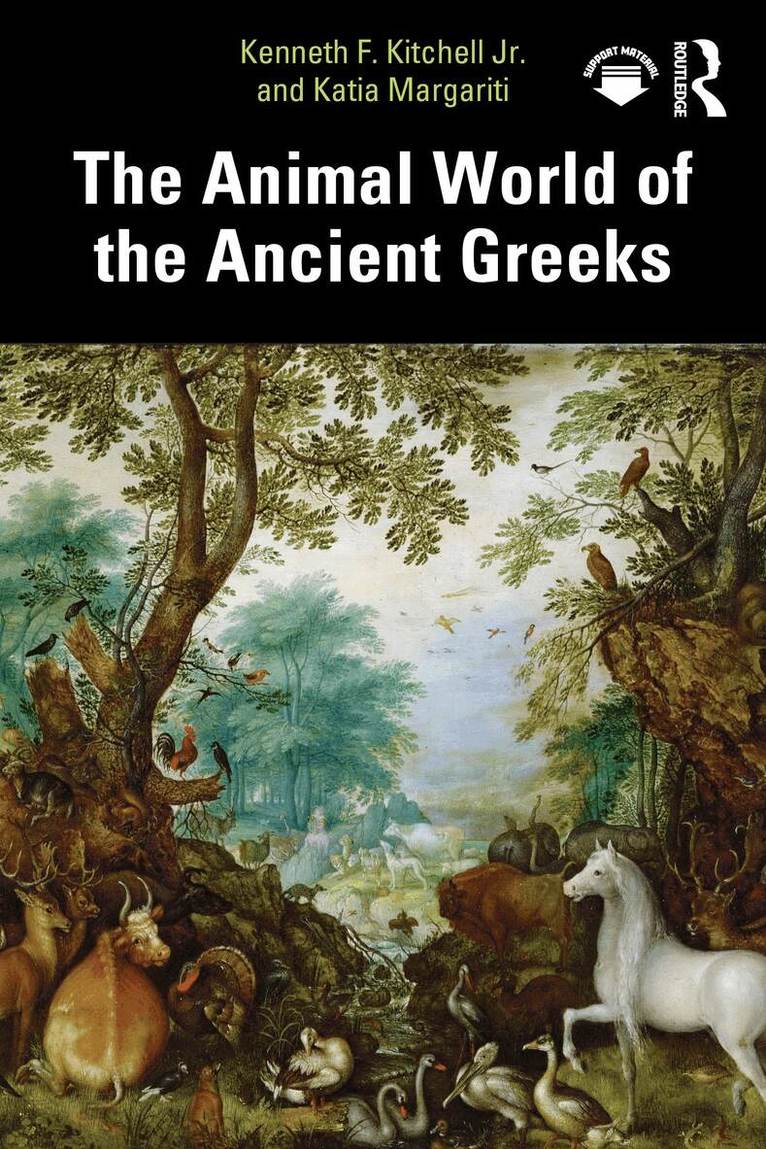
This book offers a modern, accessible, engaging overview of the interactions between ancient Greeks and animals in all phases of their life, both inside and outside of the walls of the ancient polis. The field of ancient animal studies has exhibited rapid growth in recent years, typically focusing on individual animals or on animals in ancient religion or art; however, there has been no modern book that offers an overview of how animals pervaded ancient Greek life. This volume fills that gap, delving into areas such as what separates humans from animals, the difference between wild, domesticated, and tame, and pointing out parallels between the Greeks’ views and our own today. It studies the roles of animals in the houses, streets, speech, and literature of the ancient Greeks. It also examines the various levels of intimacy between animals and humans, ranging from animals as dire enemies to cherished pets, and even bestiality. This book follows those interactions from birth through death, studying the extent to which animals informed many of the social rituals of ancient Greece.The Animal World of the Ancient Greeks appeals to students and scholars working on animal-human interaction in the ancient world. Scholars in related fields, including literature, archaeology, art history, religion, numismatics, and social history will also find material that helps them better understand their speciality.
824 kr
Kommande
This book offers a modern, accessible, engaging overview of the interactions between ancient Greeks and animals in all phases of their life, both inside and outside of the walls of the ancient polis. The field of ancient animal studies has exhibited rapid growth in recent years, typically focusing on individual animals or on animals in ancient religion or art; however, there has been no modern book that offers an overview of how animals pervaded ancient Greek life. This volume fills that gap, delving into areas such as what separates humans from animals, the difference between wild, domesticated, and tame, and pointing out parallels between the Greeks’ views and our own today. It studies the roles of animals in the houses, streets, speech, and literature of the ancient Greeks. It also examines the various levels of intimacy between animals and humans, ranging from animals as dire enemies to cherished pets, and even bestiality. This book follows those interactions from birth through death, studying the extent to which animals informed many of the social rituals of ancient Greece.The Animal World of the Ancient Greeks appeals to students and scholars working on animal-human interaction in the ancient world. Scholars in related fields, including literature, archaeology, art history, religion, numismatics, and social history will also find material that helps them better understand their speciality.
1 346 kr
Skickas
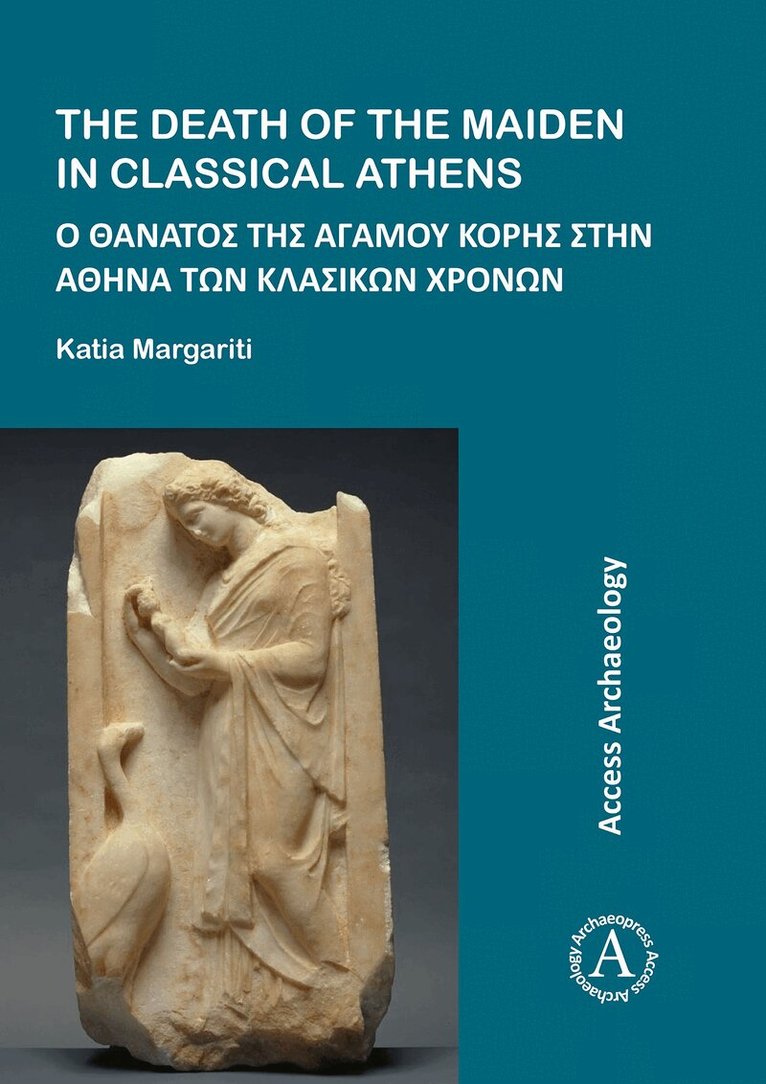
The present study examines the death of maidens in classical Athens, combining the study of Attic funerary iconography with research on classical Attic maiden burials, funerary inscriptions, tragic plays, as well as the relevant Attic myths. The iconography of funerary reliefs focuses on the idealized image of the deceased maiden, as well as the powerful bonds of love and kinship that unite her with the members of her family, whereas the iconography of vases emphasizes the premature death of the maiden, the pain of loss and mourning felt by her family, as well as the observance of the indispensable funerary rites concerning her burial and ‘tomb cult’. Particularly interesting is the fact that the ‘traditional’ theory according to which the loutrophoros marked the graves of the unmarried dead alone has been proven non valid. The study of classical Attic maiden burials indicates that the prematurely dead maidens were buried as children who didn’t live long enough to reach adulthood. The untimely death of maidens in Attic drama and mythology is beneficial to the family or the city. In great contrast to that, the premature death of real - life Athenian maidens was a terrible disaster for the girls’ families, as well as the polis itself. Despite this, the iconography of dead maidens in classical Athens is in accordance with the ‘image’ of the deceased maidens presented by funerary epigrams, tragedy, and mythology. It has to be noted though, that the same is not true in the case of maiden burials. This Access Archaeology publication presents a special edition of Katia Margariti’s doctoral thesis entitled The Death of the Maiden in Classical Athens. The original thesis was submitted to the Department of History, Archaeology, and Social Anthropology (IAKA) of the University of Thessaly in Volos in 2010. Here the original thesis is augmented by an extensive 63 page summary in English accompanied by the original Greek text, catalogue and illustrations. The thesis contains much valuable analysis and catalogue material and this publication has been produced in order that the work should not be overlooked merely for reasons of language.
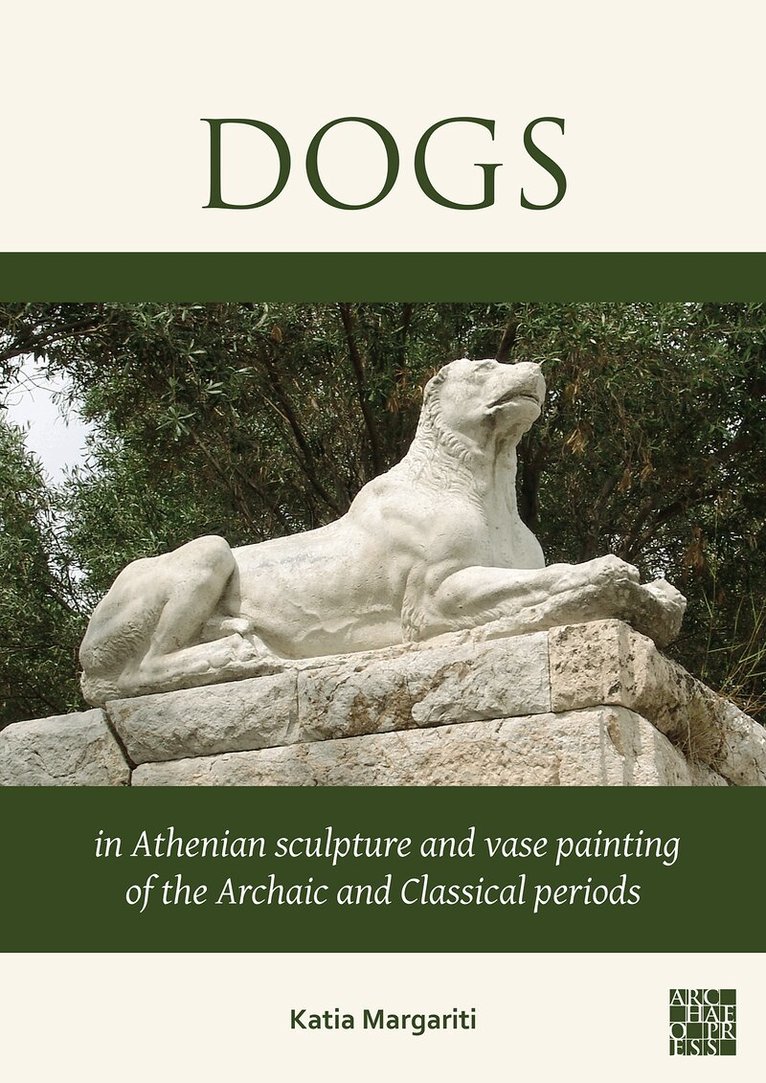
Dogs in Athenian Sculpture and Vase Painting of the Archaic and Classical Periods
Häftad, Engelska, 2025
974 kr
Skickas
Having earned the title of ‘man’s best friend’ through their millennia-long relationship with humans, dogs have been constantly present in human life. The great number of textual and artistic representations of canines attests to the popularity of these animals in ancient Greece, where the existence of domesticated dogs has been traced back to the early Neolithic period. Dogs appear in more than 2,000 painted and sculpted scenes of Athenian art, serving a variety of roles: they are the faithful companions of warriors and riders, valuable collaborators in the hunt, cherished pets, and status symbols. They are present in the gymnasium, the symposium, and in domestic scenes. They are shown happily playing with children, providing protection and companionship for women, and accompanying males in various aspects of their everyday lives. They are associated with gods and mythical heroes and are even depicted on funerary reliefs, accompanying their humans in death. This book offers a thorough study and analysis of the iconography of dog depictions in Athenian sculpture and vase painting, employing an interdisciplinary approach to explore their multifarious function and the extent to which they were influenced by the human-canine bond.