Kenneth F. Kitchell Jr. – författare
Visar alla böcker från författaren Kenneth F. Kitchell Jr.. Handla med fri frakt och snabb leverans.
7 produkter
7 produkter
1 981 kr
Skickas inom 10-15 vardagar
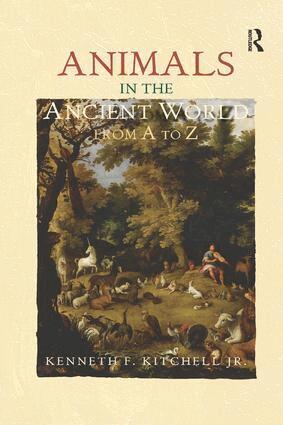
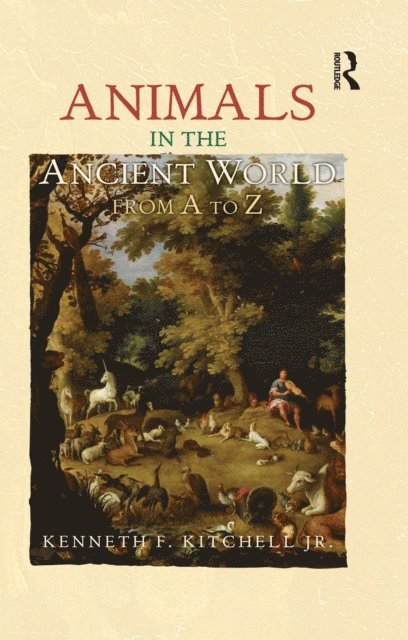
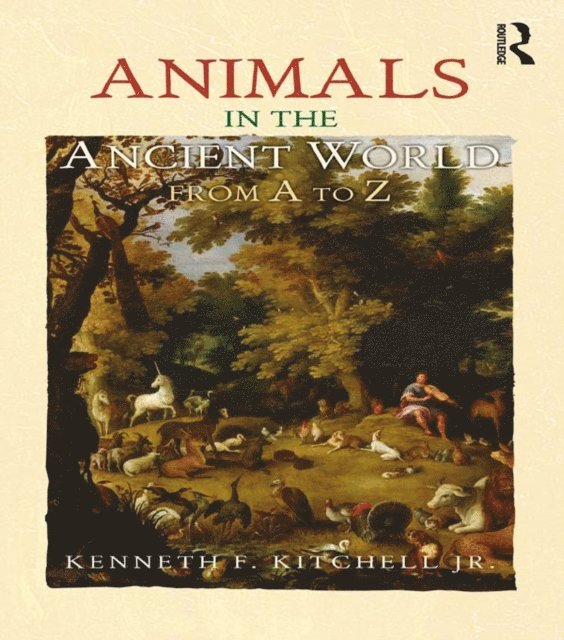
The ancient Greeks and Romans lived in a world teeming with animals. Animals were integral to ancient commerce, war, love, literature and art. Inside the city they were found as pets, pests, and parasites. They could be sacred, sacrificed, liminal, workers, or intruders from the wild. Beyond the city domesticated animals were herded and bred for profit and wild animals were hunted for pleasure and gain alike. Specialists like Aristotle, Aelian, Pliny and Seneca studied their anatomy and behavior. Geographers and travelers described new lands in terms of their animals. Animals are to be seen on every possible artistic medium, woven into cloth and inlaid into furniture. They are the subject of proverbs, oaths and dreams. Magicians, physicians and lovers turned to animals and their parts for their crafts. They paraded before kings, inhabited palaces, and entertained the poor in the arena. Quite literally, animals pervaded the ancient world from A-Z. In entries ranging from short to long, Kenneth Kitchell offers insight into this commonly overlooked world, covering representative and intriguing examples of mammals, reptiles, amphibians and invertebrates. Familiar animals such as the cow, dog, fox and donkey are treated along with more exotic animals such as the babirussa, pangolin, and dugong. The evidence adduced ranges from Minoan times to the Late Roman Empire and is taken from archaeology, ancient authors, inscriptions, papyri, coins, mosaics and all other artistic media. Whenever possible reasoned identifications are given for ancient animal names and the realities behind animal lore are brought forth. Why did the ancients think hippopotamuses practiced blood letting on themselves? How do you catch a monkey? Why were hyenas thought to be hermaphroditic? Was there really a vampire moth? Entries are accompanied by full citations to ancient authors and an extensive bibliography.Of use to Classics students and scholars, but written in a style designed to engage anyone interested in Greco-Roman antiquity, Animals in the Ancient World from A to Z reveals the extent and importance of the animal world to the ancient Greeks and Romans. It answers many questions, asks several more, and seeks to stimulate further research in this important field.
1 075 kr
Skickas inom 3-6 vardagar
935 kr
Skickas inom 3-6 vardagar
2 646 kr
Kommande
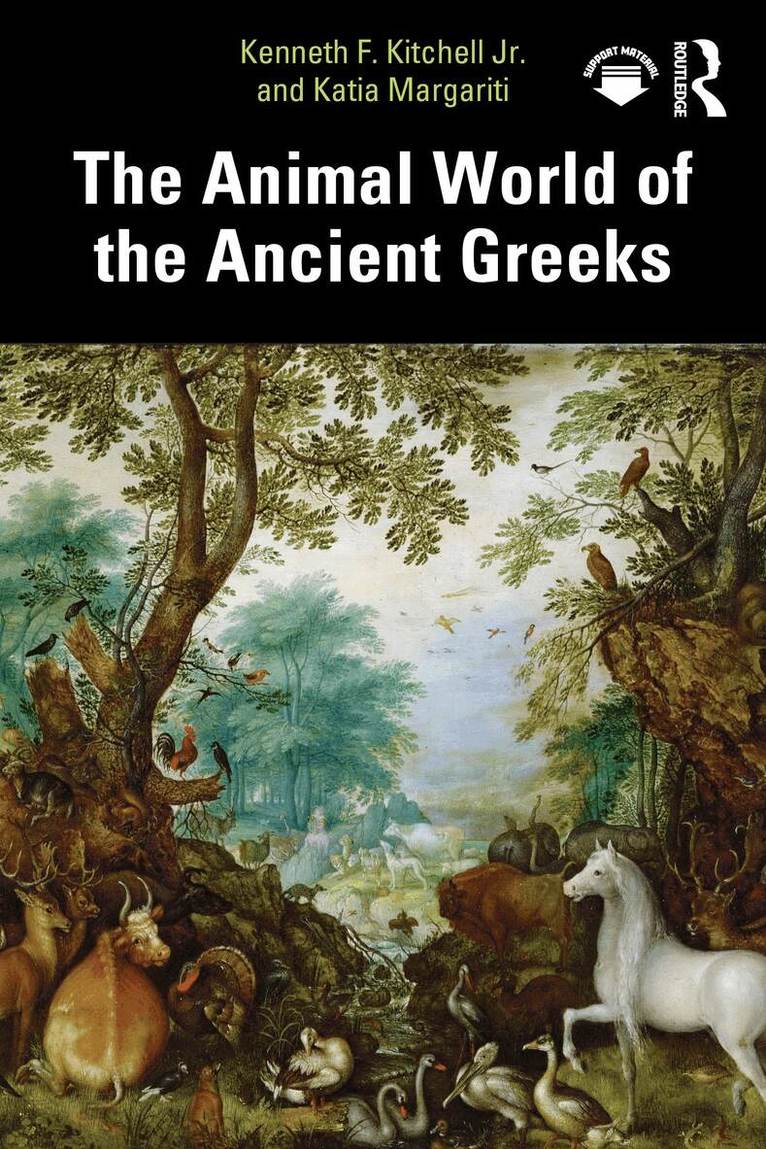
This book offers a modern, accessible, engaging overview of the interactions between ancient Greeks and animals in all phases of their life, both inside and outside of the walls of the ancient polis. The field of ancient animal studies has exhibited rapid growth in recent years, typically focusing on individual animals or on animals in ancient religion or art; however, there has been no modern book that offers an overview of how animals pervaded ancient Greek life. This volume fills that gap, delving into areas such as what separates humans from animals, the difference between wild, domesticated, and tame, and pointing out parallels between the Greeks’ views and our own today. It studies the roles of animals in the houses, streets, speech, and literature of the ancient Greeks. It also examines the various levels of intimacy between animals and humans, ranging from animals as dire enemies to cherished pets, and even bestiality. This book follows those interactions from birth through death, studying the extent to which animals informed many of the social rituals of ancient Greece.The Animal World of the Ancient Greeks appeals to students and scholars working on animal-human interaction in the ancient world. Scholars in related fields, including literature, archaeology, art history, religion, numismatics, and social history will also find material that helps them better understand their speciality.
824 kr
Kommande
This book offers a modern, accessible, engaging overview of the interactions between ancient Greeks and animals in all phases of their life, both inside and outside of the walls of the ancient polis. The field of ancient animal studies has exhibited rapid growth in recent years, typically focusing on individual animals or on animals in ancient religion or art; however, there has been no modern book that offers an overview of how animals pervaded ancient Greek life. This volume fills that gap, delving into areas such as what separates humans from animals, the difference between wild, domesticated, and tame, and pointing out parallels between the Greeks’ views and our own today. It studies the roles of animals in the houses, streets, speech, and literature of the ancient Greeks. It also examines the various levels of intimacy between animals and humans, ranging from animals as dire enemies to cherished pets, and even bestiality. This book follows those interactions from birth through death, studying the extent to which animals informed many of the social rituals of ancient Greece.The Animal World of the Ancient Greeks appeals to students and scholars working on animal-human interaction in the ancient world. Scholars in related fields, including literature, archaeology, art history, religion, numismatics, and social history will also find material that helps them better understand their speciality.
827 kr
Skickas inom 10-15 vardagar
The ancient Greeks and Romans lived in a world teeming with animals. Animals were integral to ancient commerce, war, love, literature and art. Inside the city they were found as pets, pests, and parasites. They could be sacred, sacrificed, liminal, workers, or intruders from the wild. Beyond the city domesticated animals were herded and bred for profit and wild animals were hunted for pleasure and gain alike. Specialists like Aristotle, Aelian, Pliny and Seneca studied their anatomy and behavior. Geographers and travelers described new lands in terms of their animals. Animals are to be seen on every possible artistic medium, woven into cloth and inlaid into furniture. They are the subject of proverbs, oaths and dreams. Magicians, physicians and lovers turned to animals and their parts for their crafts. They paraded before kings, inhabited palaces, and entertained the poor in the arena. Quite literally, animals pervaded the ancient world from A-Z. In entries ranging from short to long, Kenneth Kitchell offers insight into this commonly overlooked world, covering representative and intriguing examples of mammals, reptiles, amphibians and invertebrates. Familiar animals such as the cow, dog, fox and donkey are treated along with more exotic animals such as the babirussa, pangolin, and dugong. The evidence adduced ranges from Minoan times to the Late Roman Empire and is taken from archaeology, ancient authors, inscriptions, papyri, coins, mosaics and all other artistic media. Whenever possible reasoned identifications are given for ancient animal names and the realities behind animal lore are brought forth. Why did the ancients think hippopotamuses practiced blood letting on themselves? How do you catch a monkey? Why were hyenas thought to be hermaphroditic? Was there really a vampire moth? Entries are accompanied by full citations to ancient authors and an extensive bibliography.Of use to Classics students and scholars, but written in a style designed to engage anyone interested in Greco-Roman antiquity, Animals in the Ancient World from A to Z reveals the extent and importance of the animal world to the ancient Greeks and Romans. It answers many questions, asks several more, and seeks to stimulate further research in this important field.
230 kr
Skickas
As well as being an important medieval theologian, Albertus Magnus (Albert the Great) also made significant contributions to the study of astronomy, geography and natural philosophy, and his studies of the natural world led Pope Pius XII to declare Albertus the patron saint of the natural sciences. Dante Alighieri acknowledged a substantial debt to Albertus’ work, and in The Divine Comedy placed him equal with his celebrated student and brother Dominican Thomas Aquinas.In this, the first full, scholarly biography in English for nearly a century, Irven M. Resnick and Kenneth F. Kitchell Jr narrate Albertus’ key contributions to natural philosophy and the history of science, while also revealing the insights into medieval life and customs that his writings provide.