Katie Farris – författare
Visar alla böcker från författaren Katie Farris. Handla med fri frakt och snabb leverans.
5 produkter
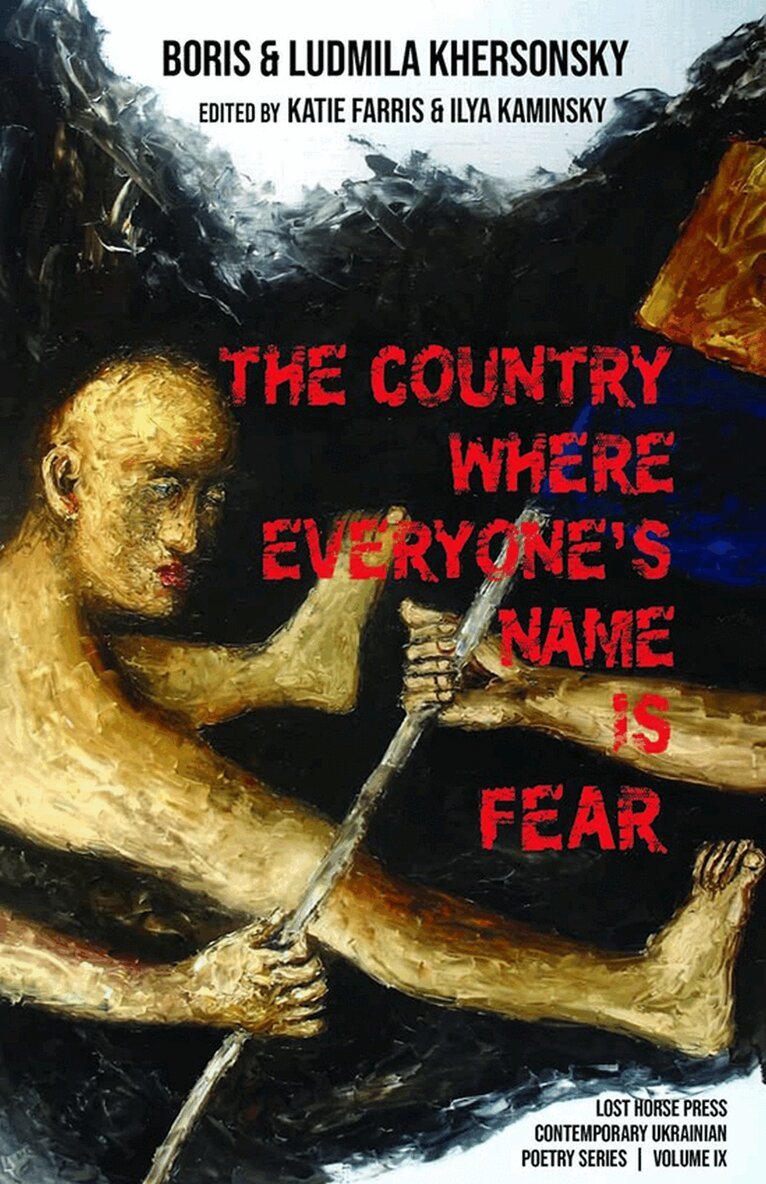
Country Where Everyone's Name Is Fear
Selected Poems
Av Boris Khersonsky, Luidmila Khersonsky m. fl.
Häftad, 2022
249 kr
Lägg i varukorg
Boris Khersonsky and Ludmila Khersonsky write poetry that speaks to the crisis of our time, when refugees run from bombardments, nonstop propaganda flows from TV, and neighbors begin to hate their neighbors. The setting is Ukraine at the start of the twenty-first century, but it is eerily …
Standing in the Forest of Being Alive
A Memoir in Poems
Av Katie Farris
Häftad, 2023
198 kr
Lägg i varukorg
Shortlisted for the T.S. Eliot Prize 2023.Standing in the Forest of Being Alive is a memoir-in-poems that reckons with erotic love even as the narrator is diagnosed and treated for breast cancer at the age of thirty-six during a time of pandemic and political upheaval. With humour and honesty, the …
Standing in the Forest of Being Alive
Av Katie Farris
E-bok, 2023
249 kr
Lägg i varukorg
Standing in the Forest of Being Alive is a memoir-in-poems that reckons with erotic love even as the narrator is diagnosed and treated for breast cancer at the age of thirty-six during a time of pandemic and political upheaval. With humor and honesty, the book portrays both the pleasures and the …
Gossip & Metaphysics
Russian Modernist Poems & Prose
Av Katie Farris, Ilya Kaminsky m. fl.
Häftad, 2014
303 kr
Tillfälligt slut
There has been no anthology in English dedicated to the poetics of the great generation of Russian modernists. For a group of poets so widely admired, relatively little seems known about their philosophy of poetry and their poetic influences, and although there is tremendous aesthetic diversity in …
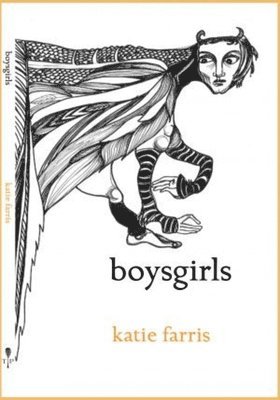
Boysgirls
Av Katie Farris
Häftad, 2019
194 kr
Tillfälligt slut
Farris warns us, “These are not stories one can hand to another and afterward ask: did your soul move like the peristalsis inside your gut?” Instead of capitalizing on the satisfying and familiar conventions of narrative, she uses the unclassifiable text, the monstrous text, and unruly prose to …