Kayhan Erciyes - Böcker
Visar alla böcker från författaren Kayhan Erciyes. Handla med fri frakt och snabb leverans.
9 produkter
9 produkter
1 805 kr
Skickas inom 10-15 vardagar
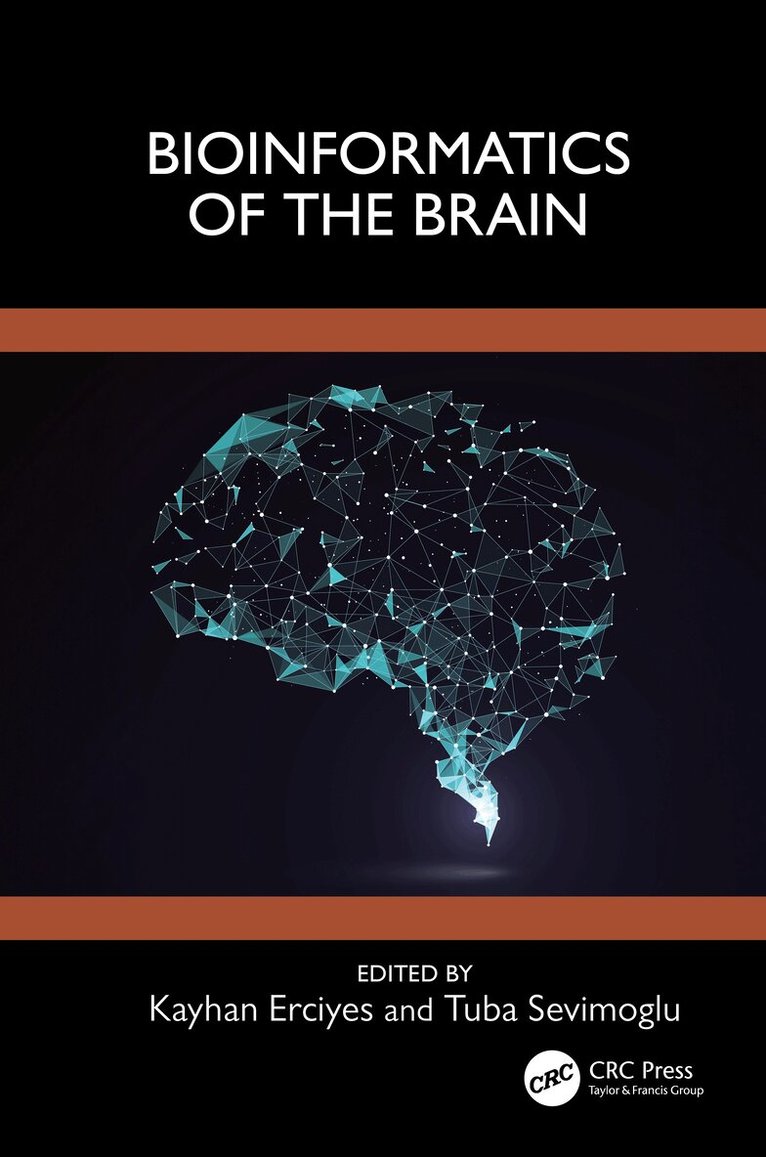
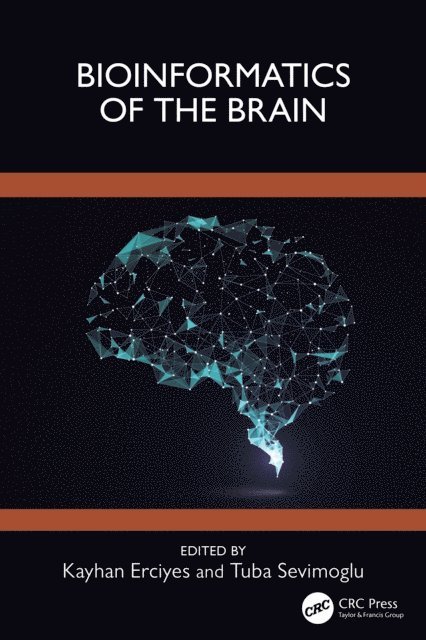
The brain consisting of billions of neurons is probably the most complex and mysterious organ of the body. Understanding the functioning of the brain in its health and disease states has baffled the researchers working in this area for many years. The diversity of brain diseases and disorders makes the analysis of brain functions an even more challenging area of research. In vitro and in vivo studies regarding the brain may be laborious, however, bioinformatics using in silico approaches may take the burden off the experimental studies and give us a clearer perspective on disease and healthy states of the brain, its functions, and disease mechanisms.Recent advancements in neuroimaging technologies, the development of high-performance computers and the development of software, algorithms and methods to analyze data obtained from various neuroimaging processes have opened new frontiers in neuroscience enabling unprecedented finer analysis of the brain functions. This relatively new approach of brain analysis which may be termed Bioinformatics of the Brain is the main subject of this volume aiming to provide a thorough review of various bioinformatics approaches for analyzing the functioning of the brain and understanding brain diseases such as neurodegenerative diseases, brain tumors, and neuropsychiatric disorders. Authors from various disciplines in this volume each focus on a different aspect aiming to expand our understanding of this area of research. Topics included are:Brain diseases and disordersStem cell therapy of neurodegenerative diseasesTissue engineering applications of gliomasBrain tumor detection and modelingBrain tumor growth simulationBrain-computer interfaceBioinformatics of brain diseasesGraph-theoretical analysis of complex brain networksBrain proteomicsThis book is intended to aid scientists, researchers, and graduate students in carrying out interdisciplinary research in the areas of bioinformatics, bioengineering, computer engineering, software engineering, mathematics, molecular biology, genetics, and biotechnology.
762 kr
Kommande
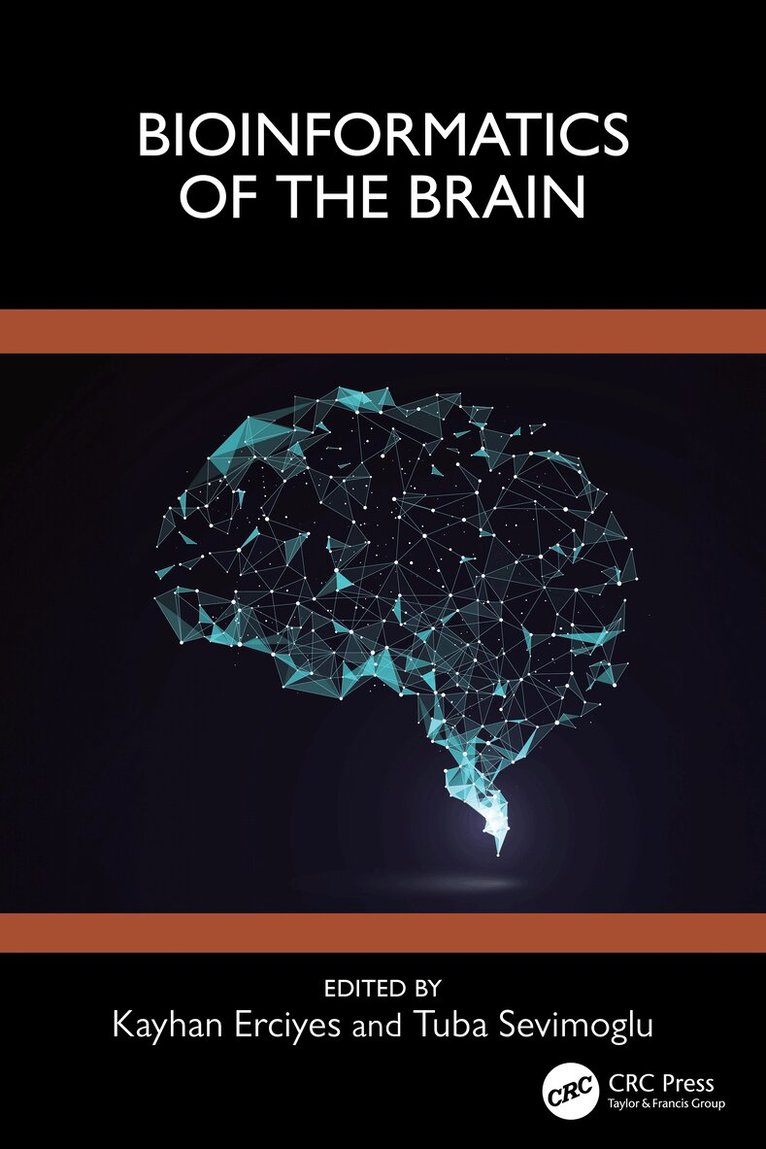
The brain consisting of billions of neurons is probably the most complex and mysterious organ of the body. Understanding the functioning of the brain in its health and disease states has baffled the researchers working in this area for many years. The diversity of brain diseases and disorders makes the analysis of brain functions an even more challenging area of research. In vitro and in vivo studies regarding the brain may be laborious, however, bioinformatics using in silico approaches may take the burden off the experimental studies and give us a clearer perspective on disease and healthy states of the brain, its functions, and disease mechanisms.Recent advancements in neuroimaging technologies, the development of high-performance computers and the development of software, algorithms and methods to analyze data obtained from various neuroimaging processes have opened new frontiers in neuroscience enabling unprecedented finer analysis of the brain functions. This relatively new approach of brain analysis which may be termed Bioinformatics of the Brain is the main subject of this volume aiming to provide a thorough review of various bioinformatics approaches for analyzing the functioning of the brain and understanding brain diseases such as neurodegenerative diseases, brain tumors, and neuropsychiatric disorders. Authors from various disciplines in this volume each focus on a different aspect aiming to expand our understanding of this area of research. Topics included are:Brain diseases and disordersStem cell therapy of neurodegenerative diseasesTissue engineering applications of gliomasBrain tumor detection and modelingBrain tumor growth simulationBrain-computer interfaceBioinformatics of brain diseasesGraph-theoretical analysis of complex brain networksBrain proteomicsThis book is intended to aid scientists, researchers, and graduate students in carrying out interdisciplinary research in the areas of bioinformatics, bioengineering, computer engineering, software engineering, mathematics, molecular biology, genetics, and biotechnology.
685 kr
Skickas inom 10-15 vardagar
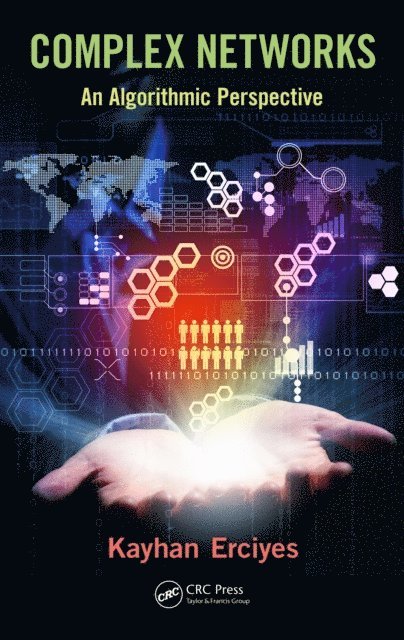
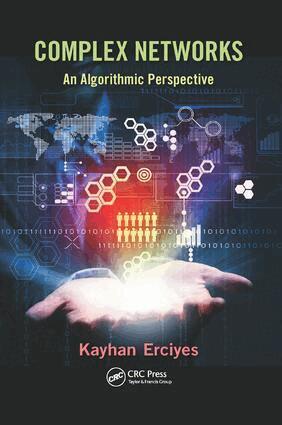
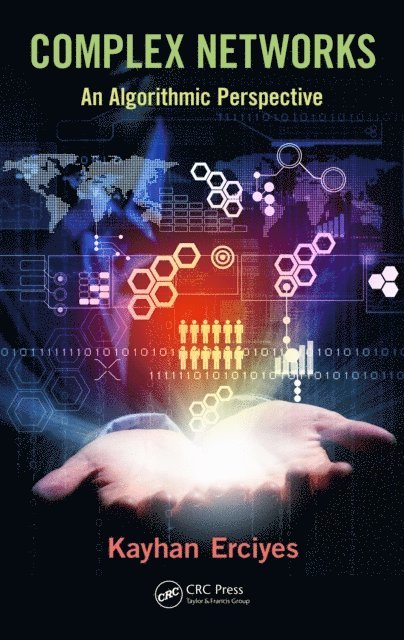
Network science is a rapidly emerging field of study that encompasses mathematics, computer science, physics, and engineering. A key issue in the study of complex networks is to understand the collective behavior of the various elements of these networks.Although the results from graph theory have proven to be powerful in investigating the structures of complex networks, few books focus on the algorithmic aspects of complex network analysis. Filling this need, Complex Networks: An Algorithmic Perspective supplies the basic theoretical algorithmic and graph theoretic knowledge needed by every researcher and student of complex networks.This book is about specifying, classifying, designing, and implementing mostly sequential and also parallel and distributed algorithms that can be used to analyze the static properties of complex networks. Providing a focused scope which consists of graph theory and algorithms for complex networks, the book identifies and describes a repertoire of algorithms that may be useful for any complex network. Provides the basic background in terms of graph theorySupplies a survey of the key algorithms for the analysis of complex networksPresents case studies of complex networks that illustrate the implementation of algorithms in real-world networks, including protein interaction networks, social networks, and computer networksRequiring only a basic discrete mathematics and algorithms background, the book supplies guidance that is accessible to beginning researchers and students with little background in complex networks. To help beginners in the field, most of the algorithms are provided in ready-to-be-executed form.While not a primary textbook, the author has included pedagogical features such as learning objectives, end-of-chapter summaries, and review questions
932 kr
Skickas inom 10-15 vardagar
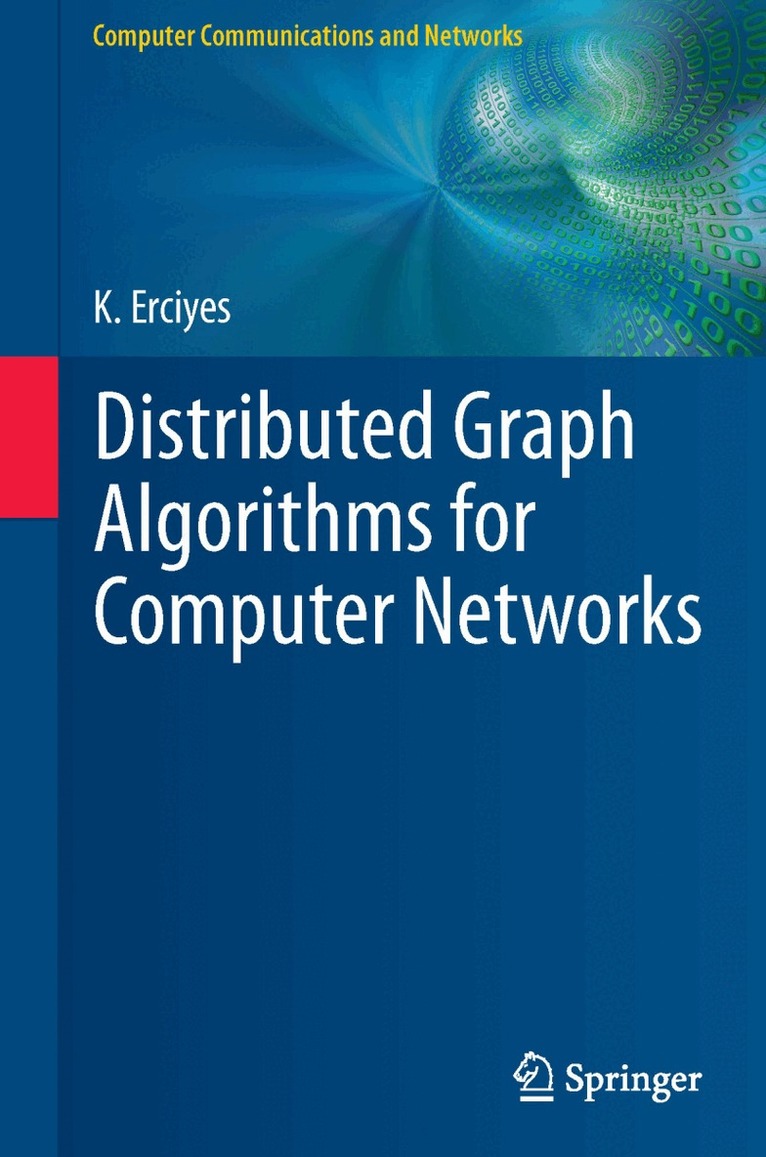
This book presents a comprehensive review of key distributed graph algorithms for computer network applications, with a particular emphasis on practical implementation. Topics and features: introduces a range of fundamental graph algorithms, covering spanning trees, graph traversal algorithms, routing algorithms, and self-stabilization; reviews graph-theoretical distributed approximation algorithms with applications in ad hoc wireless networks; describes in detail the implementation of each algorithm, with extensive use of supporting examples, and discusses their concrete network applications; examines key graph-theoretical algorithm concepts, such as dominating sets, and parameters for mobility and energy levels of nodes in wireless ad hoc networks, and provides a contemporary survey of each topic; presents a simple simulator, developed to run distributed algorithms; provides practical exercises at the end of each chapter.
660 kr
Skickas inom 10-15 vardagar
This book presents a comprehensive review of key distributed graph algorithms for computer network applications, with a particular emphasis on practical implementation. Topics and features: introduces a range of fundamental graph algorithms, covering spanning trees, graph traversal algorithms, routing algorithms, and self-stabilization; reviews graph-theoretical distributed approximation algorithms with applications in ad hoc wireless networks; describes in detail the implementation of each algorithm, with extensive use of supporting examples, and discusses their concrete network applications; examines key graph-theoretical algorithm concepts, such as dominating sets, and parameters for mobility and energy levels of nodes in wireless ad hoc networks, and provides a contemporary survey of each topic; presents a simple simulator, developed to run distributed algorithms; provides practical exercises at the end of each chapter.
2 012 kr
Skickas inom 10-15 vardagar
Network science is a rapidly emerging field of study that encompasses mathematics, computer science, physics, and engineering. A key issue in the study of complex networks is to understand the collective behavior of the various elements of these networks.Although the results from graph theory have proven to be powerful in investigating the structures of complex networks, few books focus on the algorithmic aspects of complex network analysis. Filling this need, Complex Networks: An Algorithmic Perspective supplies the basic theoretical algorithmic and graph theoretic knowledge needed by every researcher and student of complex networks.This book is about specifying, classifying, designing, and implementing mostly sequential and also parallel and distributed algorithms that can be used to analyze the static properties of complex networks. Providing a focused scope which consists of graph theory and algorithms for complex networks, the book identifies and describes a repertoire of algorithms that may be useful for any complex network. Provides the basic background in terms of graph theorySupplies a survey of the key algorithms for the analysis of complex networksPresents case studies of complex networks that illustrate the implementation of algorithms in real-world networks, including protein interaction networks, social networks, and computer networksRequiring only a basic discrete mathematics and algorithms background, the book supplies guidance that is accessible to beginning researchers and students with little background in complex networks. To help beginners in the field, most of the algorithms are provided in ready-to-be-executed form.While not a primary textbook, the author has included pedagogical features such as learning objectives, end-of-chapter summaries, and review questions
850 kr
Kommande
This clearly structured textbook/reference presents a detailed and comprehensive review of the fundamental principles of sequential graph algorithms, approaches for NP-hard graph problems, approximation algorithms and heuristics for such problems and implementation of advanced graph structures in machine learning. The work also provides a comparative analysis of sequential, parallel and distributed graph algorithms – including algorithms for big data – and an investigation into the conversion principles between the three algorithmic methods.Topics and features:Presents a comprehensive analysis of sequential graph algorithmsOffers a unifying view by examining the same graph problem from each of the three paradigms of sequential, parallel and distributed algorithmsDescribes methods for the conversion between sequential, parallel and distributed graph algorithmsSurveys methods for the analysis of large graphs and complex network applicationsIncludes full implementation details for the problems presented throughout the textSurveys advanced graph structures used in artificial intelligence with code examplesReviews graph machine-intelligence methods This practical guide to the design and analysis of graph algorithms is ideal for advanced and graduate students of computer science, electrical and electronic engineering, and bioinformatics. The material covered will also be of value to any researcher familiar with the basics of discrete mathematics, graph theory and algorithms and machine learning.Dr. K. Erciyes is professor of computer engineering at Yaşar University, Turkey. His other publications include the Springer titles Distributed Graph Algorithms for Computer Networks, Distributed and Sequential Algorithms for Bioinformatics, and Guide to Distributed Algorithms.
Del 23 - Computational Biology
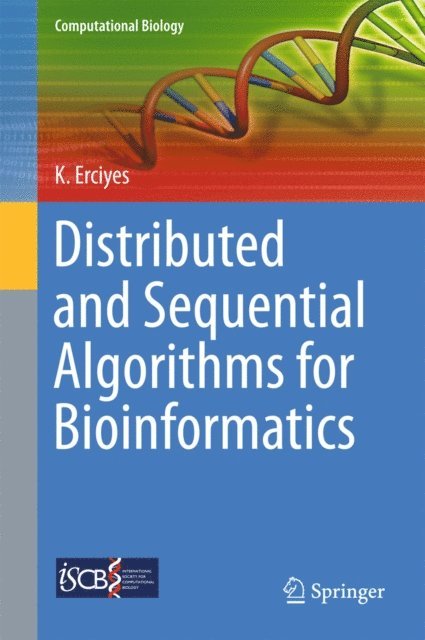
Distributed and Sequential Algorithms for Bioinformatics
Inbunden, Engelska, 2015
535 kr
Skickas inom 10-15 vardagar
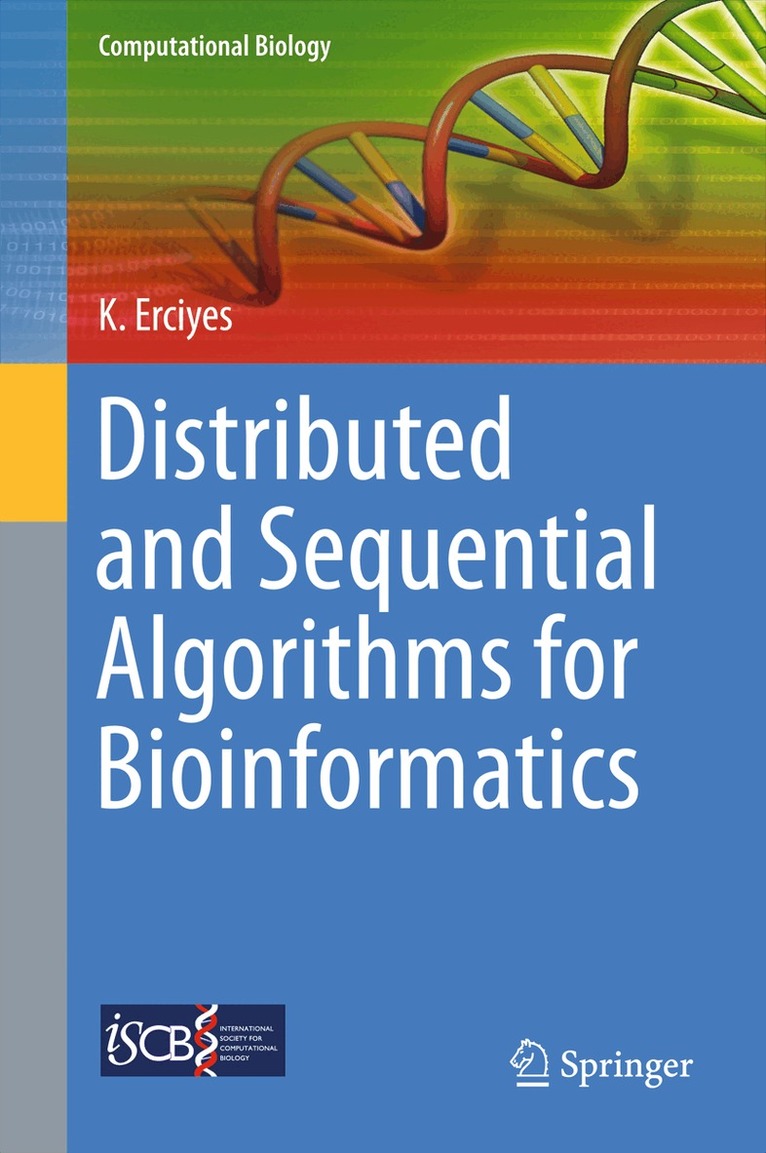
This unique textbook/reference presents unified coverage of bioinformatics topics relating to both biological sequences and biological networks, providing an in-depth analysis of cutting-edge distributed algorithms, as well as of relevant sequential algorithms. In addition to introducing the latest algorithms in this area, more than fifteen new distributed algorithms are also proposed. Topics and features: reviews a range of open challenges in biological sequences and networks; describes in detail both sequential and parallel/distributed algorithms for each problem; suggests approaches for distributed algorithms as possible extensions to sequential algorithms, when the distributed algorithms for the topic are scarce; proposes a number of new distributed algorithms in each chapter, to serve as potential starting points for further research; concludes each chapter with self-test exercises, a summary of the key points, a comparison of the algorithms described, and a literature review.
Del 23 - Computational Biology
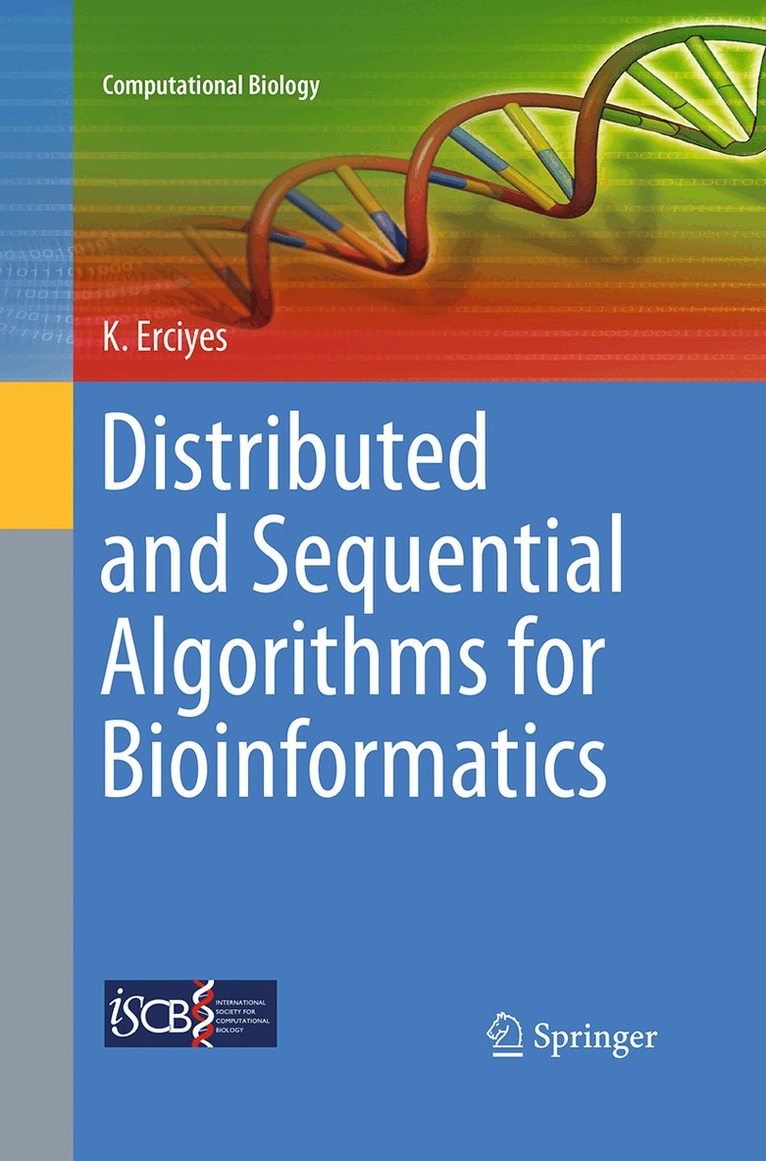
Distributed and Sequential Algorithms for Bioinformatics
Häftad, Engelska, 2016
535 kr
Skickas inom 10-15 vardagar
This unique textbook/reference presents unified coverage of bioinformatics topics relating to both biological sequences and biological networks, providing an in-depth analysis of cutting-edge distributed algorithms, as well as of relevant sequential algorithms.