Keith Rutter – författare
Visar alla böcker från författaren Keith Rutter. Handla med fri frakt och snabb leverans.
9 produkter
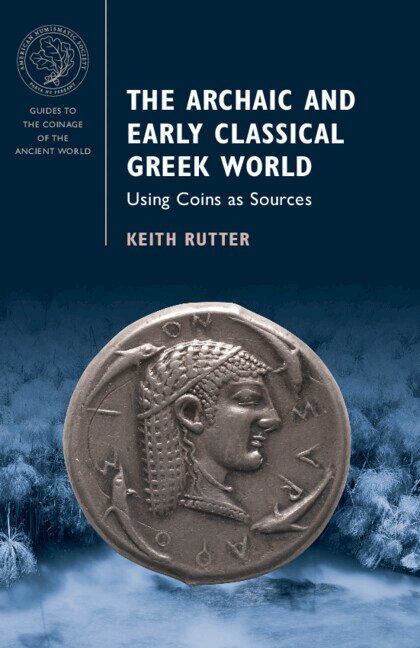
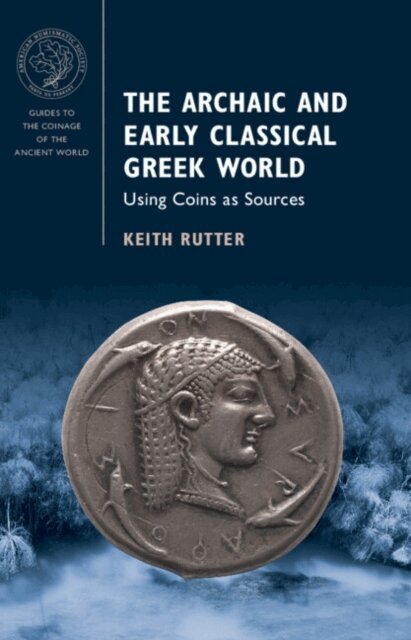
The Archaic and Early Classical Greek World
Using Coins as Sources
Av Keith Rutter
Häftad, 2026
548 kr
Lägg i varukorg
The western tradition of coinage began in Asia Minor around 650 BCE and from there the idea spread quite rapidly to other parts of the Mediterranean. This book describes and evaluates developments in coinage down to the middle of the fifth century. Early coinage was not monolithic. The new medium …
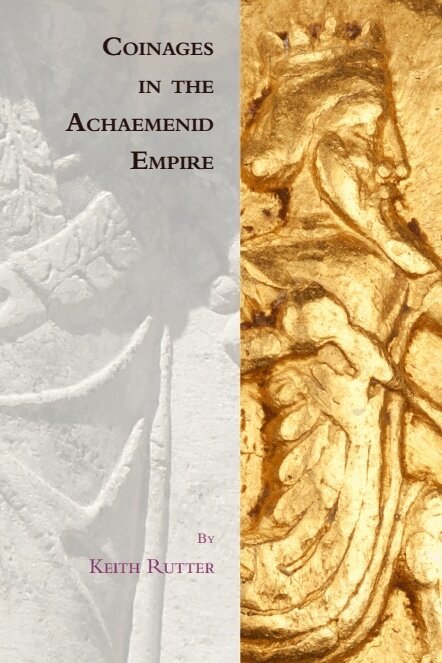
Coinages in the Achaemenid Empire
Av Keith Rutter
Inbunden, 2026
1848 kr
Lägg i varukorg
The Achaemenid Empire was huge and the material available for studying it is disparate.The coinages produced in the empire offer distinctive perspectives and provide insights into crucial questions about how the empire was organised and administered. The numismatic evidence is particularly …
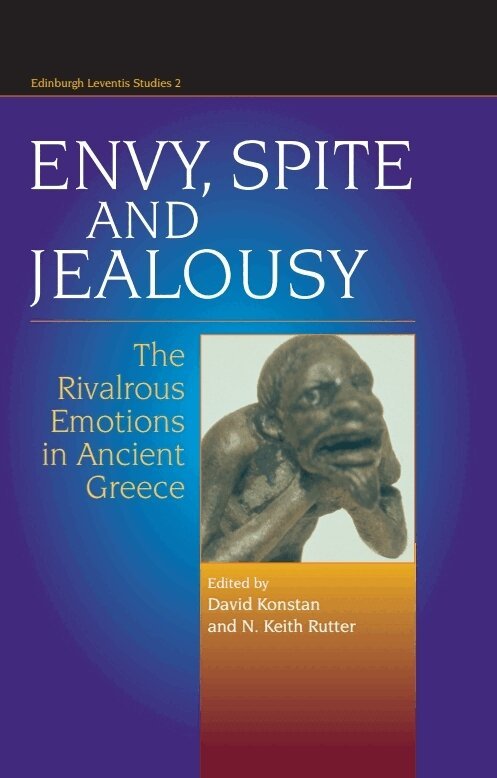
Envy, Spite and Jealousy
The Rivalrous Emotions in Ancient Greece
Av David Konstan, Keith Rutter
Inbunden, 2003
2920 kr
Lägg i varukorg
Classical Greece was permeated by a spirit of rivalry. Games and sports, theatrical performances, courtroom trials, recitation of poetry, canvassing for public office, war itself - all aspects of life were informed by a competitive ethos. This pioneering book considers how the Greeks viewed, …
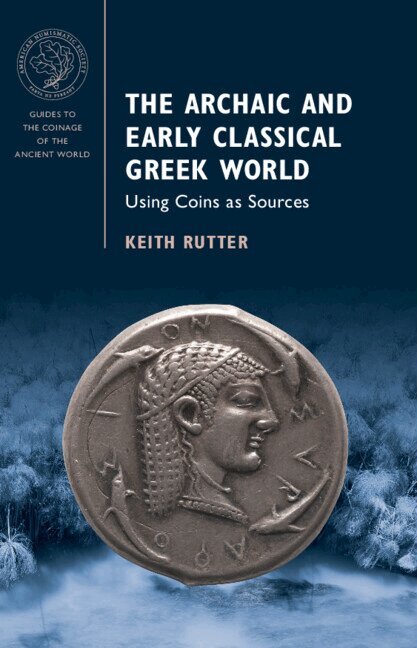
The Archaic and Early Classical Greek World
Using Coins as Sources
Av Keith Rutter
Inbunden, 2026
1272 kr
Lägg i varukorg
The western tradition of coinage began in Asia Minor around 650 BCE and from there the idea spread quite rapidly to other parts of the Mediterranean. This book describes and evaluates developments in coinage down to the middle of the fifth century. Early coinage was not monolithic. The new medium …
Archaic and Early Classical Greek World
Using Coins as Sources
Av Keith Rutter
E-bok, 2026
470 kr
Lägg i varukorg
Archaic and Early Classical Greek World
Using Coins as Sources
Av Keith Rutter
E-bok, 2026
470 kr
Lägg i varukorg
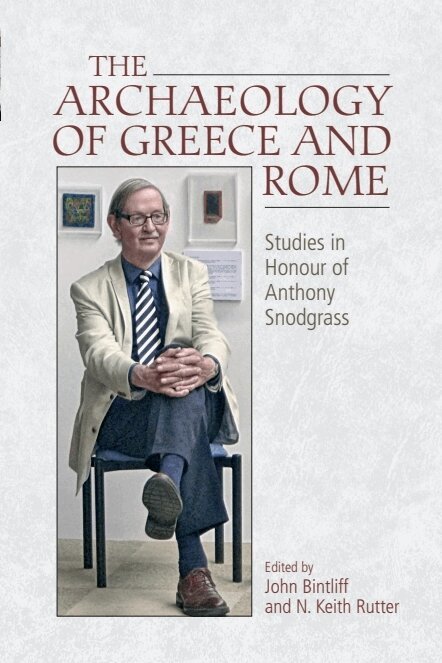
Archaeology of Greece and Rome
Studies in Honour of Anthony Snodgrass
Av John Bintliff, Keith Rutter
Inbunden, 2016
1608 kr
Lägg i varukorg
Over his long and illustrious career as Lecturer, Reader and Professor in Edinburgh University (1961-1976), Lawrence Professor of Classical Archaeology at Cambridge (1976-2001) and currently Fellow of the McDonald Institute of Archaeology at Cambridge, Anthony Snodgrass has influenced and been …
Coinages in the Achaemenid Empire
Av Keith Rutter
E-bok, 2026
2266 kr
Lägg i varukorg
The Achaemenid Empire was huge and the material available for studying it is disparate.The coinages produced in the empire offer distinctive perspectives and provide insights into crucial questions about how the empire was organised and administered. The numismatic evidence is particularly …
Coinages in the Achaemenid Empire
Av Keith Rutter
E-bok, 2026
2266 kr
Lägg i varukorg
The Achaemenid Empire was huge and the material available for studying it is disparate.The coinages produced in the empire offer distinctive perspectives and provide insights into crucial questions about how the empire was organised and administered. The numismatic evidence is particularly …