Kenneth M. Cuno – författare
Visar alla böcker från författaren Kenneth M. Cuno. Handla med fri frakt och snabb leverans.
9 produkter
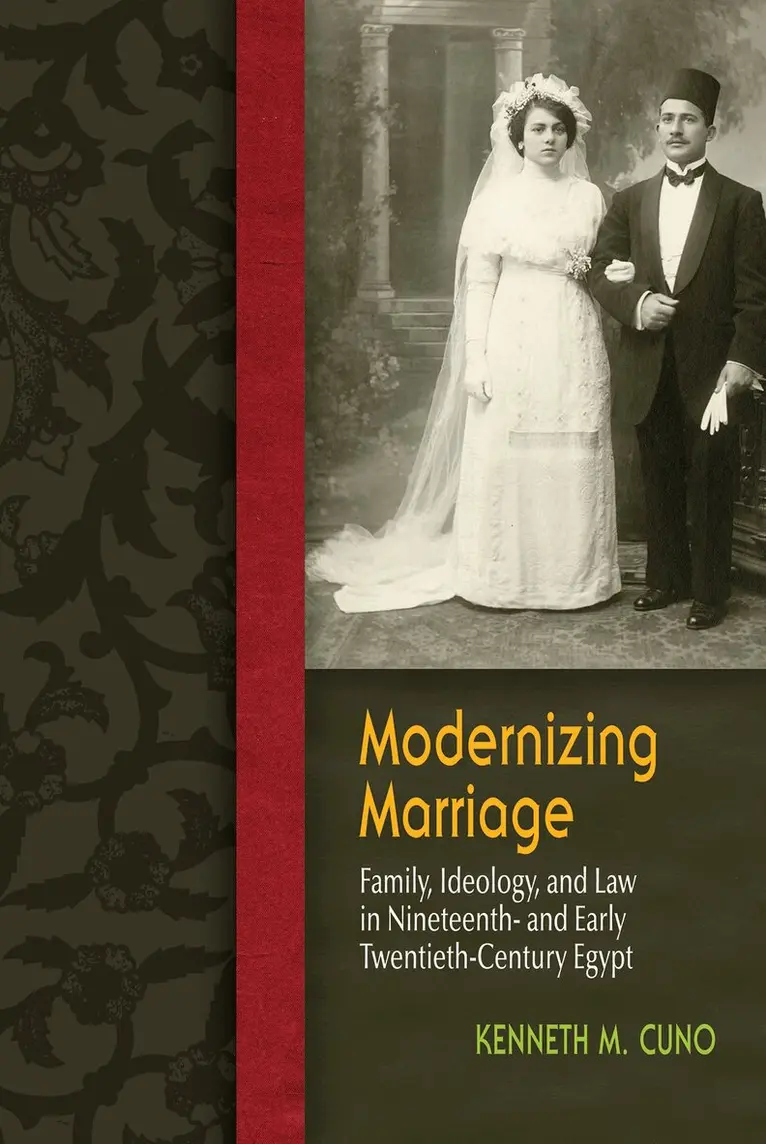
Modernizing Marriage
Family, Ideology, and Law in Nineteenth- and Early Twentieth-Century Egypt
Häftad, 2018
281 kr
Lägg i varukorg
In 1910, when Khedive Abbas II married a second wife surreptitiously, the contrast with his openly polygamous grandfather, Ismail, whose multiple wives and concubines signified his grandeur and masculinity, could not have been greater. That contrast reflected the spread of new ideals of family life …
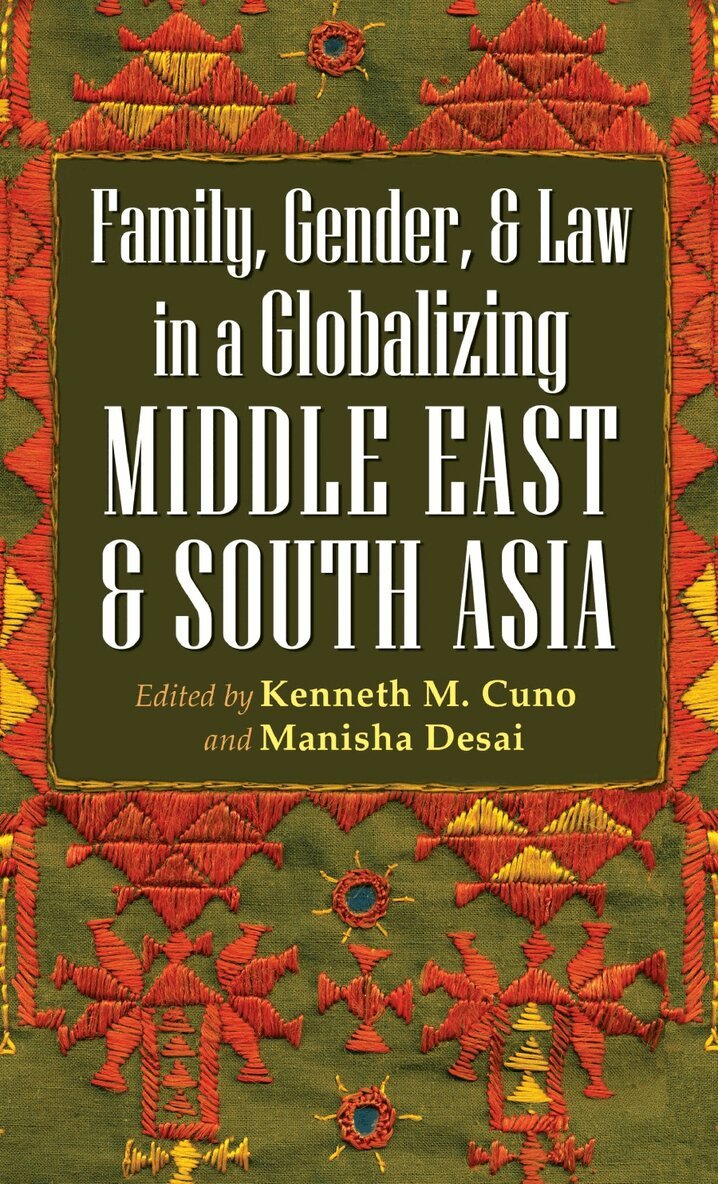
Family, Gender, and Law in a Globalizing Middle East and South Asia
Av Kenneth M. Cuno, Manisha Desai
Inbunden, 2009
4,0 utav 5 stjärnor. Totalt antal röster: (1)
470 kr
Lägg i varukorg
The essays in this collection examine issues of gender, family, and law in the Middle East and South Asia. In particular, the authors address the impact of colonialism on law, family, and gender relations; the role of religious politics in writing family law and the implications for gender …
Family, Gender, and Law in a Globalizing Middle East and South Asia
Av Manisha Desai, Kenneth M. Cuno
E-bok, 2009
542 kr
Lägg i varukorg
The essays in this collection examine issues of gender, family, and law in the Middle East and South Asia. In particular, the authors address the impact of colonialism on law, family, and gender relations; the role of religious politics in writing family law and the implications for gender …
Modernizing Marriage
Family, Ideology, and Law in Nineteenth- and Early Twentieth-Century Egypt
E-bok, 2015
332 kr
Lägg i varukorg
In 1910, when Khedive Abbas II married a second wife surreptitiously, the contrast with his openly polygamous grandfather, Ismail, whose multiple wives and concubines signified his grandeur and masculinity, could not have been greater. That contrast reflected the spread of new ideals of family life …
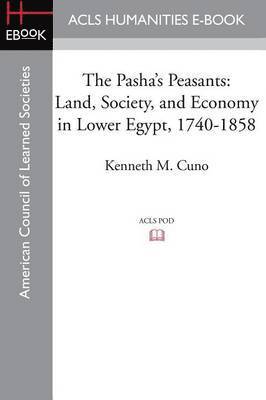
Pasha's Peasants
Land, Society, and Economy in Lower Egypt, 1740-1858
Inbunden, 2014
809 kr
Lägg i varukorg
Pasha's Peasants
Land, Society, and Economy in Lower Egypt, 1740-1858
Häftad, 2014
569 kr
Lägg i varukorg
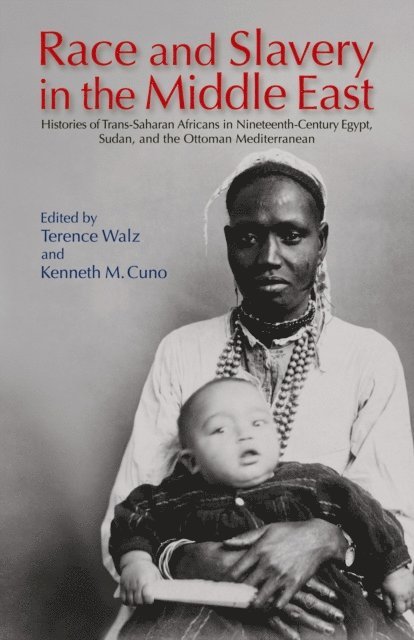
Race and Slavery in the Middle East
Histories of Trans-Saharan Africans in 19th-Century Egypt, Sudan, and the Ottoman Mediterranean
Av Kenneth M. Cuno, Terence Walz
E-bok, 2010
347 kr
Lägg i varukorg
In the nineteenth century hundreds of thousands of Africans were forcibly migrated northward to Egypt and other eastern Mediterranean destinations, yet relatively little is known about them. Studies have focused mainly on the mamluk and harem slaves of elite households, who were mostly white, and …
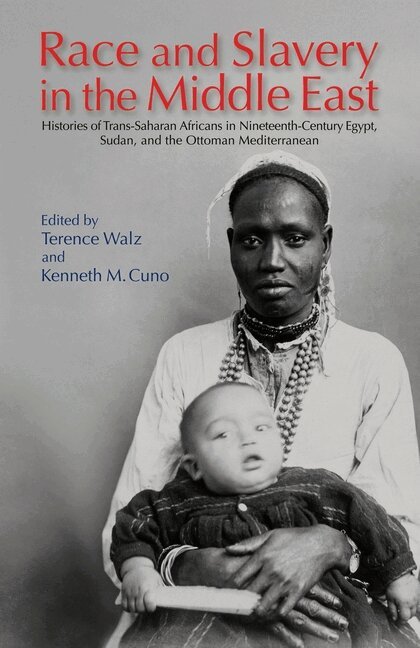
Race and Slavery in the Middle East
Histories of Trans-Saharan Africans in Nineteenth-Century Egypt, Sudan, and the Ottoman Mediterranean
Av Terence Walz, Kenneth M. Cuno
Häftad, 2026
519 kr
Lägg i varukorg
"A must read for any social historian of the region.”—The American Historical ReviewThe individual lives of African slaves in the Middle East, with a new afterword, new in paperbackIn the nineteenth century hundreds of thousands of Africans were forcibly migrated northward to Egypt and other …
Race and Slavery in the Middle East
Histories of Trans-Saharan Africans in Nineteenth-Century Egypt, Sudan, and the Ottoman Mediterranean
Av Terence Walz, Kenneth M. Cuno
Inbunden, 2011
449 kr
Lägg i varukorg
In the nineteenth century hundreds of thousands of Africans were forcibly migrated northward to Egypt and other eastern Mediterranean destinations, yet relatively little is known about them. Studies have focused mainly on the mamluk and harem slaves of elite households, who were mostly white, and …