Kent V Flannery – författare
Visar alla böcker från författaren Kent V Flannery. Handla med fri frakt och snabb leverans.
23 produkter
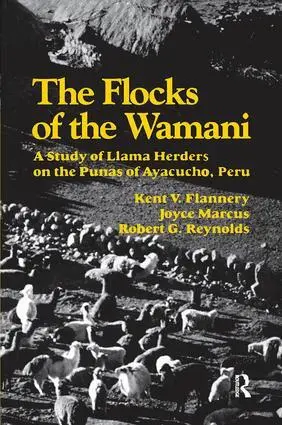
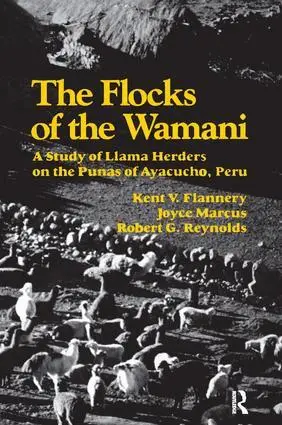
Flocks of the Wamani
A Study of Llama Herders on the Punas of Ayacucho, Peru
Av Kent V Flannery, Joyce Marcus m. fl.
Inbunden, 2017
3070 kr
Lägg i varukorg
In this volume, the authors present an original ethnographic study of five llama herding communities in Ayacucho, Peru. Data on herd dynamics are subjected to computer modeling in an effort to evaluate the roles of biology, symbolic and ritual behavior, ecological adaptation, and practical reason. …
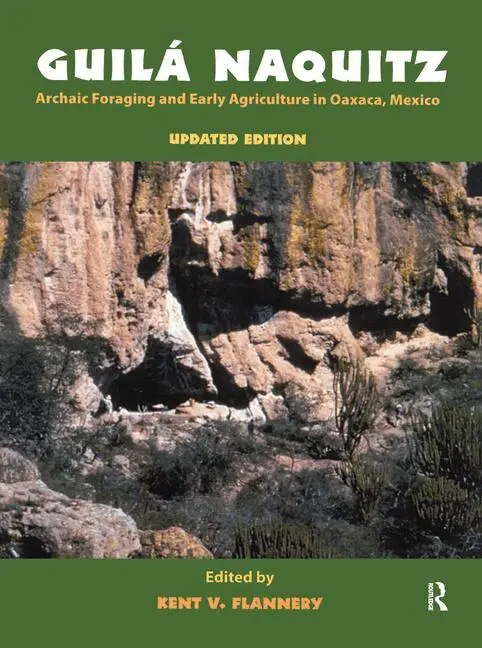
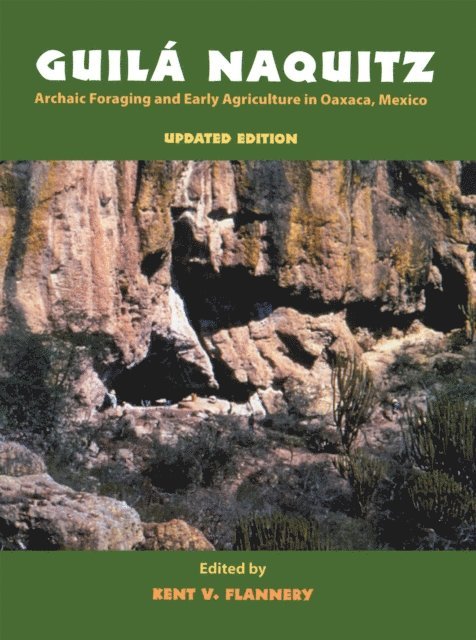
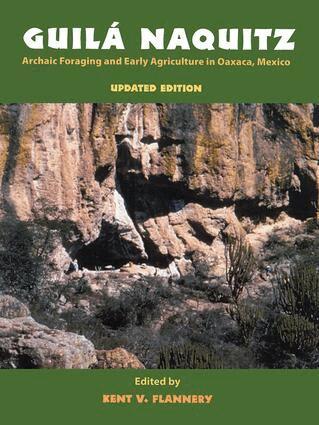
Guila Naquitz
Archaic Foraging and Early Agriculture in Oaxaca, Mexico, Updated Edition
Inbunden, 2020
3162 kr
Lägg i varukorg
This volume reports on the excavation of Guil�aquitz cave in Oaxaca, a site that provides important evidence for the earliest plant domestication in the New World. Stratigraphic studies, examinations of artifactual and botanical remains, simulations, and an imaginative reconstruction make this a …
Flocks of the Wamani
A Study of Llama Herders on the Punas of Ayacucho, Peru
Av Robert G Reynolds, Joyce Marcus m. fl.
E-bok, 2016
1472 kr
Lägg i varukorg
In this volume, the authors present an original ethnographic study of five llama herding communities in Ayacucho, Peru. Data on herd dynamics are subjected to computer modeling in an effort to evaluate the roles of biology, symbolic and ritual behavior, ecological adaptation, and practical reason. …
Flocks of the Wamani
A Study of Llama Herders on the Punas of Ayacucho, Peru
Av Robert G Reynolds, Joyce Marcus m. fl.
E-bok, 2016
1472 kr
Lägg i varukorg
In this volume, the authors present an original ethnographic study of five llama herding communities in Ayacucho, Peru. Data on herd dynamics are subjected to computer modeling in an effort to evaluate the roles of biology, symbolic and ritual behavior, ecological adaptation, and practical reason. …
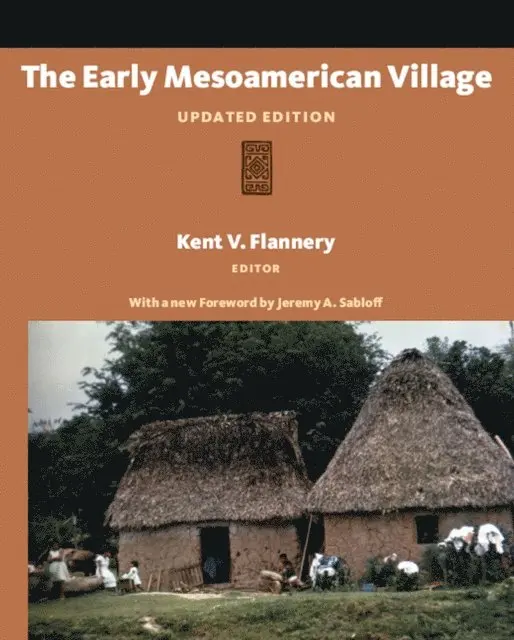
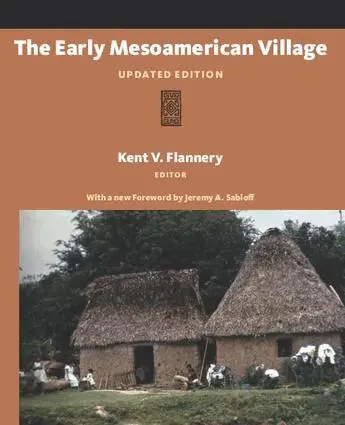
Early Mesoamerican Village
Updated Edition
E-bok, 2019
927 kr
Lägg i varukorg
One of the classic works of archaeology, The Early Mesoamerican Village was among the first studies to fully embrace the processual movement of the 1970s. Dancing around an ongoing dialogue on methods and goals between the Real Mesoamerican Archaeologist, the Great Synthesizer, and the Skeptical …
Early Mesoamerican Village
Updated Edition
E-bok, 2019
927 kr
Lägg i varukorg
One of the classic works of archaeology, The Early Mesoamerican Village was among the first studies to fully embrace the processual movement of the 1970s. Dancing around an ongoing dialogue on methods and goals between the Real Mesoamerican Archaeologist, the Great Synthesizer, and the Skeptical …
Guila Naquitz
Archaic Foraging and Early Agriculture in Oaxaca, Mexico, Updated Edition
E-bok, 2021
2318 kr
Lägg i varukorg
This volume reports on the excavation of Guilá Naquitz cave in Oaxaca, a site that provides important evidence for the earliest plant domestication in the New World. Stratigraphic studies, examinations of artifactual and botanical remains, simulations, and an imaginative reconstruction make this a …
Guila Naquitz
Archaic Foraging and Early Agriculture in Oaxaca, Mexico, Updated Edition
E-bok, 2021
2318 kr
Lägg i varukorg
This volume reports on the excavation of Guilá Naquitz cave in Oaxaca, a site that provides important evidence for the earliest plant domestication in the New World. Stratigraphic studies, examinations of artifactual and botanical remains, simulations, and an imaginative reconstruction make this a …
Flocks of the Wamani
A Study of Llama Herders on the Punas of Ayacucho, Peru
Av Kent V Flannery, Joyce Marcus m. fl.
Häftad, 2008
1284 kr
Lägg i varukorg
In this volume, the authors present an original ethnographic study of five llama herding communities in Ayacucho, Peru. Data on herd dynamics are subjected to computer modeling in an effort to evaluate the roles of biology, symbolic and ritual behavior, ecological adaptation, and practical reason. …
Early Mesoamerican Village
Updated Edition
Häftad, 1976
788 kr
Lägg i varukorg
One of the classic works of archaeology, The Early Mesoamerican Village was among the first studies to fully embrace the processual movement of the 1970s. Dancing around an ongoing dialogue on methods and goals between the Real Mesoamerican Archaeologist, the Great Synthesizer, and the Skeptical …
Guila Naquitz
Archaic Foraging and Early Agriculture in Oaxaca, Mexico, Updated Edition
Häftad, 2009
1960 kr
Lägg i varukorg
This volume reports on the excavation of Guilá Naquitz cave in Oaxaca, a site that provides important evidence for the earliest plant domestication in the New World. Stratigraphic studies, examinations of artifactual and botanical remains, simulations, and an imaginative reconstruction make this a …
Prehistory and Human Ecology of the Deh Luran Plain
An Early Village Sequence from Khuzistan, Iran
Av James A. Neely, Kent V. Flannery m. fl.
E-bok, 2020
473 kr
Lägg i varukorg
In the early 1960s, archaeologists Frank Hole, Kent V. Flannery, and James A. Neely surveyed the prehistoric mounds in Deh Luran and then excavated at two sites: Ali Kosh and Tepe Sabz. The researchers found evidence that the sites dated to between 7500 and 3500 BC, during which time the residents …
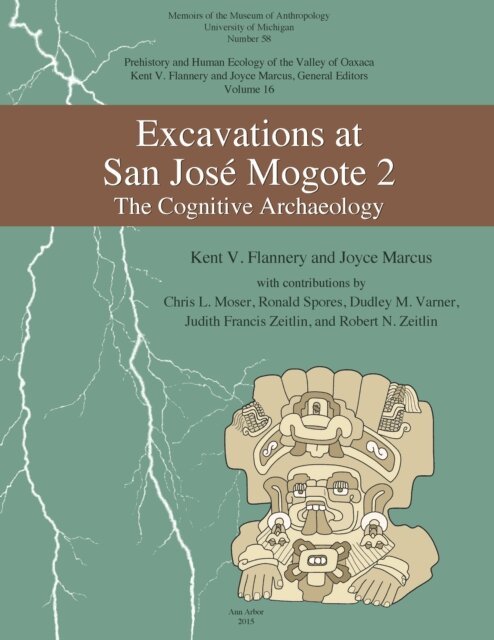
Excavations at San Jose Mogote 2
The Cognitive Archaeology
Av Joyce Marcus, Kent V. Flannery
E-bok, 2020
878 kr
Lägg i varukorg
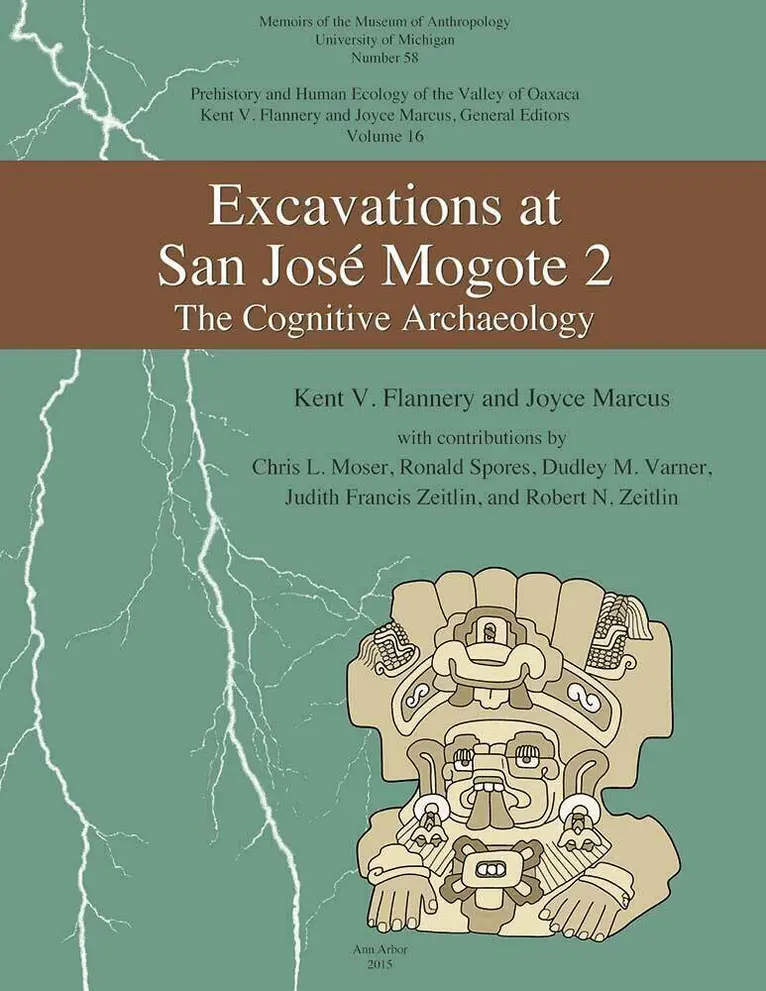
San José Mogote is a 60-70 ha Formative site in the northern Valley of Oaxaca, Mexico, which was occupied for a thousand years before the city of Monte Albán was founded. Filling 432 pages and utilizing more than 400 photographs and line drawings, this book describes in detail more than 35 public …
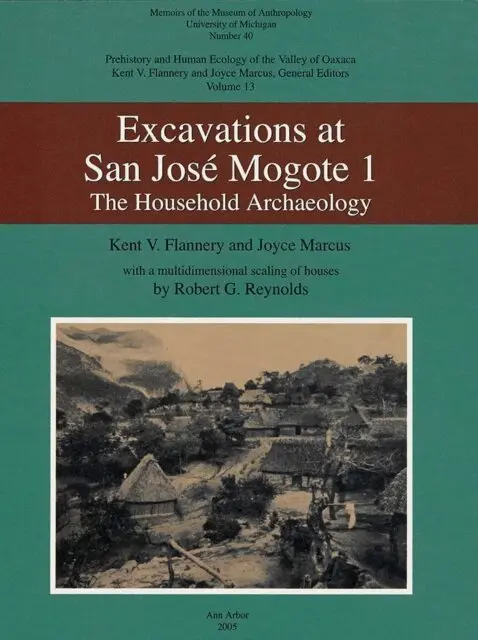
Excavation at San Jose Mogote 1
The Household Archaeology
Av Joyce Marcus, Kent V. Flannery
E-bok, 2020
878 kr
Lägg i varukorg
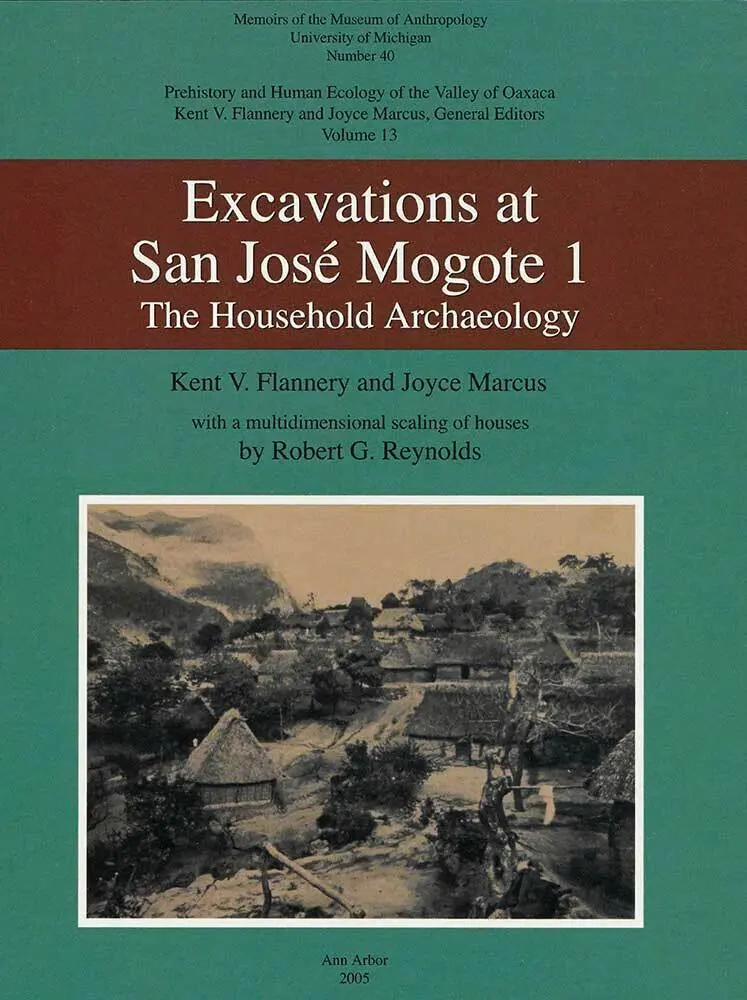
San José Mogote, an early village and chiefly center in Mexico’s Oaxaca Valley, was excavated over a fifteen-year period. This volume reports in detail on every Early and Middle Formative house recovered, including a complete inventory of artifacts, features, plants, animal bones, and craft raw …
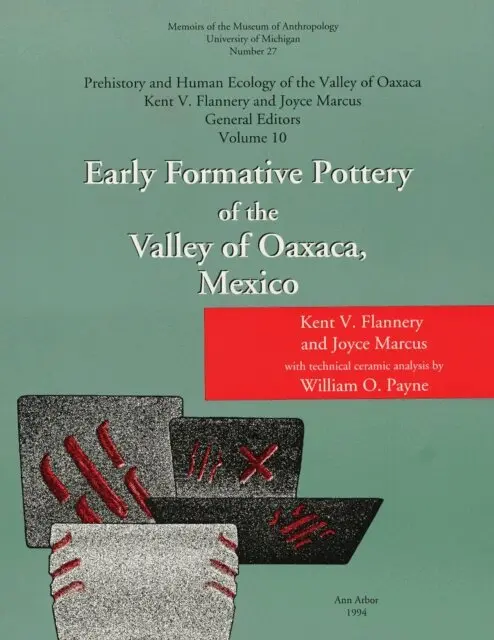
Early Formative Pottery of the Valley of Oaxaca
Av Joyce Marcus, Kent V. Flannery
E-bok, 2020
878 kr
Lägg i varukorg
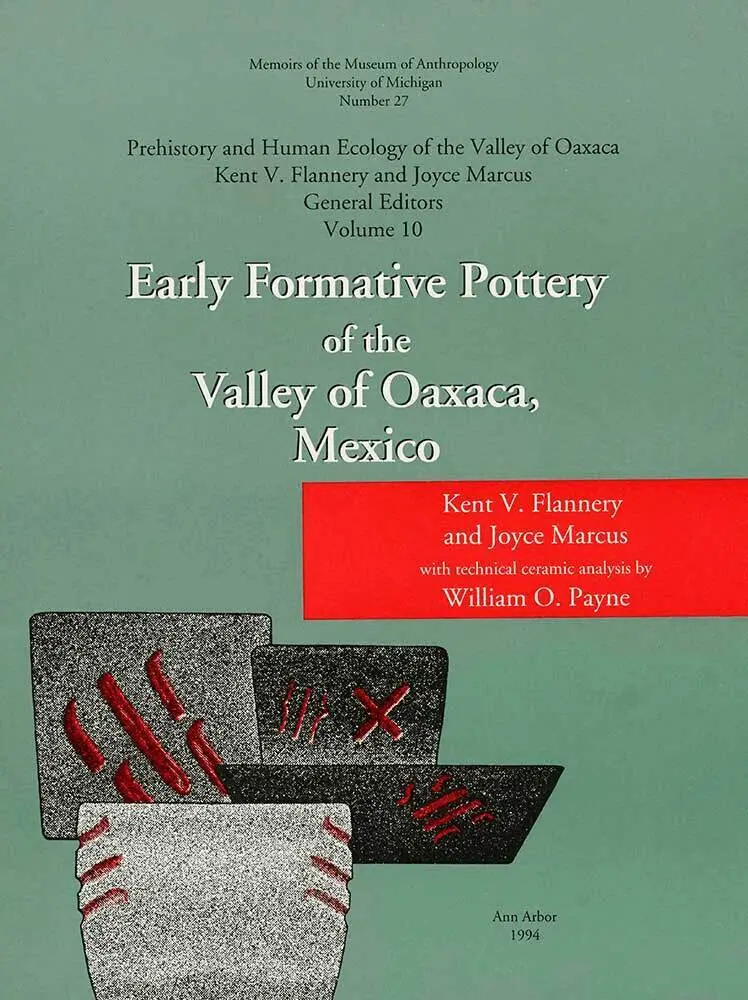
Using more than 300 illustrations, the authors present an encyclopedic analysis of the many types of pottery found in the Oaxaca Valley in the Early Formative period. From details of sherd profiles and tempers to discussions of the growth of various villages, this volume is an exhaustively thorough …
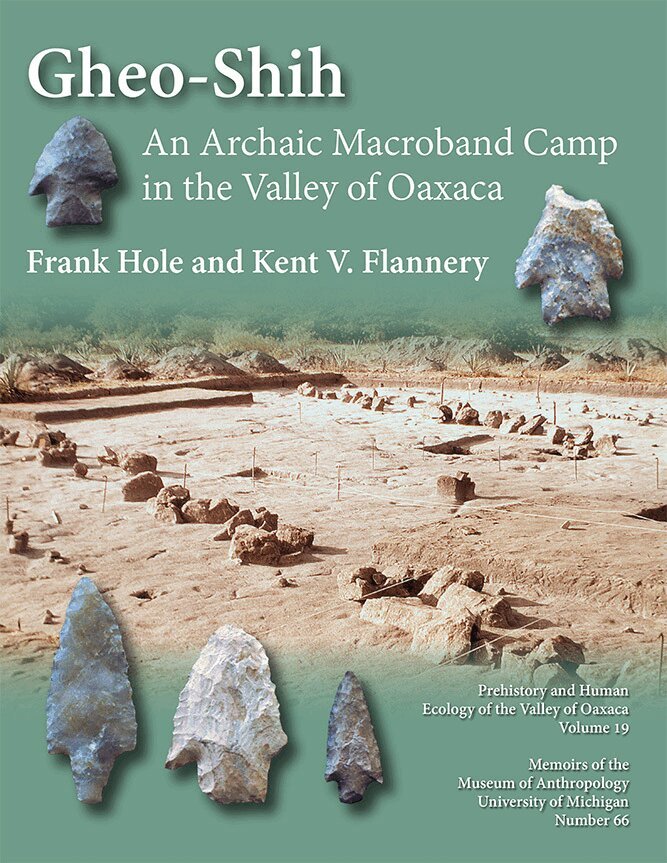
Gheo-Shih
An Archaic Macroband Camp in the Valley of Oaxaca
Av Frank Hole, Kent V. Flannery
Häftad, 2024
644 kr
Lägg i varukorg
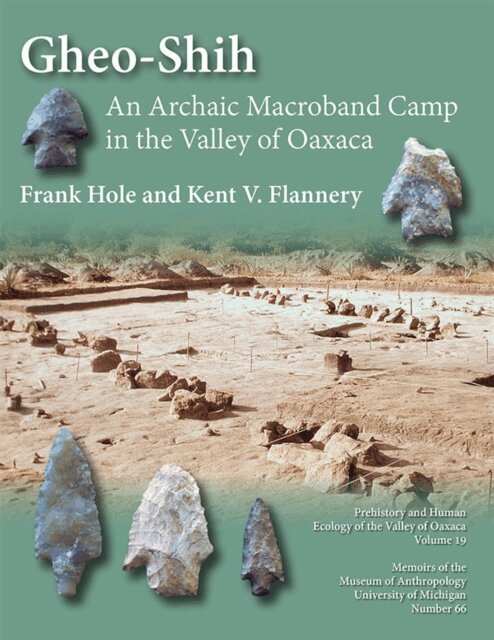
Gheo-Shih, an Archaic site in the Valley of Oaxaca, was a 1.5-hectare open-air macroband camp near the Mitla River. It was repeatedly occupied in the summer rainy season during the period (cal.) 7500–4000 BC, possibly by 25–50 people. At other times of the year the local population dispersed in …
Gheo-Shih
An Archaic Macroband Camp in the Valley of Oaxaca
Av Kent V. Flannery, Frank Hole
E-bok, 2024
976 kr
Lägg i varukorg
Gheo-Shih, an Archaic site in the Valley of Oaxaca, was a 1.5-hectare open-air macroband camp near the Mitla River. It was repeatedly occupied in the summer rainy season during the period (cal.) 7500–4000 BC, possibly by 25–50 people. At other times of the year the local population dispersed in …
Early Formative Pottery of the Valley of Oaxaca
Av Kent V. Flannery, Joyce Marcus
Häftad, 1994
582 kr
Tillfälligt slut
Using more than 300 illustrations, the authors present an encyclopedic analysis of the many types of pottery found in the Oaxaca Valley in the Early Formative period. From details of sherd profiles and tempers to discussions of the growth of various villages, this volume is an exhaustively thorough …
Excavation at San José Mogote 1
The Household Archaeology
Av Kent V. Flannery, Joyce Marcus
Häftad, 2005
582 kr
Tillfälligt slut
San José Mogote, an early village and chiefly center in Mexico’s Oaxaca Valley, was excavated over a fifteen-year period. This volume reports in detail on every Early and Middle Formative house recovered, including a complete inventory of artifacts, features, plants, animal bones, and craft raw …
Excavations at San José Mogote 2
The Cognitive Archaeology
Av Kent V. Flannery, Joyce Marcus
Häftad, 2015
582 kr
Tillfälligt slut
San José Mogote is a 60-70 ha Formative site in the northern Valley of Oaxaca, Mexico, which was occupied for a thousand years before the city of Monte Albán was founded. Filling 432 pages and utilizing more than 400 photographs and line drawings, this book describes in detail more than 35 public …
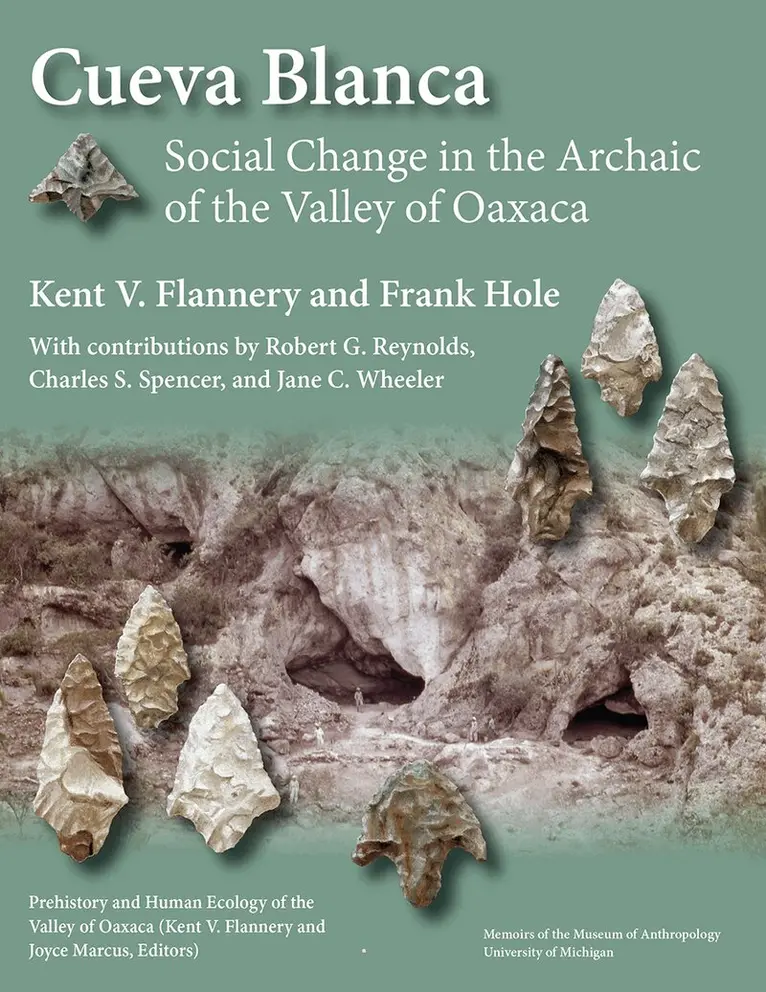
Cueva Blanca
Social Change in the Archaic of the Valley of Oaxaca
Av Kent V. Flannery, Frank Hole
Häftad, 2019
582 kr
Tillfälligt slut
Cueva Blanca lies in a volcanic tuff cliff some 4 km northwest of Mitla, Oaxaca, Mexico. It is one of a series of Archaic sites excavated by Kent Flannery and Frank Hole as part of a project on the prehistory and human ecology of the Valley of Oaxaca. The oldest stratigraphic level in Cueva Blanca …
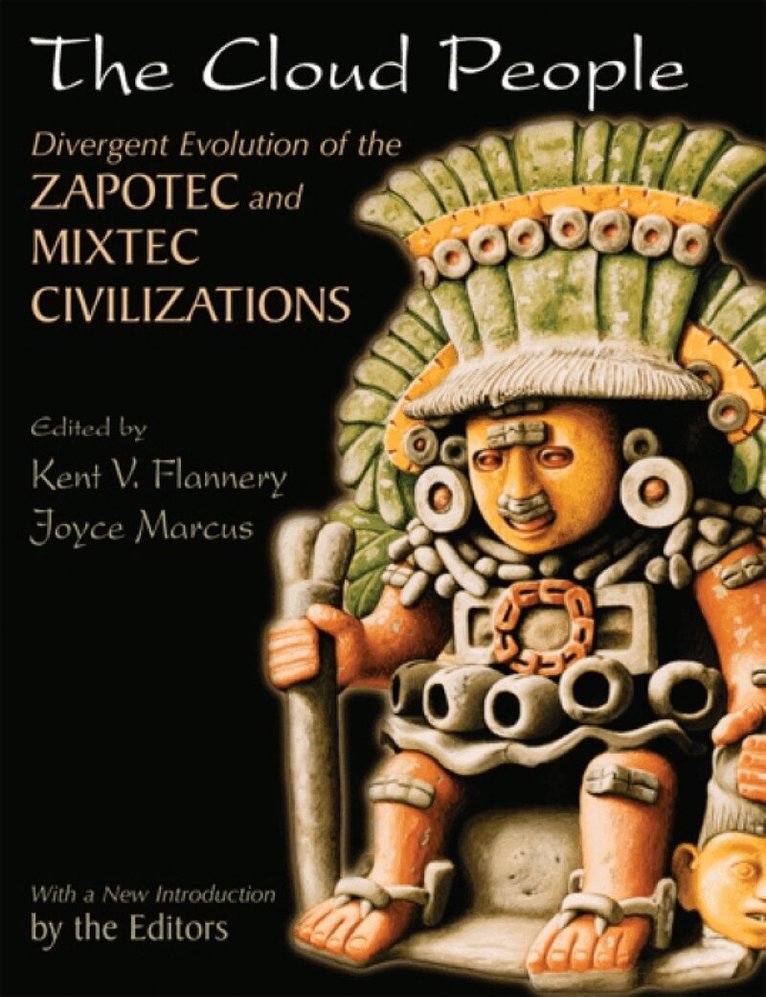
Cloud People
Divergent Evolution of the Zapotec and Mixtec Civilizations
Av Joyce Marcus, Kent V. Flannery
Häftad, 2003
709 kr
Tillfälligt slut
A case study in the divergent evolution of Mexico’s Zapotec and Mixtec civilizations, this collection has become a basic resource in the literature of Mesoamerican prehistory and has been widely cited by scholars working on divergent evolution in other parts of the world. Originally published by …
Prehistory and Human Ecology of the Deh Luran Plain
An Early Village Sequence from Khuzistan, Iran
Av Frank Hole, Kent V. Flannery m. fl.
Häftad, 1969
333 kr
Tillfälligt slut
In the early 1960s, archaeologists Frank Hole, Kent V. Flannery, and James A. Neely surveyed the prehistoric mounds in Deh Luran and then excavated at two sites: Ali Kosh and Tepe Sabz. The researchers found evidence that the sites dated to between 7500 and 3500 BC, during which time the residents …