Kevin Buckelew - Böcker
Visar alla böcker från författaren Kevin Buckelew. Handla med fri frakt och snabb leverans.
4 produkter
4 produkter
1 107 kr
Skickas inom 7-10 vardagar
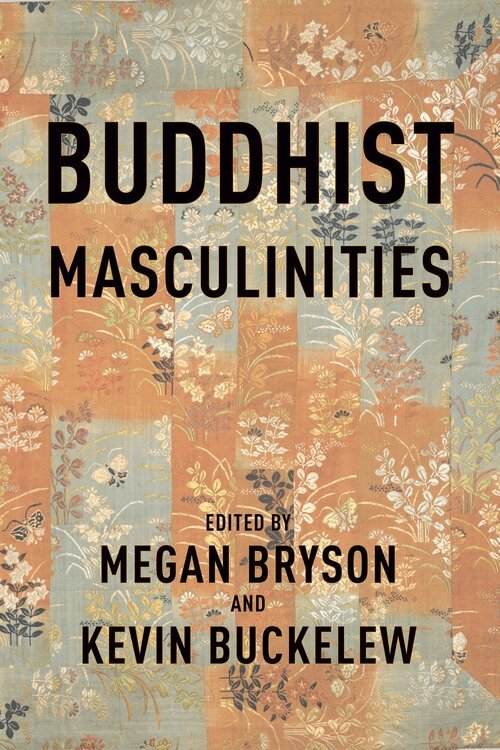
While early Buddhists hailed their religion’s founder for opening a path to enlightenment, they also exalted him as the paragon of masculinity. According to Buddhist scriptures, the Buddha’s body boasts thirty-two physical features, including lionlike jaws, thighs like a royal stag, broad shoulders, and a deep, resonant voice, that distinguish him from ordinary men. As Buddhism spread throughout Asia and around the world, the Buddha remained an exemplary man, but Buddhists in other times and places developed their own understandings of what it meant to be masculine.This transdisciplinary book brings together essays that explore the variety and diversity of Buddhist masculinities, from early India to the contemporary United States and from bodhisattva-kings to martial monks. Buddhist Masculinities adopts the methods of religious studies, anthropology, art history, textual-historical studies, and cultural studies to explore texts, images, films, media, and embodiments of masculinity across the Buddhist world, past and present. It turns scholarly attention to normative forms of masculinity that usually go unmarked and unstudied precisely because they are “normal,” illuminating the religious and cultural processes that construct Buddhist masculinities. Engaging with contemporary issues of gender identity, intersectionality, and sexual ethics, Buddhist Masculinities ushers in a new era for the study of Buddhism and gender.
282 kr
Skickas inom 7-10 vardagar
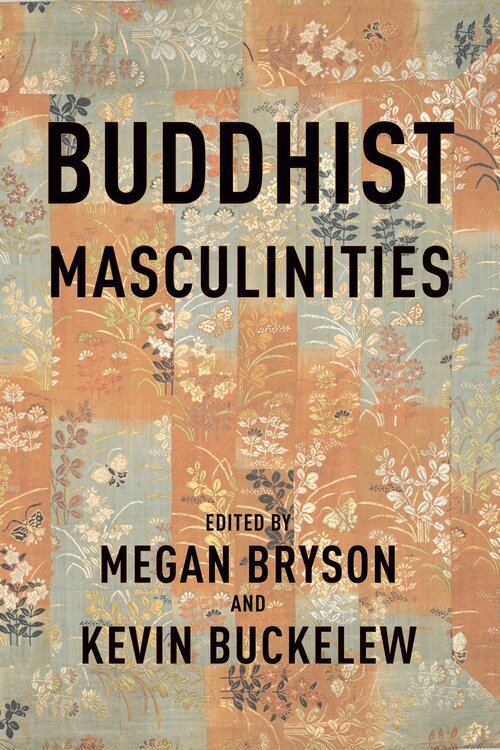
While early Buddhists hailed their religion’s founder for opening a path to enlightenment, they also exalted him as the paragon of masculinity. According to Buddhist scriptures, the Buddha’s body boasts thirty-two physical features, including lionlike jaws, thighs like a royal stag, broad shoulders, and a deep, resonant voice, that distinguish him from ordinary men. As Buddhism spread throughout Asia and around the world, the Buddha remained an exemplary man, but Buddhists in other times and places developed their own understandings of what it meant to be masculine.This transdisciplinary book brings together essays that explore the variety and diversity of Buddhist masculinities, from early India to the contemporary United States and from bodhisattva-kings to martial monks. Buddhist Masculinities adopts the methods of religious studies, anthropology, art history, textual-historical studies, and cultural studies to explore texts, images, films, media, and embodiments of masculinity across the Buddhist world, past and present. It turns scholarly attention to normative forms of masculinity that usually go unmarked and unstudied precisely because they are “normal,” illuminating the religious and cultural processes that construct Buddhist masculinities. Engaging with contemporary issues of gender identity, intersectionality, and sexual ethics, Buddhist Masculinities ushers in a new era for the study of Buddhism and gender.
1 107 kr
Skickas inom 7-10 vardagar
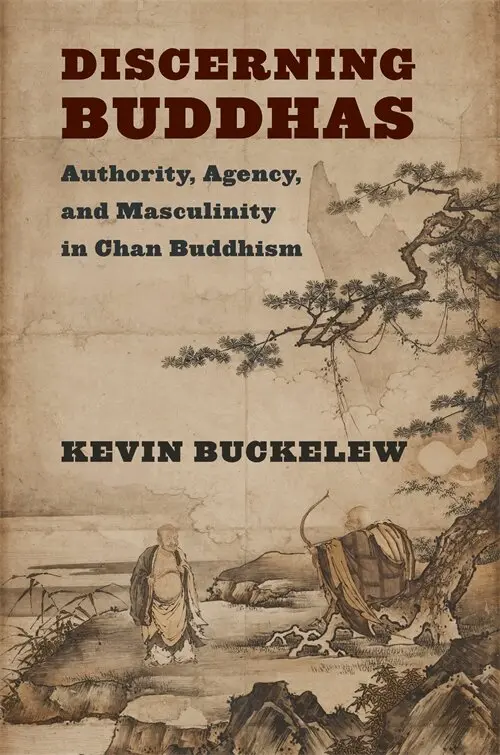
In Song-period China (960–1279 CE), masters in the Chan (Japanese Zen) school of Buddhism were presented as sources of religious authority on par with the Buddha, an almost unthinkably lofty status before the rise of Chan. This claim carried great rhetorical power, facilitating Chan’s appeal to Buddhist monastics and powerful patrons alike. But it also raised a challenging question for Chan Buddhists, who insisted that buddhahood properly transcends all worldly marks: By what signs could one recognize a Chan master as a buddha?Discerning Buddhas argues that Chan Buddhists wove together tropes of sovereignty, hospitality, and martial heroism drawn from both Buddhist tradition and China’s cultural heritage to develop a distinctive vision of what it meant for a Chan master to be a buddha in Song-period China. Kevin Buckelew analyzes the ways Chan Buddhists deployed such tropes in ritual, literature, and visual culture in order to stage the comparison of Chan mastery with buddhahood. He examines how they used the concept of buddhahood to work through questions about the ideal Chan master’s authority, agency, and masculinity, in the process rendering buddhahood in terms highly legible to elite Chinese society.Chan Buddhists, Buckelew shows, developed their own “signature” of buddhahood, according to which enlightened Chan masters who truly deserved comparison to the Buddha were supposed to be distinguished from everyone else. By exploring the resulting Chan culture of discernment, which raised fundamental questions about Buddhist authority at a pivotal inflection point in Chinese history, this book offers fresh insight into the place of Buddhism in Chinese society.
282 kr
Skickas inom 7-10 vardagar
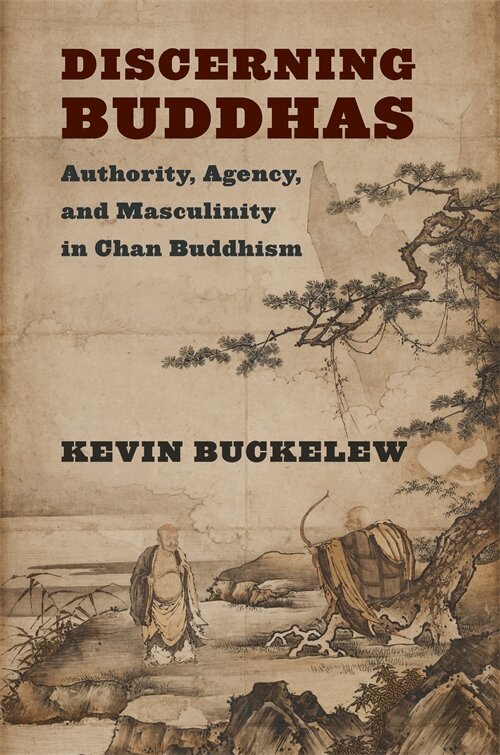
In Song-period China (960–1279 CE), masters in the Chan (Japanese Zen) school of Buddhism were presented as sources of religious authority on par with the Buddha, an almost unthinkably lofty status before the rise of Chan. This claim carried great rhetorical power, facilitating Chan’s appeal to Buddhist monastics and powerful patrons alike. But it also raised a challenging question for Chan Buddhists, who insisted that buddhahood properly transcends all worldly marks: By what signs could one recognize a Chan master as a buddha?Discerning Buddhas argues that Chan Buddhists wove together tropes of sovereignty, hospitality, and martial heroism drawn from both Buddhist tradition and China’s cultural heritage to develop a distinctive vision of what it meant for a Chan master to be a buddha in Song-period China. Kevin Buckelew analyzes the ways Chan Buddhists deployed such tropes in ritual, literature, and visual culture in order to stage the comparison of Chan mastery with buddhahood. He examines how they used the concept of buddhahood to work through questions about the ideal Chan master’s authority, agency, and masculinity, in the process rendering buddhahood in terms highly legible to elite Chinese society.Chan Buddhists, Buckelew shows, developed their own “signature” of buddhahood, according to which enlightened Chan masters who truly deserved comparison to the Buddha were supposed to be distinguished from everyone else. By exploring the resulting Chan culture of discernment, which raised fundamental questions about Buddhist authority at a pivotal inflection point in Chinese history, this book offers fresh insight into the place of Buddhism in Chinese society.