Kevin De Ornellas – författare
Visar alla böcker från författaren Kevin De Ornellas. Handla med fri frakt och snabb leverans.
5 produkter
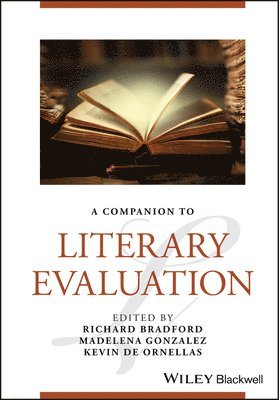
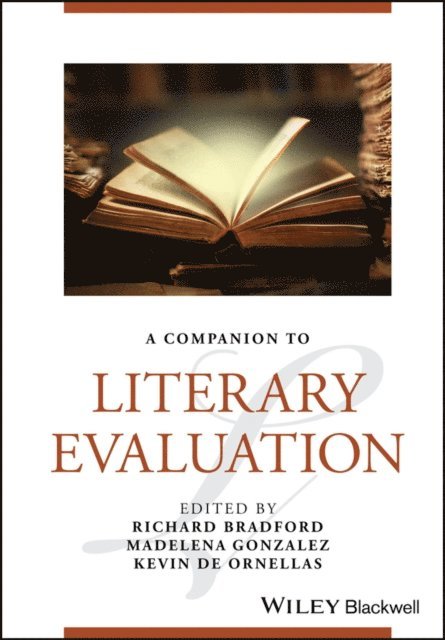
Companion to Literary Evaluation
Av Richard Bradford, Richard Bradford m. fl.
Inbunden, 2024
1985 kr
Lägg i varukorg
The first critical survey of its kind devoted solely to literary evaluation Companion to Literary Evaluation bridges the gap between the non-academic literary world, where evaluation is deeply ingrained, and the world of academia, where evaluation is rarely considered. Encouraging readers to …
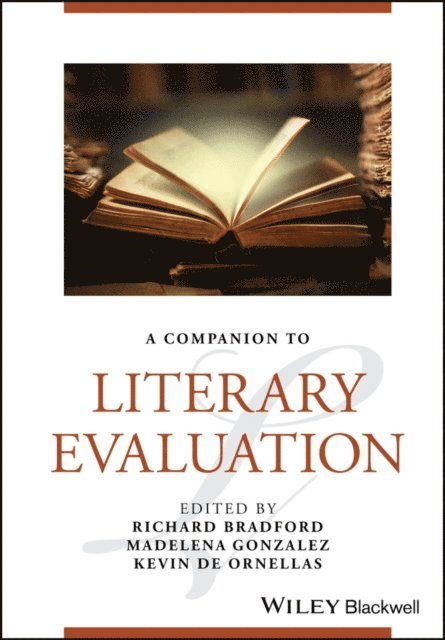
Companion to Literary Evaluation
Av Kevin De Ornellas, Madelena Gonzalez m. fl.
E-bok, 2024
2601 kr
Lägg i varukorg
The first critical survey of its kind devoted solely to literary evaluation Companion to Literary Evaluation bridges the gap between the non-academic literary world, where evaluation is deeply ingrained, and the world of academia, where evaluation is rarely considered. Encouraging readers to …
Companion to Literary Evaluation
Av Kevin De Ornellas, Madelena Gonzalez m. fl.
E-bok, 2024
604 kr
Lägg i varukorg
The first critical survey of its kind devoted solely to literary evaluation Companion to Literary Evaluation bridges the gap between the non-academic literary world, where evaluation is deeply ingrained, and the world of academia, where evaluation is rarely considered. Encouraging readers to …
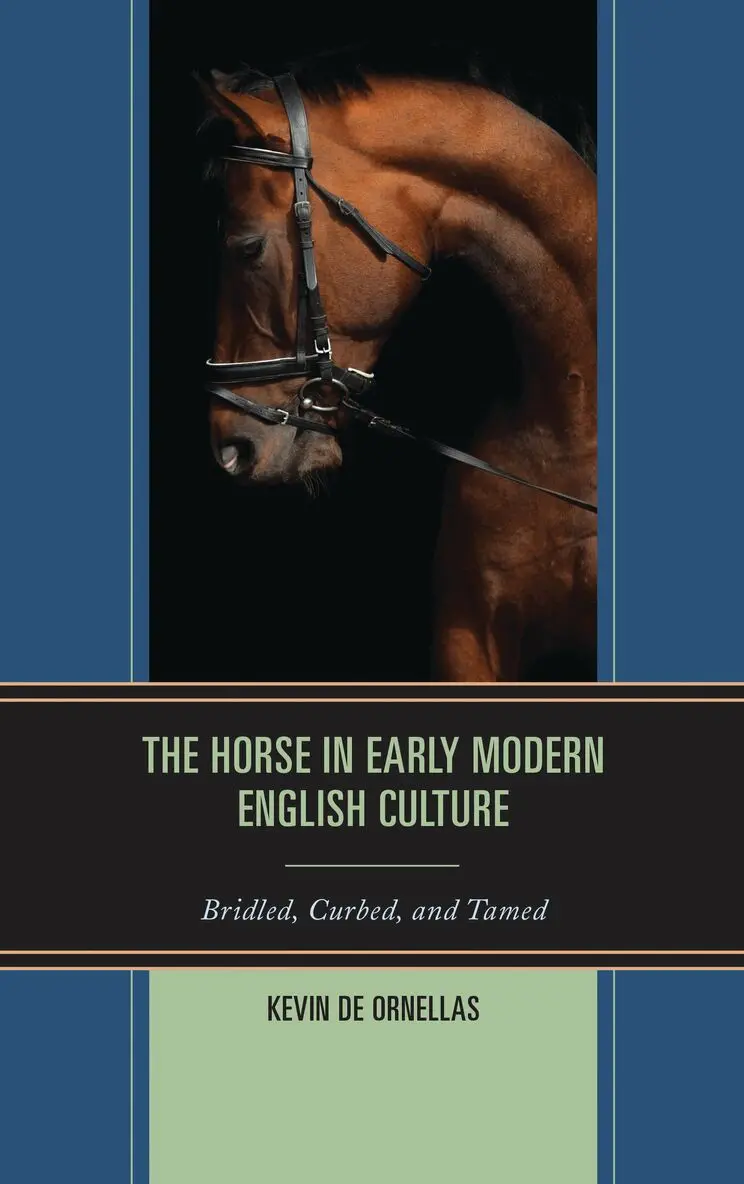
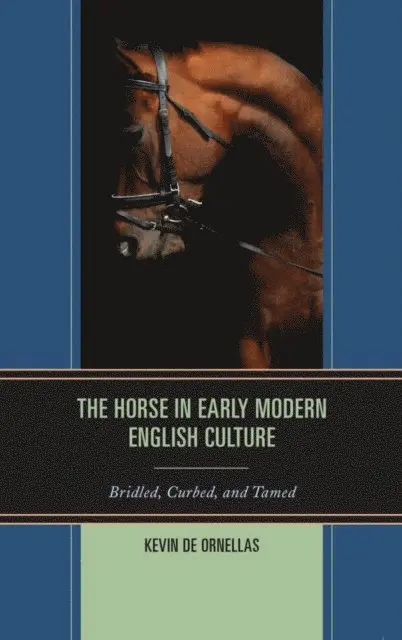
Horse in Early Modern English Culture
Bridled, Curbed, and Tamed
Inbunden, 2013
1388 kr
Lägg i varukorg
Kevin De Ornellas argues that in Renaissance England the relationship between horse and rider works as an unambiguous symbol of domination by the strong over the weak. There was little sentimental concern for animal welfare, leading to the routine abuse of the material animal. This unproblematic, …
Horse in Early Modern English Culture
Bridled, Curbed, and Tamed
E-bok, 2013
1524 kr
Lägg i varukorg
Kevin De Ornellas argues that in Renaissance England the relationship between horse and rider works as an unambiguous symbol of domination by the strong over the weak. There was little sentimental concern for animal welfare, leading to the routine abuse of the material animal. This unproblematic, …