Kevin Quashie – författare
Visar alla böcker från författaren Kevin Quashie. Handla med fri frakt och snabb leverans.
7 produkter
7 produkter
298 kr
Skickas
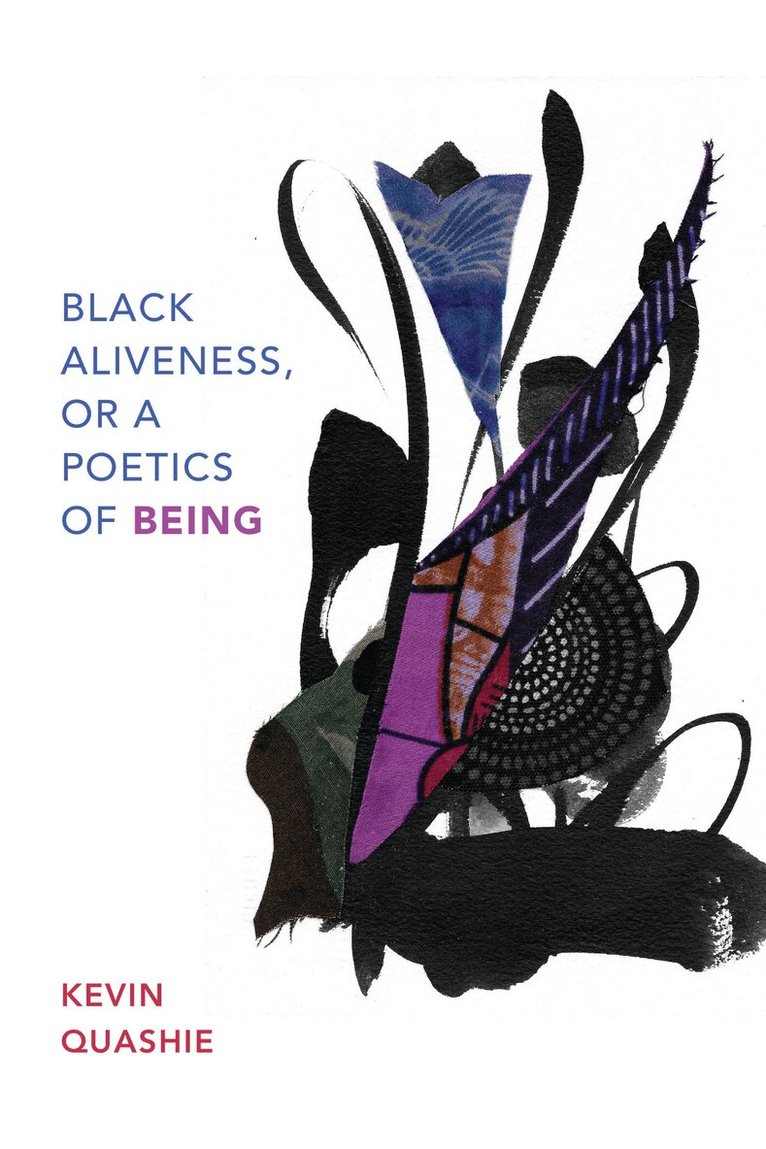
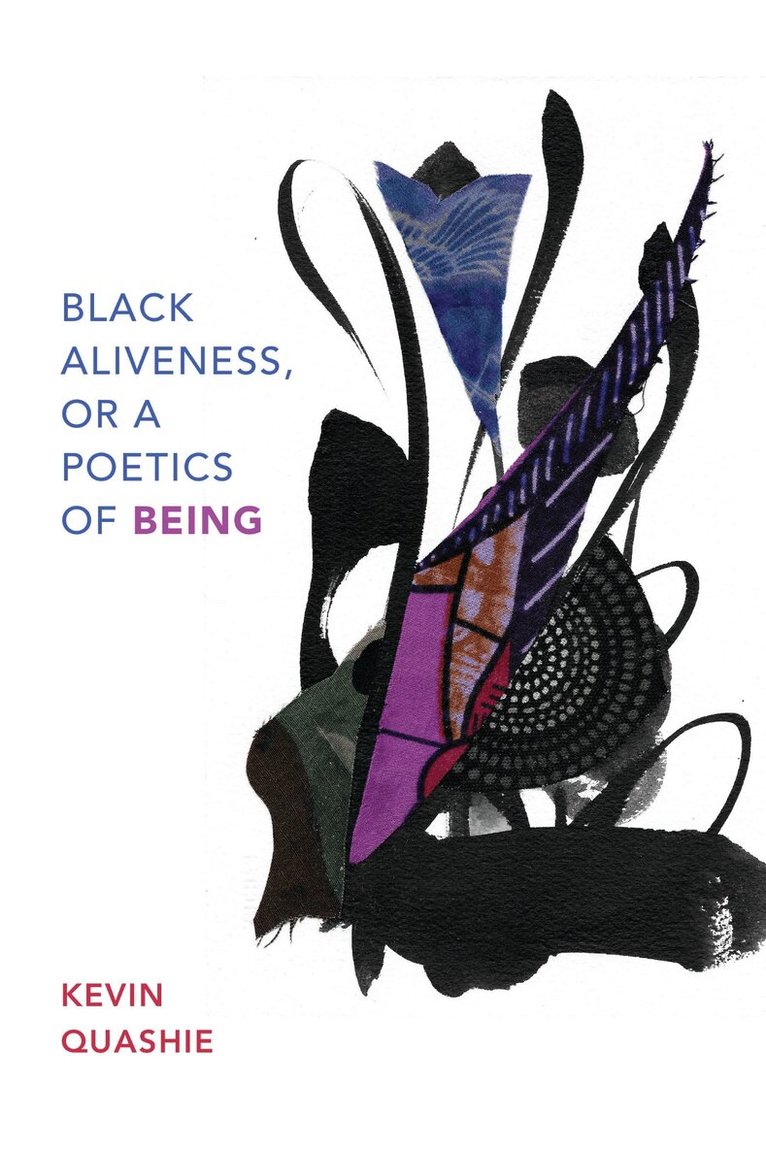
In Black Aliveness, or A Poetics of Being, Kevin Quashie imagines a Black world in which one encounters Black being as it is rather than only as it exists in the shadow of anti-Black violence. As such, he makes a case for Black aliveness even in the face of the persistence of death in Black life and Black study. Centrally, Quashie theorizes aliveness through the aesthetics of poetry, reading poetic inhabitance in Black feminist literary texts by Lucille Clifton, Audre Lorde, June Jordan, Toni Morrison, and Evie Shockley, among others, showing how their philosophical and creative thinking constitutes worldmaking. This worldmaking conceptualizes Blackness as capacious, relational beyond the normative terms of recognition-Blackness as a condition of oneness. Reading for poetic aliveness, then, becomes a means of exploring Black being rather than nonbeing and animates the ethical question “how to be.” In this way, Quashie offers a Black feminist philosophy of being, which is nothing less than a philosophy of the becoming of the Black world.
463 kr
Skickas inom 7-10 vardagar
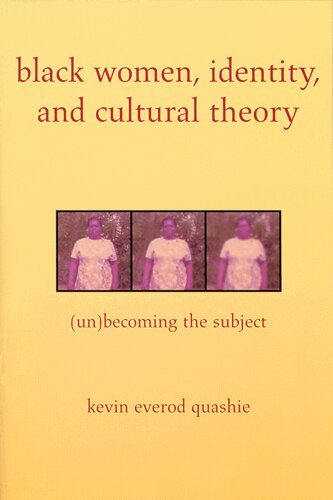
In Black Women, Identity, and Cultural Theory, Kevin Everod Quashie explores the metaphor of the “girlfriend” as a new way of understanding three central concepts of cultural studies: self, memory, and language. He considers how the work of writers such as Toni Morrison, Ama Ata Aidoo, Dionne Brand, photographer Lorna Simpson, and many others, inform debates over the concept of identity. Quashie argues that these authors and artists replace the notion of a stable, singular identity with the concept of the self developing in a process both communal and perpetually fluid, a relationship that functions in much the same way that an adult woman negotiates with her girlfriend(s). He suggests that memory itself is corporeal, a literal body that is crucial to the process of becoming. Quashie also explores the problem language poses for the black woman artist and her commitment to a mastery that neither colonizes nor excludes.The analysis throughout interacts with schools of thought such as psychoanalysis, postmodernism, and post-colonialism, but ultimately moves beyond these to propose a new cultural aesthetic, one that ultimately aims to center black women and their philosophies.
1 599 kr
Skickas inom 5-8 vardagar
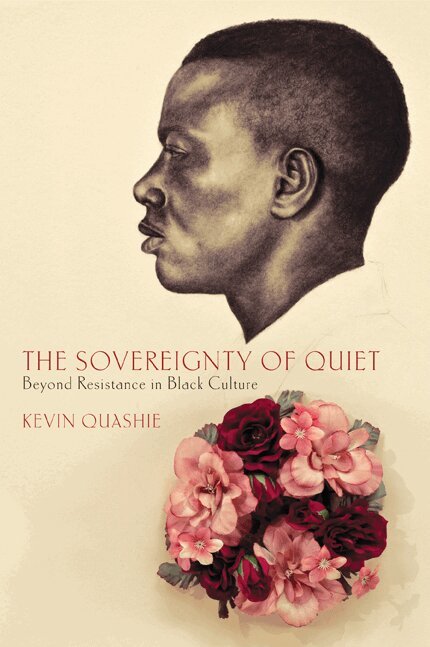
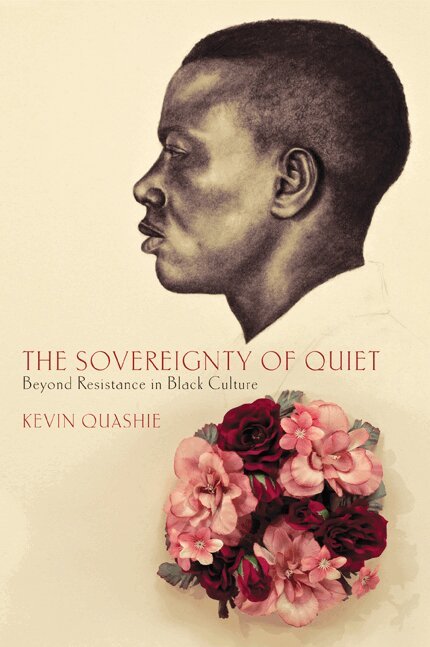
African American culture is often considered expressive, dramatic, and even defiant. In The Sovereignty of Quiet, Kevin Quashie explores quiet as a different kind of expressiveness, one which characterizes a person’s desires, ambitions, hungers, vulnerabilities, and fears. Quiet is a metaphor for the inner life, and as such, enables a more nuanced understanding of black culture. The book revisits such iconic moments as Tommie Smith and John Carlos’s protest at the 1968 Mexico City Olympics and Elizabeth Alexander’s reading at the 2009 inauguration of Barack Obama. Quashie also examines such landmark texts as Gwendolyn Brooks’s Maud Martha, James Baldwin’s The Fire Next Time, and Toni Morrison’s Sula to move beyond the emphasis on resistance, and to suggest that concepts like surrender, dreaming, and waiting can remind us of the wealth of black humanity.
409 kr
Skickas inom 5-8 vardagar
African American culture is often considered expressive, dramatic, and even defiant. In The Sovereignty of Quiet, Kevin Quashie explores quiet as a different kind of expressiveness, one which characterizes a person’s desires, ambitions, hungers, vulnerabilities, and fears. Quiet is a metaphor for the inner life, and as such, enables a more nuanced understanding of black culture. The book revisits such iconic moments as Tommie Smith and John Carlos’s protest at the 1968 Mexico City Olympics and Elizabeth Alexander’s reading at the 2009 inauguration of Barack Obama. Quashie also examines such landmark texts as Gwendolyn Brooks’s Maud Martha, James Baldwin’s The Fire Next Time, and Toni Morrison’s Sula to move beyond the emphasis on resistance, and to suggest that concepts like surrender, dreaming, and waiting can remind us of the wealth of black humanity.
371 kr
Skickas inom 7-10 vardagar
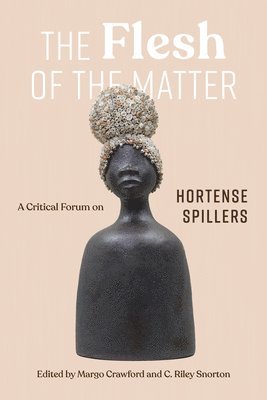
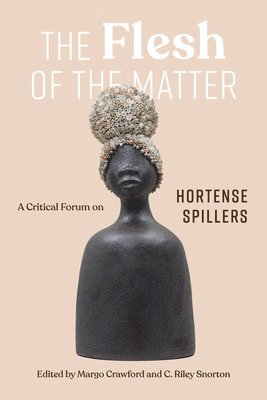
Hortense Spillers is one of the most important literary critics and Black feminist scholars of the last fifty years. Her 1987 scholarly article “Mama’s Baby, Papa’s Maybe: An American Grammar Book” is one of the most-cited essays in African American literary studies.Edited by Margo Natalie Crawford and C. Riley Snorton, The Flesh of the Matter: A Critical Forum on Hortense Spillers is the first collection to take up directly how Spillers’s writing on literature, culture, and theory have been signal posts to the varied and universal threads of Black thought, as well as countless other areas of the academy. Interspersed with archival fragments from Spillers’s papers kept at the Pembroke Center for Feminist Thought at Brown University, the fourteen essays in this collection demonstrate a fidelity to the ways of reading Spillers has taught us, the nomenclature of enslavement keyed into the American lexicon, and the ways that history permeates our cultural boundaries today.
1 620 kr
Skickas inom 7-10 vardagar
Hortense Spillers is one of the most important literary critics and Black feminist scholars of the last fifty years. Her 1987 scholarly article “Mama’s Baby, Papa’s Maybe: An American Grammar Book” is one of the most-cited essays in African American literary studies.Edited by Margo Natalie Crawford and C. Riley Snorton, The Flesh of the Matter: A Critical Forum on Hortense Spillers is the first collection to take up directly how Spillers’s writing on literature, culture, and theory have been signal posts to the varied and universal threads of Black thought, as well as countless other areas of the academy. Interspersed with archival fragments from Spillers’s papers kept at the Pembroke Center for Feminist Thought at Brown University, the fourteen essays in this collection demonstrate a fidelity to the ways of reading Spillers has taught us, the nomenclature of enslavement keyed into the American lexicon, and the ways that history permeates our cultural boundaries today.
1 251 kr
Skickas inom 7-10 vardagar
In Black Aliveness, or A Poetics of Being, Kevin Quashie imagines a Black world in which one encounters Black being as it is rather than only as it exists in the shadow of anti-Black violence. As such, he makes a case for Black aliveness even in the face of the persistence of death in Black life and Black study. Centrally, Quashie theorizes aliveness through the aesthetics of poetry, reading poetic inhabitance in Black feminist literary texts by Lucille Clifton, Audre Lorde, June Jordan, Toni Morrison, and Evie Shockley, among others, showing how their philosophical and creative thinking constitutes worldmaking. This worldmaking conceptualizes Blackness as capacious, relational beyond the normative terms of recognition-Blackness as a condition of oneness. Reading for poetic aliveness, then, becomes a means of exploring Black being rather than nonbeing and animates the ethical question “how to be.” In this way, Quashie offers a Black feminist philosophy of being, which is nothing less than a philosophy of the becoming of the Black world.