Kidada E. Williams – författare
Visar alla böcker från författaren Kidada E. Williams. Handla med fri frakt och snabb leverans.
6 produkter
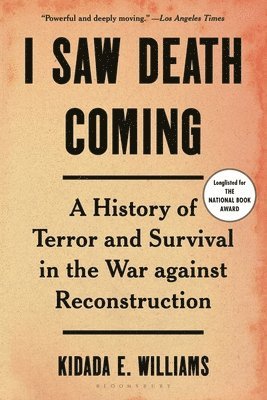
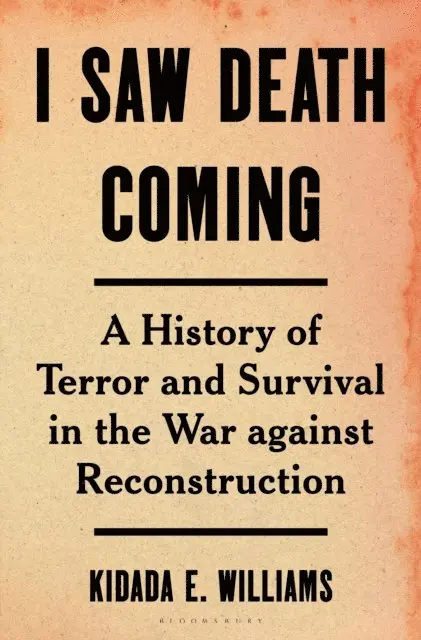
I Saw Death Coming
A History of Terror and Survival in the War against Reconstruction
Häftad, 2024
266 kr
Lägg i varukorg
Longlisted for the National Book Award in Nonfiction Shortlisted for the Museum of African American History's Stone Book Award * National Council on Public History Book Award Honorable Mention A “powerful and deeply moving” ( LA Times) reexamination of the struggle for survival in the …
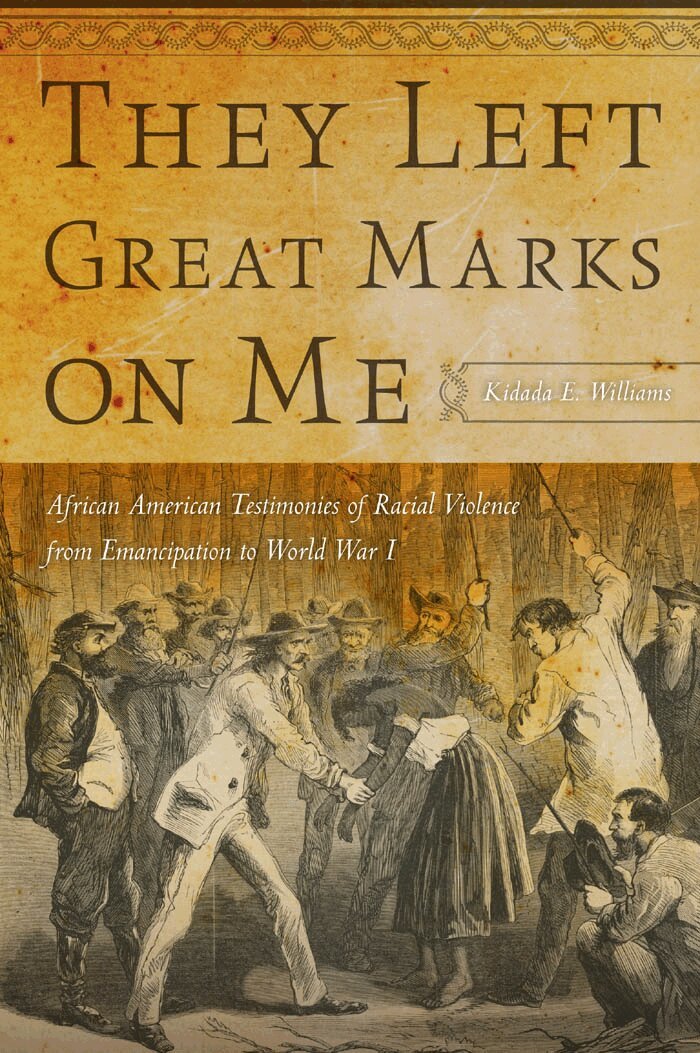
They Left Great Marks on Me
African American Testimonies of Racial Violence from Emancipation to World War I
Inbunden, 2012
998 kr
Lägg i varukorg
Shares wrenching accounts of the everyday violence experienced by emancipated African AmericansWell after slavery was abolished, its legacy of violence left deep wounds on African Americans' bodies, minds, and lives. For many victims and witnesses of the assaults, rapes, murders, nightrides, …
They Left Great Marks on Me
African American Testimonies of Racial Violence from Emancipation to World War I
Häftad, 2012
440 kr
Lägg i varukorg
Shares wrenching accounts of the everyday violence experienced by emancipated African AmericansWell after slavery was abolished, its legacy of violence left deep wounds on African Americans' bodies, minds, and lives. For many victims and witnesses of the assaults, rapes, murders, nightrides, …
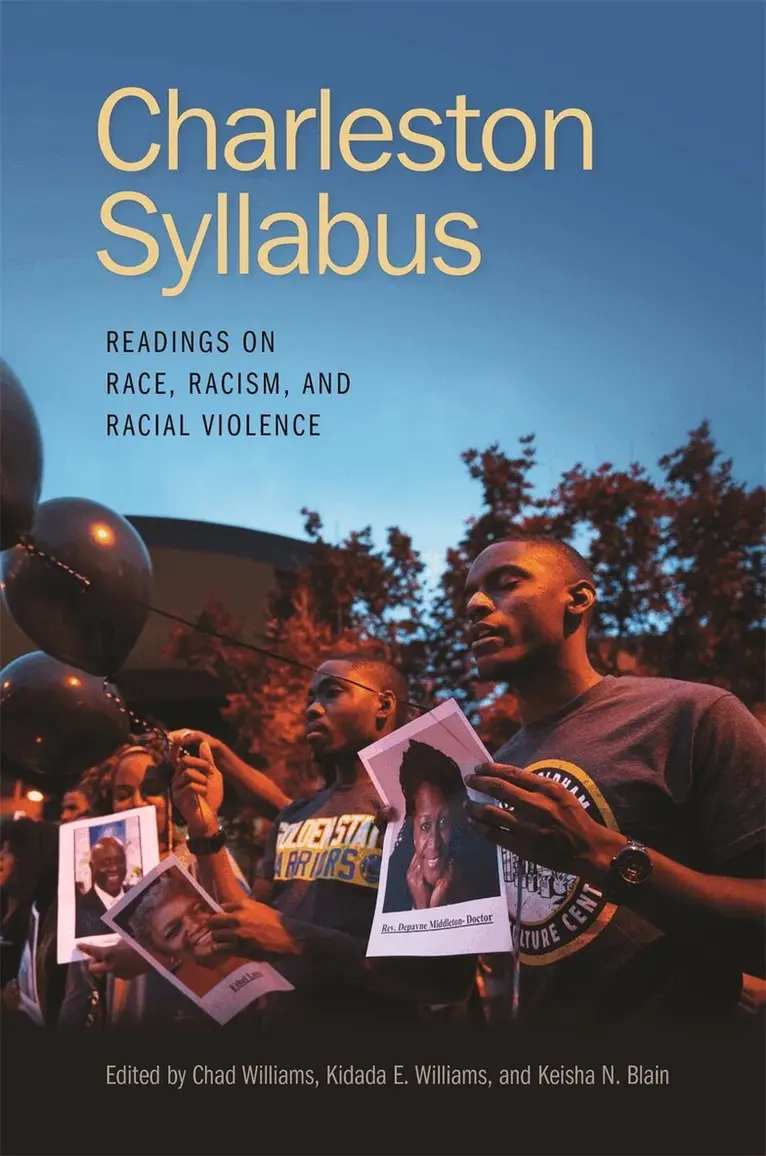
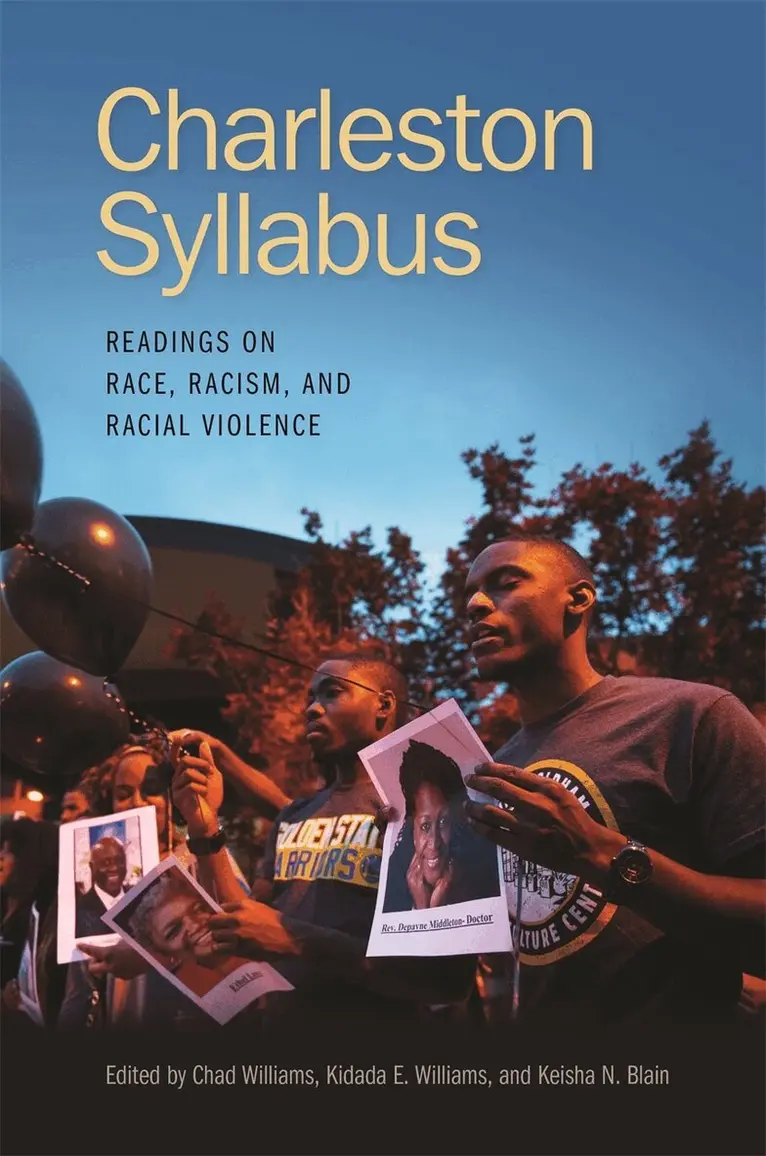
Charleston Syllabus
Readings on Race, Racism, and Racial Violence
Av Chad Williams, Kidada E. Williams m. fl.
Inbunden, 2016
2352 kr
Lägg i varukorg
On June 17, 2015, a white supremacist entered Emanuel AME Church in Charleston, South Carolina, and sat with some of its parishioners during a Wednesday night Bible study session. An hour later, he began expressing his hatred for African Americans, and soon after, he shot nine church members dead, …
Charleston Syllabus
Readings on Race, Racism, and Racial Violence
Av Chad Williams, Kidada E. Williams m. fl.
Häftad, 2016
409 kr
Lägg i varukorg
On June 17, 2015, a white supremacist entered Emanuel AME Church in Charleston, South Carolina, and sat with some of its parishioners during a Wednesday night Bible study session. An hour later, he began expressing his hatred for African Americans, and soon after, he shot nine church members dead, …
I Saw Death Coming
A History of Terror and Survival in the War Against Reconstruction
E-bok, 2023
185 kr
Lägg i varukorg
Longlisted for the National Book Award in Nonfiction Shortlisted for the Museum of African American History''s Stone Book Award * National Council on Public History Book Award Honorable Mention A “powerful and deeply moving” ( LA Times) reexamination of the struggle for survival in the …