Kim Wünschmann – författare
Visar alla böcker från författaren Kim Wünschmann. Handla med fri frakt och snabb leverans.
5 produkter
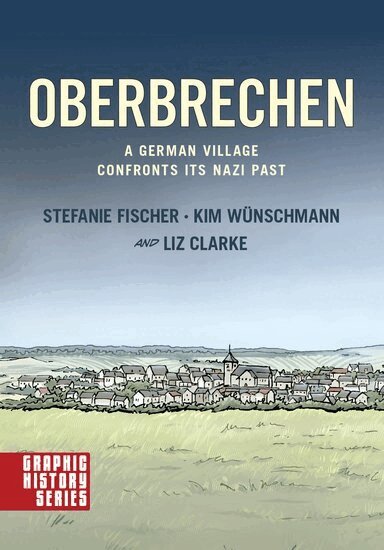
Oberbrechen: A German Village Confronts its Nazi Past
A Graphic History
Av Stefanie Fischer, Kim Wünschmann
Häftad, 2024
494 kr
Lägg i varukorg
Oberbrechen: A German Village Confronts Its Nazi Past is a new title in OUP's Graphic History Series that chronicles the events of the Holocaust and its aftermath in a small village in rural Germany. Based on meticulous research and using powerful visual storytelling, the book provides a …
Oberbrechen: A German Village Confronts its Nazi Past
A Graphic History
Av Kim Wunschmann, Stefanie Fischer
E-bok, 2024
426 kr
Lägg i varukorg
Oberbrechen: A German Village Confronts Its Nazi Past is a new title in OUP's Graphic History Series that chronicles the events of the Holocaust and its aftermath in a small village in rural Germany. Based on meticulous research and using powerful visual storytelling, the book provides a …
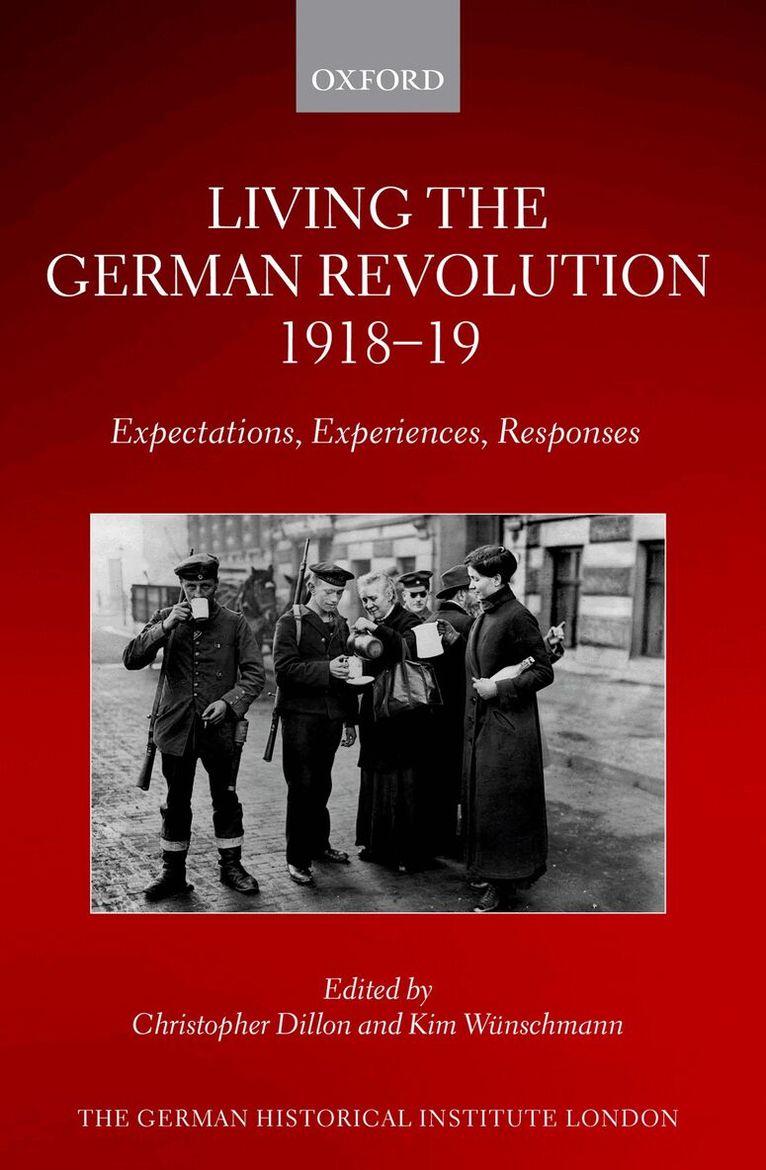
Living the German Revolution, 1918-19
Expectations, Experiences, Responses
Av Christopher Dillon, Kim Wünschmann
Inbunden, 2023
1182 kr
Lägg i varukorg
The German Revolution of 1918-19 marks a historical turning point at which, following the catastrophe of the Great War, soldiers and civilians rose up to overthrow the German Empire's political and military leadership. The prospect of radical change evoked diverse hopes and fears in Germans young …
Before Auschwitz
Jewish Prisoners in the Prewar Concentration Camps
Inbunden, 2021
547 kr
Lägg i varukorg
Winner of the Yad Vashem International Book Prize for Holocaust ResearchAuschwitz—the largest and most notorious of Hitler’s concentration camps—was founded in 1940, but the Nazis had been detaining Jews in camps ever since they came to power in 1933. Before Auschwitz unearths the little-known …
Deutsche Filmgeschichten
Historische Portraits
Av Kim Wunschmann, Anette Schlimm m. fl.
E-bok, 2023
363 kr
Lägg i varukorg
Historische Portraits ergründen die deutsche Filmgeschichte von Metropolis (1927) bis Goodbye Lenin (2003).Als historische Quellen weisen Filme auf die Vielgestalt der deutschen Geschichte des 20. und 21. Jahrhunderts hin. Sie machen kollektive Vorstellungen sichtbar, transferieren also …