Kimberly J. Lau - Böcker
Visar alla böcker från författaren Kimberly J. Lau. Handla med fri frakt och snabb leverans.
5 produkter
5 produkter
322 kr
Skickas inom 10-15 vardagar
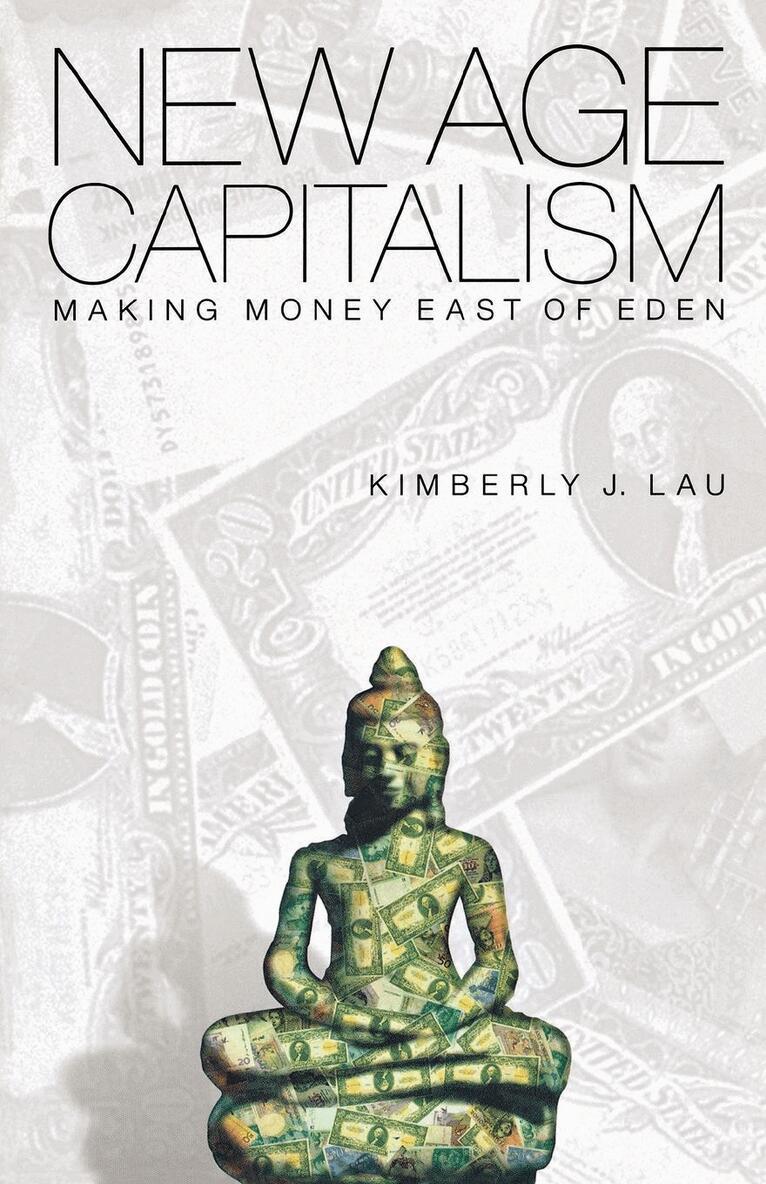
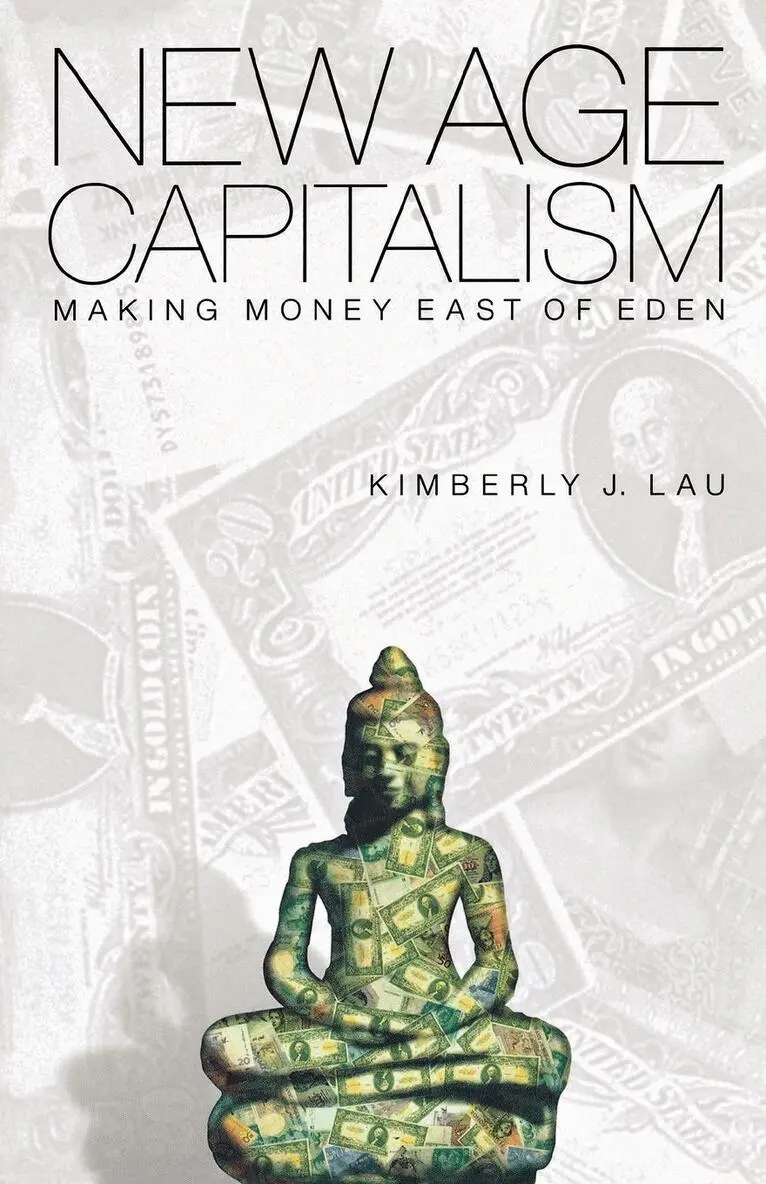
The pursuit of health and wellness has become a fundamental and familiar part of everyday life in America. We are surrounded by an enticing world of products, practices, and promotions assuring health and happiness-cereal boxes claim that their contents can reduce the risk of heart disease, bars of aromatherapy soap seek to wash away our stresses, newspapers celebrate the wonders of the latest superfoods and herbal remedies. No longer confined to the domain of Western medicine, suggestions for healthy living often turn to alternatives originating in distant times and places, in cultures very different from our own. Diets from ancient or remote groups are presented as cures for everything from colds to cancer; exercise regimens based on Eastern philosophies are heralded as paths to physical health and spiritual wellbeing.In New Age Capitalism, Kimberly Lau examines the ideological work that has created this billion-dollar business and allowed "Eastern" and other non-Western traditions to be coopted by Western capitalism. Extending the orientalist logic to the business of health and wellness, American companies have created a lucrative and competitive market for their products, encouraging consumers to believe that they are making the right choices for personal as well as planetary health. In reality, alternative health practices have been commodified for an American public longing not only for health and wellness but also for authenticity, tradition, and a connection to the cultures of an imagined Edenic past. Although consumers might prefer to buy into "authentic" non-Western therapies, New Age Capitalism argues that the market economy makes this goal unattainable.
375 kr
Skickas inom 10-15 vardagar
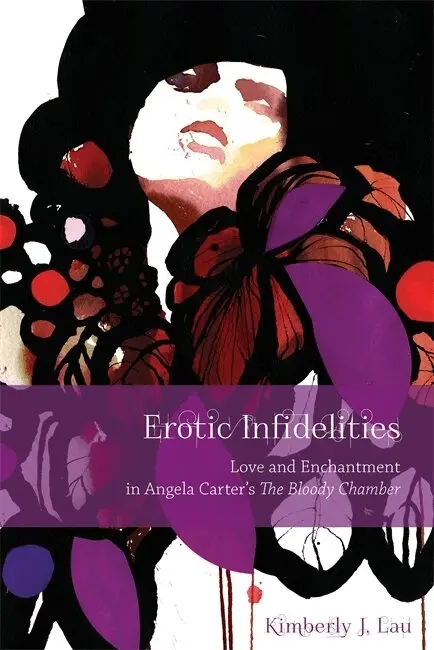
In the thirty-five years since the publication of The Bloody Chamber, Angela Carter’s reimagined fairy tales have inspired an impressive body of criticism. Yet none has addressed the ways her fairy tales grapple with and seek to overcome the near impossibility of heterosexual love and desire under patriarchy. In Erotic Infidelities: Love and Enchantment in Angela Carter’s The Bloody Chamber, author Kimberly J. Lau argues that the strangeness of Carter’s fairy-tale enchantments - the moments when love or erotic desire escape the deeply familiar, habitual structures and ideologies that contain them - show the momentary, fleeting possibilities for heterosexual love and desire.Lau begins by situating her reading of The Bloody Chamber - as individual stories and as a collection - within and against the critical literature, especially that which addresses Carter’s relationship to psychoanalytic theory and issues of language and desire. In chapter 2, she illustrates Carter’s construction of gender and language as labyrinthine structures - complex cultural edifices constructed and augmented over time. She moves on to consider Carter’s ""feline stories"" in chapter 3 - ""The Courtship of Mr. Lyon,"" ""The Tiger’s Bride,"" and ""Puss-in-Boots"" - in chapter 3 as an initial move away from the labyrinthine structures and toward an alternate erotics. In chapter 4, she reads ""The Erl-King"" and ""The Snow Child"" as another pair of mirrored tales, while chapter 5 elaborates on the pedophilic and necrophiliac fantasies of a pornographic culture introduced in the previous chapter with the Count’s desire for the Snow Child. In chapter 6, Lau situates Carter’s three concluding stories - the wolf trilogy - within the context of feminist psychoanalytic understandings of infidelity as that which destabilizes patriarchal hegemonies and constructs.Lau argues that Carter’s ""erotic infidelities"" work against our culturally determined expectations and longings and usher us into welcome new enchantments. Situated at the intersection of feminist, psychoanalytic, literary, and fairy-tale studies, readers interested in a variety of scholarly disciplines as well as scholars of Carter’s tales will enjoy Lau’s look at enduring questions of gender, sexuality, and desire.
415 kr
Skickas inom 7-10 vardagar
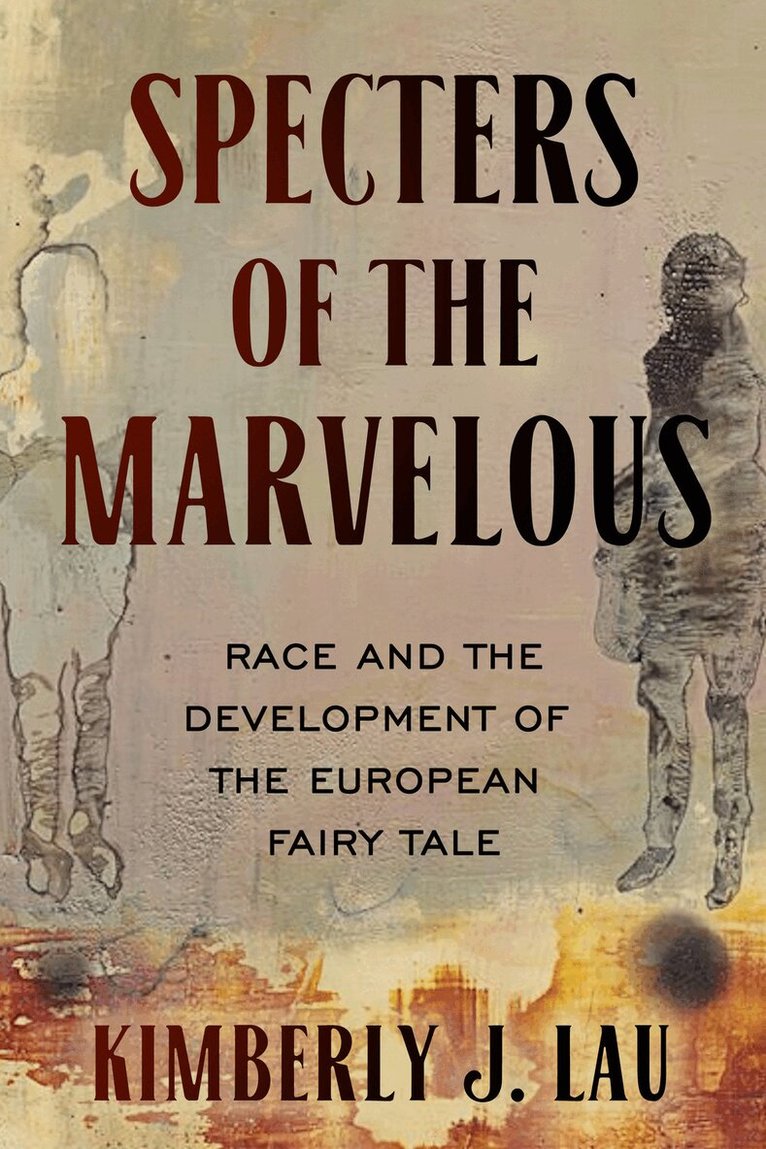
A transformative lens revealing the historical racial context that profoundly influenced European fairy tales.In stories retold for generations, wondrous worlds and magnificent characters have defined the genre of European fairy tales with little recognition of yet another defining aspect-racism and racialized thinking. Engaging four classic fairy-tale collections, author Kimberly J. Lau connects close readings of the tales to the cultural discourses, scholarly debates, and imperial geopolitics that established and perpetuated ideas about racial difference and white superiority. Within the tales of Giambattista Basile, Marie-Catherine d'Aulnoy, the Grimms, and Andrew and Nora Lang, Lau teases apart and historicizes the racialized themes and ideologies embedded within fairy tales spanning the early seventeenth to early twentieth centuries. She contends that the European fairy tale is definitively marked, whether implicitly or explicitly, by whiteness, and given the genre's documented colonization of diverse narrative traditions over time, this specter of race is all the more haunting. This trailblazing work demonstrates the continuous evolution of racialized thinking that has informed the publication and dissemination of fairy tales. Here, Lau provides a new framework for understanding European fairy tales in the milieux in which they were created, bringing distant and ethereal worlds back to earth.
Specters of the Marvelous
Race and the Development of the European Fairy Tale
Inbunden, Engelska, 2024
1 153 kr
Skickas inom 7-10 vardagar
A transformative lens revealing the historical racial context that profoundly influenced European fairy tales.In stories retold for generations, wondrous worlds and magnificent characters have defined the genre of European fairy tales with little recognition of yet another defining aspect-racism and racialized thinking. Engaging four classic fairy-tale collections, author Kimberly J. Lau connects close readings of the tales to the cultural discourses, scholarly debates, and imperial geopolitics that established and perpetuated ideas about racial difference and white superiority. Within the tales of Giambattista Basile, Marie-Catherine d'Aulnoy, the Grimms, and Andrew and Nora Lang, Lau teases apart and historicizes the racialized themes and ideologies embedded within fairy tales spanning the early seventeenth to early twentieth centuries. She contends that the European fairy tale is definitively marked, whether implicitly or explicitly, by whiteness, and given the genre's documented colonization of diverse narrative traditions over time, this specter of race is all the more haunting. This trailblazing work demonstrates the continuous evolution of racialized thinking that has informed the publication and dissemination of fairy tales. Here, Lau provides a new framework for understanding European fairy tales in the milieux in which they were created, bringing distant and ethereal worlds back to earth.
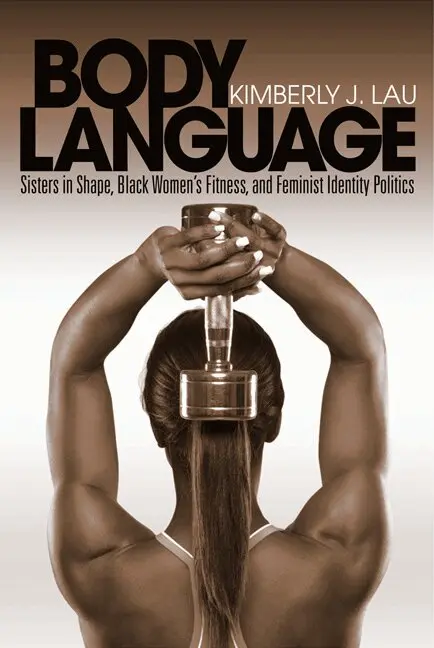
Body Language
Sisters in Shape, Black Women's Fitness, and Feminist Identity Politics
Häftad, Engelska, 2011
304 kr
Skickas inom 7-10 vardagar
In her evocative ethnographic study, Body Language, Kimberly Lau traces the multiple ways in which the success of an innovative fitness program illuminates what identity means to its Black female clientele and how their group interaction provides a new perspective on feminist theories of identity politics--especially regarding the significance of identity to political activism and social change. Sisters in Shape, Inc., Fitness Consultants (SIS), a Philadelphia company, promotes balance in physical, mental, and spiritual health. Its program goes beyond workouts, as it educates and motivates women to make health and fitness a priority. Discussing the obstacles at home and the importance of the group's solidarity to their ability to stay focused on their goals, the women speak to the ways in which their commitment to reshaping their bodies is a commitment to an alternative future. Body Language shows how the group's explorations of black women's identity open new possibilities for identity-based claims to recognition, justice, and social change.