Kirsten Gibson - Böcker
Visar alla böcker från författaren Kirsten Gibson. Handla med fri frakt och snabb leverans.
5 produkter
5 produkter
704 kr
Skickas inom 10-15 vardagar
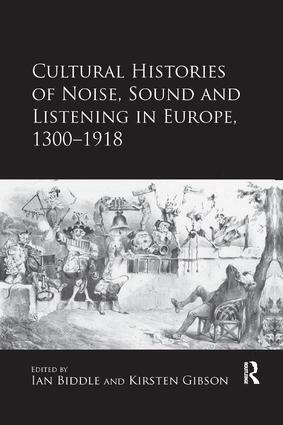
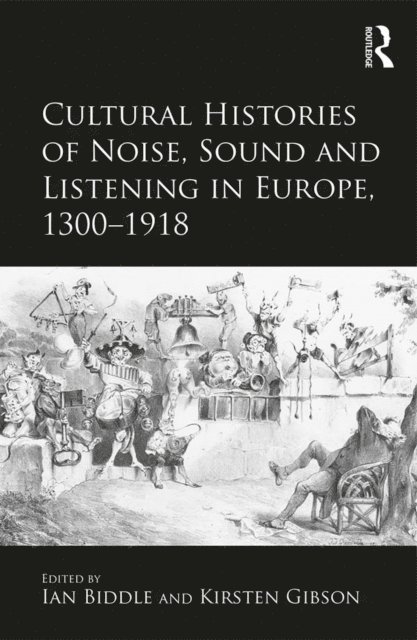
Cultural Histories of Noise, Sound and Listening in Europe, 1300-1918 presents a range of historical case studies on the sounding worlds of the European past. The chapters in this volume explore ways of thinking about sound historically, and seek to understand how people have understood and negotiated their relationships with the sounding world in Europe from the Middle Ages through to the early twentieth century. They consider, in particular: sound and music in the later Middle Ages; the politics of sound in the early modern period; the history of the body and perception during the Ancien Régime; and the sounds of the city in the nineteenth century and sound and colonial rule at the fin de siècle.The case studies also range in geographical orientation to include considerations not only of Britain and France, the countries most considered in European historical sound studies in English-language scholarship to date, but also Bosnia-Herzegovina, British Colonial India, Germany, Italy and Portugal. Out of this diverse group of case studies emerge significant themes that recur time and again, varying according to time and place: sound, power and identity; sound as a marker of power or violence; and sound, physiology and sensory perception and technologies of sound, consumption and meaning.
2 236 kr
Skickas inom 10-15 vardagar
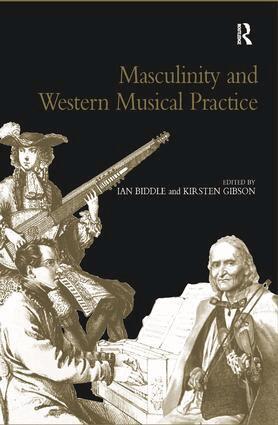
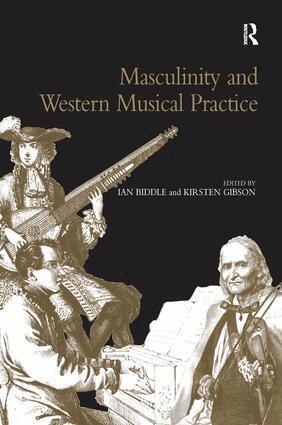
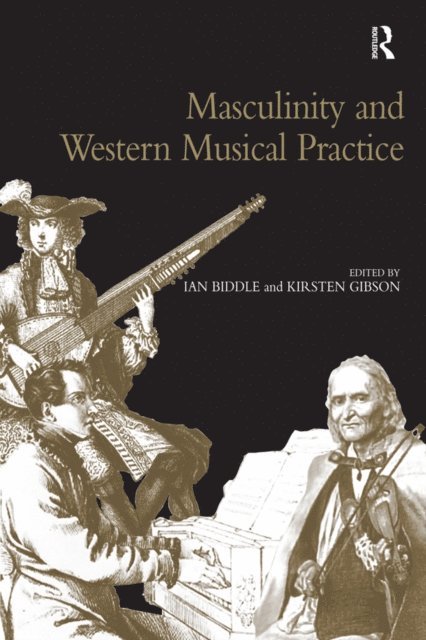
How have men used art music? How have they listened to and brandished the musical forms of the Western classical tradition and how has music intervened in their identity formations? This collection of essays addresses these questions by examining some of the ways in which men, music and masculinity have been implicated with each other since the Middle Ages. Feminist musicologies have already dealt extensively with music and gender, from the 'phallocentric' tendencies of the Western tradition, to the explicit marginalization of women from that tradition. This book builds on that work by turning feminist critical approaches towards the production, rhetorical engagement and subversion of masculinities in twelve different musical case studies. In other disciplines within the arts and humanities, 'men's studies' is a well-established field. Musicology has only recently begun to address critically music's engagement with masculinity and as a result has sometimes thereby failed to recognize its own discursive misogyny. This book does not seek to cover the field comprehensively but, rather, to explore in detail some of the ways in which musical practices do the cultural work of masculinity. The book is structured into three thematic sections: effeminate and virile musics and masculinities; national masculinities, national musics; and identities, voices, discourses. Within these themes, the book ranges across a number of specific topics: late medieval masculinities; early modern discourses of music, masculinity and medicine; Renaissance Italian masculinities; eighteenth-, nineteenth- and early twentieth-century ideas of creativity, gender and canonicity; masculinity, imperialist and nationalist ideologies in the nineteenth century, and constructions of the masculine voice in late nineteenth- and twentieth-century opera and song. While the case studies are methodologically disparate and located in different historical and geographical locations, they all share a common concern for a critical revaluation of the role of masculinity (in all its varied representations) in art music practices.
787 kr
Skickas inom 10-15 vardagar
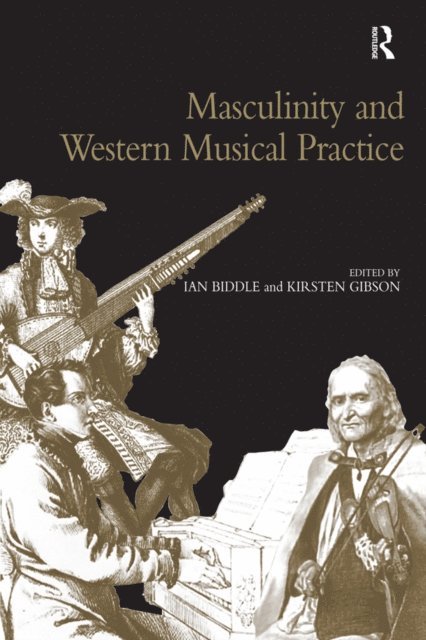
How have men used art music? How have they listened to and brandished the musical forms of the Western classical tradition and how has music intervened in their identity formations? This collection of essays addresses these questions by examining some of the ways in which men, music and masculinity have been implicated with each other since the Middle Ages. Feminist musicologies have already dealt extensively with music and gender, from the 'phallocentric' tendencies of the Western tradition, to the explicit marginalization of women from that tradition. This book builds on that work by turning feminist critical approaches towards the production, rhetorical engagement and subversion of masculinities in twelve different musical case studies. In other disciplines within the arts and humanities, 'men's studies' is a well-established field. Musicology has only recently begun to address critically music's engagement with masculinity and as a result has sometimes thereby failed to recognize its own discursive misogyny. This book does not seek to cover the field comprehensively but, rather, to explore in detail some of the ways in which musical practices do the cultural work of masculinity. The book is structured into three thematic sections: effeminate and virile musics and masculinities; national masculinities, national musics; and identities, voices, discourses. Within these themes, the book ranges across a number of specific topics: late medieval masculinities; early modern discourses of music, masculinity and medicine; Renaissance Italian masculinities; eighteenth-, nineteenth- and early twentieth-century ideas of creativity, gender and canonicity; masculinity, imperialist and nationalist ideologies in the nineteenth century, and constructions of the masculine voice in late nineteenth- and twentieth-century opera and song. While the case studies are methodologically disparate and located in different historical and geographical locations, they all share a common concern for a critical revaluation of the role of masculinity (in all its varied representations) in art music practices.
2 445 kr
Skickas inom 10-15 vardagar
Cultural Histories of Noise, Sound and Listening in Europe, 1300-1918 presents a range of historical case studies on the sounding worlds of the European past. The chapters in this volume explore ways of thinking about sound historically, and seek to understand how people have understood and negotiated their relationships with the sounding world in Europe from the Middle Ages through to the early twentieth century. They consider, in particular: sound and music in the later Middle Ages; the politics of sound in the early modern period; the history of the body and perception during the Ancien Régime; and the sounds of the city in the nineteenth century and sound and colonial rule at the fin de siècle.The case studies also range in geographical orientation to include considerations not only of Britain and France, the countries most considered in European historical sound studies in English-language scholarship to date, but also Bosnia-Herzegovina, British Colonial India, Germany, Italy and Portugal. Out of this diverse group of case studies emerge significant themes that recur time and again, varying according to time and place: sound, power and identity; sound as a marker of power or violence; and sound, physiology and sensory perception and technologies of sound, consumption and meaning.
1 720 kr
Skickas inom 5-8 vardagar
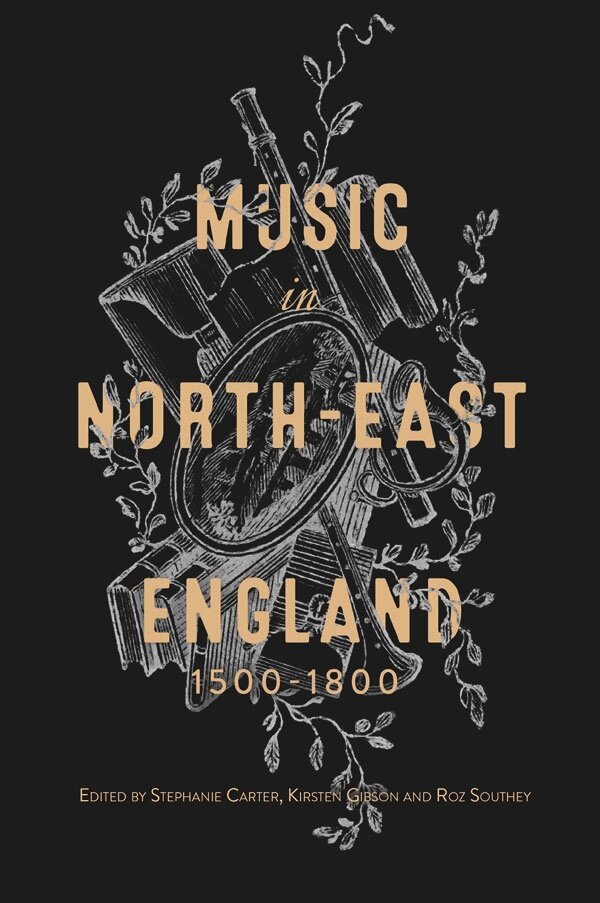
This collection situates the North-East within a developing nationwide account of British musical culture.Music in North-East England provides a wide-ranging exploration of musical life in the North-East of England during the early modern period. It contributes to a growing number of studies concerned with developing a nationwide account of British musical culture. By defining the North-East in its widest sense, the collection illuminates localised differences, distinct musical cultures in urban centres and rural locations, as well as region-wide networks, and situates regional musical life in broader national and international contexts. Music in North-East England affords new insights into aspects of musical life that have been the focus of previous studies of British musical life - such as public concerts - but also draws attention to aspects that have attracted less scholarly attention in histories of early modern British musical culture: the musical activities and tastes of non-elite consumers; interactions between art music and cheap print and popular song; music education beyond London and its satellite environs; the recovery of northern urban soundscapes; and the careers of professional musicians who have not previously been the focus of major published musicological studies.