Kirt von Daacke - Böcker
Visar alla böcker från författaren Kirt von Daacke. Handla med fri frakt och snabb leverans.
3 produkter
3 produkter
386 kr
Skickas inom 7-10 vardagar
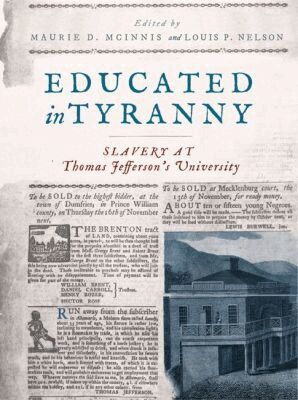
From the University of Virginia’s very inception, slavery was deeply woven into its fabric. Enslaved people first helped to construct and then later lived in the Academical Village; they raised and prepared food, washed clothes, cleaned privies, and chopped wood. They maintained the buildings, cleaned classrooms, and served as personal servants to faculty and students. At any given time, there were typically more than one hundred enslaved people residing alongside the students, faculty, and their families. The central paradox at the heart of UVA is also that of the nation: What does it mean to have a public university established to preserve democratic rights that is likewise founded and maintained on the stolen labor of others?In Educated in Tyranny, Maurie McInnis, Louis Nelson, and a group of contributing authors tell the largely unknown story of slavery at the University of Virginia. While UVA has long been celebrated as fulfilling Jefferson’s desire to educate citizens to lead and govern, McInnis and Nelson document the burgeoning political rift over slavery as Jefferson tried to protect southern men from anti-slavery ideas in northern institutions. In uncovering this history, Educated in Tyranny changes how we see the university during its first fifty years and understand its history hereafter.
326 kr
Skickas inom 7-10 vardagar
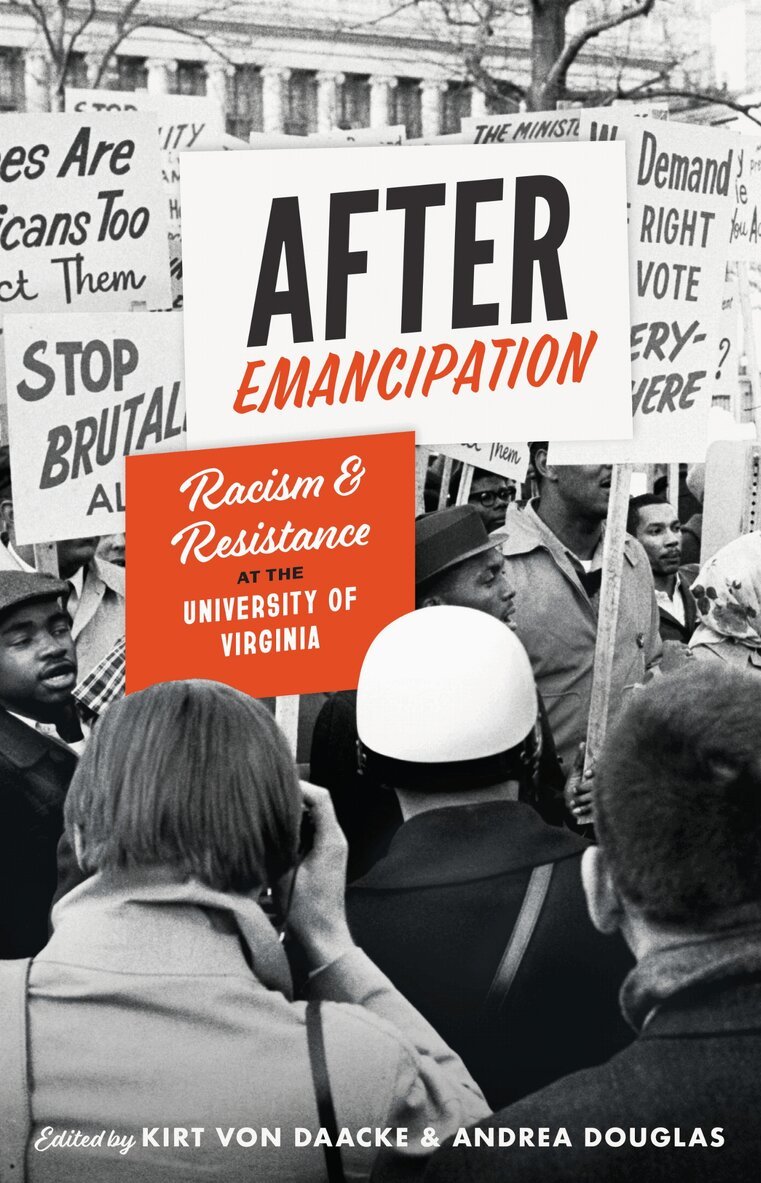
Assessing a university’s legacy in the age of segregationThis anthology reckons with the University of Virginia’s post-emancipation history of racial exploitation. Its fifteen essays highlight the many forms of marginalization and domination at Virginia’s once all-white flagship university to uncover the patriarchal, nativist, and elitist assumptions that shaped university culture through the late nineteenth century and well into the twentieth. Including community responses ranging from personal reflections to interviews with local leaders to poems, this accessible volume will be essential reading for anyone with ties to UVA or to Charlottesville, as well as for anyone concerned with the legacy of slavery and segregation in America’s universities.
377 kr
Skickas inom 10-15 vardagar
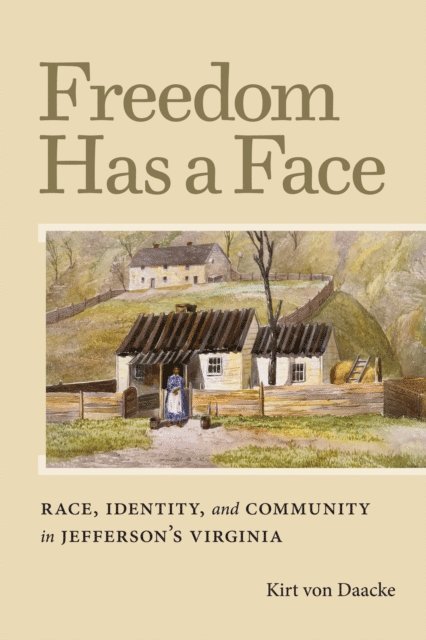
In his examination of a wide array of court papers from Albemarle County, a rural Virginia slaveholding community, Kirt von Daacke argues against the commonly held belief that southern whites saw free blacks only as a menace. Von Daacke reveals instead a more easygoing interracial social order in Albemarle County that existed for more than two generations after the Revolution - stretching to the mid-nineteenth century and beyond - despite fears engendered by Gabriel's Rebellion and the Haitian Revolution. Freedom Has a Face tells the stories of free blacks who worked hard to carve out comfortable spaces for existence. They were denied full freedom, but they were neither slaves without masters nor anomalies in a society that had room only for black slaves and free white citizens. A typical rural Piedmont county, Albemarle was not a racial utopia. Rather, it was a tight-knit community in which face-to-face interactions determined social status and reputation. A steep social hierarchy allowed substantial inequalities to persist, but it was nonetheless an intimately interracial society. Free African Americans who maintained personal connections with white neighbors and who participated openly in local society were perceived as far more than stereotypical dangerous blacks.Based on his work building a cross-referenced database containing individual records for nearly five thousand documents, von Daacke reveals a detailed picture of daily life in Albemarle County. With this reinsertion of individual free blacks into the neighborhood, community, and county, he exposes a different, more complicated image of the lives of free people of color.