Krista A. Milne – författare
Visar alla böcker från författaren Krista A. Milne. Handla med fri frakt och snabb leverans.
4 produkter
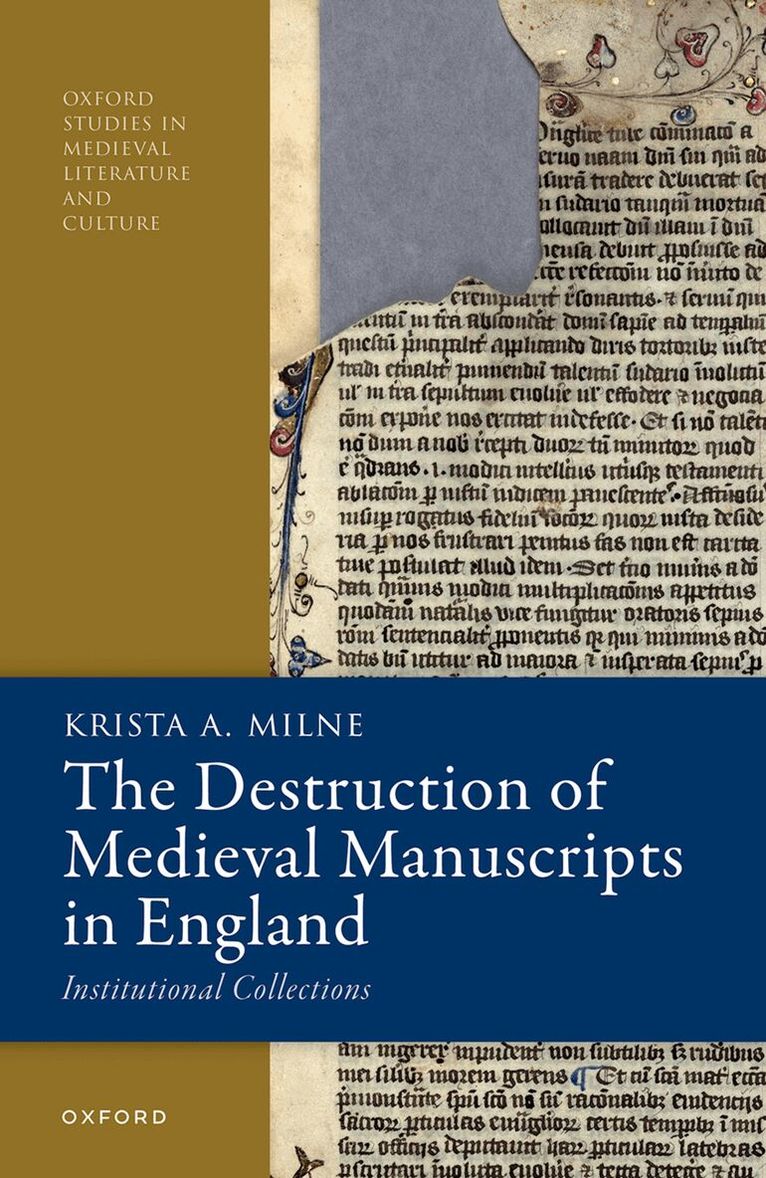
The Destruction of Medieval Manuscripts in England
Institutional Collections
Inbunden, 2025
1451 kr
Lägg i varukorg
The Dissolution of the Monasteries (1536-40) is widely held as the single most significant event in England's history of the destruction and loss of medieval manuscripts. Despite this consensus, the ultimate impact of the Dissolution - and of medieval manuscript destruction during the centuries …
Destruction of Medieval Manuscripts in England
Institutional Collections
E-bok, 2025
1307 kr
Lägg i varukorg
The Dissolution of the Monasteries (1536-40) is widely held as the single most significant event in England''s history of the destruction and loss of medieval manuscripts. Despite this consensus, the ultimate impact of the Dissolution - and of medieval manuscript destruction during the centuries …
Destruction of Medieval Manuscripts in England
Institutional Collections
E-bok, 2025
1307 kr
Lägg i varukorg
The Dissolution of the Monasteries (1536-40) is widely held as the single most significant event in England''s history of the destruction and loss of medieval manuscripts. Despite this consensus, the ultimate impact of the Dissolution - and of medieval manuscript destruction during the centuries …
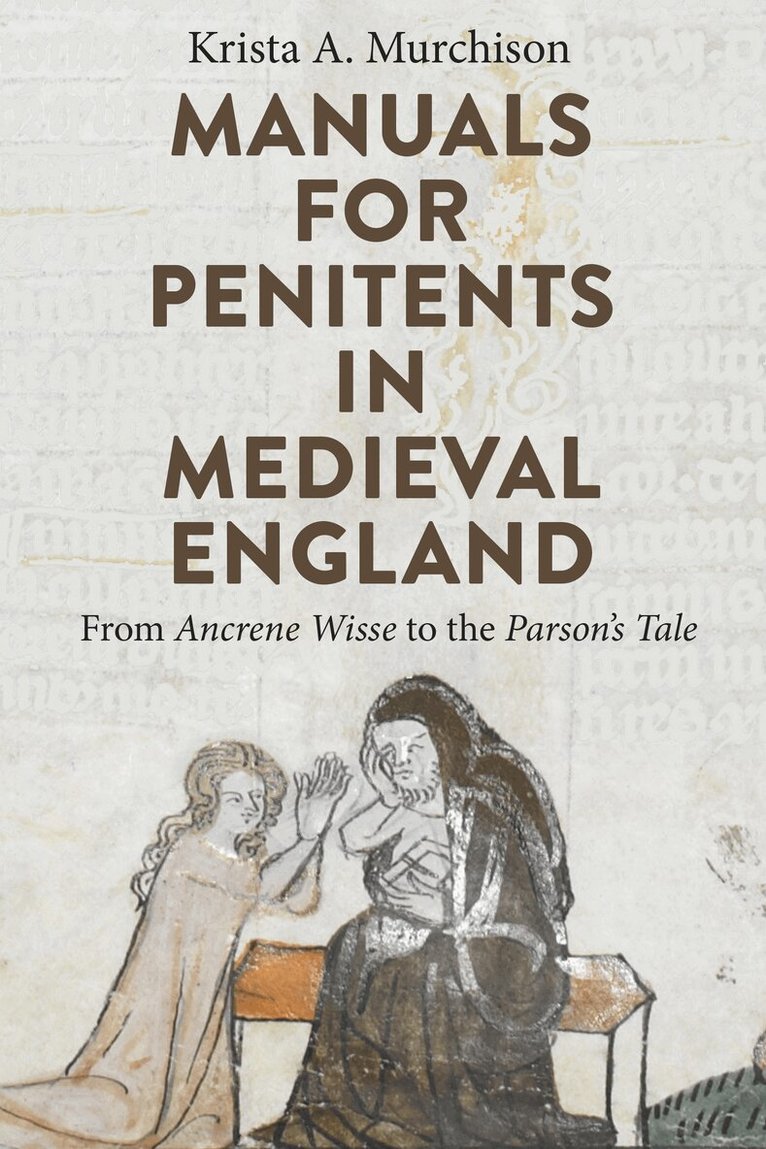
Manuals for Penitents in Medieval England
from Ancrene Wisse to the Parson's Tale
Inbunden, 2021
844 kr
Lägg i varukorg
First comprehensive survey of a major genre of medieval English texts: its purpose, characteristics, and reception.The "bestseller list" of medieval England would have included many manuals for penitents: works that could teach the public about the process of confession, and explain the abstract …