Kristopher Karl Woofter – författare
Visar alla böcker från författaren Kristopher Karl Woofter. Handla med fri frakt och snabb leverans.
5 produkter
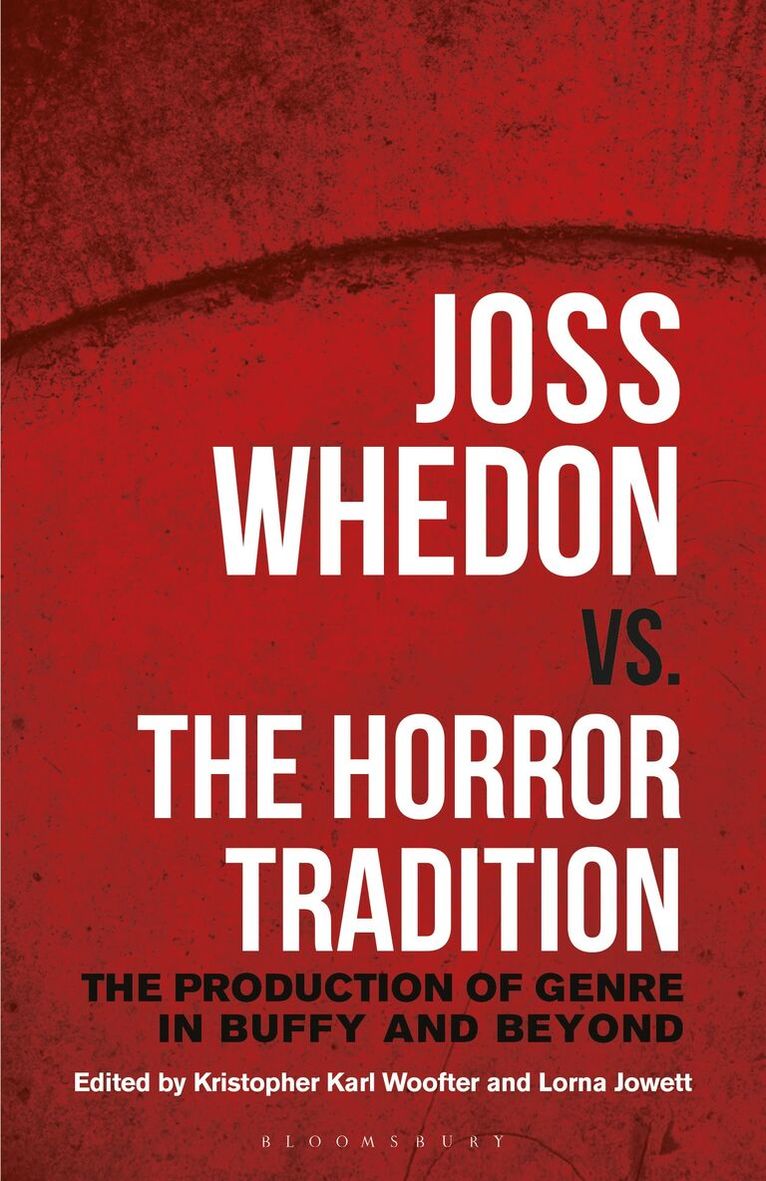
Joss Whedon vs. the Horror Tradition
The Production of Genre in Buffy and Beyond
Av Kristopher Karl Woofter, Lorna Jowett
Häftad, 2020
488 kr
Lägg i varukorg
Although ostensibly presented as “light entertainment,” the work of writer-director-producer Joss Whedon takes much dark inspiration from the horror genre to create a unique aesthetic and perform a cultural critique. Featuring monsters, the undead, as well as drawing upon folklore and fairy tales, …
Mourning in America
Horror Anthology TV in the Reagan Era
Av Kristopher Karl Woofter, Erin Giannini m. fl.
Inbunden, 2025
1479 kr
Kommande
Mourning in America is a critical examination of what could be considered the midpoint (and perhaps high-point) in the prevalence of the horror anthology format on television: the 1980s. Anthology television series span through different genres, and present a different story and a different set of …
Joss Whedon vs. the Horror Tradition
The Production of Genre in Buffy and Beyond
Av Kristopher Karl Woofter, Lorna Jowett
E-bok, 2018
530 kr
Lägg i varukorg
Although ostensibly presented as “light entertainment,” the work of writer-director-producer Joss Whedon takes much dark inspiration from the horror genre to create a unique aesthetic and perform a cultural critique. Featuring monsters, the undead, as well as drawing upon folklore and fairy tales, …
Joss Whedon vs. the Horror Tradition
The Production of Genre in Buffy and Beyond
Av Kristopher Karl Woofter, Lorna Jowett
E-bok, 2018
519 kr
Lägg i varukorg
Although ostensibly presented as “light entertainment,” the work of writer-director-producer Joss Whedon takes much dark inspiration from the horror genre to create a unique aesthetic and perform a cultural critique. Featuring monsters, the undead, as well as drawing upon folklore and fairy tales, …
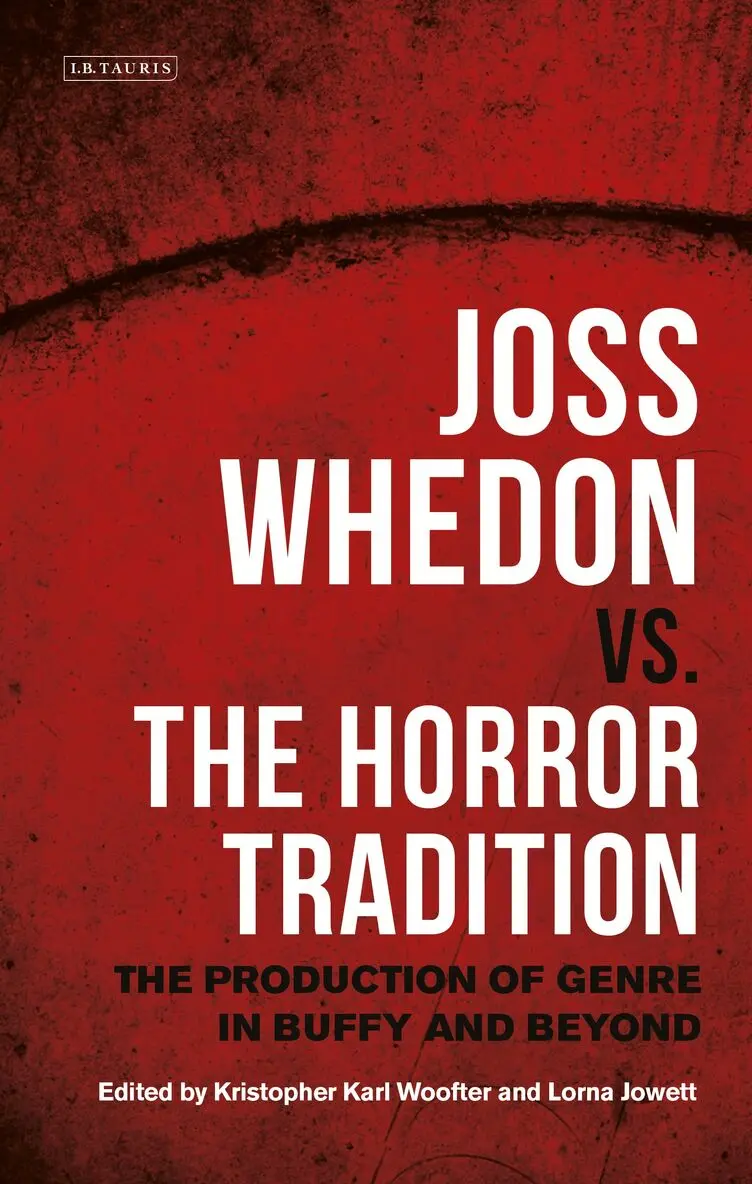
Joss Whedon vs. the Horror Tradition
The Production of Genre in Buffy and Beyond
Av Kristopher Karl Woofter, Lorna Jowett
Inbunden, 2018
1422 kr
Lägg i varukorg
Although ostensibly presented as “light entertainment,” the work of writer-director-producer Joss Whedon takes much dark inspiration from the horror genre to create a unique aesthetic and perform a cultural critique. Featuring monsters, the undead, as well as drawing upon folklore and fairy tales, …