Kunal M. Parker – författare
Visar alla böcker från författaren Kunal M. Parker. Handla med fri frakt och snabb leverans.
10 produkter
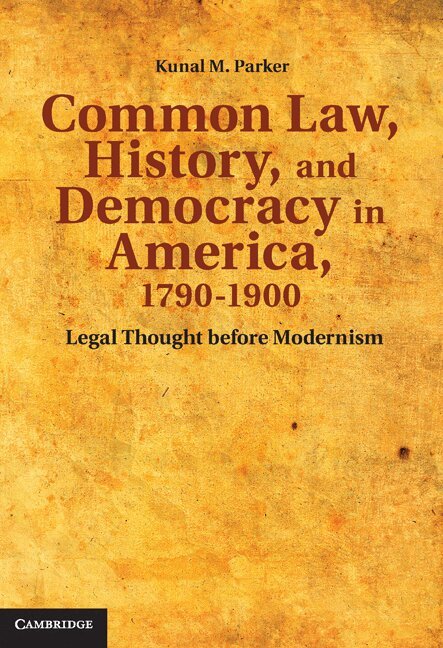
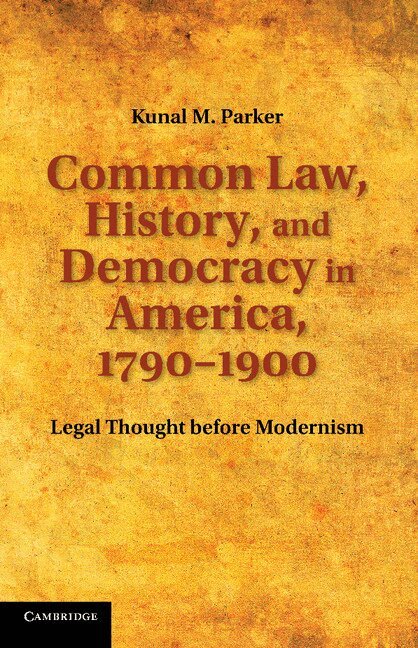
Common Law, History, and Democracy in America, 1790-1900
Legal Thought before Modernism
Inbunden, 2011
1442 kr
Lägg i varukorg
This book argues for a change in our understanding of the relationships among law, politics and history. Since the turn of the nineteenth century, a certain anti-foundational conception of history has served to undermine law's foundations, such that we tend to think of law as nothing other than a …
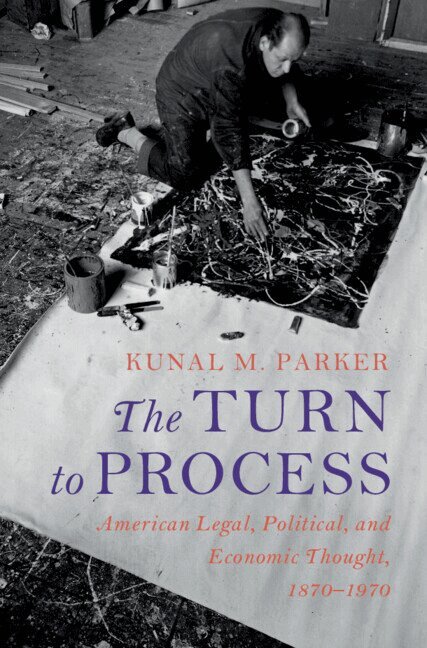
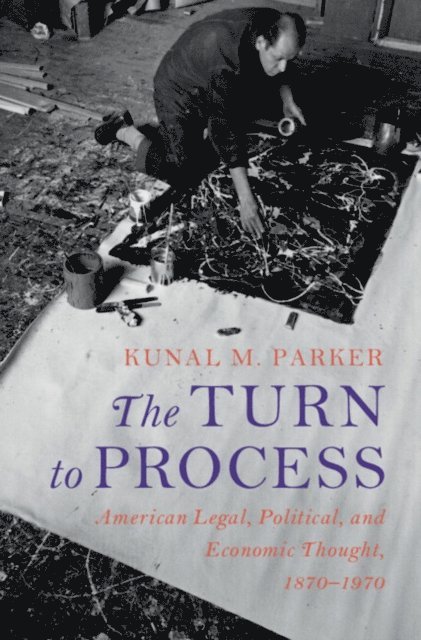
The Turn to Process
American Legal, Political, and Economic Thought, 1870-1970
Inbunden, 2023
1425 kr
Lägg i varukorg
In The Turn to Process, Kunal M. Parker explores the massive reorientation of American legal, political, and economic thinking between 1870 and 1970. Over this period, American conceptions of law, democracy, and markets went from being oriented around truths, ends, and foundations to being oriented …
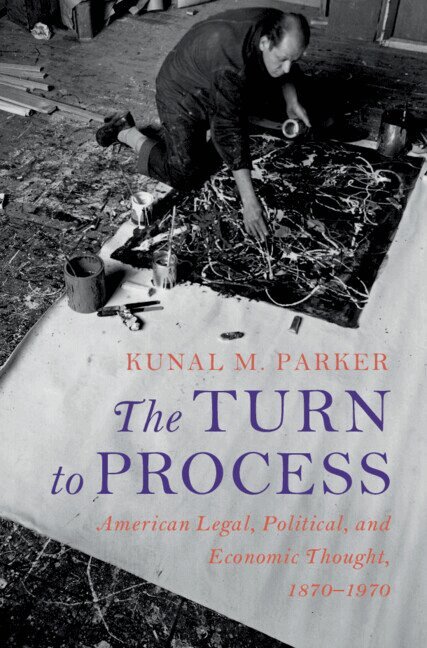
The Turn to Process
American Legal, Political, and Economic Thought, 1870-1970
Häftad, 2023
459 kr
Lägg i varukorg
In The Turn to Process, Kunal M. Parker explores the massive reorientation of American legal, political, and economic thinking between 1870 and 1970. Over this period, American conceptions of law, democracy, and markets went from being oriented around truths, ends, and foundations to being oriented …
Turn to Process
American Legal, Political, and Economic Thought, 1870-1970
E-bok, 2023
405 kr
Lägg i varukorg
Turn to Process
American Legal, Political, and Economic Thought, 1870-1970
E-bok, 2023
397 kr
Lägg i varukorg
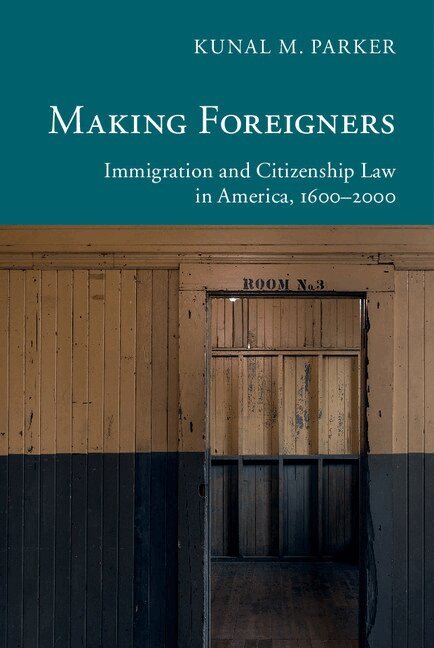
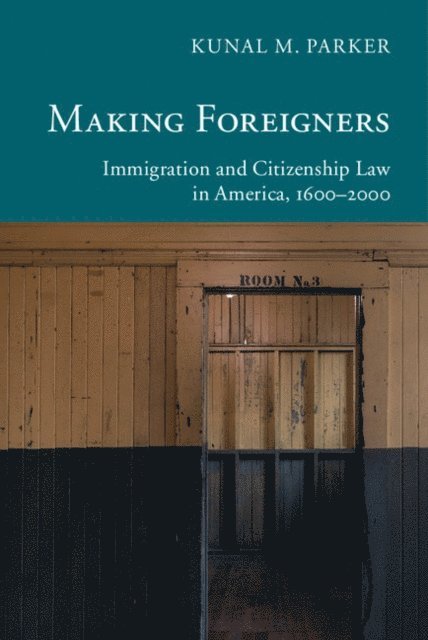
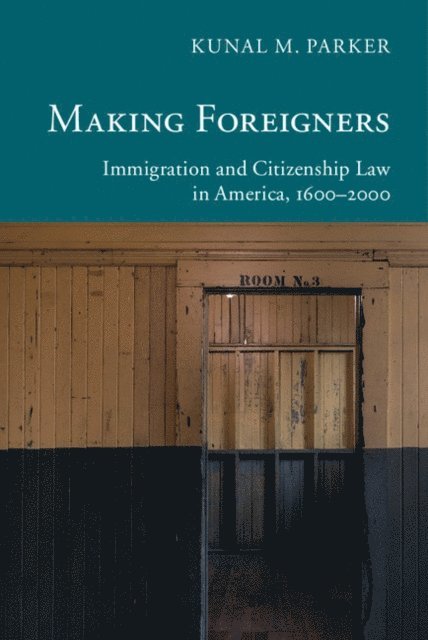
Making Foreigners
Immigration and Citizenship Law in America, 1600-2000
Inbunden, 2015
1288 kr
Lägg i varukorg
This book reconceptualizes the history of US immigration and citizenship law from the colonial period to the beginning of the twenty-first century by joining the histories of immigrants to those of Native Americans, African Americans, women, Asian Americans, Latino/a Americans and the poor. Parker …
Common Law, History, and Democracy in America, 1790-1900
Legal Thought before Modernism
Häftad, 2013
435 kr
Lägg i varukorg
This book argues for a change in our understanding of the relationships among law, politics and history. Since the turn of the nineteenth century, a certain anti-foundational conception of history has served to undermine law's foundations, such that we tend to think of law as nothing other than a …
Making Foreigners
Immigration and Citizenship Law in America, 1600-2000
Häftad, 2015
374 kr
Lägg i varukorg
This book reconceptualizes the history of US immigration and citizenship law from the colonial period to the beginning of the twenty-first century by joining the histories of immigrants to those of Native Americans, African Americans, women, Asian Americans, Latino/a Americans and the poor. Parker …
Making Foreigners
Immigration and Citizenship Law in America, 1600–2000
E-bok, 2015
360 kr
Lägg i varukorg
This book reconceptualizes the history of US immigration and citizenship law from the colonial period to the beginning of the twenty-first century by joining the histories of immigrants to those of Native Americans, African Americans, women, Asian Americans, Latino/a Americans and the poor. Parker …
Making Foreigners
Immigration and Citizenship Law in America, 1600–2000
E-bok, 2015
360 kr
Lägg i varukorg
This book reconceptualizes the history of US immigration and citizenship law from the colonial period to the beginning of the twenty-first century by joining the histories of immigrants to those of Native Americans, African Americans, women, Asian Americans, Latino/a Americans and the poor. Parker …