Kwong-Loi Shun - Böcker
Visar alla böcker från författaren Kwong-Loi Shun. Handla med fri frakt och snabb leverans.
4 produkter
4 produkter
1 139 kr
Skickas inom 7-10 vardagar
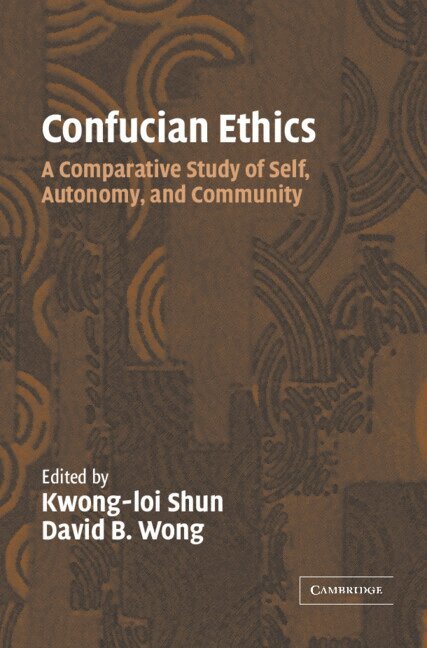
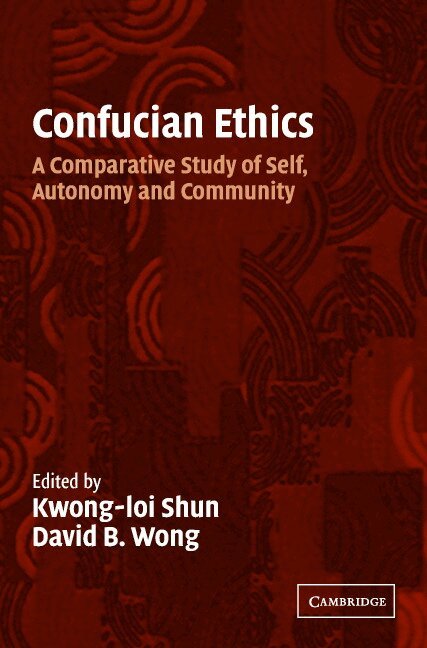
The Chinese ethical tradition has often been thought to oppose Western views of the self as autonomous and possessed of individual rights with views that emphasize the centrality of relationship and community to the self. The essays in this collection discuss the validity of that contrast as it concerns Confucianism, the single most influential Chinese school of thought. Alasdair MacIntyre, the single most influential philosopher to articulate the need for dialogue across traditions, contributes a concluding essay of commentary. This is the only consistently philosophical collection on Asia and human rights and could be used in courses on comparative ethics, political philosophy and Asian area studies.
448 kr
Skickas inom 7-10 vardagar
The Chinese ethical tradition has often been thought to oppose Western views of the self as autonomous and possessed of individual rights with views that emphasize the centrality of relationship and community to the self. The essays in this collection discuss the validity of that contrast as it concerns Confucianism, the single most influential Chinese school of thought. Alasdair MacIntyre, the single most influential philosopher to articulate the need for dialogue across traditions, contributes a concluding essay of commentary. This is the only consistently philosophical collection on Asia and human rights and could be used in courses on comparative ethics, political philosophy and Asian area studies.
1 466 kr
Skickas inom 10-15 vardagar
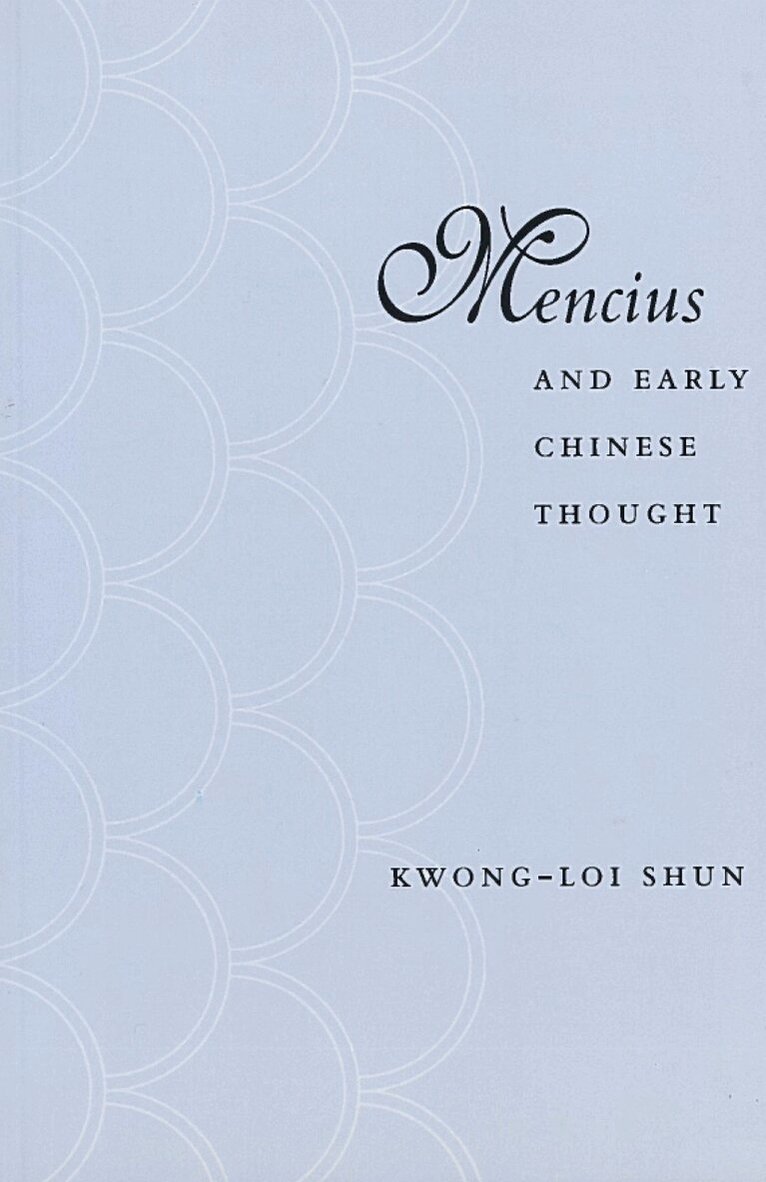
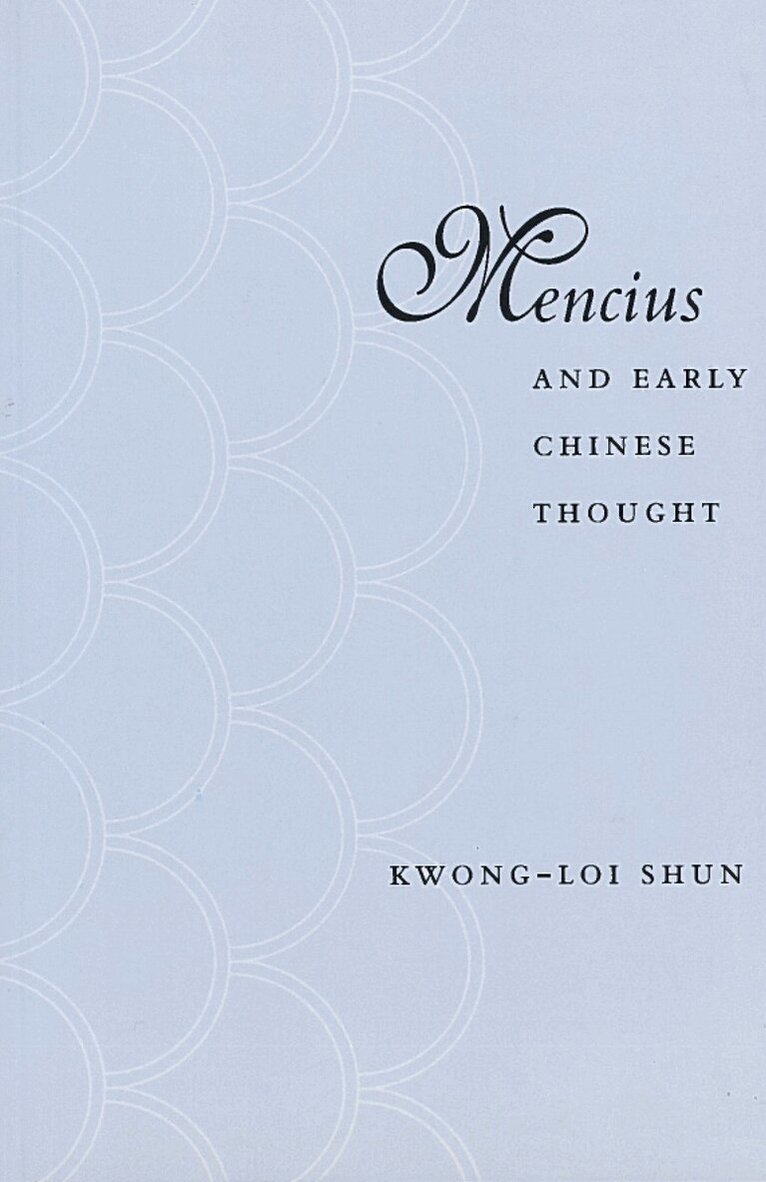
Throughout much of Chinese history, Mencius (372-289 b.c.) was considered the greatest Confucian thinker after Confucius himself. Following the enshrinement of the Mencius (an edited compilation of his thought by disciples or disciples of disciples) as one of the Four Books by Sung neo-Confucianists, he was studied by all educated Chinese.This study begins a reassessment of Mencius by studying his ethical thinking (how one should live) in relation to that of other early Chinese thinkers, including Confucius, Mo Tzu, the Yangists, and Hsün Tzu. It is the first of three planned studies on Mencius: the second volume will examine the reception and development of Mencian ideas by later thinkers, and the third will be a general philosophical discussion of Confucian ethics.
362 kr
Skickas inom 7-10 vardagar
Throughout much of Chinese history, Mencius (372-289 b.c.) was considered the greatest Confucian thinker after Confucius himself. Following the enshrinement of the Mencius (an edited compilation of his thought by disciples or disciples of disciples) as one of the Four Books by Sung neo-Confucianists, he was studied by all educated Chinese.This study begins a reassessment of Mencius by studying his ethical thinking (how one should live) in relation to that of other early Chinese thinkers, including Confucius, Mo Tzu, the Yangists, and Hsün Tzu. It is the first of three planned studies on Mencius: the second volume will examine the reception and development of Mencian ideas by later thinkers, and the third will be a general philosophical discussion of Confucian ethics.