Lara Ryazanova-Clarke – författare
Visar alla böcker från författaren Lara Ryazanova-Clarke. Handla med fri frakt och snabb leverans.
10 produkter
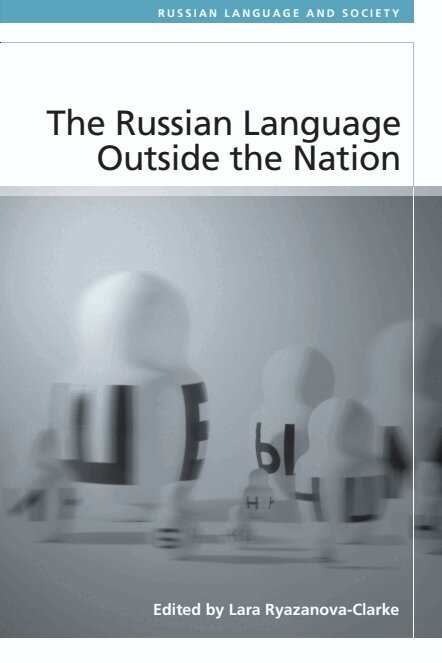
Russian Language Outside the Nation
Inbunden, 2014
1266 kr
Lägg i varukorg
The collapse of the Soviet Union dramatically changed the global distribution of the Russian language. Apart from Russia, it is now spoken in fourteen successor states of the former Soviet Union, while the increased mobility of Russian speakers has expanded russophone communities across the …
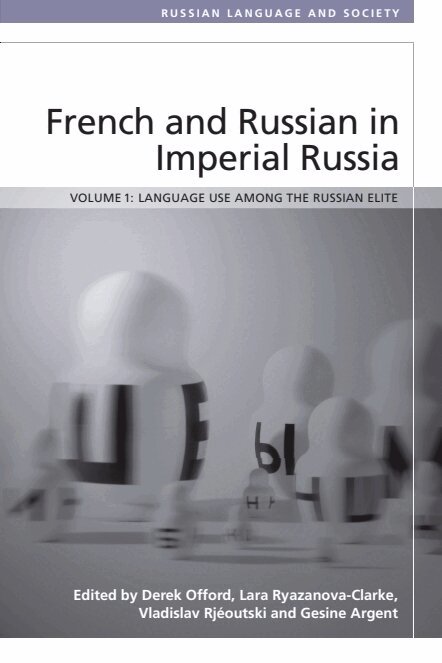
French and Russian in Imperial Russia
Language Use among the Russian Elite
Av Derek Offord, Lara Ryazanova-Clarke m. fl.
Inbunden, 2015
1266 kr
Lägg i varukorg
This is the first of two companion volumes which examine language use and language attitudes in eighteenth- and nineteenth-century Russia, focusing on the transitional period from the Enlightenment to the age of Pushkin. Set against the background of the rapid transformation of Russia into a major …
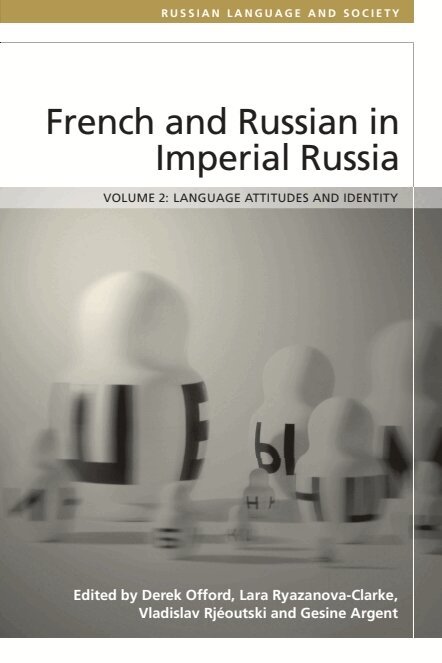
French and Russian in Imperial Russia
Language Attitudes and Identity
Av Derek Offord, Lara Ryazanova-Clarke m. fl.
Inbunden, 2015
1266 kr
Lägg i varukorg
This is the second of two companion volumes which examine language use and language attitudes in eighteenth- and nineteenth-century Russia, focusing on the transitional period from the Enlightenment to the age of Pushkin. Set against the background of the rapid transformation of Russia into a major …
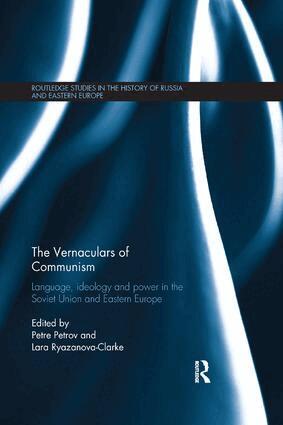
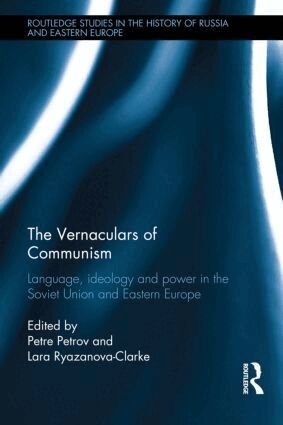
Vernaculars of Communism
Language, Ideology and Power in the Soviet Union and Eastern Europe
Av Petre Petrov, Lara Ryazanova-Clarke
Häftad, 2017
844 kr
Lägg i varukorg
The political revolutions which established state socialism in the Soviet Union and Eastern Europe were accompanied by revolutions in the word, as the communist project implied not only remaking the world but also renaming it. As new institutions, social roles, rituals and behaviours emerged, so …
Vernaculars of Communism
Language, Ideology and Power in the Soviet Union and Eastern Europe
Av Petre Petrov, Lara Ryazanova-Clarke
Inbunden, 2014
3147 kr
Lägg i varukorg
The political revolutions which established state socialism in the Soviet Union and Eastern Europe were accompanied by revolutions in the word, as the communist project implied not only remaking the world but also renaming it. As new institutions, social roles, rituals and behaviours emerged, so …
Vernaculars of Communism
Language, Ideology and Power in the Soviet Union and Eastern Europe
Av Lara Ryazanova-Clarke, Petre Petrov
E-bok, 2014
999 kr
Lägg i varukorg
The political revolutions which established state socialism in the Soviet Union and Eastern Europe were accompanied by revolutions in the word, as the communist project implied not only remaking the world but also renaming it. As new institutions, social roles, rituals and behaviours emerged, so …
Vernaculars of Communism
Language, Ideology and Power in the Soviet Union and Eastern Europe
Av Lara Ryazanova-Clarke, Petre Petrov
E-bok, 2014
999 kr
Lägg i varukorg
The political revolutions which established state socialism in the Soviet Union and Eastern Europe were accompanied by revolutions in the word, as the communist project implied not only remaking the world but also renaming it. As new institutions, social roles, rituals and behaviours emerged, so …
Russian Language Outside the Nation
Häftad, 2026
322 kr
Kommande
The collapse of the Soviet Union dramatically changed the global distribution of the Russian language. Apart from Russia, it is now spoken in fourteen successor states of the former Soviet Union, while the increased mobility of Russian speakers has expanded russophone communities across the …
French and Russian in Imperial Russia
Language Use among the Russian Elite
Av Derek Offord, Lara Ryazanova-Clarke m. fl.
Häftad, 2026
322 kr
Kommande
This is the first of two companion volumes which examine language use and language attitudes in eighteenth- and nineteenth-century Russia, focusing on the transitional period from the Enlightenment to the age of Pushkin. Set against the background of the rapid transformation of Russia into a major …
French and Russian in Imperial Russia
Language Attitudes and Identity
Av Derek Offord, Lara Ryazanova-Clarke m. fl.
Häftad, 2026
322 kr
Kommande
This is the second of two companion volumes which examine language use and language attitudes in eighteenth- and nineteenth-century Russia, focusing on the transitional period from the Enlightenment to the age of Pushkin. Set against the background of the rapid transformation of Russia into a major …