Laura Cleaver – författare
Visar alla böcker från författaren Laura Cleaver. Handla med fri frakt och snabb leverans.
18 produkter
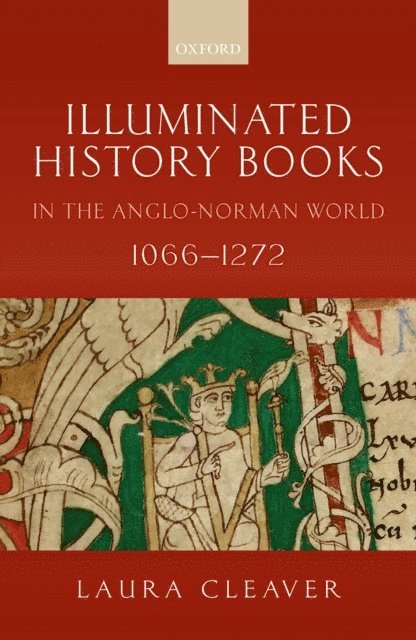
Illuminated History Books in the Anglo-Norman World, 1066-1272
E-bok, 2018
1284 kr
Lägg i varukorg
During the twelfth and thirteenth centuries, texts about the recent and more distant past were produced in remarkable numbers in the lands controlled by the kings of England. This may be seen, in part, as a response to changing social and political circumstances in the wake of the Norman conquest …
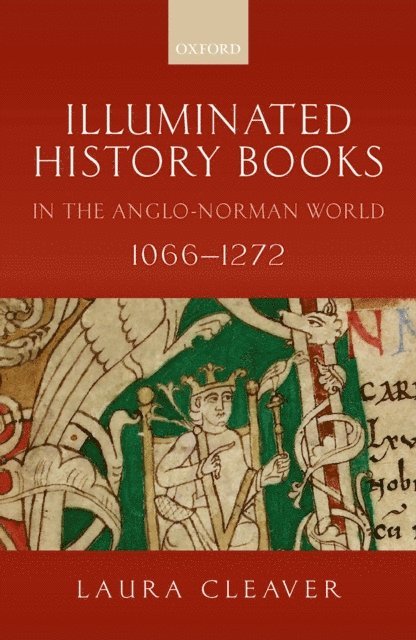
Illuminated History Books in the Anglo-Norman World, 1066-1272
E-bok, 2018
1284 kr
Lägg i varukorg
During the twelfth and thirteenth centuries, texts about the recent and more distant past were produced in remarkable numbers in the lands controlled by the kings of England. This may be seen, in part, as a response to changing social and political circumstances in the wake of the Norman conquest …
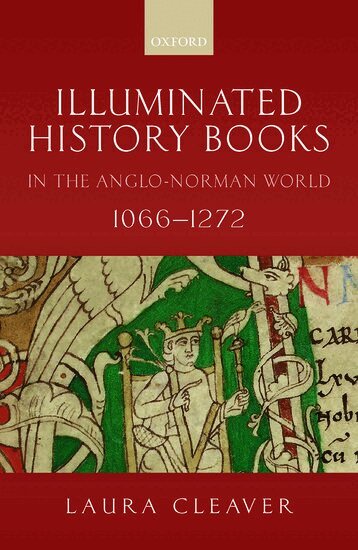
Illuminated History Books in the Anglo-Norman World, 1066-1272
Inbunden, 2018
1998 kr
Lägg i varukorg
During the twelfth and thirteenth centuries, texts about the recent and more distant past were produced in remarkable numbers in the lands controlled by the kings of England. This may be seen, in part, as a response to changing social and political circumstances in the wake of the Norman conquest …
The Trade in Rare Books and Manuscripts between Britain and America c. 1890-1929
Av Danielle Magnusson, Laura Cleaver
Häftad, 2022
245 kr
Lägg i varukorg
This Element examines the trade in rare books and manuscripts between Britain and America during a period known as the 'Golden Age' of collecting. Through analysis of contemporary press reports, personal correspondence, trade publications and sales records, this study contrasts American and British …
Trade in Rare Books and Manuscripts between Britain and America c. 1890-1929
Av Laura Cleaver, Danielle Magnusson
E-bok, 2022
235 kr
Lägg i varukorg
This Element examines the trade in rare books and manuscripts between Britain and America during a period known as the ''Golden Age'' of collecting. Through analysis of contemporary press reports, personal correspondence, trade publications and sales records, this study contrasts American and …
Trade in Rare Books and Manuscripts between Britain and America c. 1890-1929
Av Laura Cleaver, Danielle Magnusson
E-bok, 2022
235 kr
Lägg i varukorg
This Element examines the trade in rare books and manuscripts between Britain and America during a period known as the ''Golden Age'' of collecting. Through analysis of contemporary press reports, personal correspondence, trade publications and sales records, this study contrasts American and …
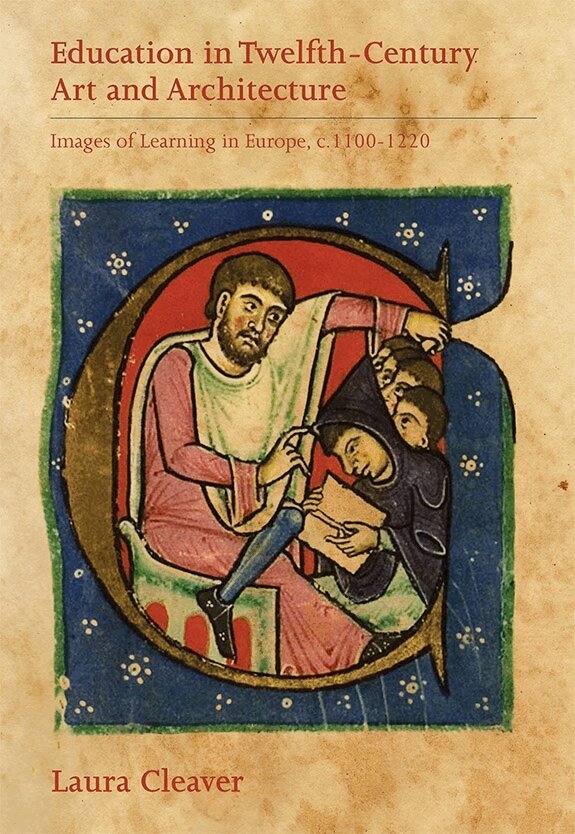
Education in Twelfth-Century Art and Architecture
Images of Learning in Europe, c.1100-1220
Inbunden, 2016
604 kr
Lägg i varukorg
A study of the representation of education in material culture, at a period of considerable change and growth.On the facade of Chartres cathedral serene personifications of the arts of grammar, rhetoric, dialectic, music, arithmetic, geometry and astronomy present passers-by with a vision of …
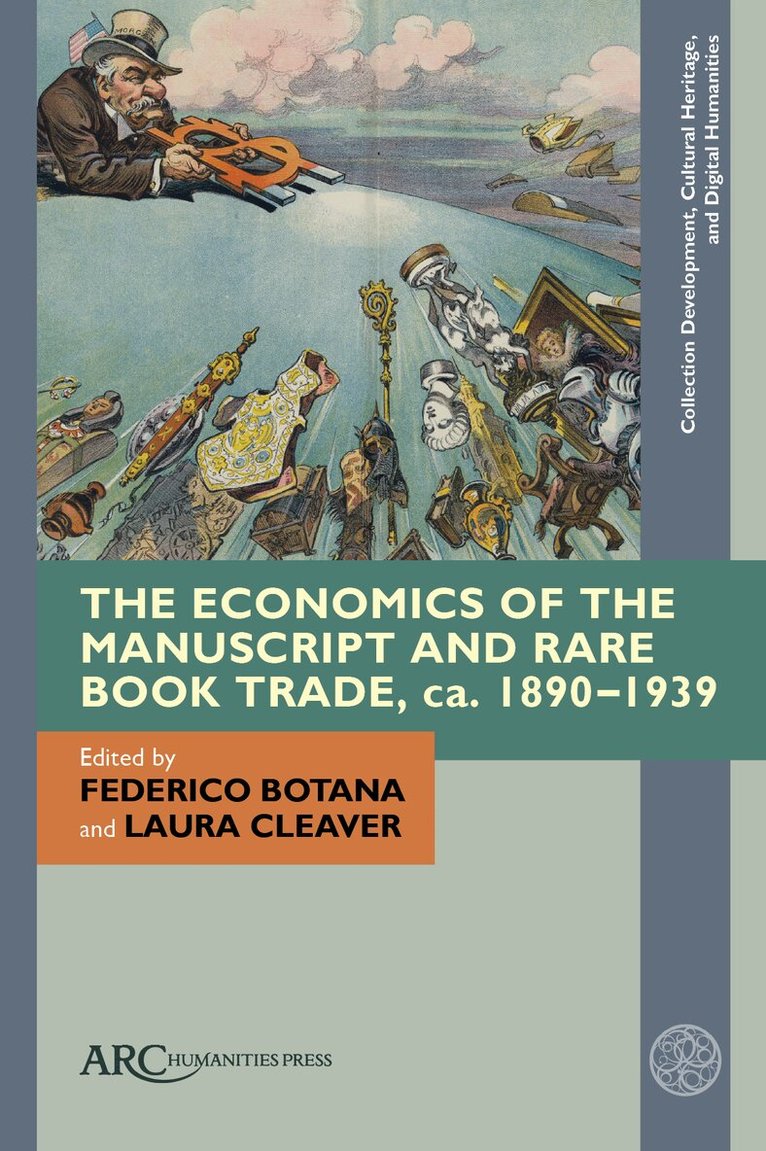
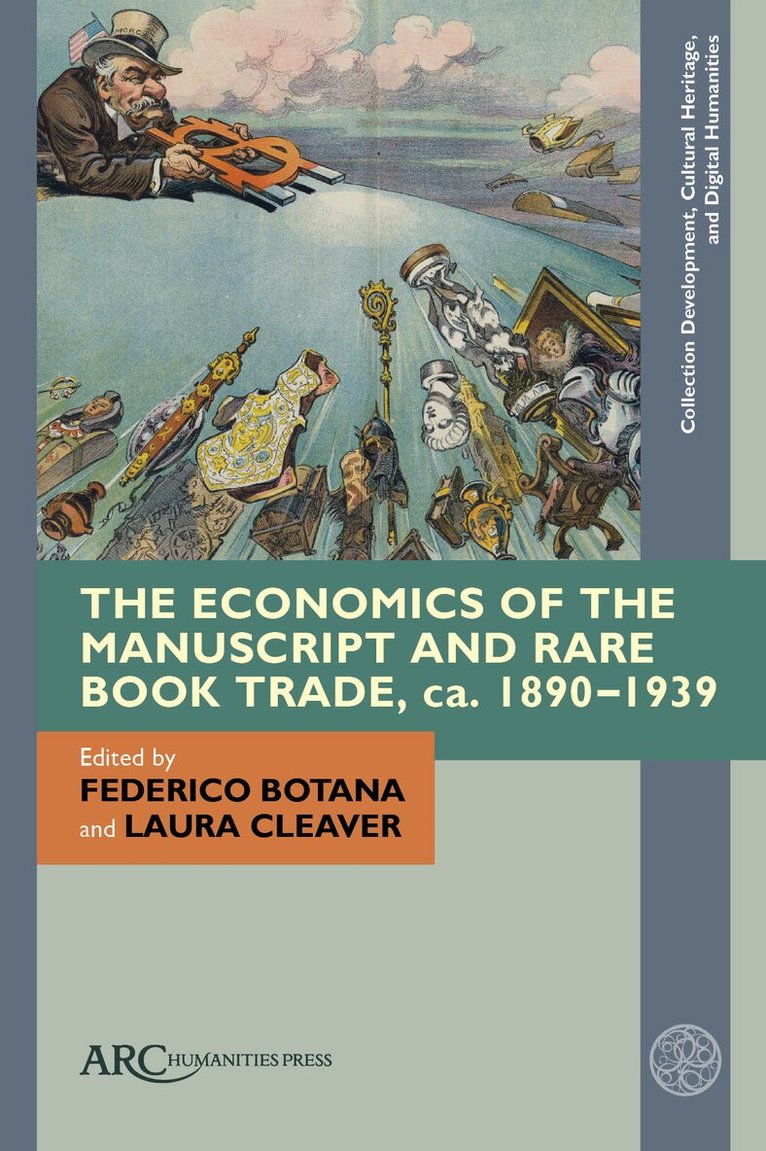
Economics of the Manuscript and Rare Book Trade, ca. 1890–1939
Av Federico Botana, Laura Cleaver
Inbunden, 2024
1581 kr
Lägg i varukorg
The market for rare books has been characterized as unpredictable, and driven by the whims of a small number of rich individuals. Yet behind the headlines announcing new auction records, a range of sources make it possible to analyze the market as a whole. This book introduces the economics of the …
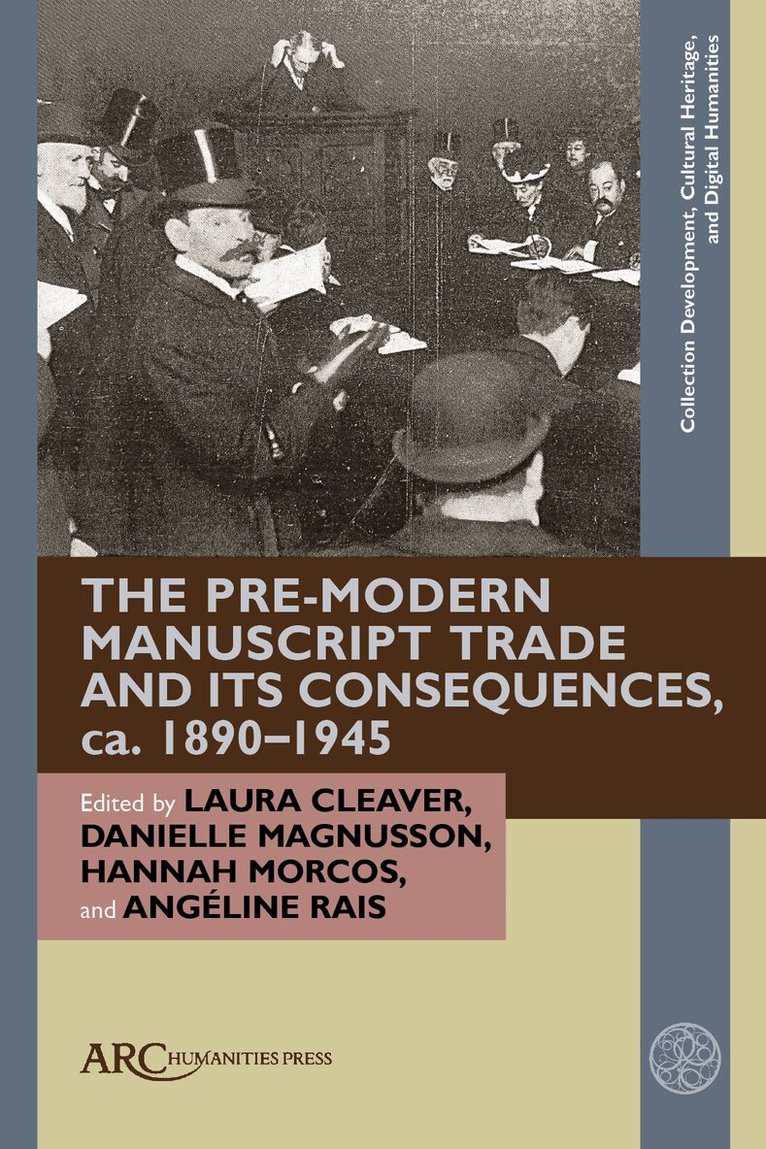
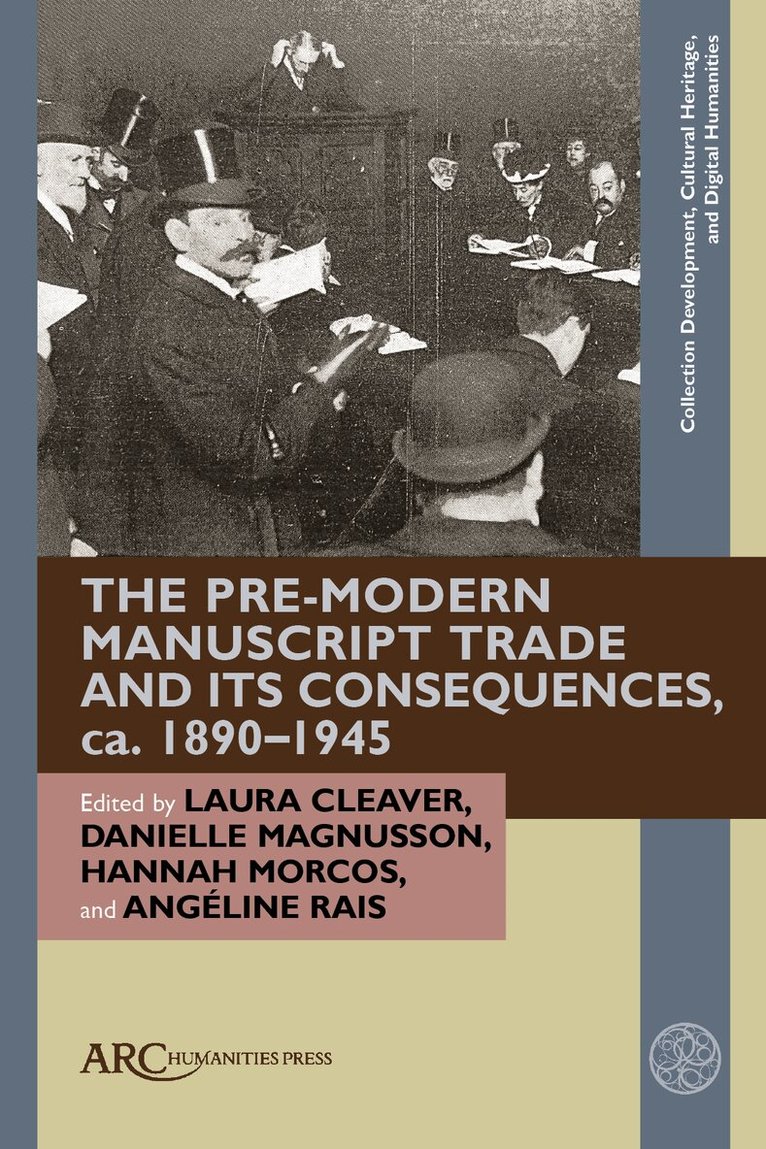
Pre-Modern Manuscript Trade and its Consequences, ca. 1890–1945
Av Laura Cleaver, Danielle Magnusson m. fl.
Inbunden, 2024
3084 kr
Lägg i varukorg
This collection brings together current research into the development of the market for pre-modern manuscripts. Between 1890 and 1945 thousands of manuscripts made in Europe before 1600 appeared on the market. Many entered the collections in which they have remained, shaping where and how we …
Economics of the Manuscript and Rare Book Trade, ca. 1890–1939
Av Federico Botana, Laura Cleaver
Häftad, 2024
471 kr
Lägg i varukorg
The market for rare books has been characterized as unpredictable, and driven by the whims of a small number of rich individuals. Yet behind the headlines announcing new auction records, a range of sources make it possible to analyze the market as a whole. This book introduces the economics of the …
Pre-Modern Manuscript Trade and its Consequences, ca. 1890–1945
Av Laura Cleaver, Danielle Magnusson m. fl.
Häftad, 2025
625 kr
Lägg i varukorg
This collection brings together current research into the development of the market for pre-modern manuscripts. Between 1890 and 1945 thousands of manuscripts made in Europe before 1600 appeared on the market. Many entered the collections in which they have remained, shaping where and how we …
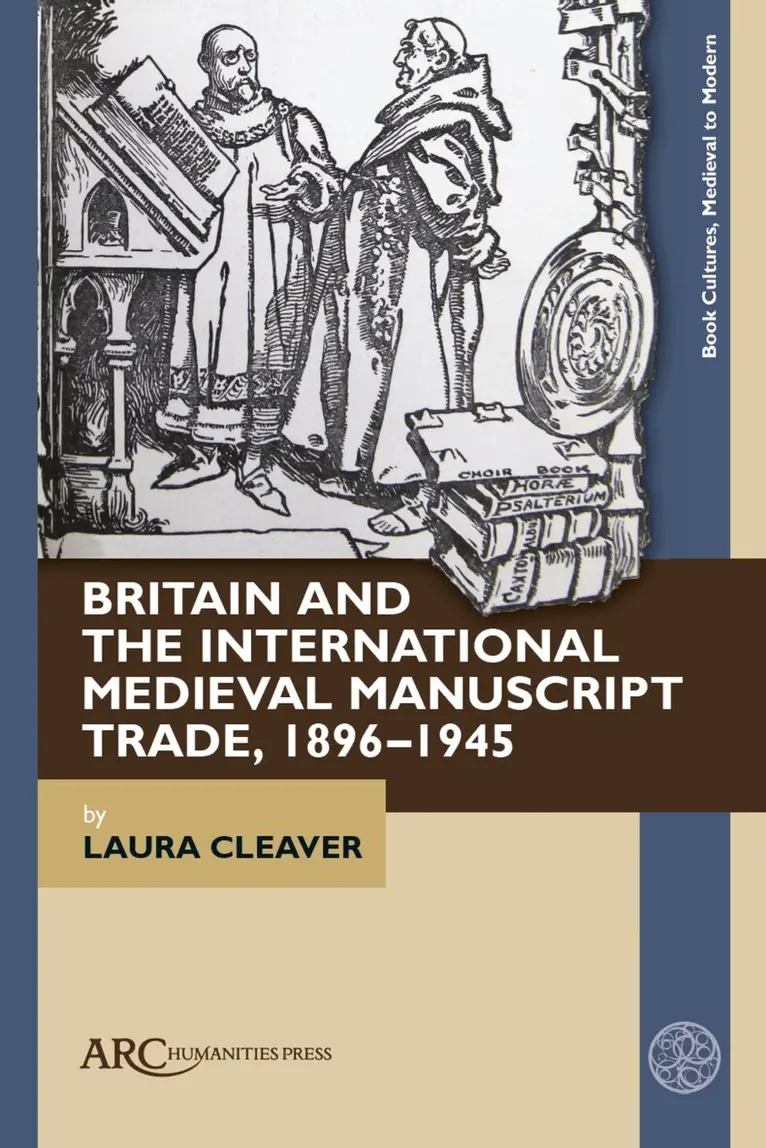
Britain and the International Medieval Manuscript Trade, 1896–1945
Inbunden, 2026
2801 kr
Lägg i varukorg
Most medieval manuscripts are now held in specialist libraries, but a century ago there was a flourishing international trade in such books, with London at its centre. The first half of the twentieth century saw new record auction prices and many manuscripts leaving Europe for the USA, but also …
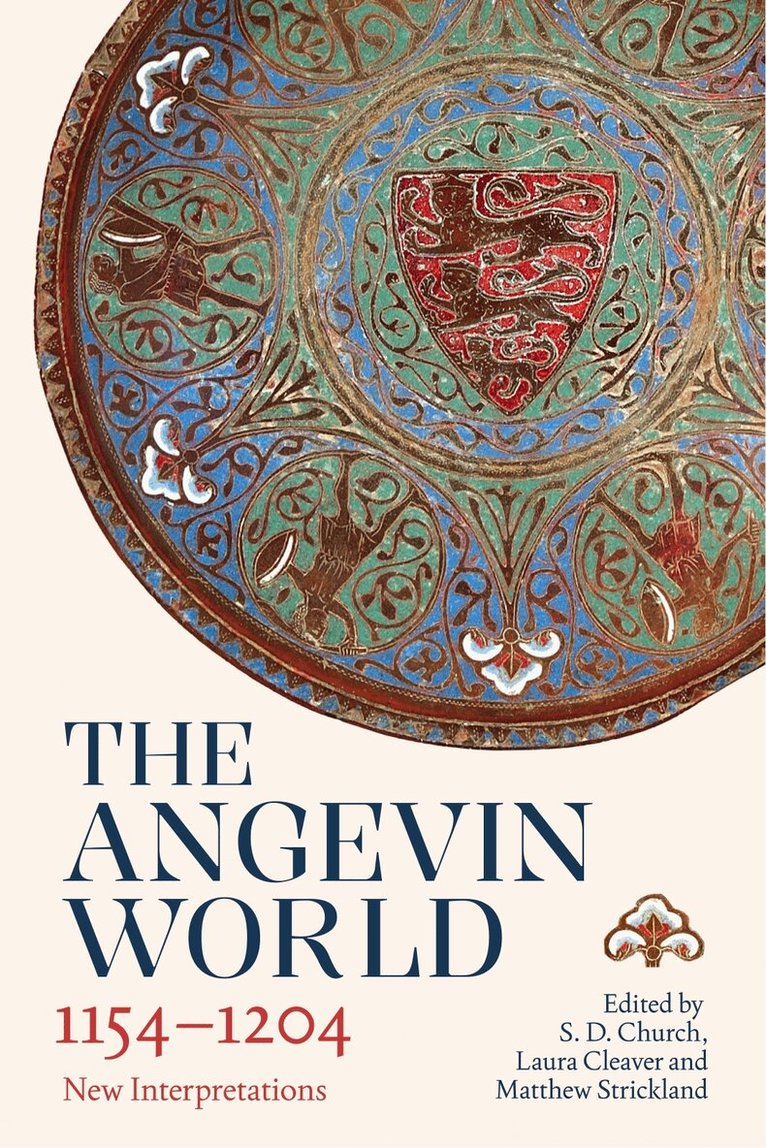
Angevin World, 1154-1204
New Interpretations
Av Stephen D Church, Laura Cleaver m. fl.
Inbunden, 2026
1267 kr
Lägg i varukorg
Fresh perspectives on how we understand the complex nature of the Angevin lands.At the time of his death in 1189, the lands which Henry II had brought under his rule through inheritance, marriage, and military might stretched from Northumbria to Gascony, and across the Irish Sea. This vast …
Angevin World, 1154-1204
New Interpretations
Av Matthew Strickland, Laura Cleaver m. fl.
E-bok, 2026
370 kr
Lägg i varukorg
Fresh perspectives on how we understand the complex nature of the Angevin lands.At the time of his death in 1189, the lands which Henry II had brought under his rule through inheritance, marriage, and military might stretched from Northumbria to Gascony, and across the Irish Sea. This vast …
Angevin World, 1154-1204
New Interpretations
Av Matthew Strickland, Laura Cleaver m. fl.
E-bok, 2026
370 kr
Lägg i varukorg
Fresh perspectives on how we understand the complex nature of the Angevin lands.At the time of his death in 1189, the lands which Henry II had brought under his rule through inheritance, marriage, and military might stretched from Northumbria to Gascony, and across the Irish Sea. This vast …
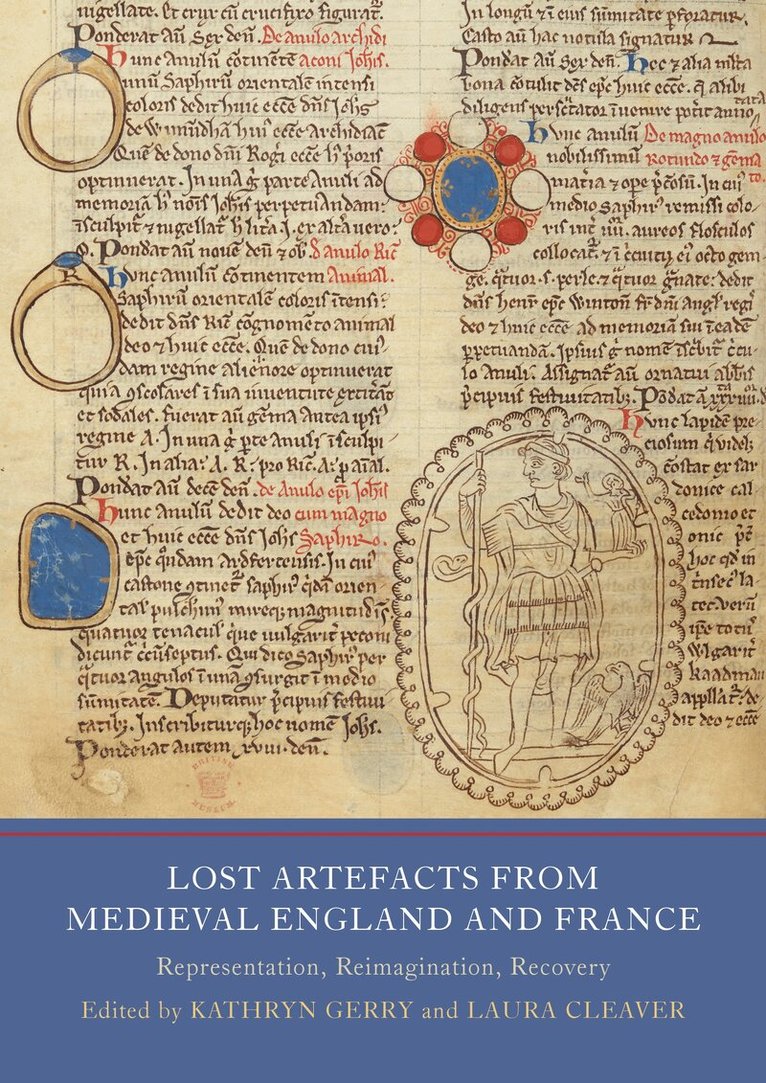
Lost Artefacts from Medieval England and France
Representation, Reimagination, Recovery
Av Laura Cleaver, Kathryn Gerry
Inbunden, 2022
1489 kr
Lägg i varukorg
Contemporary descriptions of objects no longer extant examined to reconstruct these lost treasures.Surviving accounts of the material culture of medieval Europe - including buildings, boats, reliquaries, wall paintings, textiles, ivory mirror cases, book bindings and much more - present a …
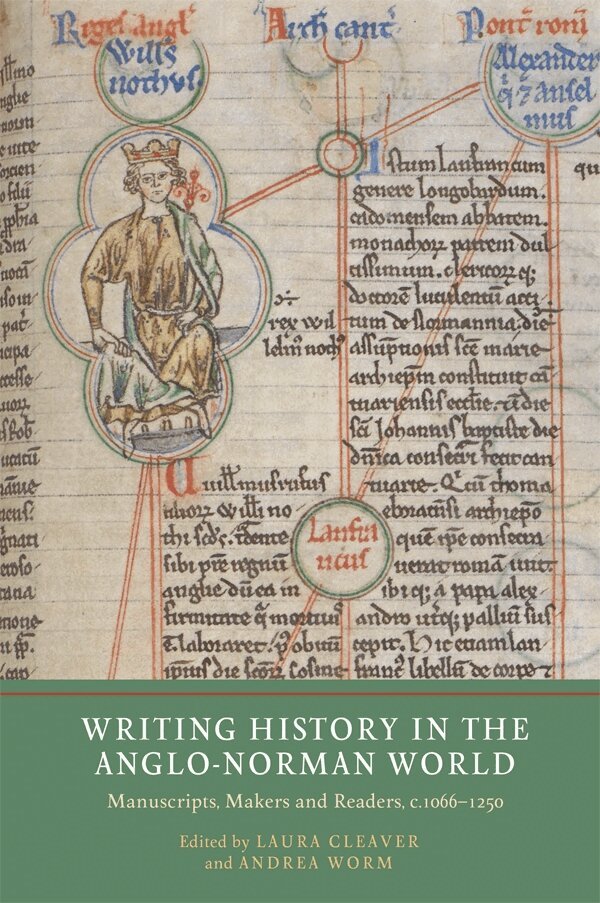
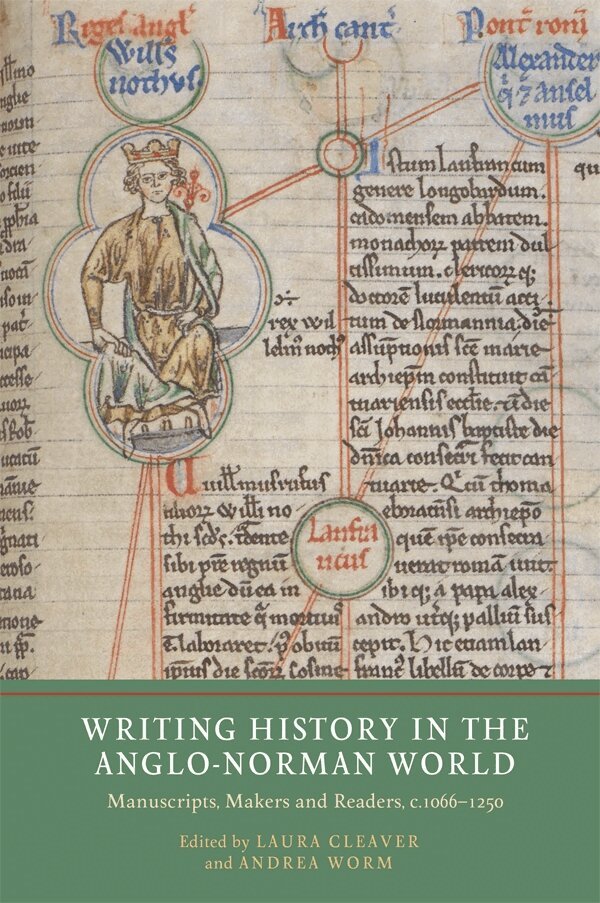
Writing History in the Anglo-Norman World
Manuscripts, Makers and Readers, c.1066-c.1250
Häftad, 2022
365 kr
Lägg i varukorg
The contexts for the works of eleventh and twelfth-century historians are here brought to the fore.History was a subject popular with authors and readers in the Anglo-Norman world. The volume and richness of historical writing in the lands controlled by the kings of England, particularly from the …
Writing History in the Anglo-Norman World
Manuscripts, Makers and Readers, c.1066-c.1250
Inbunden, 2018
813 kr
Tillfälligt slut
The contexts for the works of eleventh and twelfth-century historians are here brought to the fore.History was a subject popular with authors and readers in the Anglo-Norman world. The volume and richness of historical writing in the lands controlled by the kings of England, particularly from the …