Lauren Freeman - Böcker
Visar alla böcker från författaren Lauren Freeman. Handla med fri frakt och snabb leverans.
5 produkter
5 produkter
929 kr
Skickas inom 7-10 vardagar
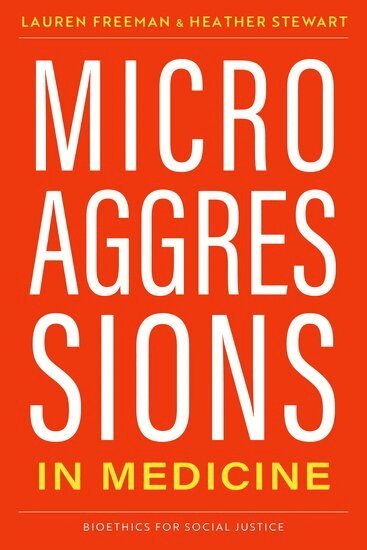
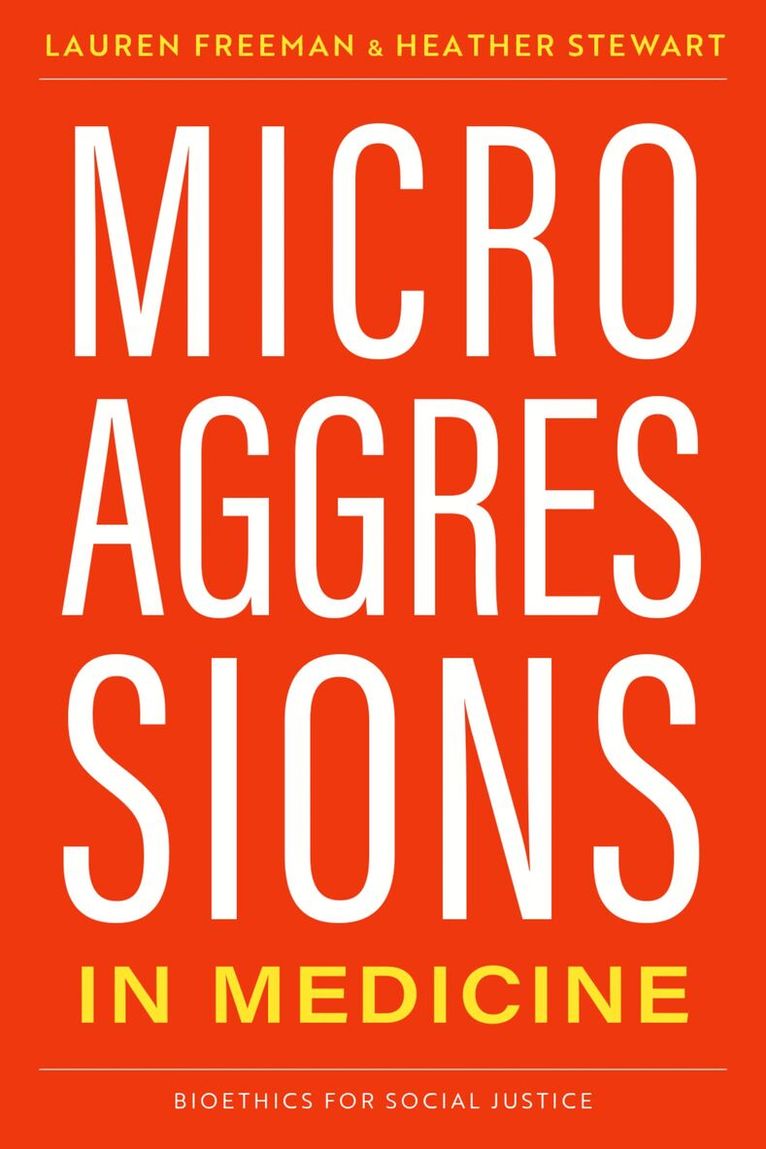
In a world that too often marginalizes people based on their race, gender, sexual orientation, body size, or disability, medicine can often be no different. Far from “doing no harm,” it treats some patients unfairly, leading to detrimental effects. Guided by diverse patient testimonies and case studies, Microaggressions in Medicine focuses on the harms that such patients face. It amplifies their voices, stories, and experiences, which have too-often been excluded from mainstream bioethical, medical, and popular discussions. Microaggressions in medicine are not rare, but frequent in the healthcare experiences of marginalized patients. Recognizing this can help patients better understand and make sense of their experiences. As bioethicists Lauren Freeman and Heather Stewart argue, building such an awareness can also help current and future healthcare professionals recognize the serious and enduring consequences that microaggressions have on their patients. Freeman and Stewart offer practical strategies for healthcare professionals to reduce microaggressions in their practices. The harms of microaggressions are anything but micro. Healthcare professionals have a moral obligation to prevent them as much as possible. Health equity can be achieved, but only through first recognizing the harm caused by microaggressions in medical contexts. Shining a light on microaggressions in medicine and offering concrete ways for health professionals to avoid them in the future will make a positive difference in the lives of marginalized patients as they interact with medical institutions and practitioners. All patients deserve high quality, patient-centered care but healthcare professionals must change their practices in order to achieve such equity.
339 kr
Skickas inom 5-8 vardagar
In a world that too often marginalizes people based on their race, gender, sexual orientation, body size, or disability, medicine can often be no different. Far from “doing no harm,” it treats some patients unfairly, leading to detrimental effects. Guided by diverse patient testimonies and case studies, Microaggressions in Medicine focuses on the harms that such patients face. It amplifies their voices, stories, and experiences, which have too-often been excluded from mainstream bioethical, medical, and popular discussions. Microaggressions in medicine are not rare, but frequent in the healthcare experiences of marginalized patients. Recognizing this can help patients better understand and make sense of their experiences. As bioethicists Lauren Freeman and Heather Stewart argue, building such an awareness can also help current and future healthcare professionals recognize the serious and enduring consequences that microaggressions have on their patients. Freeman and Stewart offer practical strategies for healthcare professionals to reduce microaggressions in their practices. The harms of microaggressions are anything but micro. Healthcare professionals have a moral obligation to prevent them as much as possible. Health equity can be achieved, but only through first recognizing the harm caused by microaggressions in medical contexts. Shining a light on microaggressions in medicine and offering concrete ways for health professionals to avoid them in the future will make a positive difference in the lives of marginalized patients as they interact with medical institutions and practitioners. All patients deserve high quality, patient-centered care but healthcare professionals must change their practices in order to achieve such equity.
2 088 kr
Skickas inom 10-15 vardagar
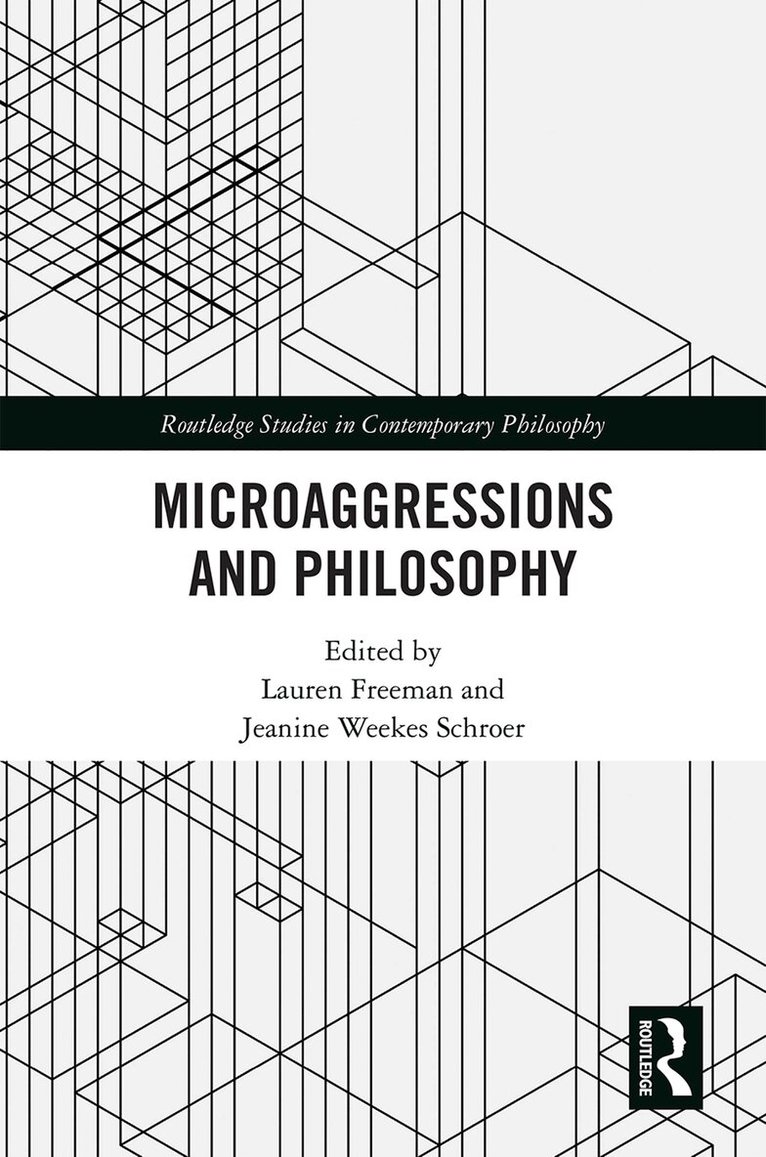
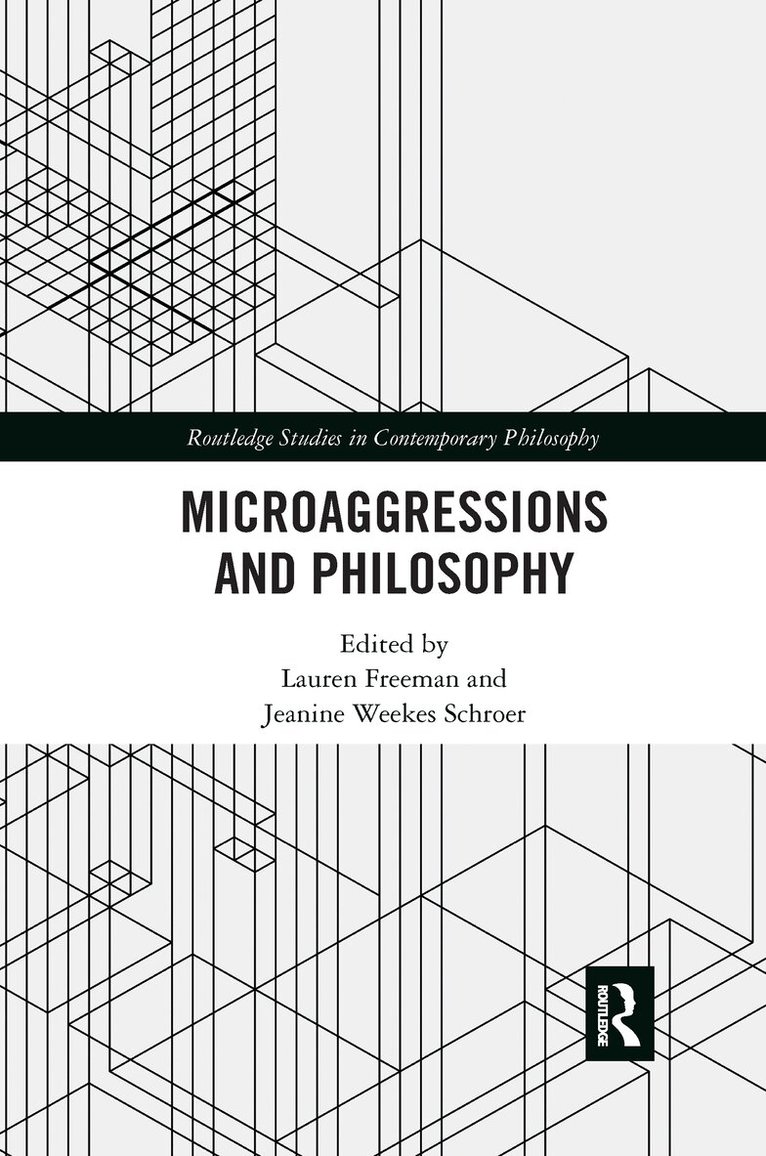
This is the first book to offer a philosophical engagement with microaggressions. It aims to provide an intersectional analysis of microaggressions that cuts across multiple dimensions of oppression and marginalization, and to engage a variety of perspectives that have been sidelined within the discipline of philosophy. The volume gathers a diverse group of contributors: philosophers of color, philosophers with disabilities, philosophers of various nationalities and ethnicities, and philosophers of several gender identities. Their unique frames of analysis articulate both how the concept of microaggressions can be used to clarify and sharpen our understanding of subtler aspects of oppression and how analysis, expansion, and reconceiving the notion of a microaggression can deepen and extend its explanatory power. The essays in the volume seek to defend microaggressions from common critiques and to explain their impact beyond the context of college students. Some of the guiding questions that this volume explores include, but are not limited to, the following: Can microaggressions be established as a viable scientific concept? What roles do microaggressions play in other oppressive phenomena like transphobia, fat phobia, and abelism? How can epistemological challenges around microaggressions be addressed via feminist theory, critical race theory, disability theory, or epistemologies of ignorance? What insights can be gleaned from intersectional analyses of microaggressions? Are there domain-specific analyses of microaggressions that would give insight to features of that domain, i.e. microaggressions related to sexuality, athletics, immigration status, national origin, body type, or ability.Microaggressions and Philosophy features cutting-edge research on an important topic that will appeal to a wide range of students and scholars across disciplines. It includes perspectives from philosophy of psychology, empirically informed philosophy, feminist philosophy, critical race theory, disability theory, philosophy of language, philosophy of science, and social and political philosophy.
630 kr
Skickas inom 10-15 vardagar
This is the first book to offer a philosophical engagement with microaggressions. It aims to provide an intersectional analysis of microaggressions that cuts across multiple dimensions of oppression and marginalization, and to engage a variety of perspectives that have been sidelined within the discipline of philosophy. The volume gathers a diverse group of contributors: philosophers of color, philosophers with disabilities, philosophers of various nationalities and ethnicities, and philosophers of several gender identities. Their unique frames of analysis articulate both how the concept of microaggressions can be used to clarify and sharpen our understanding of subtler aspects of oppression and how analysis, expansion, and reconceiving the notion of a microaggression can deepen and extend its explanatory power. The essays in the volume seek to defend microaggressions from common critiques and to explain their impact beyond the context of college students. Some of the guiding questions that this volume explores include, but are not limited to, the following: Can microaggressions be established as a viable scientific concept? What roles do microaggressions play in other oppressive phenomena like transphobia, fat phobia, and abelism? How can epistemological challenges around microaggressions be addressed via feminist theory, critical race theory, disability theory, or epistemologies of ignorance? What insights can be gleaned from intersectional analyses of microaggressions? Are there domain-specific analyses of microaggressions that would give insight to features of that domain, i.e. microaggressions related to sexuality, athletics, immigration status, national origin, body type, or ability.Microaggressions and Philosophy features cutting-edge research on an important topic that will appeal to a wide range of students and scholars across disciplines. It includes perspectives from philosophy of psychology, empirically informed philosophy, feminist philosophy, critical race theory, disability theory, philosophy of language, philosophy of science, and social and political philosophy.
285 kr
Skickas inom 3-6 vardagar