Lauren Stokes – Författare
Visar alla böcker från författaren Lauren Stokes. Handla med fri frakt och snabb leverans.
3 produkter
3 produkter
Fear of the Family
Guest Workers and Family Migration in the Federal Republic of Germany
Inbunden, Engelska, 2022
669 kr
Skickas inom 3-6 vardagar
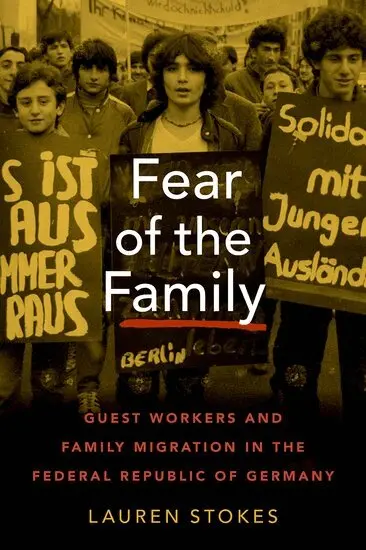
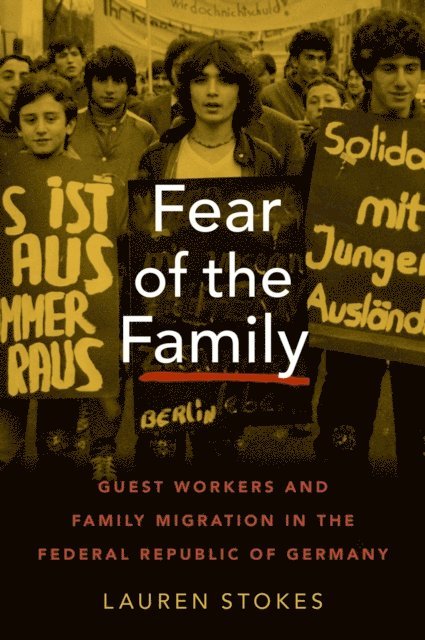
Beginning in 1955, West Germany recruited millions of people as guest workers from Yugoslavia, Italy, Greece, Spain, Portugal, and especially Turkey. This labor force was essential to creating the postwar German economic miracle. Employers fantasized that foreign "guest workers" would provide labor power in their prime productive years without having to pay for their education, pensions, or medical care. They especially hoped that the workers would leave behind their spouses and children and not encumber the German state or society with the cost of caring for them. As Lauren Stokes argues, the Federal Republic of Germany turned fear of this foreign family into the basis of policymaking, while at the same time implementing policies that inflicted fear in foreign families. Workers did not always prove willing to live their work lives in the FRG and their family lives elsewhere. They consistently challenged the state's assumption that "family" and "labor" could be cleanly divided, defied restrictive and discriminatory policies, staged political protests, and took their deportation orders to court. In 1973, the federal court legally recognized the constitutional right to family reunification, but almost immediately after the decision, the migration bureaucracy sought to limit that right in practice. Officials derided family migrants as a group of burdensome dependents seeking to defraud the welfare state and demonized them as a dangerous source of foreign values on German soil. In this sweeping look at what being defined as "family migrants" has meant for millions at the immigration office, in the courtroom, in the workplace, and in the family itself, Fear of the Family illuminates how racial, ethnic, and gender difference have been inscribed in the neoliberal West German welfare state.
1 626 kr
Kommande
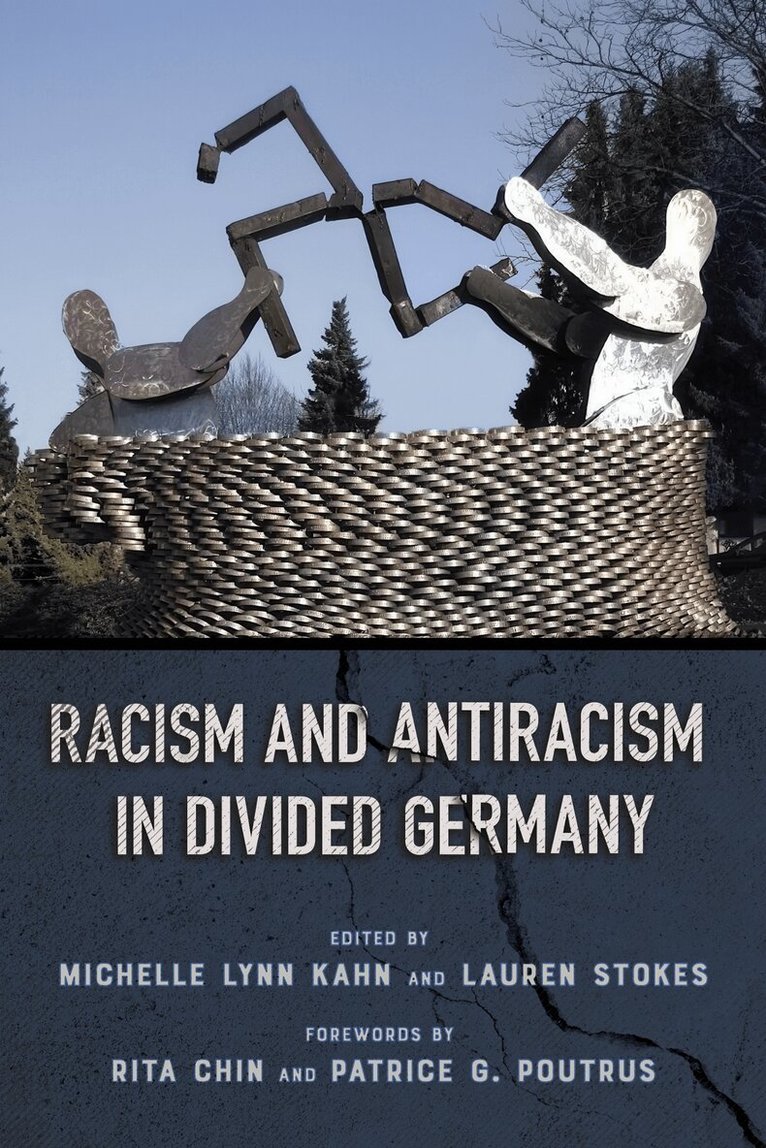
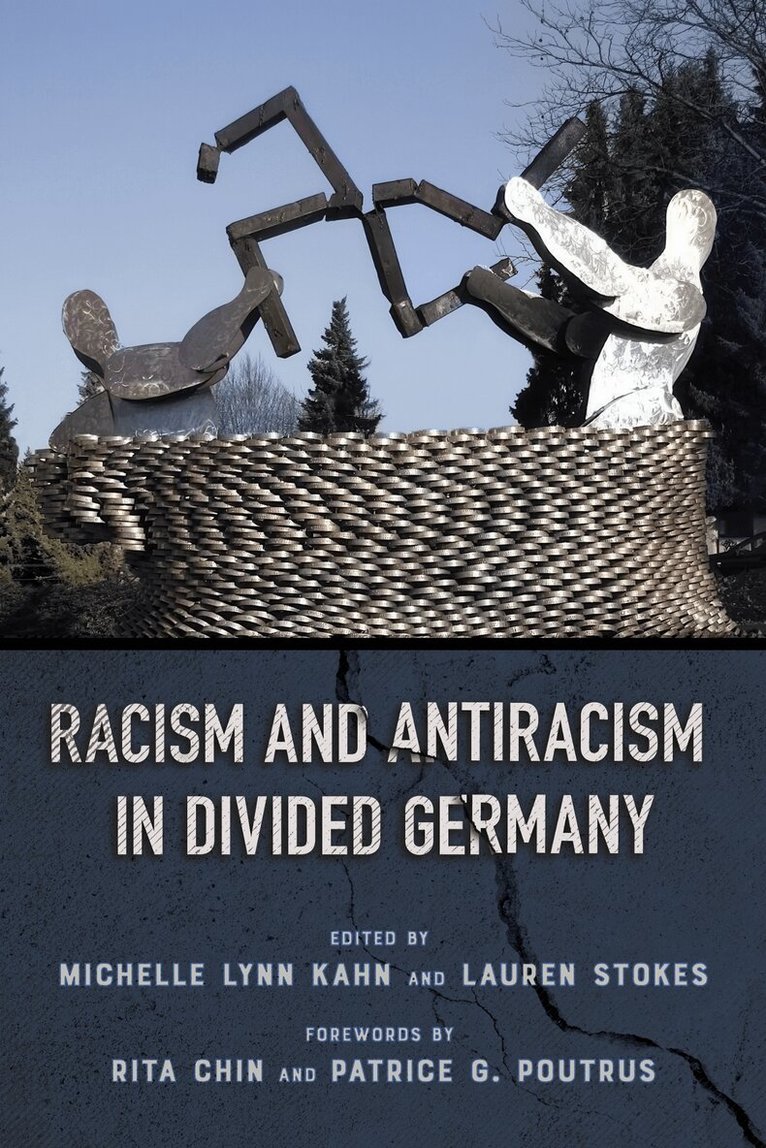
Racism and Antiracism in Divided Germany addresses how racism expresses itself and what it means to be antiracist by tracing the history of racism and antiracist activism in East, West, and unified Germany. As far-right extremism surges in Germany today, Germans from across the political spectrum are increasingly grappling with the presence of racism in a country that is still coming to terms with its Nazi past. However, these public discussions are not always historically informed, and racism in Germany is often dismissed as a fringe phenomenon rather than part of mainstream society.The contributions in this volume juxtapose the experiences of multiple racialized groups to collectively show how racism, rightwing extremism, and antiforeigner violence have long been embedded in the center of both East and West German society. Germany's unification in the 1990s produced a deadly collision of two distinct yet overlapping cultures of racism that persists today. The volume also highlights Germany's long overlooked history of antiracist activism, providing historical lessons on how to combat racism today.Contributors: Rita Chin, Christopher Ewing, Sheer Ganor, Daniela Gress, Christopher A. Molnar, Paige Newhouse, Jannis Panagiotidis, Hans-Christian Petersen, Patrice G. Poutrus, Thomas Prennig, Bill Sharman, Brian Van Wyck, Johanna M. Wetzel
370 kr
Kommande
Racism and Antiracism in Divided Germany addresses how racism expresses itself and what it means to be antiracist by tracing the history of racism and antiracist activism in East, West, and unified Germany. As far-right extremism surges in Germany today, Germans from across the political spectrum are increasingly grappling with the presence of racism in a country that is still coming to terms with its Nazi past. However, these public discussions are not always historically informed, and racism in Germany is often dismissed as a fringe phenomenon rather than part of mainstream society.The contributions in this volume juxtapose the experiences of multiple racialized groups to collectively show how racism, rightwing extremism, and antiforeigner violence have long been embedded in the center of both East and West German society. Germany's unification in the 1990s produced a deadly collision of two distinct yet overlapping cultures of racism that persists today. The volume also highlights Germany's long overlooked history of antiracist activism, providing historical lessons on how to combat racism today.Contributors: Rita Chin, Christopher Ewing, Sheer Ganor, Daniela Gress, Christopher A. Molnar, Paige Newhouse, Jannis Panagiotidis, Hans-Christian Petersen, Patrice G. Poutrus, Thomas Prennig, Bill Sharman, Brian Van Wyck, Johanna M. Wetzel