Laurie Winn Carlson – författare
Visar alla böcker från författaren Laurie Winn Carlson. Handla med fri frakt och snabb leverans.
4 produkter
4 produkter
167 kr
Tillfälligt slut
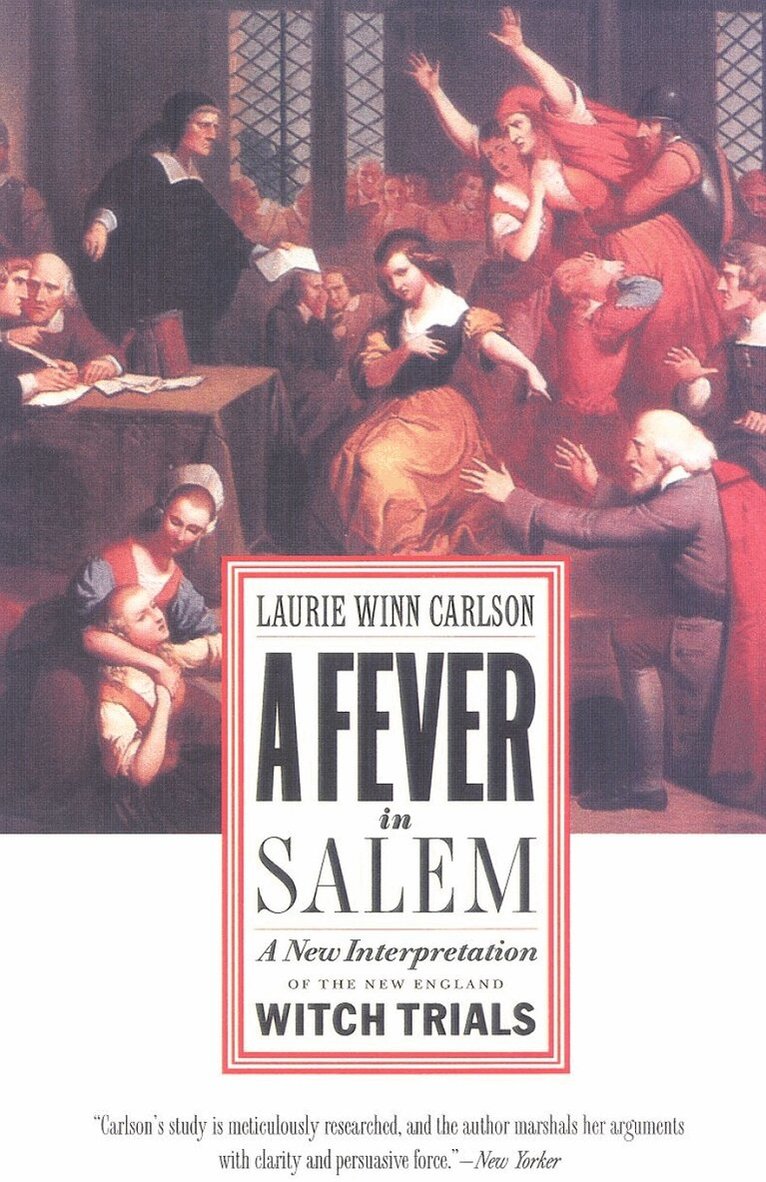
This new interpretation of the New England Witch Trials offers an innovative, well-grounded explanation of witchcraft's link to organic illness. While most historians have concentrated on the accused, Laurie Winn Carlson focuses on the afflicted. Systematically comparing the symptoms recorded in colonial diaries and court records to those of the encephalitis epidemic in the early twentieth century, she argues convincingly that the victims suffered from the same disease. A unique blend of historical epidemiology and sociology. —Katrina L. Kelner, Science. Meticulously researched...the author marshalls her arguments with clarity and persuasive force. —New Yorker
213 kr
Skickas inom 10-15 vardagar
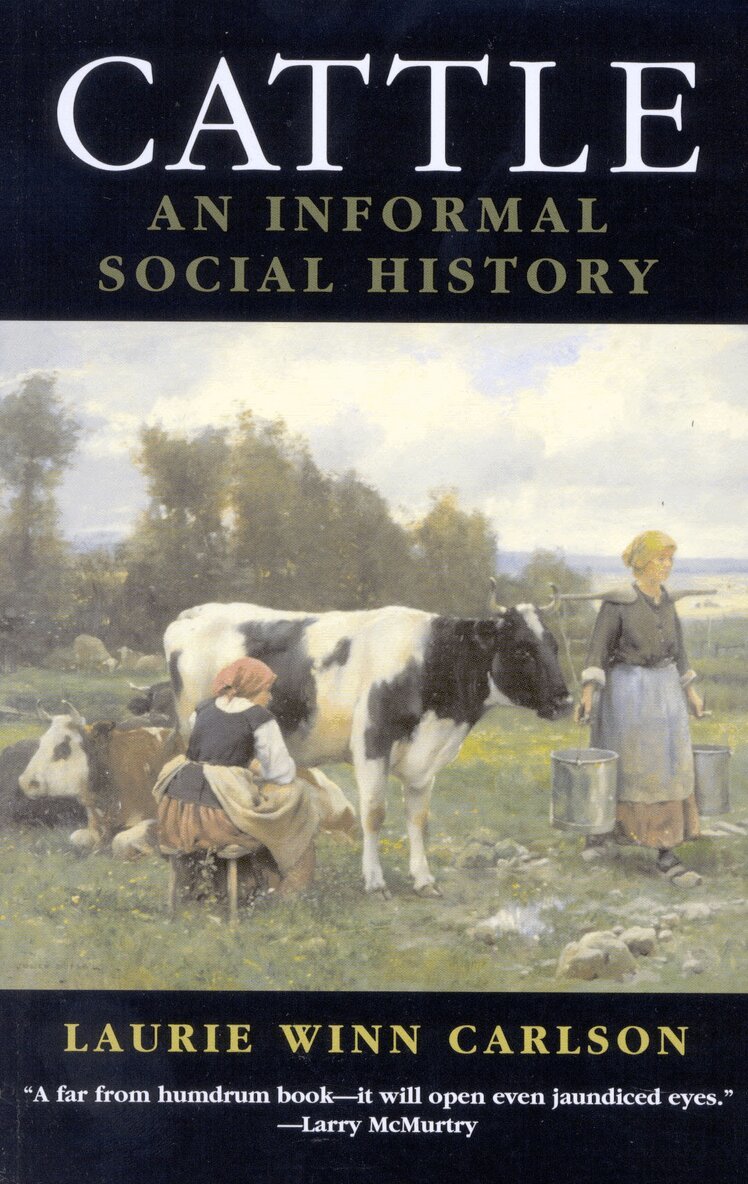
We force them into crowded, sedentary lives. We harvest their eggs and artificially inseminate them. We fill them with hormones and antibiotics, and we feed them manufactured pellets instead of the food they were meant to eat. They are commercialized and scientized—in many ways, just like us. Laurie Winn Carlson's intriguing book examines in fascinating detail the relationship between people and domesticated cattle, a resource that has been vital to civilization but long ignored and neglected. She considers the impact of science, technology, and economics on cattle, and how they in turn have influenced human history. Drawing on a wide range of sources, she shows how cattle have been worshipped in some cultures and become a symbol of pastoral freedom in others; what links them to women and the family; how the beef and dairy industries developed in Europe and the New World; how butter influenced the Protestant Reformation; how the cattle cultures helped settle North America; how meat became industrialized and margarine appeared as the first plastic food; and how science today continues to transform the lives of cattle and their connection to human beings. "With our problematic technology," Ms. Carlson writes, "beef—and milk—is now a food that engages plenty of concern, conflict, and fear. We are absolutely dependent upon cattle. We just don't realize how imperative it is that we protect them from further genetic and biologic degradation." Her book is serious social history spiced with rich anecdotes and surprising historical facts. With developing concern world-wide about livestock disease, Cattle could not be more timely.
Seduced by the West
Jefferson's America and the Lure of the Land Beyond the Mississippi
Inbunden, Engelska, 2003
282 kr
Skickas inom 10-15 vardagar
In her provocative new book, Laurie Winn Carlson questions the larger aims of the famed Lewis and Clark expedition of 1804-1806 and sees it as part of a broad range of schemes to wrest the American West from the claims of established European powers. If American ships were already plying the waters off the Pacific Northwest coast, why, Ms. Carlson asks, was it necessary to send these two intrepid explorers overland-except as a demonstration of American reach, and perhaps as a ploy to tempt the Spanish to attack the expedition, thus provoking a war with Spain in Florida and the West. Ms. Carlson views the Lewis and Clark expedition as just one of several schemes to seize Western lands from foreign powers and extend the new United States to the Pacific. And behind the scenes in most all of them was the Virginian who actually knew little about the region but under whose presidency the Louisiana Purchase was completed, Thomas Jefferson. As Ms. Carlson notes, Jefferson never traveled west, but he was involved to varying degrees with men who did the exploring, organizing, and trekking at the Western frontiers-men who left few papers for historians to pursue and have been largely forgotten. Seduced by the West investigates the wide range of players in this drama of intrigue and possibilities. Russia, Spain, England, and France all tried to explore the West, and all for different reasons. Only one nation succeeded, but as Ms. Carlson shows, it was not always a simple task-or even an intended one.
Sunlight Solution
Why More Sun Exposure and Vitamin D are Essential to Your Health
Häftad, Engelska, 2009
254 kr
Skickas inom 5-8 vardagar
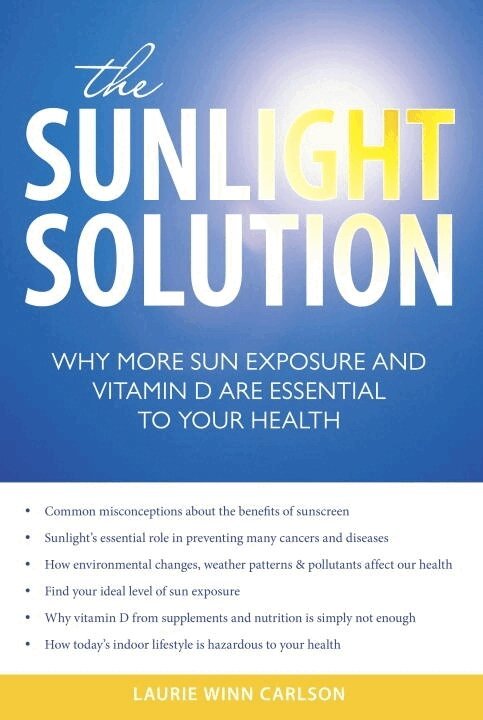
Sunlight is a vital component of good health. Like plants that thrive in the sun, we humans too depend on sunlight, in our case for the production of Vitamin D. In the past few decades, however, cultural trends have steered us away from sun exposure. From fear of the potential dangers of UV radiation and the heavy promotion of sunscreen products to artificial work and recreational environments centered on virtual reality, we are all spending much more time indoors and away from the sun. What are the health consequences?In this informative overview of an often-neglected topic, historian Laurie Winn Carlson examines the historical and cultural factors that have created our indoor lifestyles and the medical evidence that suggests we need to get out in the sun. She begins by tracing the behavior patterns that have caused a shift indoors. She notes that it was common decades ago for children to spend hours playing outside. Now the lure of video games and heavy sunscreen use have changed all that. Adults, also, live and work in the perpetual twilight of electric lighting. Though we feel comfortable, there is evidence that our bodies have not really adjusted to a lifestyle that is less than a century old.Carlson explains the growing body of research that challenges government and health industry warnings against the dangers of sunlight. For example, the production of Vitamin D from sun exposure is crucial to maintaining the body's calcium levels, an important factor for healthy bones, especially as we age. There is also evidence of the sun's beneficial effects on psychological disorders such as seasonal depression or difficulty sleeping.She concludes by arguing for a balanced approach to sun exposure. Although the risk of skin cancers should not be ignored, total avoidance of the sun can be just as risky to our health.