Leah S. Marcus – författare
Visar alla böcker från författaren Leah S. Marcus. Handla med fri frakt och snabb leverans.
8 produkter
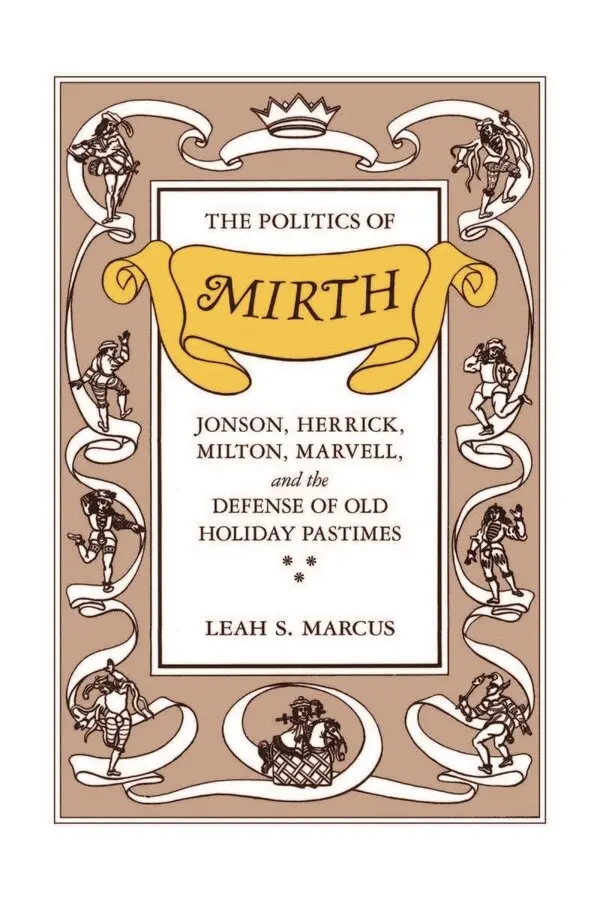
Politics of Mirth
Jonson, Herrick, Milton, Marvell, and the Defense of Old Holiday Pastimes
Häftad, 1989
351 kr
Lägg i varukorg
"Leah Marcus's The Politics of Mirth: Jonson, Herrick, Milton, Marvell, and the Defense of Old Holiday Pastimes is a fascinating study of why James and Charles promoted some types of rural sport and festival and of how certain literary texts participated in promoting or critiquing royal policy. . . …
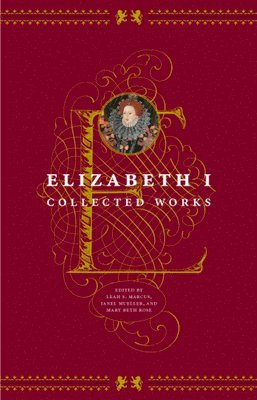
Elizabeth I
Collected Works
Av Elizabeth I, Leah S. Marcus m. fl.
Häftad, 2002
5,0 utav 5 stjärnor. Totalt antal röster: (1)
306 kr
Lägg i varukorg
This long-awaited and masterfully edited volume contains nearly all of the writings of Queen Elizabeth 1: the clumsy letters of childhood, the early speeches of a fledgling queen, and the prayers and poetry of the monarch's later years. The first collection of its kind, Elizabeth I reveals …
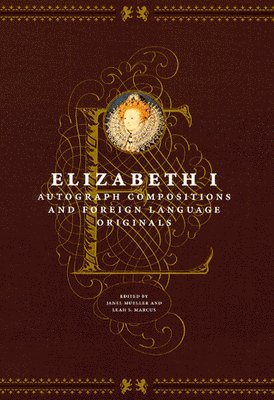
Elizabeth I
Autograph Compositions and Foreign Language Originals
Av Elizabeth I, Janel Mueller m. fl.
Inbunden, 2003
713 kr
Lägg i varukorg
Recently the University of Chicago Press published "Elizabeth I: Collected Works" to considerable critical acclaim. "Collected Works" brought together for the first time in one volume the speeches, poems, prayers and selected letters of Queen Elizabeth I (1533-1603), all in modernized spelling and …
Merchant of Venice
A Norton Critical Edition
Av William Shakespeare, Leah S. Marcus
Häftad, 2005
214 kr
Lägg i varukorg
This Norton Critical Edition has been carefully edited to make The Merchant of Venice, its surrounding history, and the history of its critical reception and rewritings accessible to readers. The text of this edition is based on the 1600 First Quarto, with light editing and substantial explanatory …
As You Like It
A Norton Critical Edition
Av William Shakespeare, Leah S. Marcus
Häftad, 2011
217 kr
Lägg i varukorg
Since its return to the London stage in 1740, As You Like It has delighted theatergoers, readers, and critics. Its heroine, Rosalind, is one of Shakespeare’s greatest characters. The play’s Forest of Arden setting and its focus on the relationship between natural occurrences and things created by …
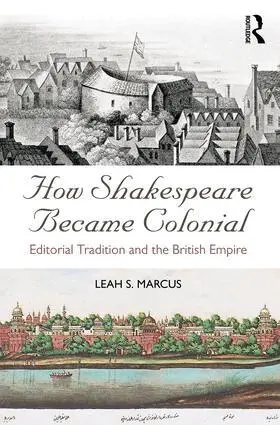
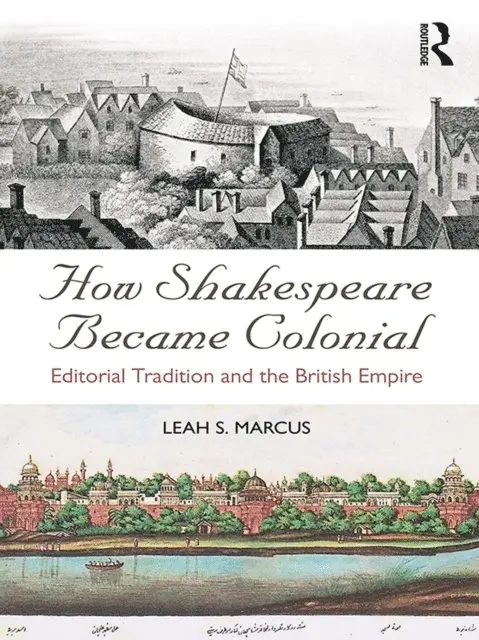
How Shakespeare Became Colonial
Editorial Tradition and the British Empire
Häftad, 2017
746 kr
Lägg i varukorg
In this fascinating book, Leah S. Marcus argues that the colonial context in which Shakespeare was edited and disseminated during the heyday of the British Empire has left a mark on Shakespeare’s texts to the present day. How Shakespeare Became Colonial offers a unique and engaging argument, …
How Shakespeare Became Colonial
Editorial Tradition and the British Empire
Inbunden, 2017
2893 kr
Lägg i varukorg
In this fascinating book, Leah S. Marcus argues that the colonial context in which Shakespeare was edited and disseminated during the heyday of the British Empire has left a mark on Shakespeare’s texts to the present day. How Shakespeare Became Colonial offers a unique and engaging argument, …
How Shakespeare Became Colonial
Editorial Tradition and the British Empire
E-bok, 2017
876 kr
Lägg i varukorg
In this fascinating book, Leah S. Marcus argues that the colonial context in which Shakespeare was edited and disseminated during the heyday of the British Empire has left a mark on Shakespeare’s texts to the present day. How Shakespeare Became Colonial offers a unique and engaging argument, …