Leila Hudson – författare
Visar alla böcker från författaren Leila Hudson. Handla med fri frakt och snabb leverans.
6 produkter
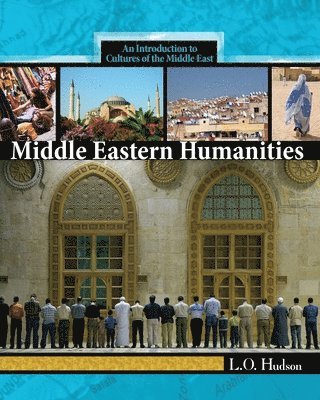
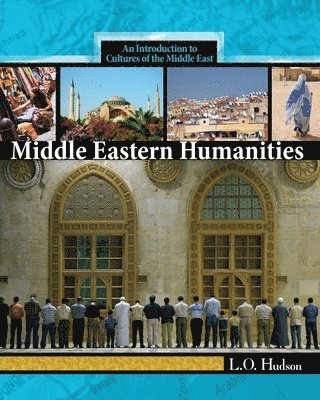
Middle Eastern Humanities: An Introduction to the Cultures of the Middle East
Av Leila Hudson
Häftad, 2010
2376 kr
Lägg i varukorg
Middle Eastern Humanities: An Introduction to Cultures of the Middle East combines the guided, step-by-step and interactive style of a textbook with a sophisticated and sympathetic approach to the cultural logics of tradition and innovation of the Middle East. The book will be useful for teachers …
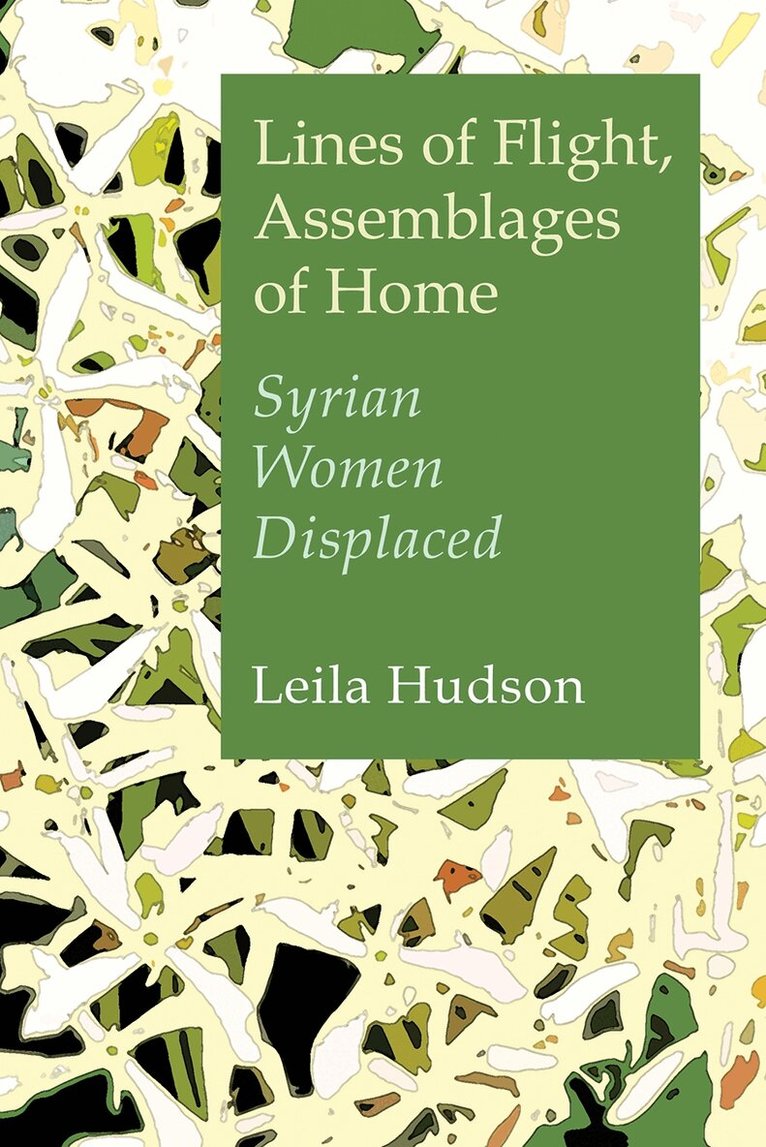
Lines of Flight, Assemblages of Home
Syrian Women Displaced
Av Leila Hudson
Inbunden, 2025
788 kr
Lägg i varukorg
While humanitarian organizations and media outlets often reduce Syrian refugees to statistics or brief anecdotes, the real story of displacement unfolds in the intimate spaces of family life. Through the interwoven narratives of five middle-aged sisters from Damascus, Lines of Flight, Assemblages …
Lines of Flight, Assemblages of Home
Syrian Women Displaced
Av Leila Hudson
E-bok, 2025
1069 kr
Lägg i varukorg
While humanitarian organizations and media outlets often reduce Syrian refugees to statistics or brief anecdotes, the real story of displacement unfolds in the intimate spaces of family life. Through the interwoven narratives of five middle-aged sisters from Damascus, Lines of Flight, Assemblages …
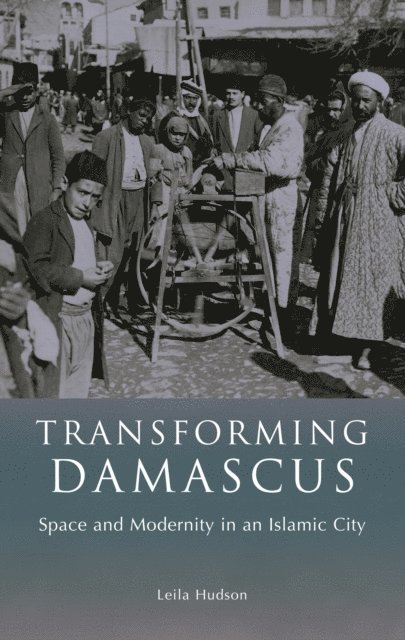
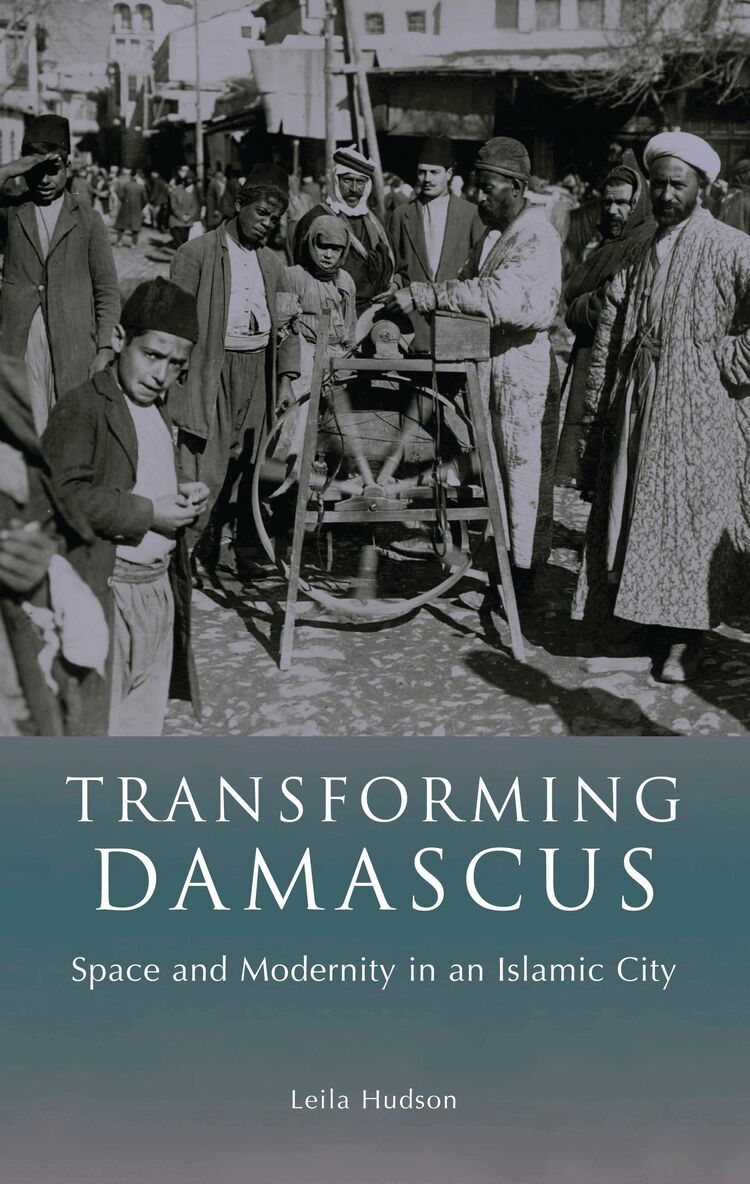
Transforming Damascus
Space and Modernity in an Islamic City
Av Leila Hudson
E-bok, 2008
2198 kr
Lägg i varukorg
In 1860, Damascus was a sleepy provincial capital of the weakening Ottoman Empire, a city defined in terms of its relationship to the holy places of Islam in the Arabian Hijaz and its legacy of Islamic knowledge. Yet by 1918 Damascus had become a seat of Arab nationalism and a would-be modern state …
Middle Eastern Humanities: An Introduction to the Cultures of the Middle East
Av Leila Hudson
Häftad, 2021
2156 kr
Lägg i varukorg
Transforming Damascus
Space and Modernity in an Islamic City
Av Leila Hudson
Inbunden, 2008
2038 kr
Lägg i varukorg
In 1860, Damascus was a sleepy provincial capital of the weakening Ottoman Empire, a city defined in terms of its relationship to the holy places of Islam in the Arabian Hijaz and its legacy of Islamic knowledge. Yet by 1918 Damascus had become a seat of Arab nationalism and a would-be modern state …