Leonce Ndikumana – författare
Visar alla böcker från författaren Leonce Ndikumana. Handla med fri frakt och snabb leverans.
14 produkter
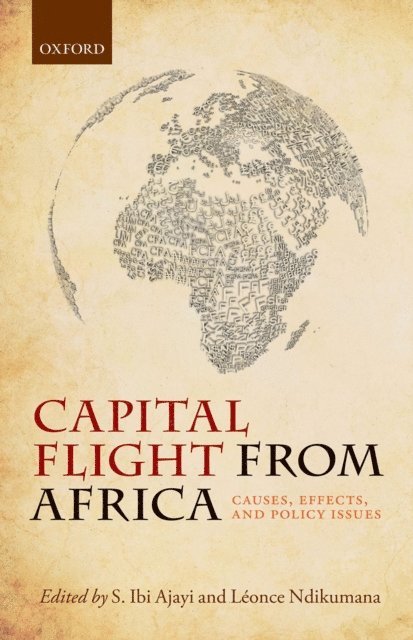
Capital Flight from Africa
Causes, Effects, and Policy Issues
Av Leonce Ndikumana, S. Ibi Ajayi
E-bok, 2014
514 kr
Lägg i varukorg
This edited collection provides the most comprehensive thematic analysis of capital flight from Africa, covering economic and institutional aspects, as well as domestic and global dimensions. It is organized in three parts. The first part discusses the importance of capital flight in the context of …
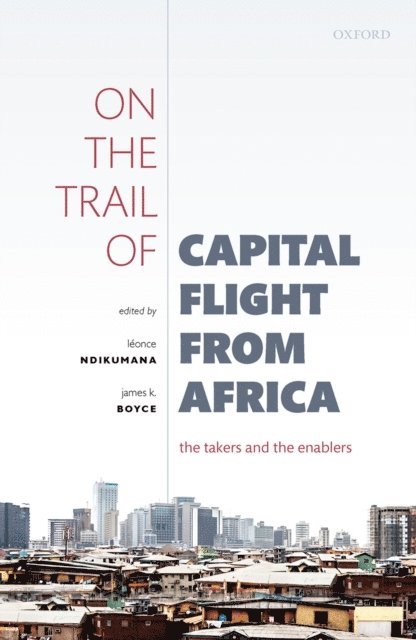
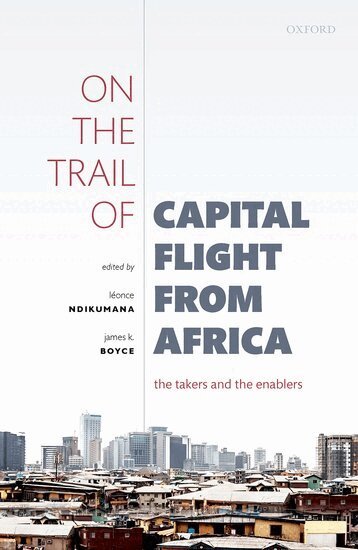
On the Trail of Capital Flight from Africa
The Takers and the Enablers
Av James K. Boyce, Leonce Ndikumana
E-bok, 2022
1001 kr
Lägg i varukorg
On the Trail of Capital Flight from Africa investigates the dynamics of capital flight from Angola, Côte d''Ivoire, and South Africa, countries that have witnessed large-scale illicit financial outflows in recent decades. Quantitative, qualitative, and institutional analysis for each country is …
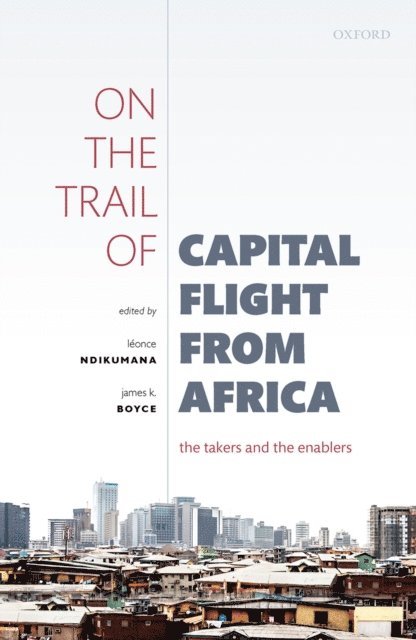
On the Trail of Capital Flight from Africa
The Takers and the Enablers
Av James K. Boyce, Leonce Ndikumana
E-bok, 2021
1001 kr
Lägg i varukorg
On the Trail of Capital Flight from Africa investigates the dynamics of capital flight from Angola, Côte d''Ivoire, and South Africa, countries that have witnessed large-scale illicit financial outflows in recent decades. Quantitative, qualitative, and institutional analysis for each country is …
Capital Flight from Africa
Causes, Effects, and Policy Issues
Av S. Ibi Ajayi, S. Ibi Ajayi m. fl.
Inbunden, 2014
2411 kr
Lägg i varukorg
This edited collection provides the most comprehensive thematic analysis of capital flight from Africa, covering economic and institutional aspects, as well as domestic and global dimensions. It is organized in three parts. The first part discusses the importance of capital flight in the context of …
On the Trail of Capital Flight from Africa
The Takers and the Enablers
Av Léonce Ndikumana, James K. Boyce
Inbunden, 2022
1461 kr
Lägg i varukorg
On the Trail of Capital Flight from Africa investigates the dynamics of capital flight from Angola, Côte d'Ivoire, and South Africa, countries that have witnessed large-scale illicit financial outflows in recent decades. Quantitative, qualitative, and institutional analysis for each country is used …
On the Trail of Capital Flight from Africa
The Takers and the Enablers
Av Léonce Ndikumana, James K. Boyce
Häftad, 2023
418 kr
Lägg i varukorg
On the Trail of Capital Flight from Africa investigates the dynamics of capital flight from Angola, Côte d'Ivoire, and South Africa, countries that have witnessed large-scale illicit financial outflows in recent decades. Quantitative, qualitative, and institutional analysis for each country is used …
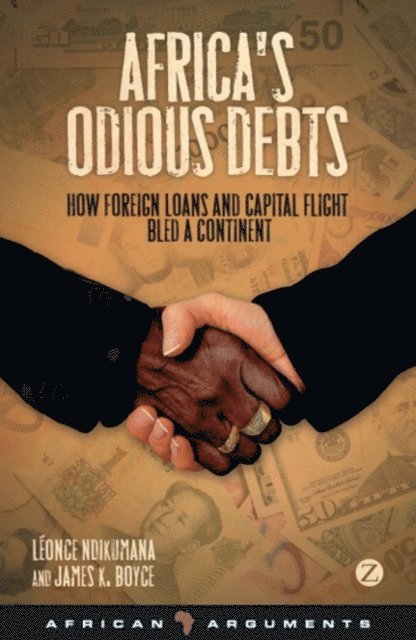
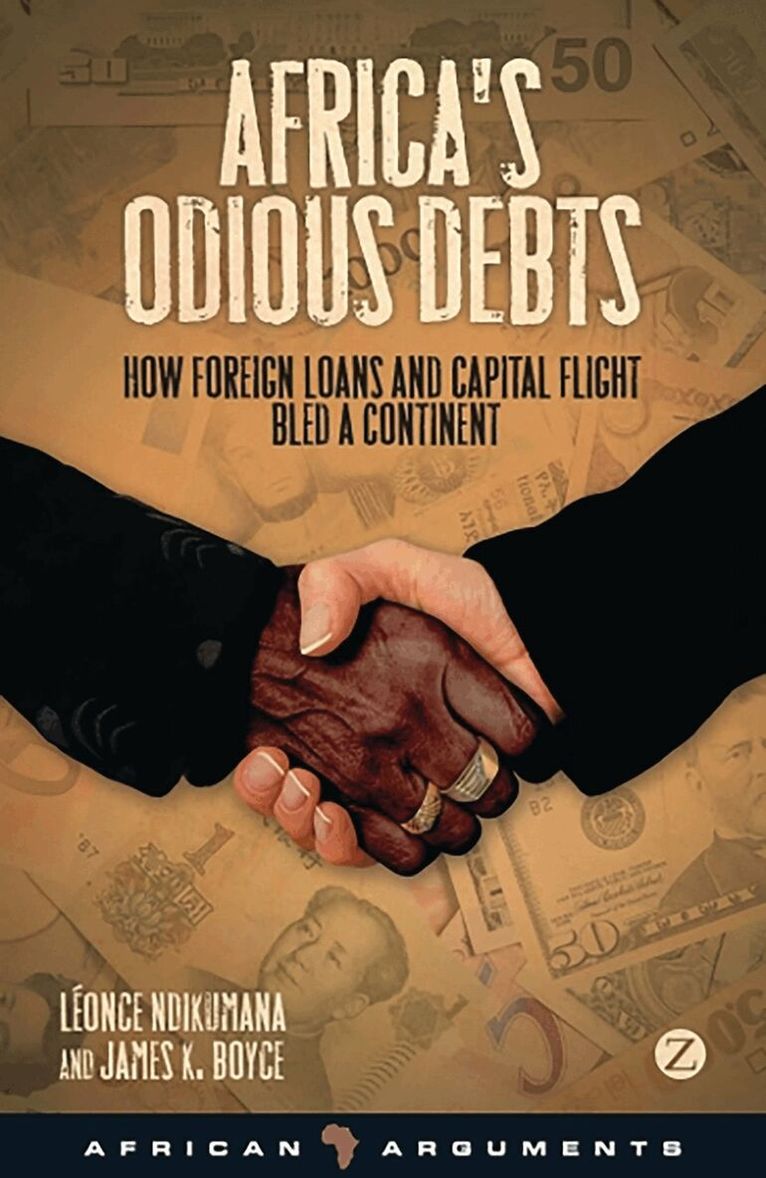
Africa's Odious Debts
How Foreign Loans and Capital Flight Bled a Continent
Av Léonce Ndikumana, James K. Boyce
E-bok, 2011
299 kr
Lägg i varukorg
In Africa's Odious Debts, Boyce and Ndikumana reveal the shocking fact that, contrary to the popular perception of Africa being a drain on the financial resources of the West, the continent is actually a net creditor to the rest of the world. The extent of capital flight from sub-Saharan Africa is …
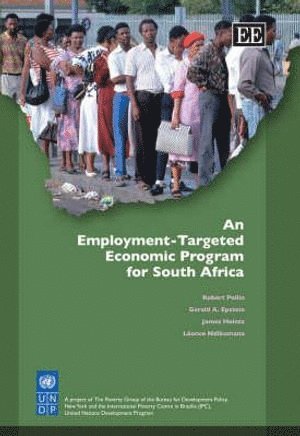
Employment-Targeted Economic Program for South Africa
Av Robert Pollin, Gerald A. Epstein m. fl.
Inbunden, 2007
1886 kr
Lägg i varukorg
The people of South Africa, and the African National Congress-led government, have made extraordinary social and economic advances since ending apartheid and beginning the transition to democracy in 1994. But the country still faces severe problems of mass unemployment, underemployment and poverty. …
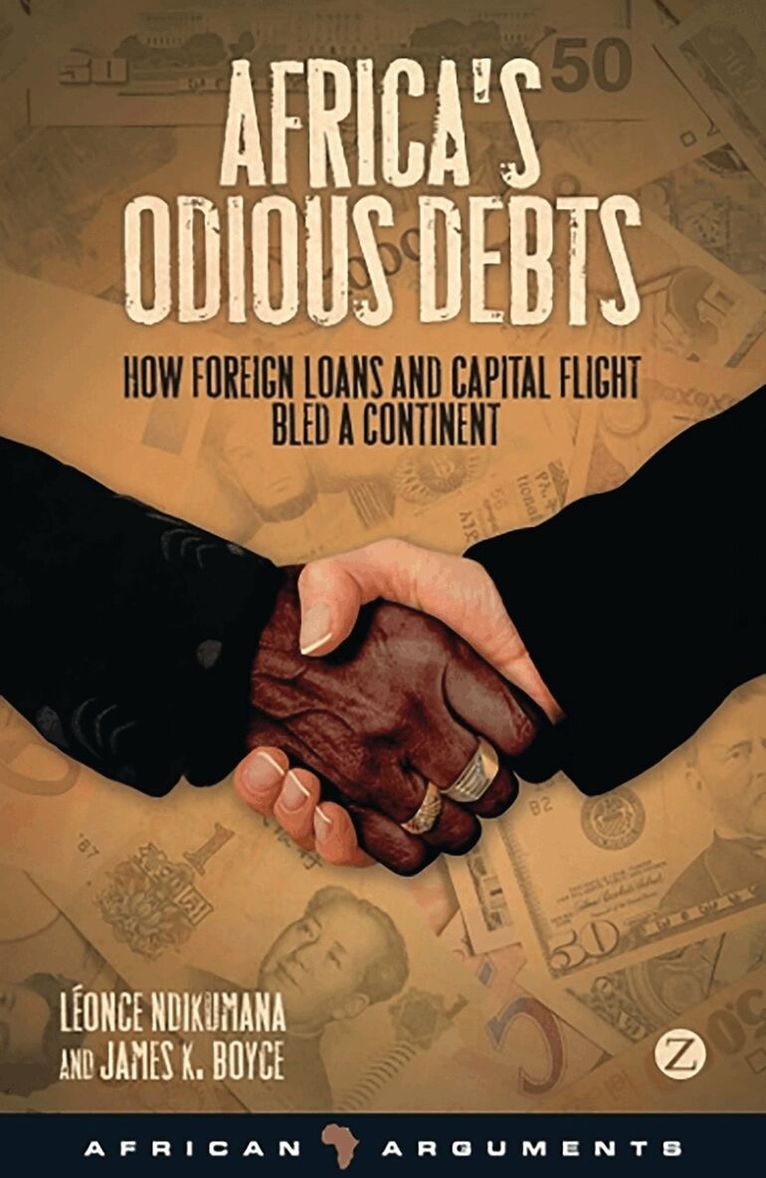
Africa's Odious Debts
How Foreign Loans and Capital Flight Bled a Continent
Av Léonce Ndikumana, James K. Boyce m. fl.
Inbunden, 2011
1316 kr
Lägg i varukorg
In Africa's Odious Debts, Boyce and Ndikumana reveal the shocking fact that, contrary to the popular perception of Africa being a drain on the financial resources of the West, the continent is actually a net creditor to the rest of the world. The extent of capital flight from sub-Saharan Africa is …
Africa's Odious Debts
How Foreign Loans and Capital Flight Bled a Continent
Av Léonce Ndikumana, James K. Boyce m. fl.
Häftad, 2011
283 kr
Lägg i varukorg
In Africa's Odious Debts, Boyce and Ndikumana reveal the shocking fact that, contrary to the popular perception of Africa being a drain on the financial resources of the West, the continent is actually a net creditor to the rest of the world. The extent of capital flight from sub-Saharan Africa is …
Africa's Odious Debts
How Foreign Loans and Capital Flight Bled a Continent
Av Léonce Ndikumana, James K. Boyce
E-bok, 2011
305 kr
Lägg i varukorg
In Africa's Odious Debts, Boyce and Ndikumana reveal the shocking fact that, contrary to the popular perception of Africa being a drain on the financial resources of the West, the continent is actually a net creditor to the rest of the world. The extent of capital flight from sub-Saharan Africa is …
dette odieuse de l'Afrique
Comment l'endettement et la fuite des capitaux ont saigné un continent
Av Léonce Ndikumana, James K Boyce
Häftad, 2021
186 kr
Lägg i varukorg
«Un ouvrage d’avant-garde qui devrait être lu par tous soucieux de l’Afrique. D’une manière magistrale, mais facilement compréhensible et approfondie, les auteurs démolissent le mythe selon lequel les pays africains ont reçu d’importants flux nets de capitaux étrangers. Ce livre devrait modifier …
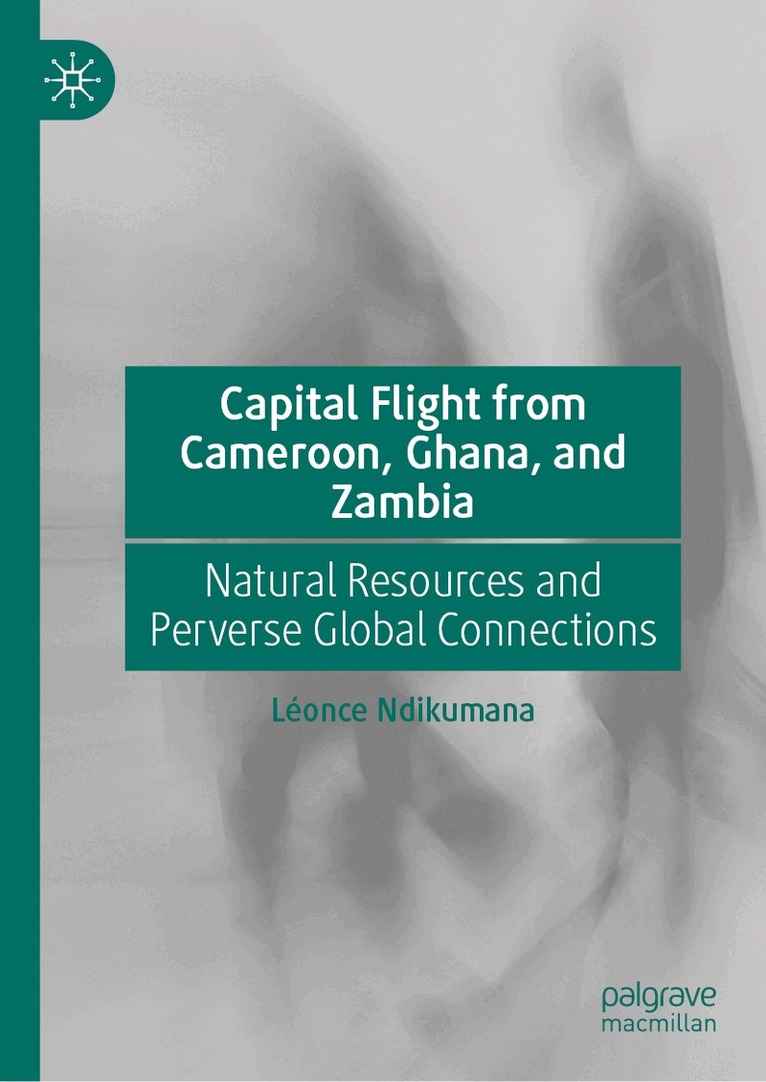
Capital Flight from Cameroon, Ghana, and Zambia
Natural Resources and Perverse Global Connections
Inbunden, 2026
2026 kr
Lägg i varukorg
Unrecorded capital outflows from African countries impact more than just individual countries in Africa. The unrecorded transfer of money, also known as capital flight, is a global economic problem. This contributes to broader illicit financial flows, which are enabled by deal makers that help …
Capital Flight from Cameroon, Ghana, and Zambia
Natural Resources and Perverse Global Connections
E-bok, 2026
2619 kr
Lägg i varukorg
Unrecorded capital outflows from African countries impact more than just individual countries in Africa. The unrecorded transfer of money, also known as capital flight, is a global economic problem. This contributes to broader illicit financial flows, which are enabled by deal makers that help …