Leslie Barnes - Böcker
Visar alla böcker från författaren . Handla med fri frakt och snabb leverans.
4 produkter
4 produkter
881 kr
Skickas inom 11-20 vardagar
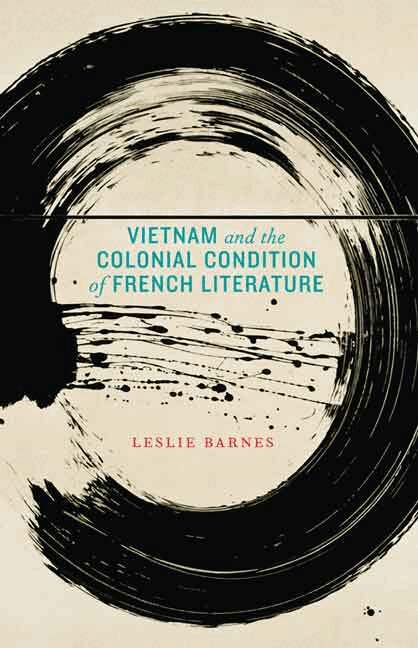
Vietnam and the Colonial Condition of French Literature explores an aspect of modern French literature that has been consistently overlooked in literary histories: the relationship between the colonies—their cultures, languages, and people—and formal shifts in French literary production. Starting from the premise that neither cultural identity nor cultural production can be pure or homogenous, Leslie Barnes initiates a new discourse on the French literary canon by examining the work of three iconic French writers with personal connections to Vietnam: André Malraux, Marguerite Duras, and Linda Lê. In a thorough investigation of the authors' linguistic, metaphysical, and textual experiences of colonialism, Barnes articulates a new way of reading French literature: not as an inward-looking, homogenous, monolingual tradition, but rather as a tradition of intersecting and interdependent peoples, cultures, and experiences. One of the few books to focus on Vietnam's position within francophone literary scholarship, Barnes challenges traditional concepts of French cultural identity and offers a new perspective on canonicity and the division between "French" and "francophone" literature.
1 311 kr
Skickas inom 7-10 vardagar
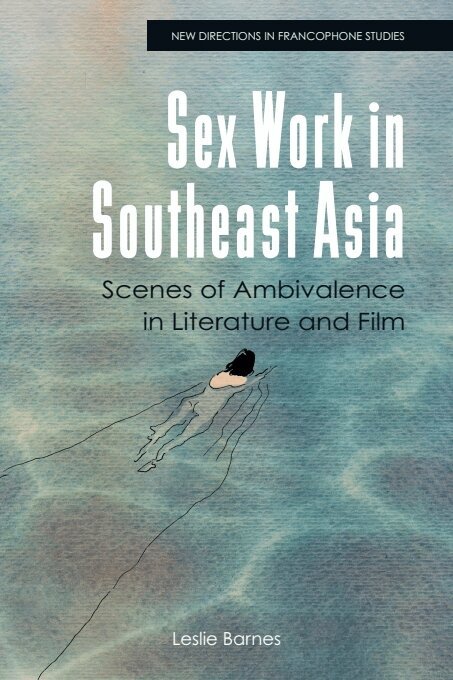
Examining the ambivalences that mark Southeast Asian sex industries under global imperialism, this book explores the multi-layered subjectivities of sex workers, procurers and clients, and interrogates the frameworks in which discourses surrounding sex work circulate. Engaged with debates concerning the status of transactional sex, Leslie Barnes explores the symbolic force and concrete conditions of sex work in Cambodia and Vietnam, considering how these debates and the figures they ensnare are mediated by fiction and creative nonfiction. The book's scenes of ambivalence show how the aesthetic treatment of sex work stretches the paradigms we use to make sense not only of sex work, but also of art, the evidentiary status of testimony and the spectacles of pleasure and suffering. Contesting essentialism and authenticity, and working to suspend judgement, these scenes encourage a re-examination of what we think we know about sex work, how we know it and what we do with that knowledge.
385 kr
Skickas inom 7-10 vardagar
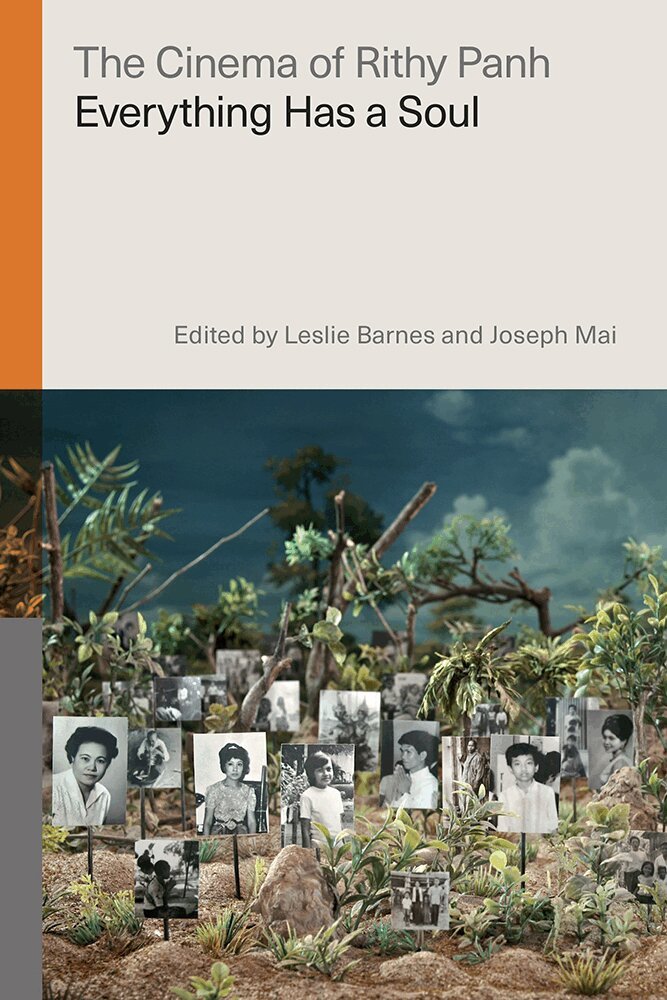
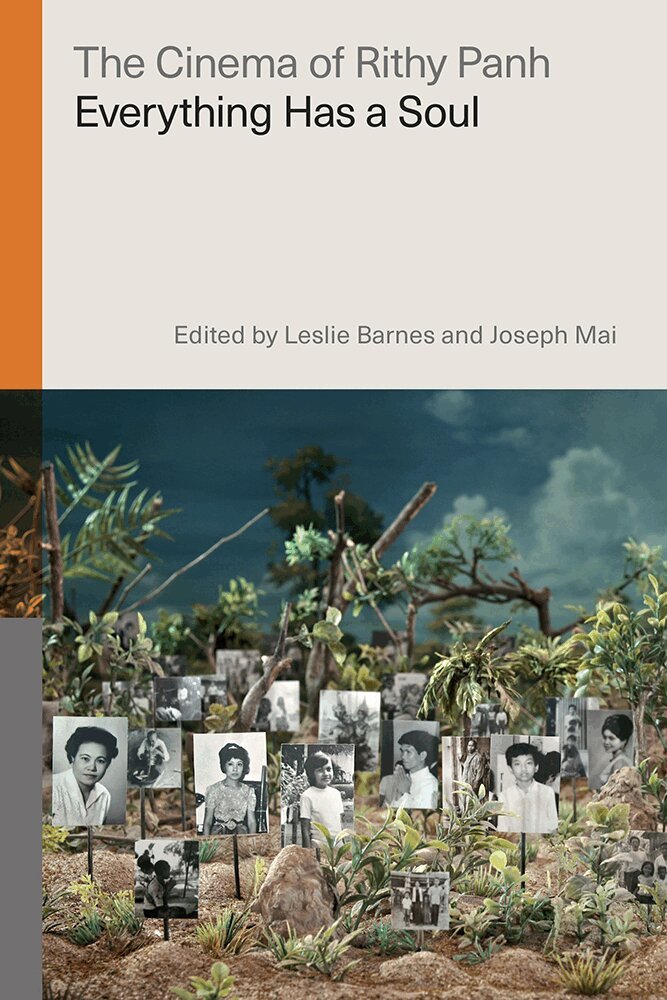
Nominated for 2022 South Atlantic Modern Language Association Book awardBorn in 1964, Cambodian filmmaker Rithy Panh grew up in the midst of the Khmer Rouge’s genocidal reign of terror, which claimed the lives of many of his relatives. After escaping to France, where he attended film school, he returned to his homeland in the late 1980s and began work on the documentaries and fiction films that have made him Cambodia’s most celebrated living director.The fourteen essays in The Cinema of Rithy Panh explore the filmmaker’s unique aesthetic sensibility, examining the dynamic and sensuous images through which he suggests that “everything has a soul.” They consider how Panh represents Cambodia’s traumatic past, combining forms of individual and collective remembrance, and the implications of this past for Cambodia’s transition into a global present. Covering documentary and feature films, including his literary adaptations of Marguerite Duras and Kenzaburō Ōe, they examine how Panh’s attention to local context leads to a deep understanding of such major themes in global cinema as justice, imperialism, diaspora, gender, and labor. Offering fresh takes on masterworks like The Missing Picture and S-21 while also shining a light on the director’s lesser-known films, The Cinema of Rithy Panh will give readers a new appreciation for the boundless creativity and ethical sensitivity of one of Southeast Asia’s cinematic visionaries.
833 kr
Skickas inom 7-10 vardagar
Nominated for 2022 South Atlantic Modern Language Association Book awardBorn in 1964, Cambodian filmmaker Rithy Panh grew up in the midst of the Khmer Rouge’s genocidal reign of terror, which claimed the lives of many of his relatives. After escaping to France, where he attended film school, he returned to his homeland in the late 1980s and began work on the documentaries and fiction films that have made him Cambodia’s most celebrated living director.The fourteen essays in The Cinema of Rithy Panh explore the filmmaker’s unique aesthetic sensibility, examining the dynamic and sensuous images through which he suggests that “everything has a soul.” They consider how Panh represents Cambodia’s traumatic past, combining forms of individual and collective remembrance, and the implications of this past for Cambodia’s transition into a global present. Covering documentary and feature films, including his literary adaptations of Marguerite Duras and Kenzaburō Ōe, they examine how Panh’s attention to local context leads to a deep understanding of such major themes in global cinema as justice, imperialism, diaspora, gender, and labor. Offering fresh takes on masterworks like The Missing Picture and S-21 while also shining a light on the director’s lesser-known films, The Cinema of Rithy Panh will give readers a new appreciation for the boundless creativity and ethical sensitivity of one of Southeast Asia’s cinematic visionaries.