Linda M. Austin – författare
Visar alla böcker från författaren Linda M. Austin. Handla med fri frakt och snabb leverans.
3 produkter
3 produkter
645 kr
Skickas inom 7-10 vardagar
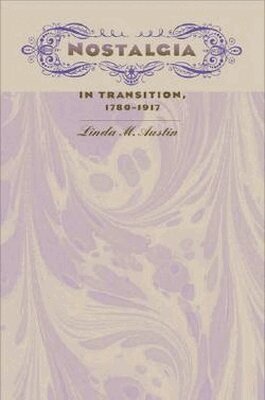
Referred to long ago as a ""disease"" of Swiss soldiers and Highland regiments far from home, nostalgia became known in the 1920s as more of a fleeting rather than debilitating condition. Yet, what caused this shift in our collective understanding of the term? In ""Nostalgia in Transition, 1780-1917"", Linda M. Austin traces the development of nostalgia from a memory disorder in the eighteenth century to its modern formulation as a pleasant recreational distraction. Offering a paradigm for and analysis of nostalgic memory as it operates in various attempts to reenact the past, Austin explains both the early and the modern understanding of this phenomenon. Beginning with an account of nostalgia's transformation from an acute form of melancholia and homesickness into elegiac expression and idyllic representation, Austin goes on to examine an array of texts, from poetic meditations on nostalgia in the first half of the nineteenth century to the popular adult souvenirs of childhood in the second half. She shows how, in novels by Hardy; in elegies and lyrics by Arnold, Tennyson, and Emily Bronte; in illustrations by Kate Greenaway and Helen Allingham; and in late Victorian cultural histories of the cottage, nostalgia acts as a collective, rather than an individual reenactment of an invented, rather than a remembered, past or place. For students and scholars interested in the Victorian era, as well as in Romanticism and modernism, ""Nostalgia in Transition"" provides a well-rounded perspective on how and why our understanding of nostalgia has changed over time.
Del 111 - Cambridge Studies in Nineteenth-Century Literature and Culture
Automatism and Creative Acts in the Age of New Psychology
Inbunden, Engelska, 2018
1 431 kr
Skickas inom 7-10 vardagar
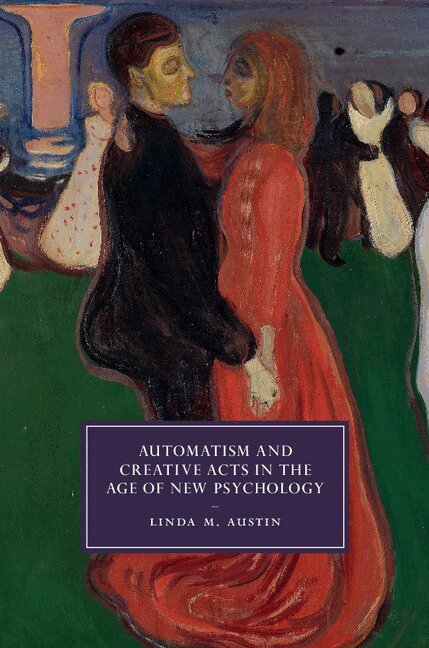
The late nineteenth century saw a re-examination of artistic creativity in response to questions surrounding the relation between human beings and automata. These questions arose from findings in the 'new psychology', physiological research that diminished the primacy of mind and viewed human action as neurological and systemic. Concentrating on British and continental culture from 1870 to 1911, this unique study explores ways in which the idea of automatism helped shape ballet, art photography, literature, and professional writing. Drawing on documents including novels and travel essays, Linda M. Austin finds a link between efforts to establish standards of artistic practice and challenges to the idea of human exceptionalism. Austin presents each artistic discipline as an example of the same process: creation that should be intended, but involving actions that evade mental control. This study considers how late nineteenth-century literature and arts tackled the scientific question, 'Are we automata?'
Del 111 - Cambridge Studies in Nineteenth-Century Literature and Culture
Automatism and Creative Acts in the Age of New Psychology
Häftad, Engelska, 2020
493 kr
Skickas inom 7-10 vardagar
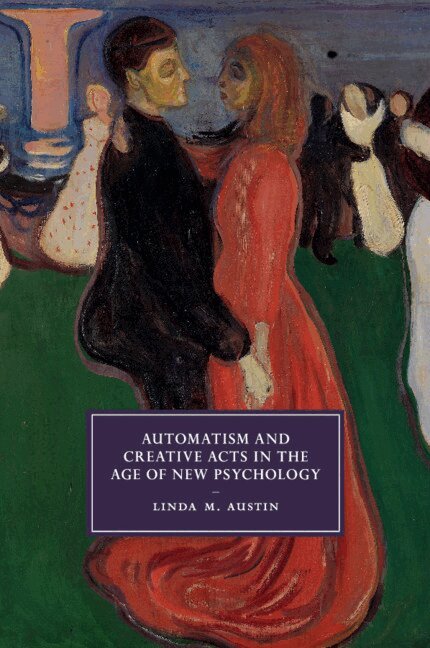
The late nineteenth century saw a re-examination of artistic creativity in response to questions surrounding the relation between human beings and automata. These questions arose from findings in the 'new psychology', physiological research that diminished the primacy of mind and viewed human action as neurological and systemic. Concentrating on British and continental culture from 1870 to 1911, this unique study explores ways in which the idea of automatism helped shape ballet, art photography, literature, and professional writing. Drawing on documents including novels and travel essays, Linda M. Austin finds a link between efforts to establish standards of artistic practice and challenges to the idea of human exceptionalism. Austin presents each artistic discipline as an example of the same process: creation that should be intended, but involving actions that evade mental control. This study considers how late nineteenth-century literature and arts tackled the scientific question, 'Are we automata?'