Linda Nochlin – författare
Visar alla böcker från författaren Linda Nochlin. Handla med fri frakt och snabb leverans.
18 produkter
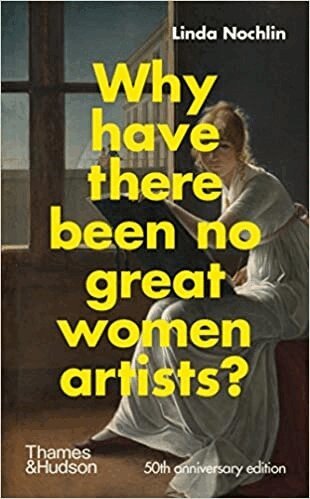
Why Have There Been No Great Women Artists?
Inbunden, 2021
173 kr
Lägg i varukorg
Linda Nochlin’s seminal essay on women artists is widely acknowledged as the first real attempt at a feminist history of art. Nochlin refused to handle the question of why there had been no ‘great women artists’ on its own, corrupted, terms. Instead, she dismantled the very concept of ‘greatness’, …
Linda Nochlin on The Body
Inbunden, 2024
137 kr
Lägg i varukorg
Renowned art historian and pioneering feminist Linda Nochlin explores how, from the late 18th century, fragmented, mutilated and fetishized representations of the human body came to constitute a distinctively modern view of the world. Surprising, questioning, challenging, enriching: the Pocket …
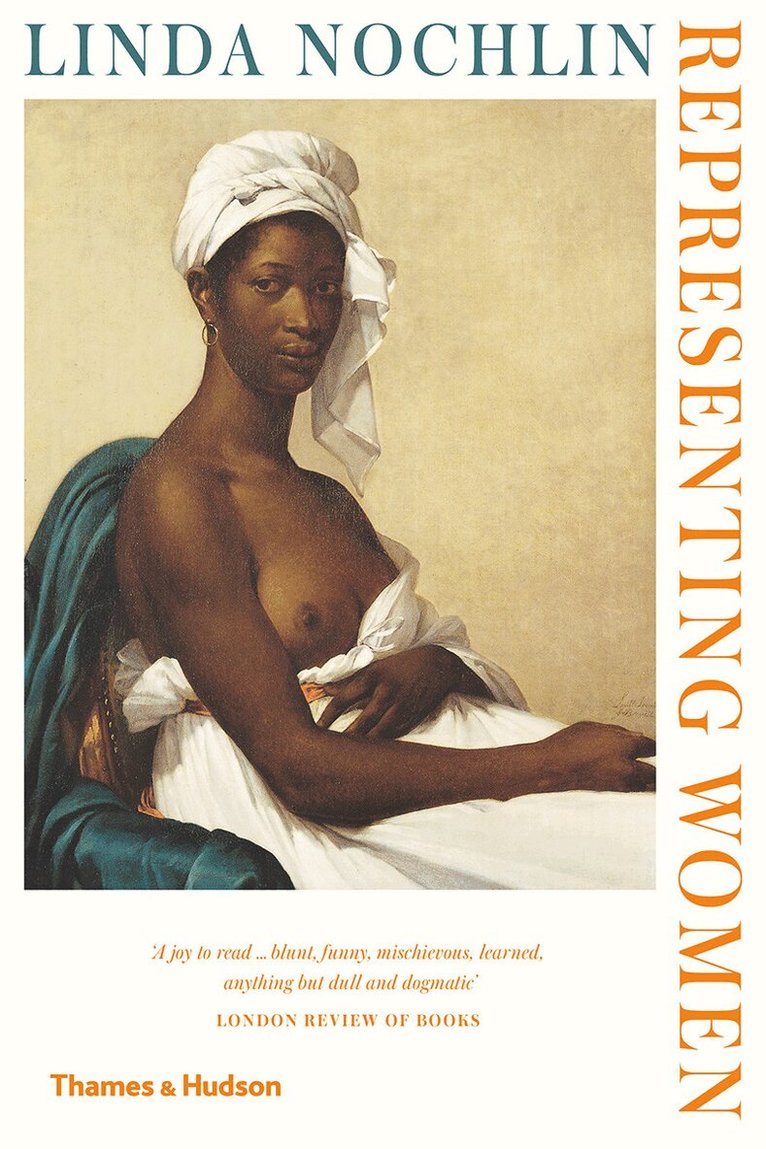
Representing Women
Häftad, 2019
225 kr
Lägg i varukorg
Women – as warriors, workers, mothers, sensual women,even absent women – haunt 19th- and 20th-century Western painting: their representation is one of its most common subjects. Representing Women brings together Linda Nochlin’s most important writings on the subject, as she considers work by …
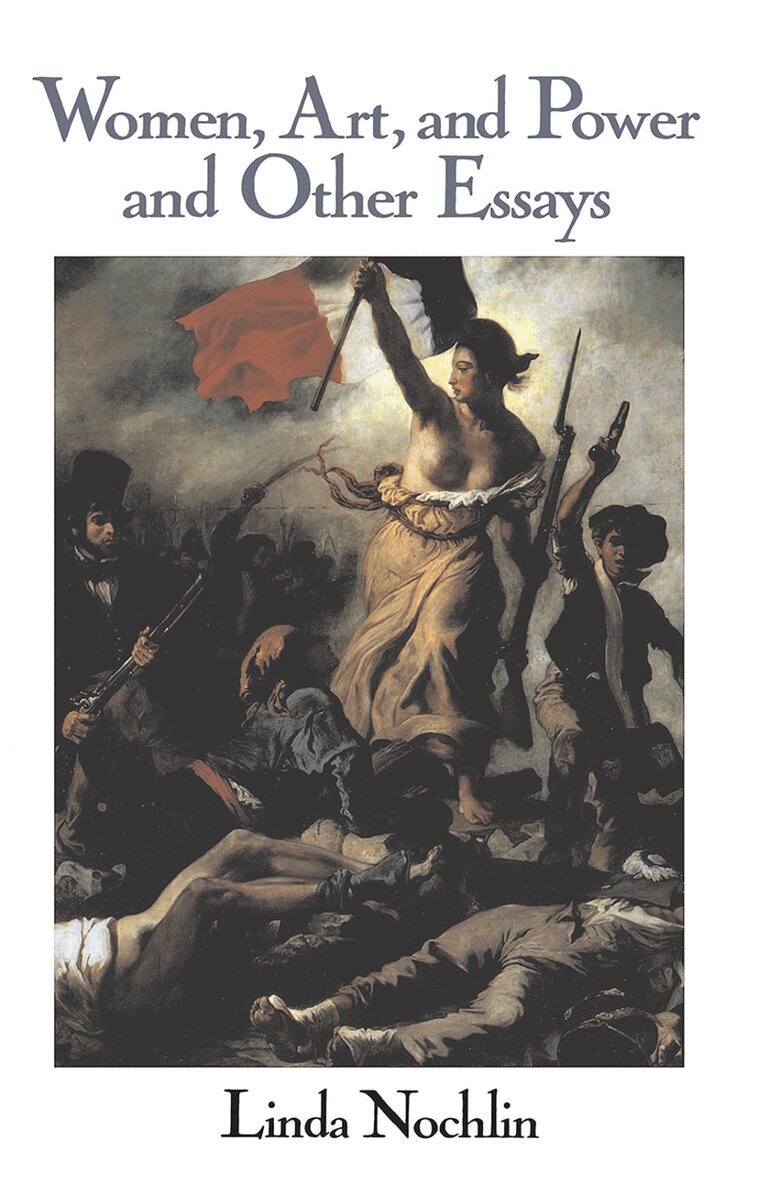
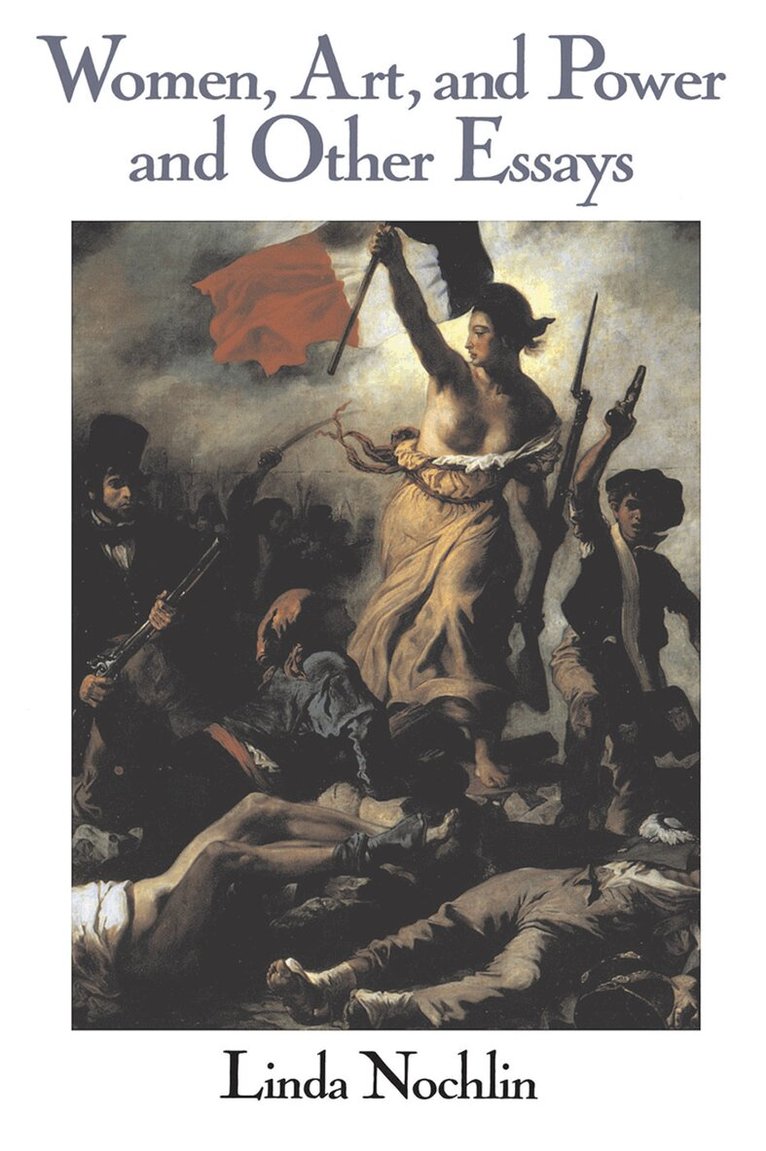
Women, Art, And Power And Other Essays
Inbunden, 2019
2332 kr
Lägg i varukorg
Women, Art, and Power?seven landmark essays on women artists and women in art history?brings together the work of almost twenty years of scholarship and speculation.
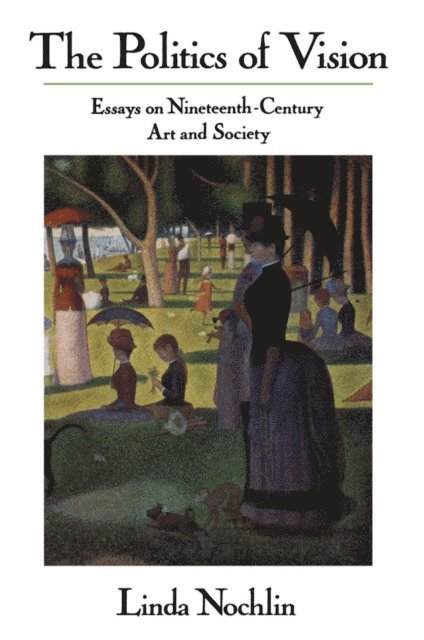
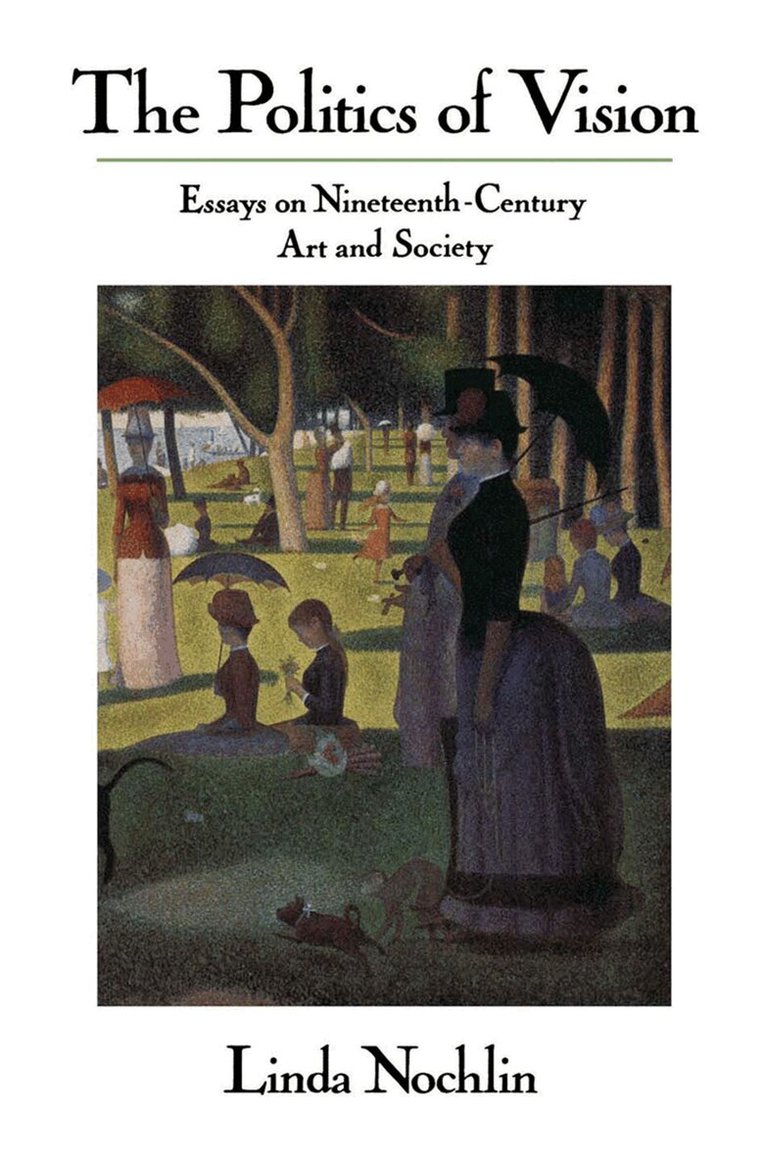
Politics Of Vision
Essays On Nineteenth-century Art And Society
E-bok, 2018
907 kr
Lägg i varukorg
A leading critic and historian of nineteenth-century art and society explores in nine essays the interaction of art, society, ideas, and politics.
Women, Art, And Power And Other Essays
Häftad, 1989
847 kr
Lägg i varukorg
Women, Art, and Power?seven landmark essays on women artists and women in art history?brings together the work of almost twenty years of scholarship and speculation.
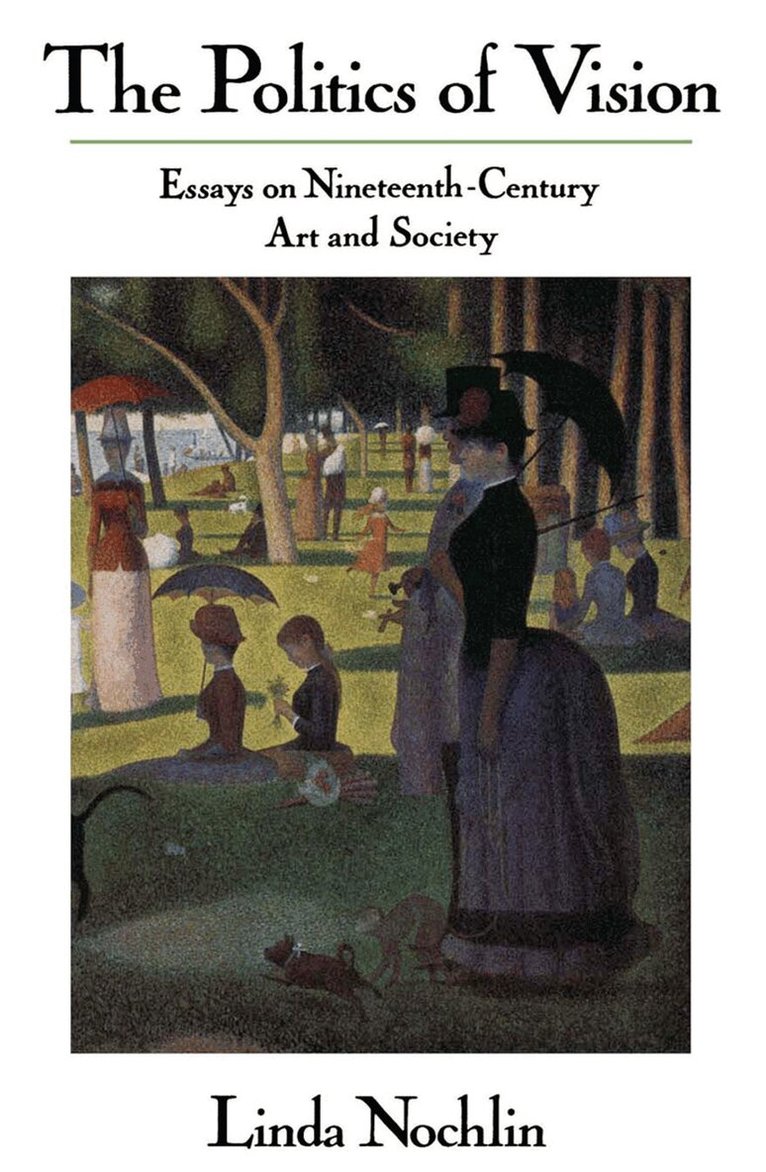
Politics Of Vision
Essays On Nineteenth-century Art And Society
Häftad, 1991
787 kr
Lägg i varukorg
A leading critic and historian of nineteenth-century art and society explores in nine essays the interaction of art, society, ideas, and politics.
Style and Civilization
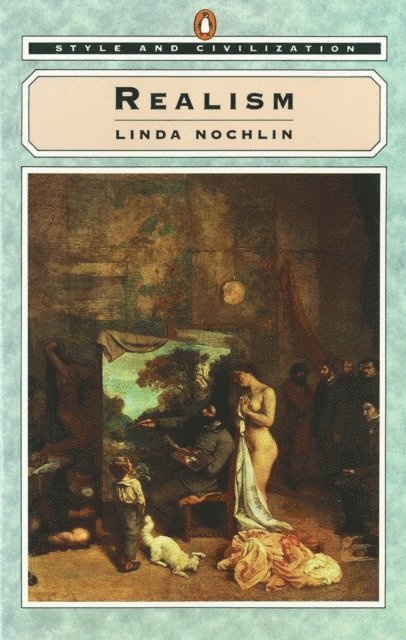
Realism
E-bok, 1991
122 kr
Lägg i varukorg
Setting Realism in its social and historical context, the author discusses the crucial paradox posed by Realist works of art - notably in the revolutionary paintings of Courbet, the works of Manet, Degas and Monet, of the Pre-Raphaelites and other English, American, German and Italian Realists.
Politics Of Vision
Essays On Nineteenth-century Art And Society
Inbunden, 2019
2586 kr
Lägg i varukorg
A leading critic and historian of nineteenth-century art and society explores in nine essays the interaction of art, society, ideas, and politics.
Politics Of Vision
Essays On Nineteenth-century Art And Society
E-bok, 2018
927 kr
Lägg i varukorg
A leading critic and historian of nineteenth-century art and society explores in nine essays the interaction of art, society, ideas, and politics.
Women, Art, And Power And Other Essays
E-bok, 2018
999 kr
Lägg i varukorg
Women, Art, and Power?seven landmark essays on women artists and women in art history?brings together the work of almost twenty years of scholarship and speculation.
Women, Art, And Power And Other Essays
E-bok, 2018
977 kr
Lägg i varukorg
Women, Art, and Power?seven landmark essays on women artists and women in art history?brings together the work of almost twenty years of scholarship and speculation.
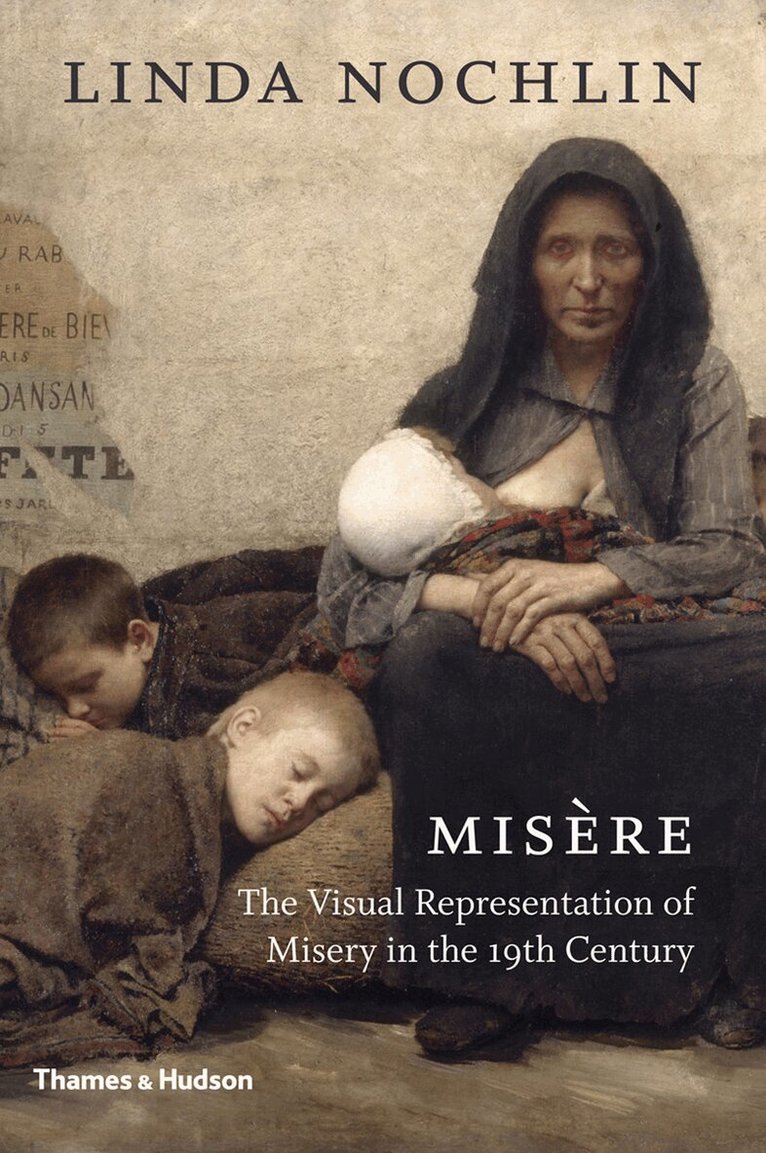
Misère
The Visual Representation of Misery in the 19th Century
Inbunden, 2018
285 kr
Lägg i varukorg
The coming of the Industrial Revolution in the early 19th century witnessed unprecedented changes in society: rapid economic progress went hand-in-hand with appalling working conditions, displacement, squalor and destitution for those at the bottom of the social scale. These new circumstances …
Making it Modern
Essays on the Art of the Now
Av Linda Nochlin, Aruna D'Souza
Inbunden, 2022
356 kr
Lägg i varukorg
A selection of key essays by one of the most influential voices in art history, including seven previously unpublished pieces. This illustrated, edited collection of essays brings together for the first time some of the pioneering art historian Linda Nochlin’s most important writings on modernism …
Women Artists
The Linda Nochlin Reader
Av Linda Nochlin, Maura Reilly
Häftad, 2020
307 kr
Lägg i varukorg
Linda Nochlin (1931–2017) was one of the most pioneering and provocative art historians of our time. In 1971 she published her groundbreaking article, ‘Why Have There Been No Great Women Artists?’, an impassioned feminist rallying cry that called traditional art historical practices into question …
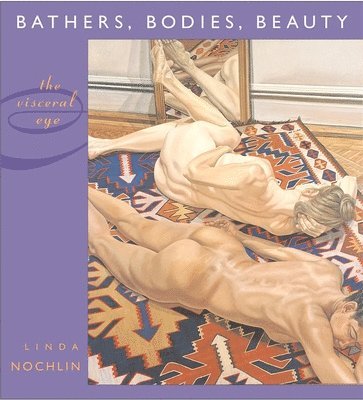
Bathers, Bodies, Beauty
The Visceral Eye
Inbunden, 2006
317 kr
Lägg i varukorg
A leading feminist art historian on the nude body, from impressionism to postmodernism.To some viewers, Renoir’s Great Bathers is the very picture of female sensuality and beauty. To others, the sentimentalized, sexualized prettiness of the image embodies a whole tradition of masculine mastery and …
Mujeres artistas
Av Linda Nochlin, Maura Reilly
E-bok, 2022
289 kr
Lägg i varukorg
Mujeres artistas. Ensayos de Linda Nochlin reúne treinta ensayos esenciales de la historiadora contemporánea más sagaz y provocadora publicados a lo largo de su carrera, entre los que se cuentan dos realizados específicamente para esta colección y una entrevista en la que repasa su trayectoria …