• Fri frakt över 249 kr
  • •
  • Snabba leveranser
  • •
  • Billiga böcker
Kundservice

Du är på sajten för privatpersoner.

Företag, bibliotek eller offentlig verksamhet?

Du handlar på classic.bokus.com, där alla dina funktioner finns intakta.
Till classic.bokus.com
Bokus logotyp. Gå till startsidan.
  • Erbjudanden
  • Nyheter
  • Student
  • Topplistor
  • Barn & ungdom
  • Bokus Play
  • E-böcker
  • Pocketböcker
  • Spel & pussel

10% rabatt på allt med kod NYSTART10 →

Sidfot

Mina sidor

    Hjälp

    • Kundservice
    • Vanliga frågor och svar
    • Frakt och leverans
    • Retur vid ångerrätt
    • Reklamera vara
    • Betalning
    • Köpvillkor
    • Allmänna villkor
    • Information om webbplatsens tillgänglighet

    Om Bokus

    • Om oss
    • Pressrum
    • För studenter
    • För företag
    • För bibliotek och offentlig verksamhet
    • För leverantörer
    • Hållbarhet

    Populärt

    • Aktuella erbjudanden
    • Presentkort
    • Studentlitteratur
    • Nya böcker
    • Topplistor
    • Signerade böcker
    • Engelska böcker

    Inspiration

    • Boktips
    • BookTok
    • Populära bokserier
    • Barnbokskaraktärer
    • Populära författare
    Logotyp för Bokus
    Följ oss på Facebook (extern länk)Följ oss på Instagram (extern länk)Följ oss på YouTube (extern länk)Följ oss på TikTok (extern länk)
    bokus @ CookiesAnpassa cookiesIntegritetspolicyKöpvillkor
    Till Citymail hemsida (extern länk)Till Budbee hemsida (extern länk)Till Postnord hemsida (extern länk)Till Schenker hemsida (extern länk)Till Early Bird hemsida (extern länk)Till Walleys hemsida (extern länk)
    1. Kultur
    2. Konstböcker
    3. Konsthistoria

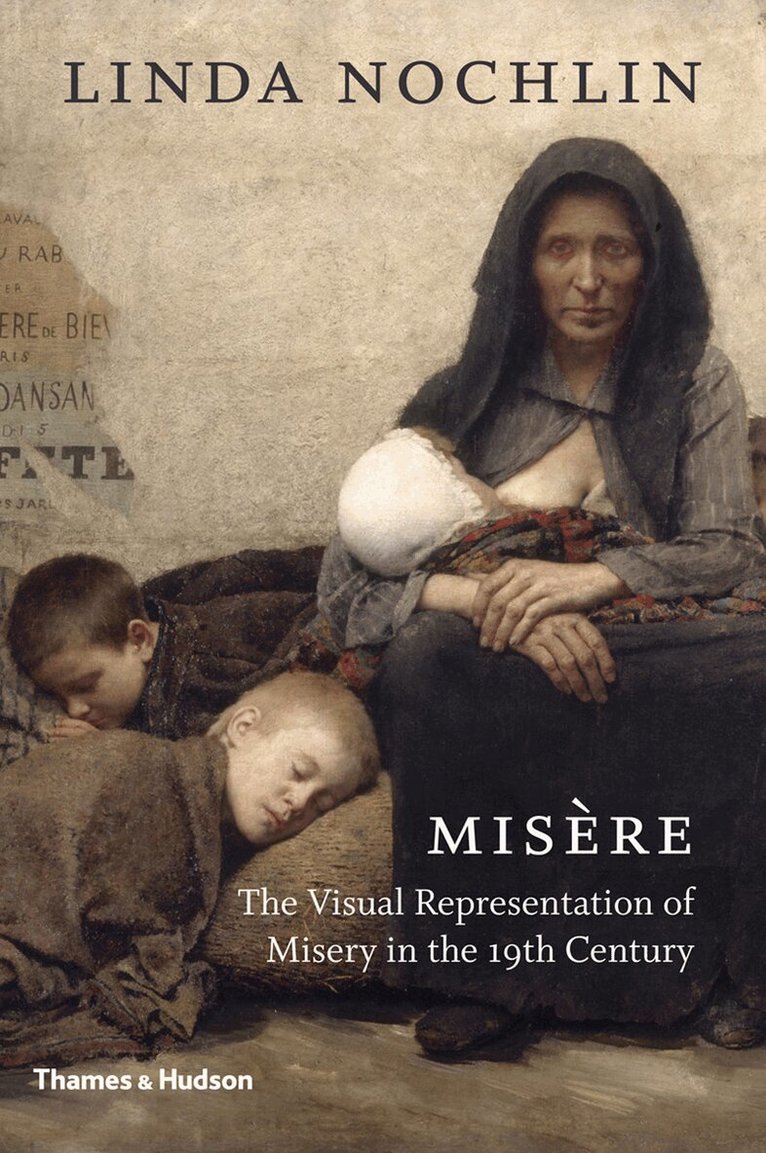
    Misère

    The Visual Representation of Misery in the 19th Century

    AvLinda Nochlin

    Inbunden, Engelska, 2018

    279 kr

    Beställningsvara. Skickas inom 5-8 vardagar. Fri frakt över 249 kr.

    Beskrivning

    The coming of the Industrial Revolution in the early 19th century witnessed unprecedented changes in society: rapid economic progress went hand-in-hand with appalling working conditions, displacement, squalor and destitution for those at the bottom of the social scale. These new circumstances presented a challenge to contemporary image-makers, who wished to capture the effects of hunger, poverty and alienation in Britain, Ireland and France in the era before documentary photography. In this groundbreaking book, the eminent art historian Linda Nochlin examines the styles and expressive strategies that were used by artists and illustrators to capture this misère, roughly characterized as poverty that afflicts both body and soul. She investigates images of the Irish Famine in the period 1846–51; the gendered representation of misery, particularly of poor women and prostitutes; and the work of three very different artists: Théodore Géricault, Gustave Courbet and the less wellknown Fernand Pelez. The artists’ desire to depict the poor and the outcast accurately and convincingly is still a pertinent issue, though now, as Nochlin observes, the question has a moral and ethical dimension – does the documentary style belittle its subjects and degrade their condition?

    Produktinformation

    • Utgivningsdatum:2018-04-12
    • Mått:157 x 236 x 18 mm
    • Vikt:590 g
    • Format:Inbunden
    • Språk:Engelska
    • Antal sidor:176
    • Förlag:Thames & Hudson Ltd
    • ISBN:9780500239698

    Utforska kategorier

    • Konsthistoria inom Kultur
    • Konst: teman och motiv inom Kultur
    • Litteraturvetenskap inom Skönlitteratur

    Mer om författaren

    Linda Nochlin (1931–2017) was Lila Acheson Wallace Professor Emerita of Modern Art at the New York University Institute of Fine Arts. She wrote extensively on issues of gender in art history and on 19th-century Realism. Her numerous publications include Women, Art and Power, Representing Women and Courbet, as well as the pioneering essay from 1971: ‘Why Have There Been No Great Women Artists?’

    Recensioner i media

    'Nochlin’s influence on critical writing and teaching is legendary, and this engrossing analysis of the visual representation of misery in the 19th century is a must-read for anyone hoping to address our troubling times' - Cindy Sherman

    Innehållsförteckning

    • Misère: An Introduction • 1. Misère: The Irish Paradigm • 2. The Gender of Misery • 3. Géricault, Goya and the Representation of Misery • 4. Representing Misery: Courbet’s Beggar Woman • 5. Fernand Pelez: Master of Miserable Old Men • Conclusion