Lise Jaillant – författare
Visar alla böcker från författaren Lise Jaillant. Handla med fri frakt och snabb leverans.
12 produkter
Literary Rebels
A History of Creative Writers in Anglo-American Universities
E-bok, 2022
527 kr
Lägg i varukorg
How many times have you heard that creative writing programmes are factories that produce the same kind of writers, isolated from real life? Only by escaping academia can writers be completely free. Universities are profoundly conservative places, designed to favour a certain way of …
Literary Rebels
A History of Creative Writers in Anglo-American Universities
E-bok, 2022
527 kr
Lägg i varukorg
How many times have you heard that creative writing programmes are factories that produce the same kind of writers, isolated from real life? Only by escaping academia can writers be completely free. Universities are profoundly conservative places, designed to favour a certain way of …
Literary Rebels
A History of Creative Writers in Anglo-American Universities
Inbunden, 2022
598 kr
Lägg i varukorg
How many times have you heard that creative writing programmes are factories that produce the same kind of writers, isolated from real life? Only by escaping academia can writers be completely free. Universities are profoundly conservative places, designed to favour a certain way of …
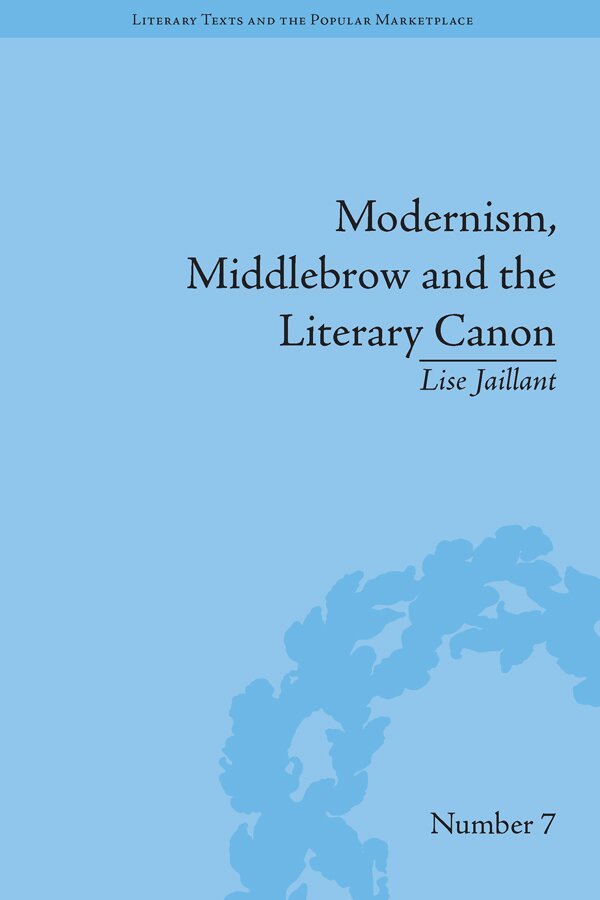
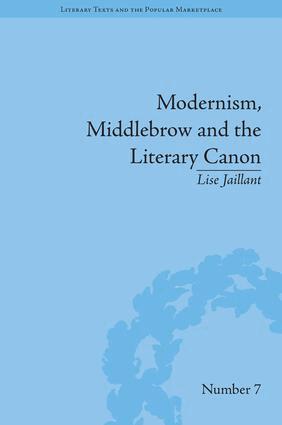
Modernism, Middlebrow and the Literary Canon
The Modern Library Series, 1917–1955
Häftad, 2017
881 kr
Lägg i varukorg
In the 1920s and 1930s the Modern Library series brought out cheap editions of modernist works. Books by writers including H G Wells, Virginia Woolf and James Joyce, were published and marketed alongside detective fiction and other books that we would now class as ‘middlebrow’. Jaillant provides a …
Modernism, Middlebrow and the Literary Canon
The Modern Library Series, 1917–1955
E-bok, 2015
1036 kr
Lägg i varukorg
In the 1920s and 1930s the Modern Library series began to bring out cheap editions of modernist works. Jaillant provides a thorough analysis of the series’ mix of highbrow and popular literature and argues that the availability and low cost of modernist works helped to expand modernism's influence …
Modernism, Middlebrow and the Literary Canon
The Modern Library Series, 1917–1955
E-bok, 2015
1036 kr
Lägg i varukorg
In the 1920s and 1930s the Modern Library series began to bring out cheap editions of modernist works. Jaillant provides a thorough analysis of the series’ mix of highbrow and popular literature and argues that the availability and low cost of modernist works helped to expand modernism's influence …
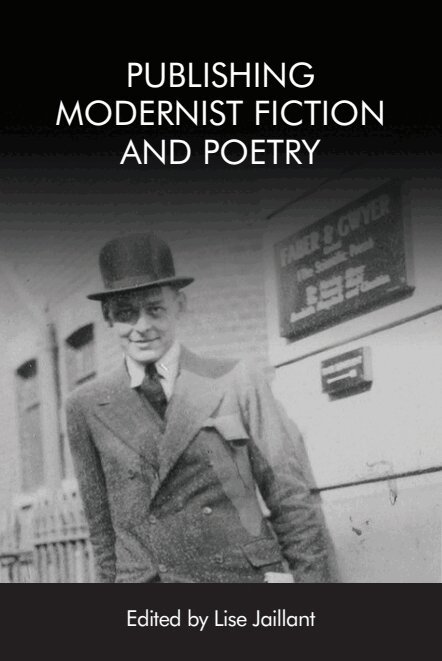
Publishing Modernist Fiction and Poetry
Av Lise Jaillant, Lise Jaillant
Inbunden, 2019
2437 kr
Lägg i varukorg
Publishing houses are nearly invisible in modernist studies. Looking beyond little magazines and other periodicals, this collection highlights the importance of book publishers in the diffusion of modernism. It also participates in the transnational turn in modernist studies, demonstrating that …
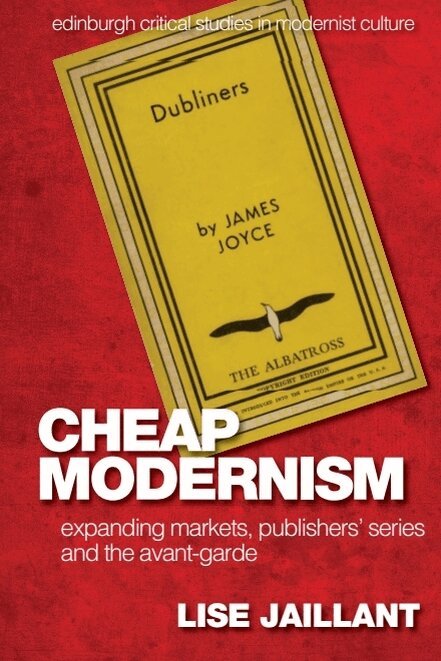
Cheap Modernism
Expanding Markets, Publishers’ Series and the Avant-Garde
Av Lise Jaillant, Lise Jaillant
Häftad, 2018
472 kr
Lägg i varukorg
The first sustained account of cheap series of reprints that transformed literary modernism from a little-read movement into a mainstream phenomenonWe often think of Mrs Dalloway or A Portrait of the Artist as a Young Man as difficult books, originally published in small print runs for a handful of …
Modernism, Middlebrow and the Literary Canon
The Modern Library Series, 1917–1955
Inbunden, 2014
3165 kr
Lägg i varukorg
In the 1920s and 1930s the Modern Library series brought out cheap editions of modernist works. Books by writers including H G Wells, Virginia Woolf and James Joyce, were published and marketed alongside detective fiction and other books that we would now class as ‘middlebrow’. Jaillant provides a …
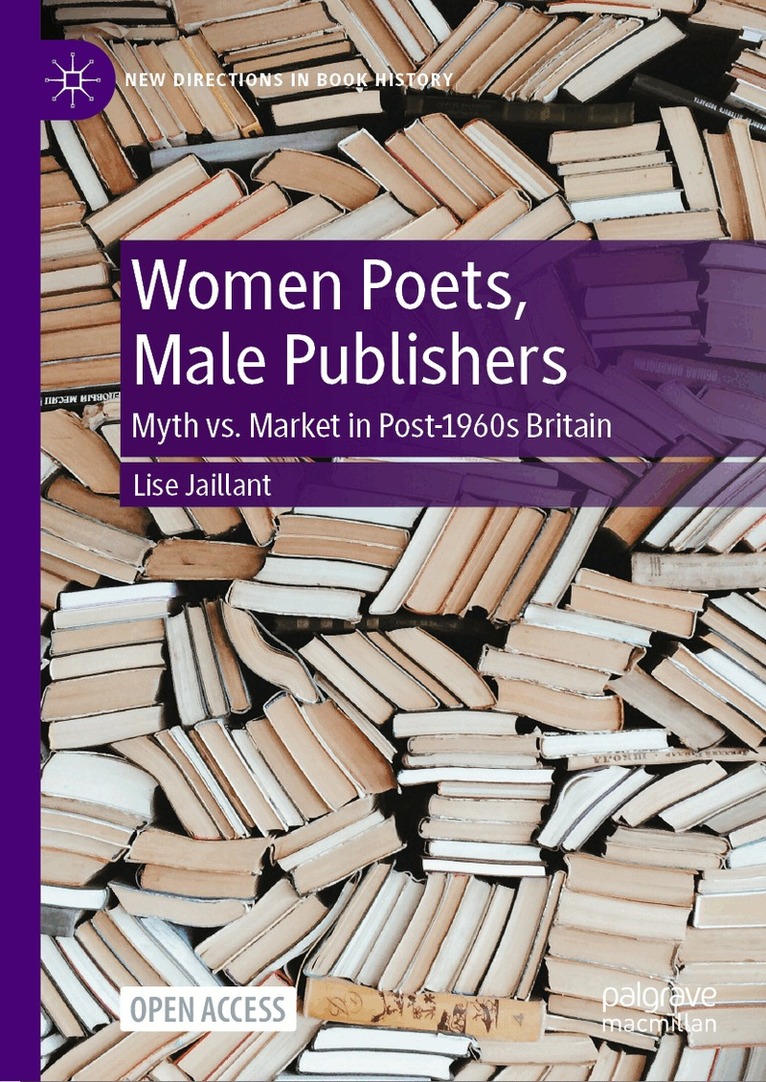
Women Poets, Male Publishers
Myth vs. Market in Post-1960s Britain
Inbunden, 2025
605 kr
Lägg i varukorg
We are often told that the women’s movement of the 1960s and 1970s led to the rediscovery of forgotten women writers. Without feminist presses such as Virago, these women would have sunk into obscurity. Thanks to Carmen Callil and other trailblazing feminist publishers, a canon of women’s …
Women Poets, Male Publishers
Myth vs. Market in Post-1960s Britain
Häftad, 2026
486 kr
Lägg i varukorg
We are often told that the women’s movement of the 1960s and 1970s led to the rediscovery of forgotten women writers. Without feminist presses such as Virago, these women would have sunk into obscurity. Thanks to Carmen Callil and other trailblazing feminist publishers, a canon of women’s …
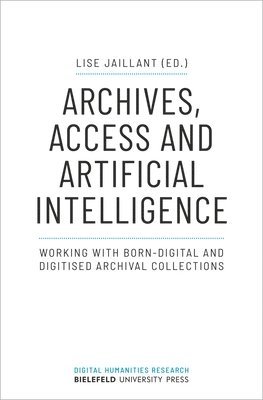
Archives, Access, and Artificial Intelligence – Working with Born–Digital and Digitised Archival Collections
Av Lise Jaillant, Lise Jaillant
Häftad, 2023
951 kr
Lägg i varukorg
Digital archives are transforming the Humanities and the Sciences. Digitized collections of newspapers and books have pushed scholars to develop new, data-rich methods. Born-digital archives are now better preserved and managed thanks to the development of open-access and commercial software. …