Lissa K. Wadewitz – författare
Visar alla böcker från författaren Lissa K. Wadewitz. Handla med fri frakt och snabb leverans.
6 produkter
6 produkter
432 kr
Skickas inom 7-10 vardagar
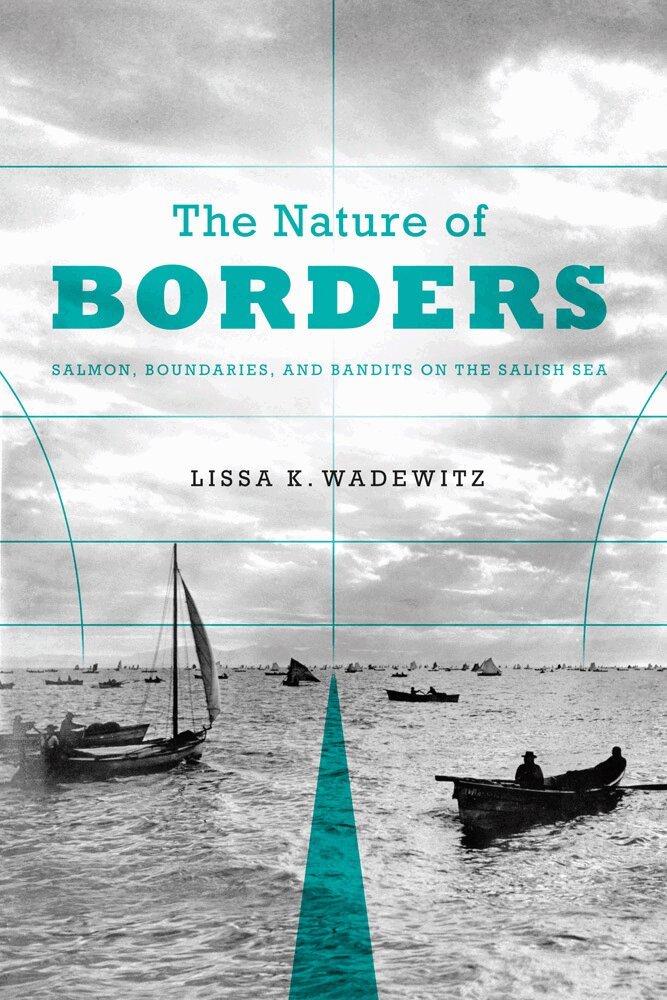
Winner of the 2014 Albert Corey Prize from the American Historical AssociationWinner of the 2013 Hal Rothman Award from the Western History AssociationWinner of the 2013 John Lyman Book Award in the Naval and Maritime Science and Technology category from the North American Society for Oceanic HistoryFor centuries, borders have been central to salmon management customs on the Salish Sea, but how those borders were drawn has had very different effects on the Northwest salmon fishery. Native peoples who fished the Salish Sea--which includes Puget Sound in Washington State, the Strait of Georgia in British Columbia, and the Strait of Juan de Fuca--drew social and cultural borders around salmon fishing locations and found ways to administer the resource in a sustainable way. Nineteenth-century Euro-Americans, who drew the Anglo-American border along the forty-ninth parallel, took a very different approach and ignored the salmon's patterns and life cycle. As the canned salmon industry grew and more people moved into the region, class and ethnic relations changed. Soon illegal fishing, broken contracts, and fish piracy were endemic--conditions that contributed to rampant overfishing, social tensions, and international mistrust. The Nature of Borders is about the ecological effects of imposing cultural and political borders on this critical West Coast salmon fishery.This transnational history provides an understanding of the modern Pacific salmon crisis and is particularly instructive as salmon conservation practices increasingly approximate those of the pre-contact Native past. The Nature of Borders reorients borderlands studies toward the Canada-U.S. border and also provides a new view of how borders influenced fishing practices and related management efforts over time.Watch the book trailer: http://www.youtube.com/watch?v=7ffLPgtCYHA&feature=channel_video_title
1 689 kr
Skickas inom 3-6 vardagar
Winner of the 2014 Albert Corey Prize from the American Historical AssociationWinner of the 2013 Hal Rothman Award from the Western History AssociationWinner of the 2013 John Lyman Book Award in the Naval and Maritime Science and Technology category from the North American Society for Oceanic HistoryFor centuries, borders have been central to salmon management customs on the Salish Sea, but how those borders were drawn has had very different effects on the Northwest salmon fishery. Native peoples who fished the Salish Sea--which includes Puget Sound in Washington State, the Strait of Georgia in British Columbia, and the Strait of Juan de Fuca--drew social and cultural borders around salmon fishing locations and found ways to administer the resource in a sustainable way. Nineteenth-century Euro-Americans, who drew the Anglo-American border along the forty-ninth parallel, took a very different approach and ignored the salmon's patterns and life cycle. As the canned salmon industry grew and more people moved into the region, class and ethnic relations changed. Soon illegal fishing, broken contracts, and fish piracy were endemic--conditions that contributed to rampant overfishing, social tensions, and international mistrust. The Nature of Borders is about the ecological effects of imposing cultural and political borders on this critical West Coast salmon fishery.This transnational history provides an understanding of the modern Pacific salmon crisis and is particularly instructive as salmon conservation practices increasingly approximate those of the pre-contact Native past. The Nature of Borders reorients borderlands studies toward the Canada-U.S. border and also provides a new view of how borders influenced fishing practices and related management efforts over time.Watch the book trailer: http://www.youtube.com/watch?v=7ffLPgtCYHA&feature=channel_video_title
754 kr
Skickas inom 7-10 vardagar
More than any other locale, the Pacific Ocean has been the meeting place between humans and whales. From Indigenous Pacific peoples who built lives and cosmologies around whales, to Euro-American whalers who descended upon the Pacific during the nineteenth century, and to the new forms of human-cetacean partnerships that have emerged from the late twentieth century, the relationship between these two species has been central to the ocean's history. Across Species and Cultures: New Histories of Pacific Whaling offers for the first time a critical, wide-ranging geographical and temporal look at the varieties of whale histories in the Pacific. The essay contributors, hailing from around the Pacific, present a wealth of fascinating stories while breaking new methodological ground in environmental history, women's history, animal studies, and Indigenous ontologies. In the process they reveal previously hidden aspects of the story of Pacific whaling, including the contributions of Indigenous people to capitalist whaling, the industry's exceptionally far-reaching spread, and its overlooked second life as a global, industrial slaughter in the twentieth century. While pointing to striking continuities in whaling histories around the Pacific, Across Species and Cultures also reveals deep tensions: between environmentalists and Indigenous peoples, between ideas and realities, and between the North and South Pacific. The book delves in unprecedented ways into the lives and histories of whales themselves. Despite the worst ravages of commercial and industrial whaling, whales survived two centuries of mass killing in the Pacific. Their perseverance continues to nourish many human communities around and in the Pacific Ocean where they are hunted as commodities, regarded as signs of wealth and power, act as providers and protectors, but are also ancestors, providing a bridge between human and nonhuman worlds.
754 kr
Skickas inom 7-10 vardagar
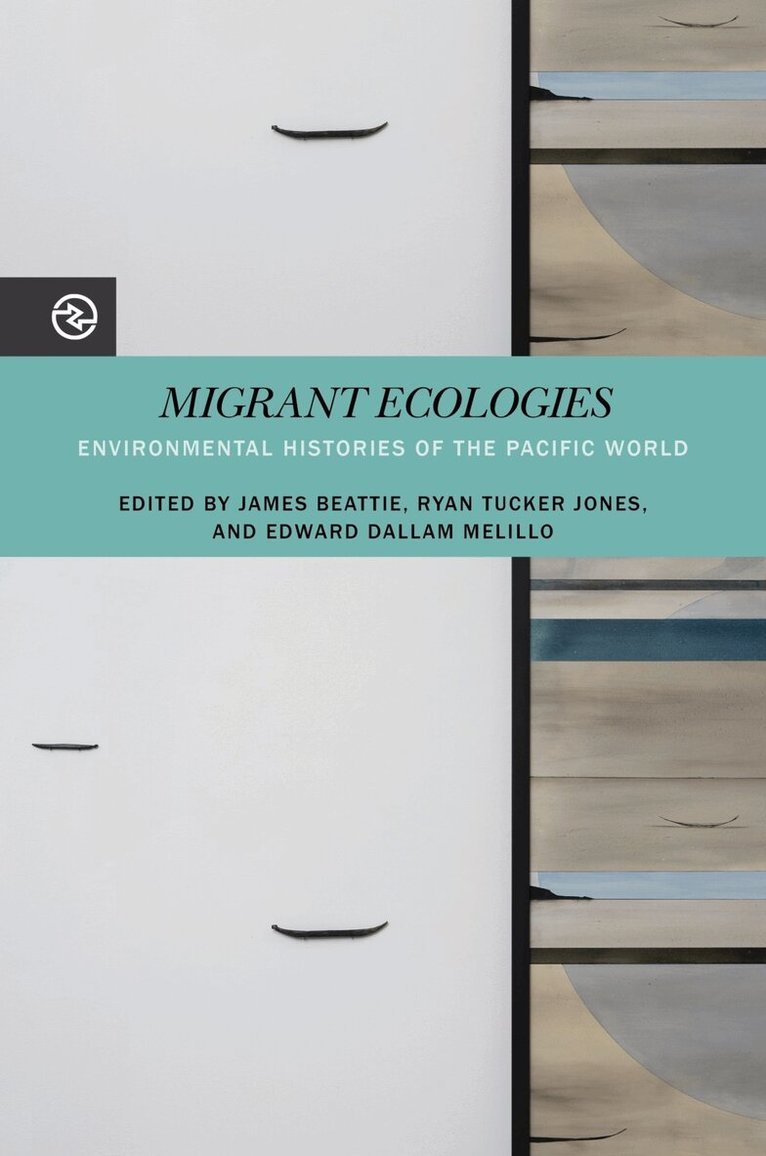
Migrant Ecologies: Environmental Histories of the Pacific World is the first volume explicitly dedicated to the environmental history of Earth’s largest ocean. Covering nearly one-third of the planet, the Pacific Ocean is remarkable for its diverse human and non-human inhabitants, their astounding long-distance migrations over time, and their profound influences on other parts of the world. This book creates an understanding of the past, present, and futures of the lands, seas, peoples, practices, microbes, animals, plants, and other natural forces that shape the Pacific. It effectively argues for the existence of an interconnected Pacific World environmental history, as well as for the Pacific Ocean as a necessary framework for understanding that history.The fifteen chapters in this comprehensive collection, written by leading experts from across the globe, span a vast array of topics, from disease ecology and coffee cultivation to nuclear testing and whaling practices. They explore regions stretching from the Tuamotu Archipelago in the south Pacific to the Kamchatka Peninsula in the far north, resisting the depiction of the Pacific as isolated and uninhabited. What unites these diverse contributions is a concern for how the people, places, and non-human beings of the Pacific World have been shaped by, and have in turn modified, their oceanic realm. Building on a recent renaissance in Pacific history, these chapters make a powerful argument for the importance of the Pacific World as a coherent unit of analysis and a valuable lens through which to examine past, ongoing, and emerging environmental issues. By showcasing surprising and innovative perspectives on the environmental histories of the peoples and ecosystems in and around the Pacific Ocean, this work adds to current conversations and debates about the Pacific World and offers myriad opportunities for further discussions, both inside and outside of the classroom.
292 kr
Skickas inom 7-10 vardagar
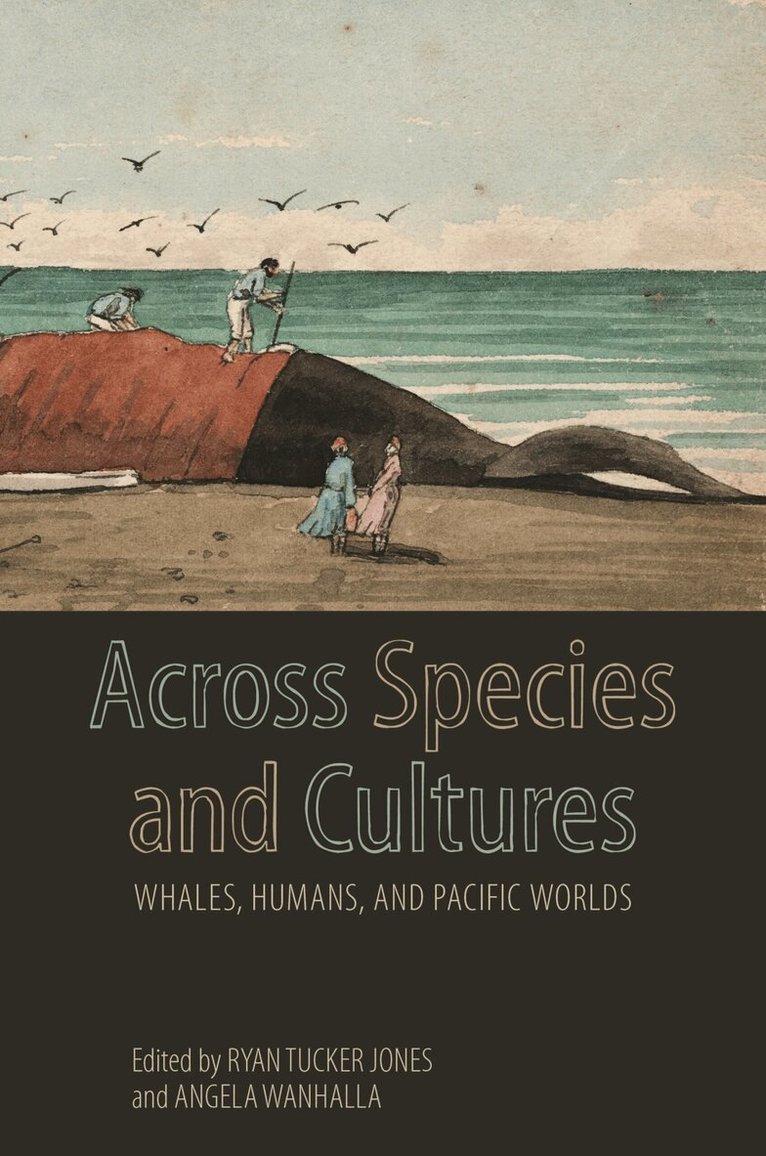
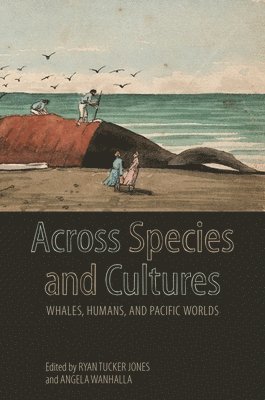
More than any other locale, the Pacific Ocean has been the meeting place between humans and whales. From Indigenous Pacific peoples who built lives and cosmologies around whales, to Euro-American whalers who descended upon the Pacific during the nineteenth century, and to the new forms of human-cetacean partnerships that have emerged from the late twentieth century, the relationship between these two species has been central to the ocean’s history. Across Species and Cultures: Whales, Humans, and Pacific Worlds offers for the first time a critical, wide-ranging geographical and temporal look at the varieties of whale histories in the Pacific. The essay contributors, hailing from around the Pacific, present a wealth of fascinating stories while breaking new methodological ground in environmental history, women’s history, animal studies, and Indigenous ontologies. In the process they reveal previously hidden aspects of the story of Pacific whaling, including the contributions of Indigenous people to capitalist whaling, the industry’s exceptionally far-reaching spread, and its overlooked second life as a global, industrial slaughter in the twentieth century. While pointing to striking continuities in whaling histories around the Pacific, Across Species and Cultures also reveals deep tensions: between environmentalists and Indigenous peoples, between ideas and realities, and between the North and South Pacific. The book delves in unprecedented ways into the lives and histories of whales themselves. Despite the worst ravages of commercial and industrial whaling, whales survived two centuries of mass killing in the Pacific. Their perseverance continues to nourish many human communities around and in the Pacific Ocean where they are hunted as commodities, regarded as signs of wealth and power, act as providers and protectors, but are also ancestors, providing a bridge between human and nonhuman worlds.
292 kr
Skickas inom 7-10 vardagar
Migrant Ecologies: Environmental Histories of the Pacific World is the first volume explicitly dedicated to the environmental history of Earth’s largest ocean. Covering nearly one-third of the planet, the Pacific Ocean is remarkable for its diverse human and non-human inhabitants, their astounding long-distance migrations over time, and their profound influences on other parts of the world. This book creates an understanding of the past, present, and futures of the lands, seas, peoples, practices, microbes, animals, plants, and other natural forces that shape the Pacific. It effectively argues for the existence of an interconnected Pacific World environmental history, as well as for the Pacific Ocean as a necessary framework for understanding that history.The fifteen chapters in this comprehensive collection, written by leading experts from across the globe, span a vast array of topics, from disease ecology and coffee cultivation to nuclear testing and whaling practices. They explore regions stretching from the Tuamotu Archipelago in the south Pacific to the Kamchatka Peninsula in the far north, resisting the depiction of the Pacific as isolated and uninhabited. What unites these diverse contributions is a concern for how the people, places, and non-human beings of the Pacific World have been shaped by, and have in turn modified, their oceanic realm. Building on a recent renaissance in Pacific history, these chapters make a powerful argument for the importance of the Pacific World as a coherent unit of analysis and a valuable lens through which to examine past, ongoing, and emerging environmental issues. By showcasing surprising and innovative perspectives on the environmental histories of the peoples and ecosystems in and around the Pacific Ocean, this work adds to current conversations and debates about the Pacific World and offers myriad opportunities for further discussions, both inside and outside of the classroom.