Lonnie G. Bunch III – författare
Visar alla böcker från författaren Lonnie G. Bunch III. Handla med fri frakt och snabb leverans.
9 produkter
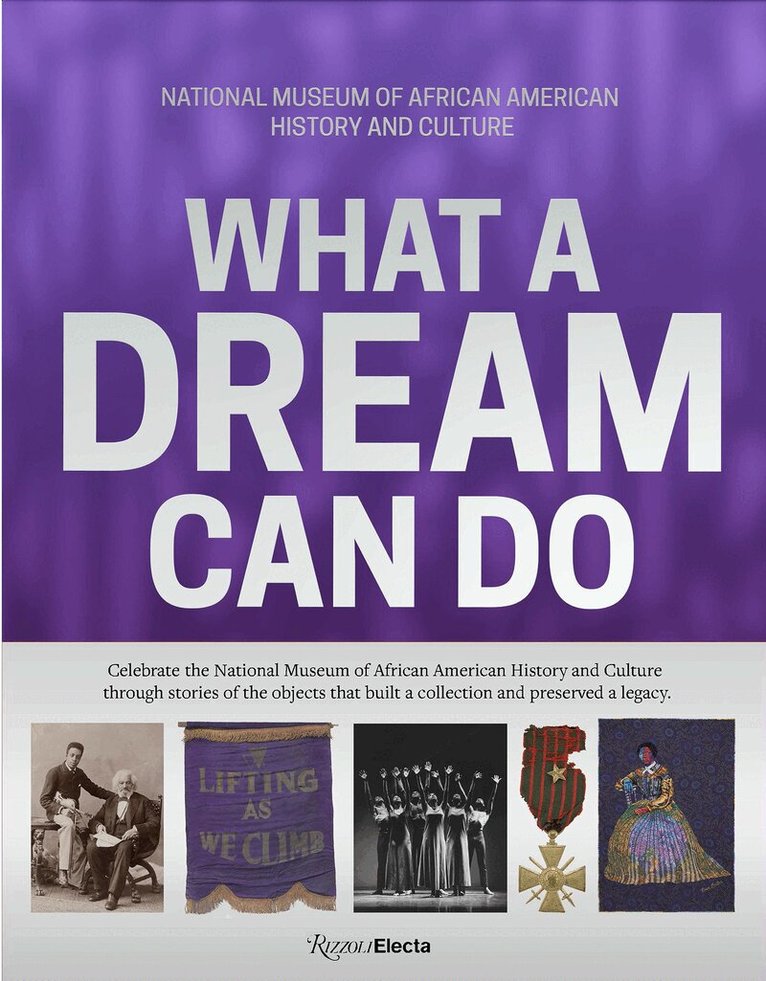
What a Dream Can Do
Building a Collection, Preserving a Legacy
Av Lonnie G. Bunch III, Michelle D. Commander m. fl.
Inbunden, 2026
479 kr
Lägg i varukorg
Discover the most significant museum collection chronicling African American life, history, and culture, revealing centuries of creativity, resistance, determination, and joy.At the National Museum of African American History and Culture’s dedication ceremony in 2016, civil rights activist and …
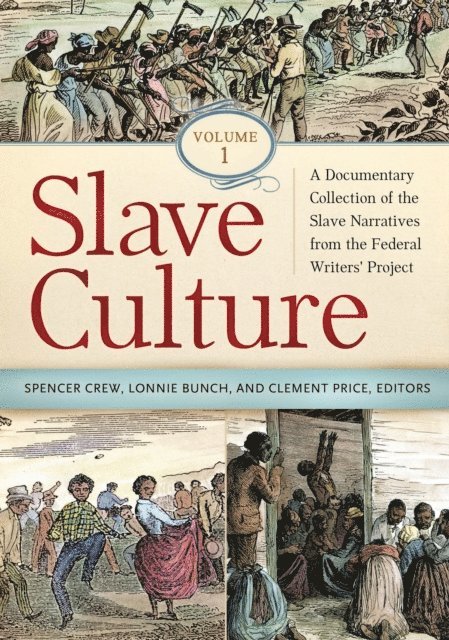
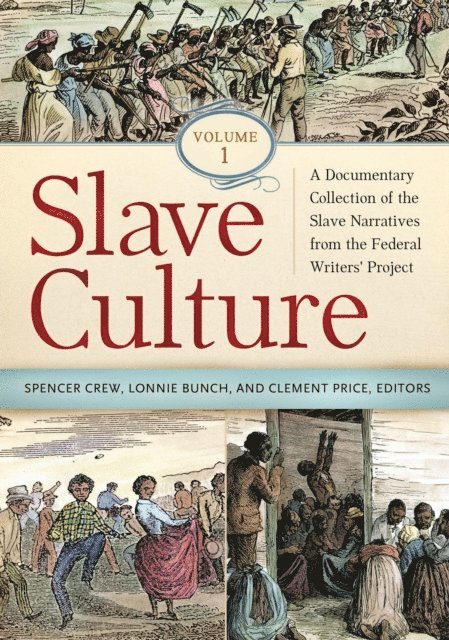
Slave Culture
A Documentary Collection of the Slave Narratives from the Federal Writers' Project [3 Volumes]
Av Spencer R. Crew, Lonnie G. Bunch III m. fl.
E-bok, 2014
3317 kr
Lägg i varukorg
For the first time, the WPA Slave Narratives are organized by theme, making it easier to examine—and understand—specific aspects of slave life and culture. There is no better way to appreciate history than to experience it through the eyes of those who lived it. Slave Culture: A Documentary …
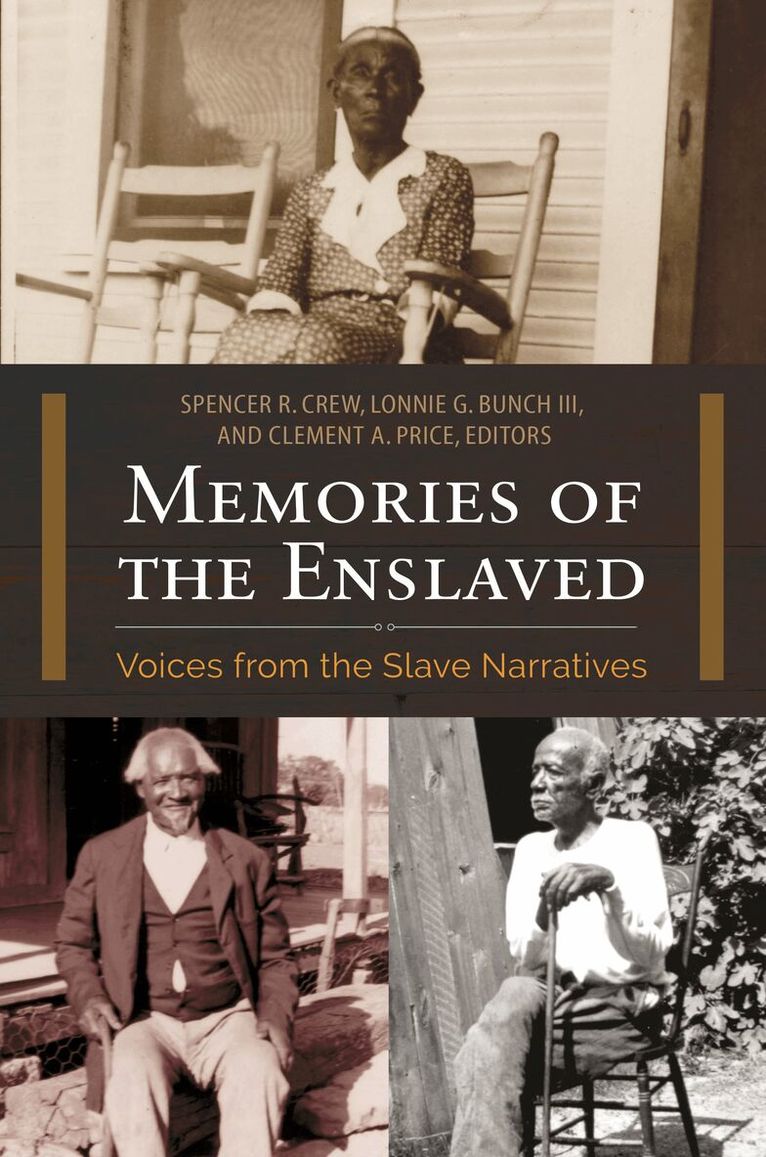
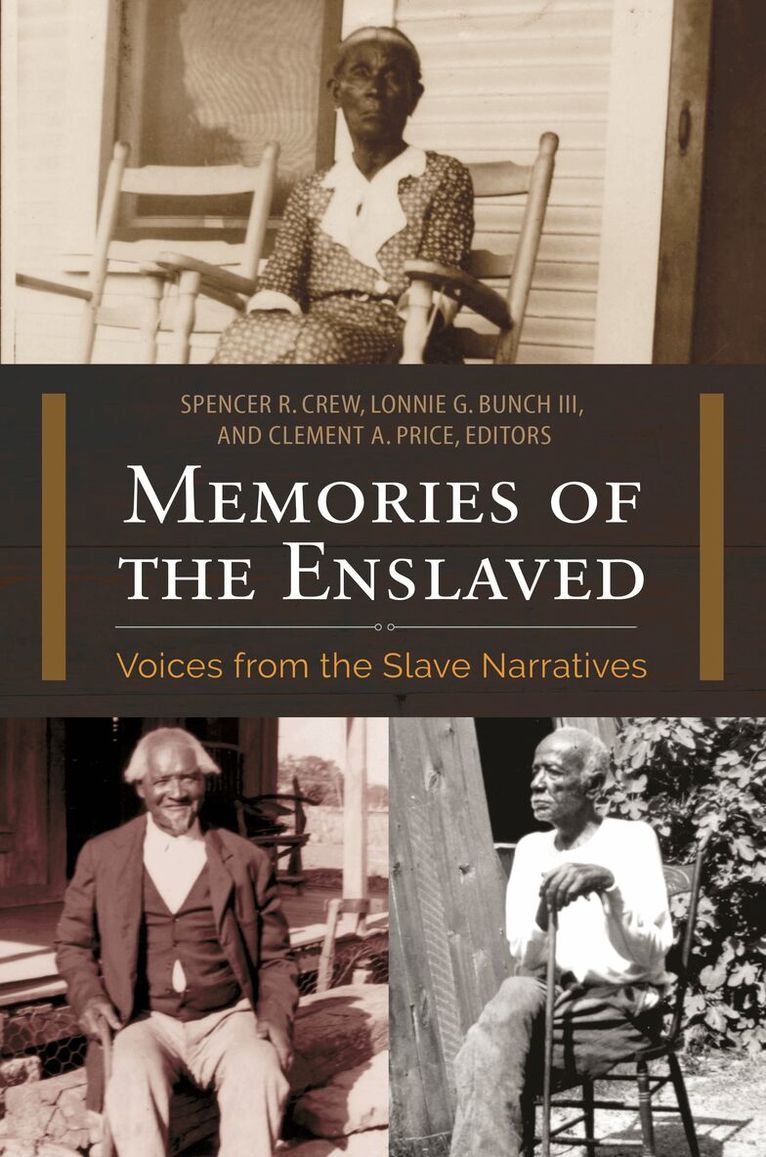
Memories of the Enslaved
Voices from the Slave Narratives
Av Spencer R. Crew, Lonnie G. Bunch III m. fl.
Inbunden, 2015
760 kr
Lägg i varukorg
This book offers a first-person perspective on the institution of slavery in America, providing powerful, engaging interviews from the WPA slave narrative collection that enable readers to gain a true sense of the experience of enslavement.Today's students understandably have a hard time imagining …
Memories of the Enslaved
Voices from the Slave Narratives
Av Spencer R. Crew, Lonnie G. Bunch III m. fl.
E-bok, 2015
578 kr
Lägg i varukorg
This book offers a first-person perspective on the institution of slavery in America, providing powerful, engaging interviews from the WPA slave narrative collection that enable readers to gain a true sense of the experience of enslavement. Today's students understandably have a hard time imagining …
Memories of the Enslaved
Voices from the Slave Narratives
Av Spencer R. Crew, Lonnie G. Bunch III m. fl.
Häftad, 2015
549 kr
Lägg i varukorg
This book offers a first-person perspective on the institution of slavery in America, providing powerful, engaging interviews from the WPA slave narrative collection that enable readers to gain a true sense of the experience of enslavement.Today's students understandably have a hard time imagining …
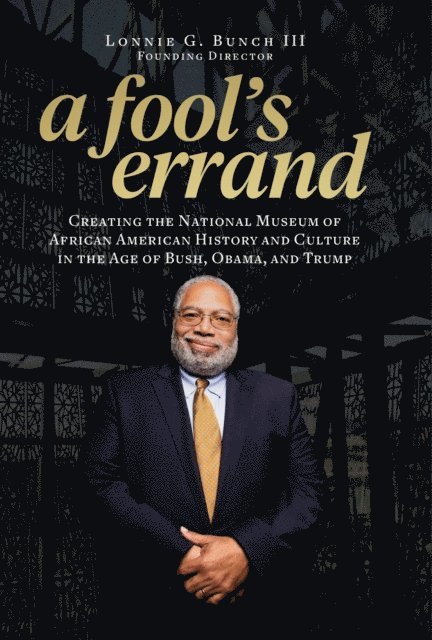
Fool's Errand
Creating the National Museum of African American History and Culture during the Age of Bush, Obama, and Trump
E-bok, 2019
352 kr
Lägg i varukorg
Founding Director Lonnie Bunch''s inside story of how the Smithsonian National Museum of African American History and Culture was created. By turns inspiring, funny, frustrating, quixotic, and bittersweet, this is his deeply personal tale of the challenges and rewards of bringing a nationally …
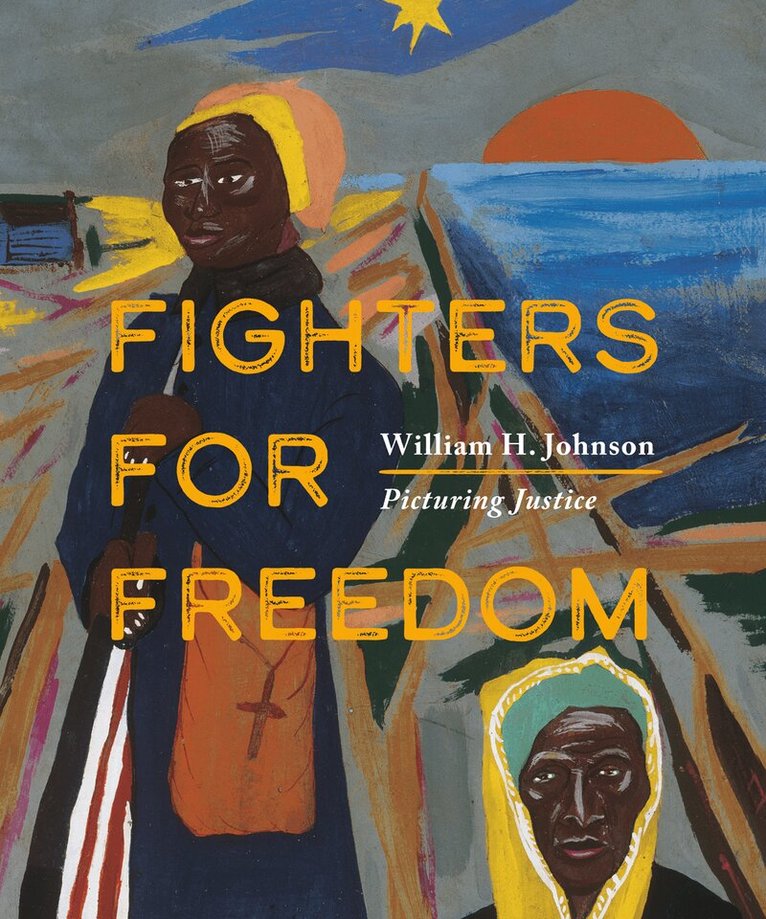
Fighters for Freedom
William H. Johnson Picturing Justice
Av Lonnie G Bunch III, Virginia Mecklenburg
Häftad, 2024
243 kr
Lägg i varukorg
William H. Johnson painted his Fighters for Freedom series in the mid-1940s as a tribute to African American activists, scientists, teachers, and performers as well as international heads of state working to bring peace to the world. He celebrated their accomplishments even as he acknowledged the …
Memories of the Enslaved
Voices from the Slave Narratives
Av Spencer R. Crew, Lonnie G. Bunch III m. fl.
E-bok, 2015
578 kr
Lägg i varukorg
This book offers a first-person perspective on the institution of slavery in America, providing powerful, engaging interviews from the WPA slave narrative collection that enable readers to gain a true sense of the experience of enslavement. Today's students understandably have a hard time imagining …
Slave Culture
A Documentary Collection of the Slave Narratives from the Federal Writers' Project [3 Volumes]
Av Spencer R. Crew, Lonnie G. Bunch III m. fl.
E-bok, 2014
3044 kr
Lägg i varukorg
For the first time, the WPA Slave Narratives are organized by theme, making it easier to examine—and understand—specific aspects of slave life and culture. There is no better way to appreciate history than to experience it through the eyes of those who lived it. Slave Culture: A Documentary …