Lotte Hughes - Böcker
Visar alla böcker från författaren Lotte Hughes. Handla med fri frakt och snabb leverans.
5 produkter
5 produkter
1 379 kr
Skickas inom 5-8 vardagar
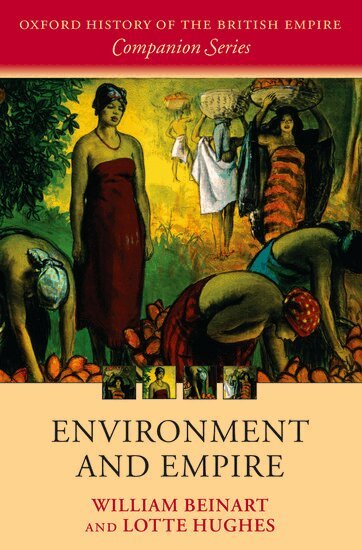
European imperialism was extraordinarily far-reaching: a key global historical process of the last 500 years. It locked disparate human societies together over a wider area than any previous imperial expansion; it underpinned the repopulation of the Americas and Australasia; it was the precursor of globalization as we now understand it. Imperialism was inseparable from the history of global environmental change. Metropolitan countries sought raw materials of all kinds, from timber and furs to rubber and oil. They established sugar plantations that transformed island ecologies. Settlers introduced new methods of farming and displaced indigenous peoples. Colonial cities, many of which became great conurbations, fundamentally changed relationships between people and nature. Consumer cultures, the internal combustion engine, and pollution are now ubiquitous. Environmental history deals with the reciprocal interaction between people and other elements in the natural world, and this book illustrates the diverse environmental themes in the history of empire. Initially concentrating on the material factors that shaped empire and environmental change, Environment and Empire discusses the way in which British consumers and manufacturers sucked in resources that were gathered, hunted, fished, mined, and farmed. Yet it is also clear that British settler and colonial states sought to regulate the use of natural resources as well as commodify them. Conservation aimed to preserve resources by exclusion, as in wildlife parks and forests, and to guarantee efficient use of soil and water. Exploring these linked themes of exploitation and conservation, this study concludes with a focus on political reassertions by colonised peoples over natural resources. In a post-imperial age, they have found a new voice, reformulating ideas about nature, landscape, and heritage and challenging, at a local and global level, views of who has the right to regulate nature.
661 kr
Skickas inom 5-8 vardagar
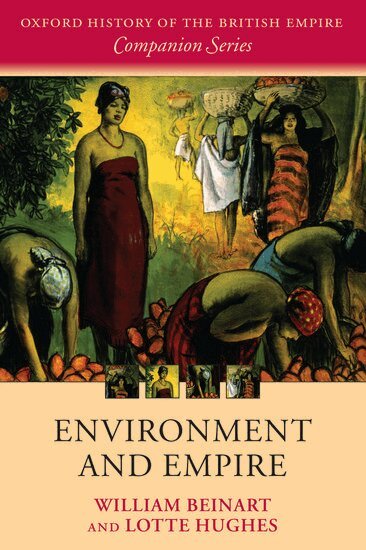
European imperialism was extraordinarily far-reaching: a key global historical process of the last 500 years. It locked disparate human societies together over a wider area than any previous imperial expansion; it underpinned the repopulation of the Americas and Australasia; it was the precursor of globalization as we now understand it. Imperialism was inseparable from the history of global environmental change. Metropolitan countries sought raw materials of all kinds, from timber and furs to rubber and oil. They established sugar plantations that transformed island ecologies. Settlers introduced new methods of farming and displaced indigenous peoples. Colonial cities, many of which became great conurbations, fundamentally changed relationships between people and nature. Consumer cultures, the internal combustion engine, and pollution are now ubiquitous. Environmental history deals with the reciprocal interaction between people and other elements in the natural world, and this book illustrates the diverse environmental themes in the history of empire. Initially concentrating on the material factors that shaped empire and environmental change, Environment and Empire discusses the way in which British consumers and manufacturers sucked in resources that were gathered, hunted, fished, mined, and farmed. Yet it is also clear that British settler and colonial states sought to regulate the use of natural resources as well as commodify them. Conservation aimed to preserve resources by exclusion, as in wildlife parks and forests, and to guarantee efficient use of soil and water. Exploring these linked themes of exploitation and conservation, this study concludes with a focus on political reassertions by colonised peoples over natural resources. In a post-imperial age, they have found a new voice, reformulating ideas about nature, landscape, and heritage and challenging, at a local and global level, views of who has the right to regulate nature.
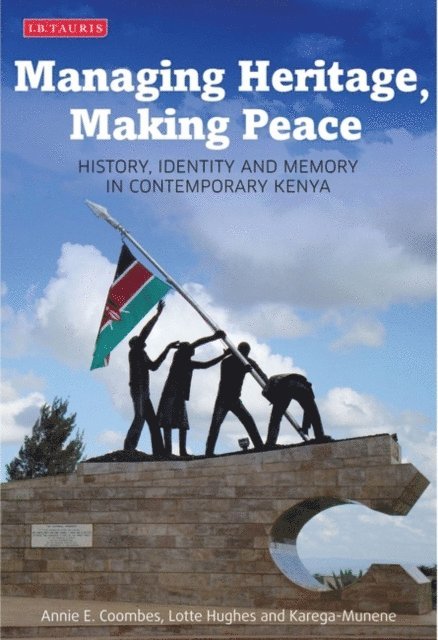
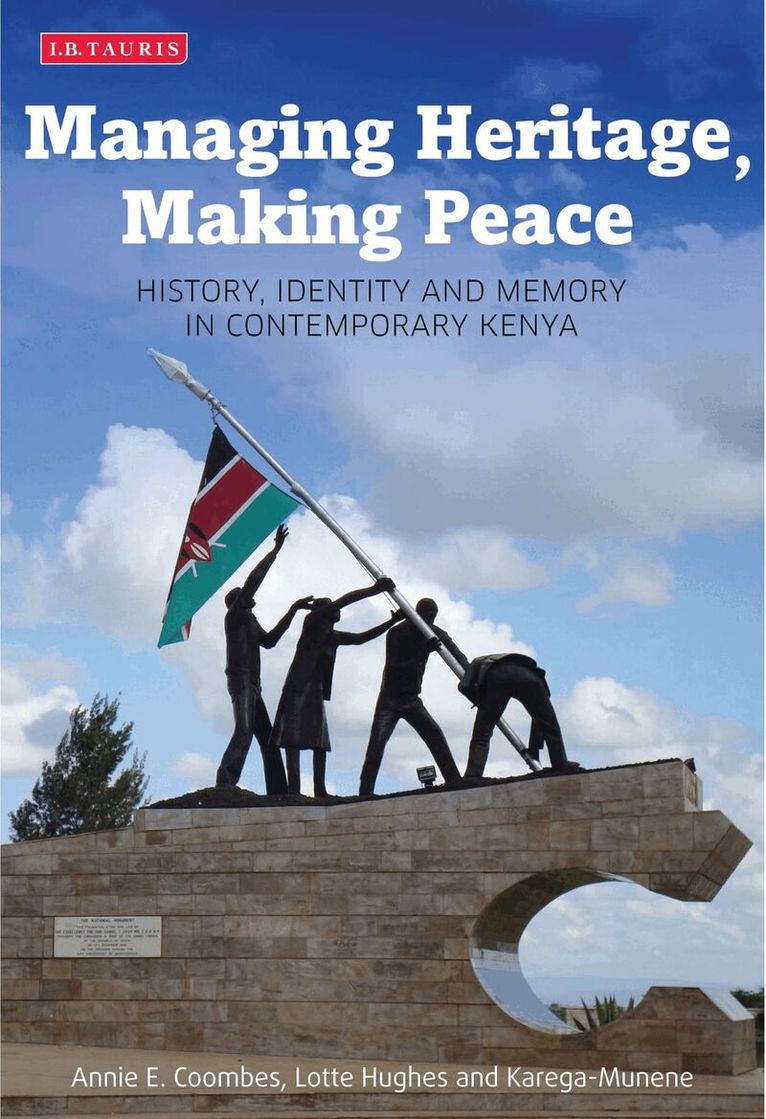
Managing Heritage, Making Peace
History, Identity and Memory in Contemporary Kenya
Häftad, Engelska, 2019
489 kr
Skickas inom 10-15 vardagar
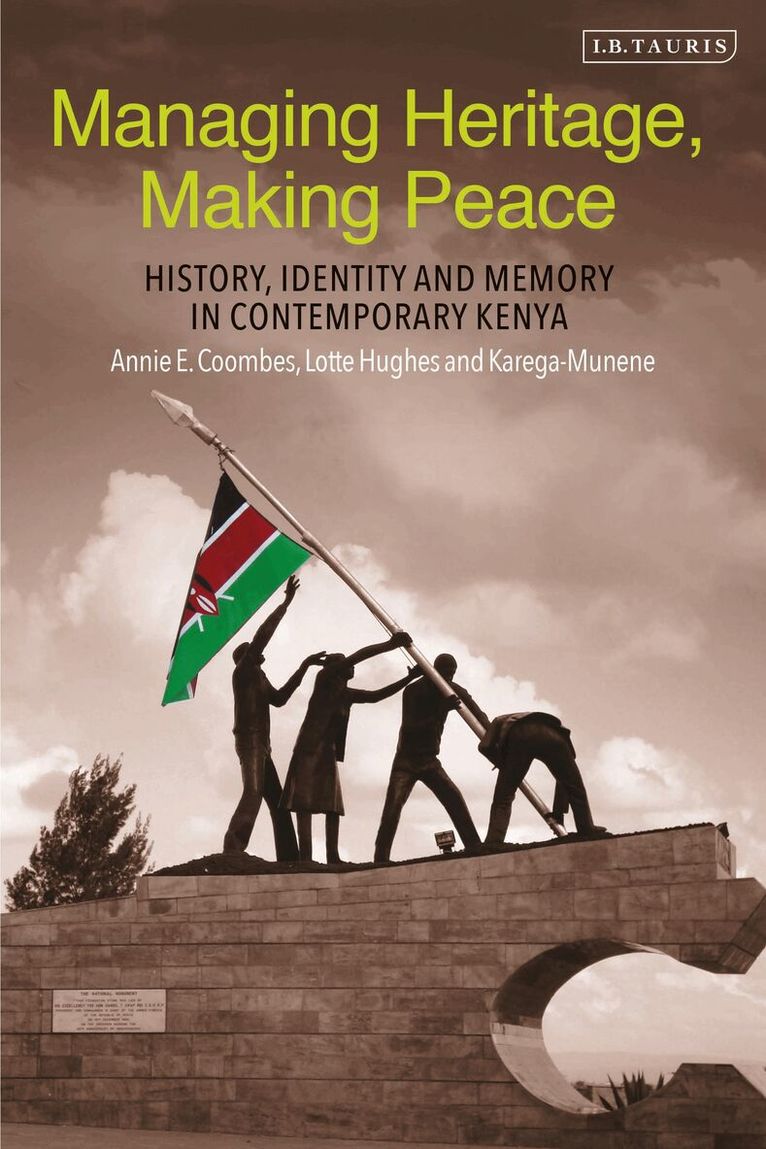
Kenya stands at a crossroads in its history and heritage, as the nation celebrates its fiftieth anniversary of independence from Britain in 2013. At this important juncture, what parts of its history, including the Mau Mau uprising, do citizens and state wish to remember and commemorate and what is best forgotten or occluded? What does heritage mean to ordinary Kenyans, and what role does it play in building nationhood and forging peace and reconciliation? Focusing on the 1990s to the present, "Managing Heritage, Making Peace" is a timely exploration of the ways in which Kenyans are engaging with the past in the present, including such local initiatives as the community peace museums movement, local and national monuments and other notable commemorative actions. The authors show how Kenya is facing a continuing crisis over nationhood, heritage, memory and identity, which must be resolved to achieve social cohesion and peace.
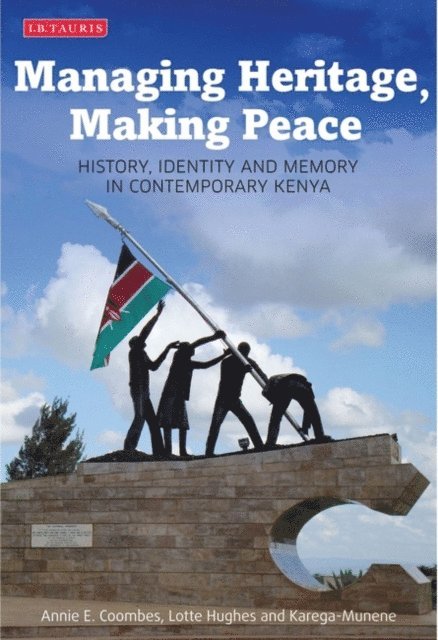
Managing Heritage, Making Peace
History, Identity and Memory in Contemporary Kenya
Inbunden, Engelska, 2013
1 888 kr
Skickas inom 10-15 vardagar
Kenya stands at a crossroads in its history and heritage, as the nation celebrates its fiftieth anniversary of independence from Britain in 2013. At this important juncture, what parts of its history, including the Mau Mau uprising, do citizens and state wish to remember and commemorate and what is best forgotten or occluded? What does heritage mean to ordinary Kenyans, and what role does it play in building nationhood and forging peace and reconciliation? Focusing on the 1990s to the present, "Managing Heritage, Making Peace" is a timely exploration of the ways in which Kenyans are engaging with the past in the present, including such local initiatives as the community peace museums movement, local and national monuments and other notable commemorative actions. The authors show how Kenya is facing a continuing crisis over nationhood, heritage, memory and identity, which must be resolved to achieve social cohesion and peace.
Del 46 - African Issues
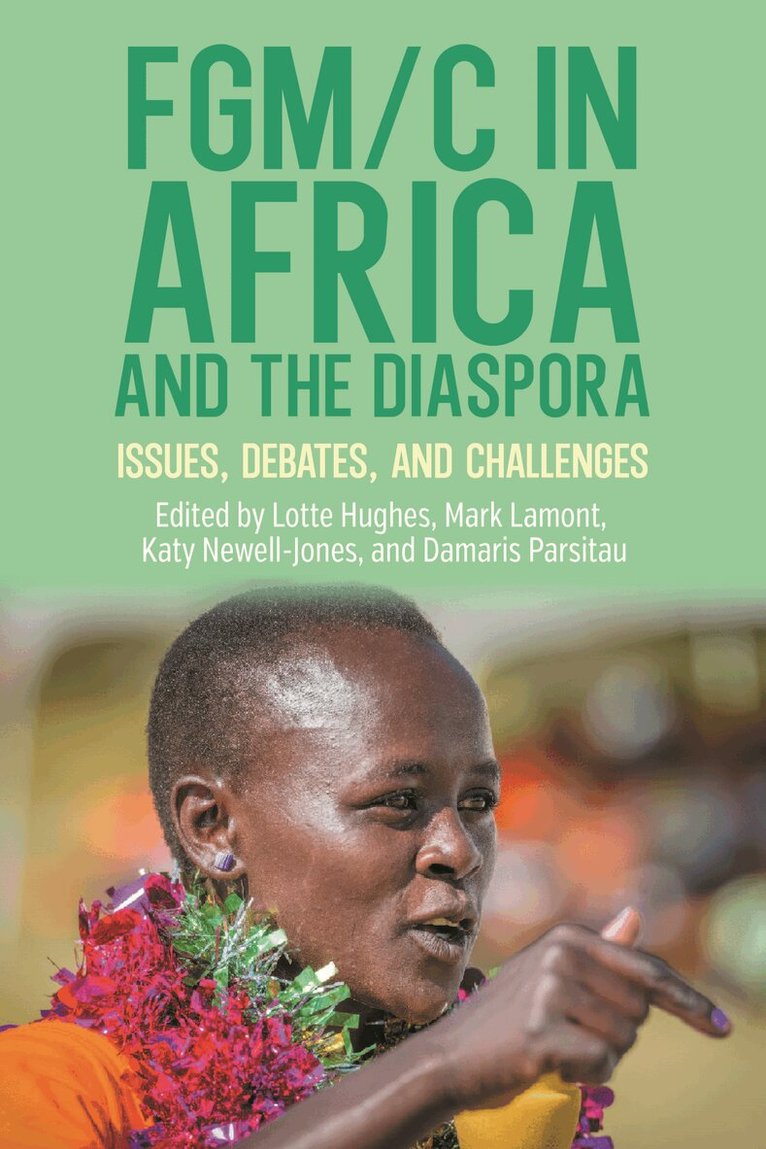
FGM/C in Africa and the Diaspora
Issues, Debates, and Challenges
Inbunden, Engelska, 2026
2 442 kr
Skickas inom 3-6 vardagar
A nuanced, interdisciplinary examination of female genital mutilation/cutting (FGM/C) that challenges dominant health and human-rights narratives by situating the practice within its social, ritual, and cultural contexts, and foregrounding the voices of affected communities.Few issues arouse as much controversy as female circumcision, also called a variety of terms including female genital cutting, female genital mutilation/cutting (FGM/C), and female genital modification. The very terminology is contentious, reflecting polarised ideological stances. This book discusses, critiques, and analyses contemporary issues around female circumcision in Africa and the diaspora, campaigns and legislation against it, and alternatives to it. It traces historical continuities in anti-FGM/C campaigns and examines how certain hegemonic narratives have developed as initiatives, legislation, and protocols were rolled out. The book argues that FGM/C is not 'just' a health, human-rights, and gender-violence issue but is multi-faceted and intersectional.Moving away from a focus on the physical 'cut', chapters examine FGM/C in terms of social relations, asserting that FGM/C must be situated and understood in deeper ritual context and that external interventions aimed at ending the practice are doomed to fail unless external actors listen to and truly engage with the communities concerned. At the same time, FGM/C is discussed in parallel with male circumcision, as both mark ritual initiation into adulthood, raise people's status, and underpin the structure of age-organised societies. Taking an interdisciplinary approach, including perspectives from anthropology, history, political science, medicine and zemiology, the book includes a range of voices, importantly, those of community members as well as scholars, development practitioners and public health professionals, with a view to promoting constructive dialogue between sectors.